
A growing group of economists think the next RBA move will be down. But there is significant uncertainty as US President Donald Trump indicates a deal is close with Iran.

Your complimentary access ends . To keep reading without interruption, subscribe today.
Your cheat sheet for what's coming in economic data this week — and how to interpret it.
A growing group of economists think the next RBA move will be down. But there is significant uncertainty as US President Donald Trump indicates a deal is close with Iran.

The RBA has another week to contemplate the Middle East crisis as global counterparts make rate decisions.
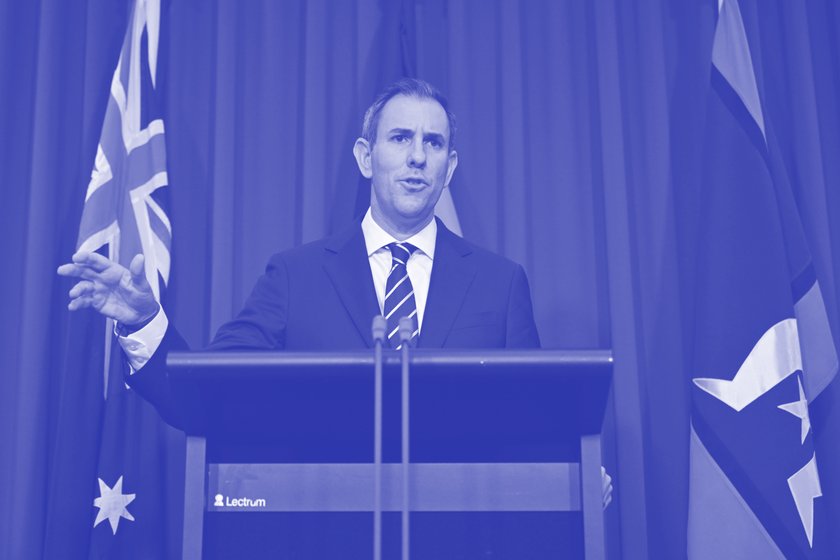
Economists think this week’s National Accounts will show the economy held up in the March quarter, potentially due to booming data centre spending. But some are warning a slump is coming.

Australia could be staring down the barrel of an inflation shock concerningly similar to that seen post-pandemic.
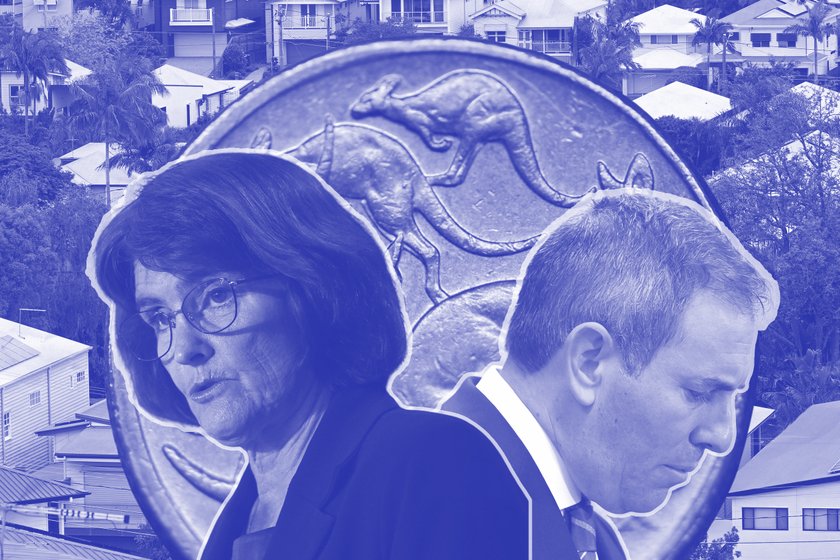
The next move for the central bank is likely to be up. But there’s varying opinions about how the federal budget will change the outlook.

The 2026 budget is tipped to be the most critical, and interesting, for years. And the stakes could not be higher for the nation or for the treasurer.
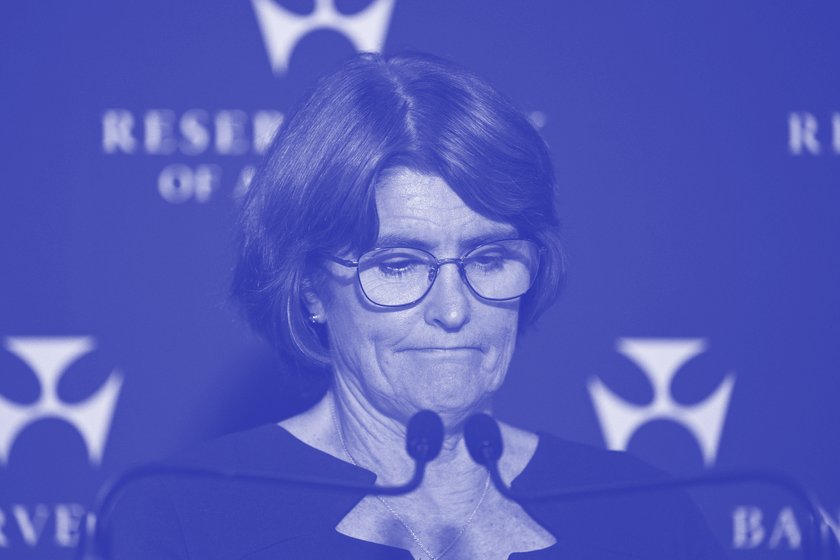
Economists are warning that slowing growth driven by the Middle East conflict could start to outweigh inflation concerns.
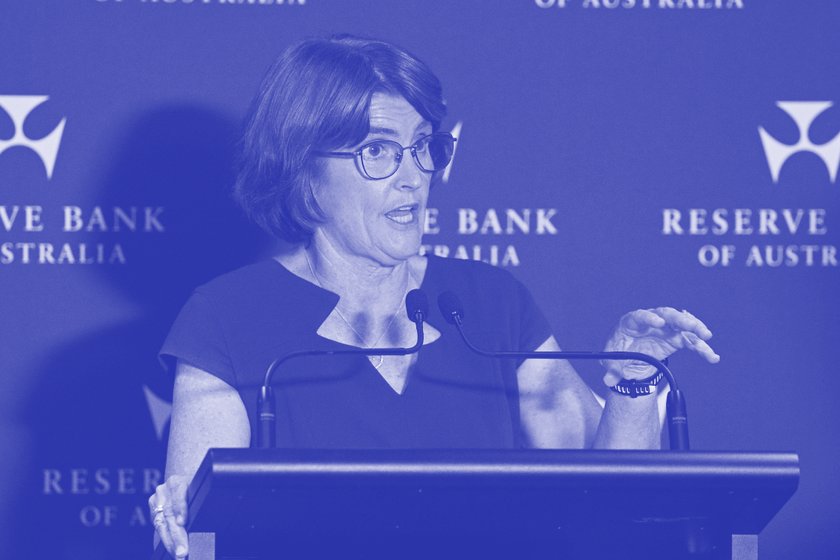
Economists think the Reserve Bank will increase rates in May following surging fuel prices. But as the Middle East conflict drags on, the worst of the inflation effects may be yet to come.
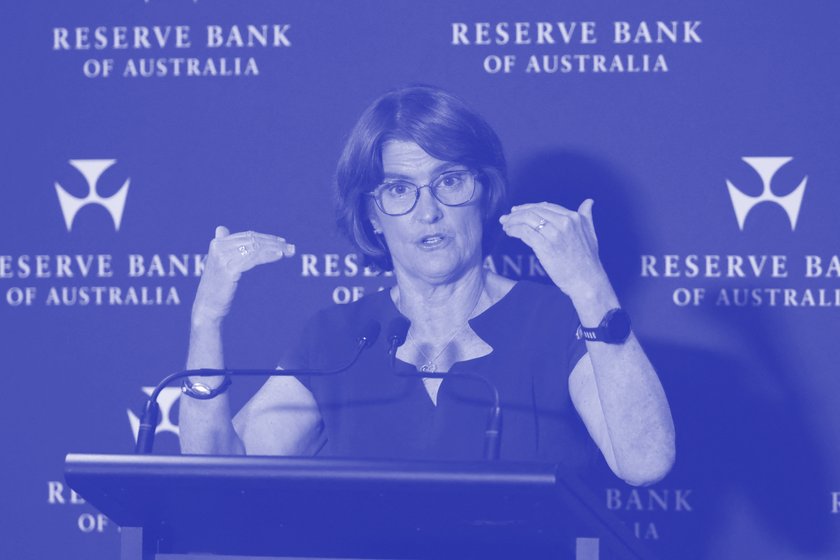
As geopolitical uncertainty continues to ramp up, economic growth and inflation is increasingly difficult to predict.
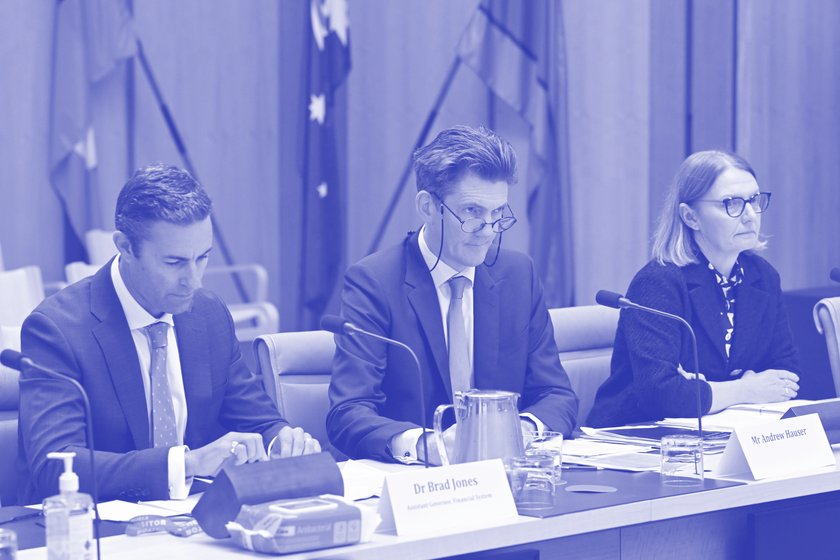
Even if the US-Iran negotiations end up being successful, Australia still faces significant economic disruption.
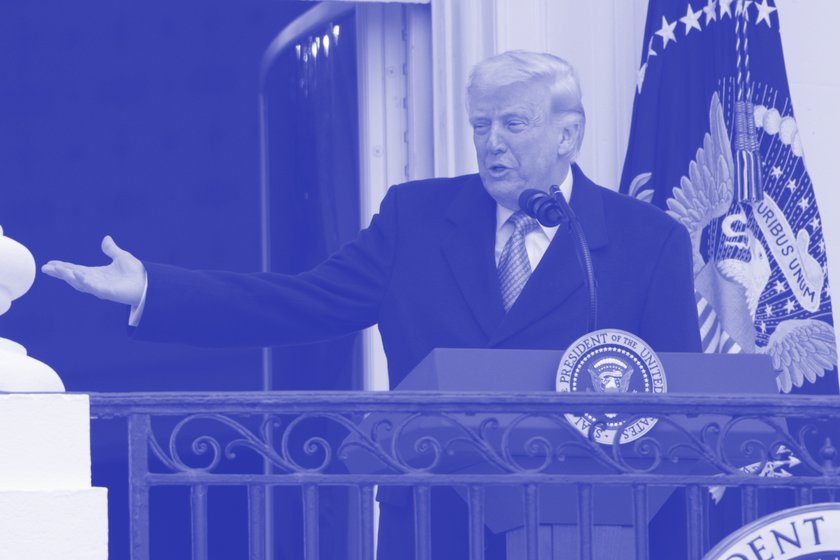
The longer the conflict, the worse the economic outcomes.

Australian economists have shifted their predictions quickly and dramatically with the conflict in the Middle East showing no signs of abating.

The Reserve Bank board will meet this week. Will it sit on its hands amid turbulence in the Middle East or act on data that looks too hot?

Economists have laid out several scenarios from rising tensions in the Middle East and what it could mean for the economy. They range from relatively relaxed, to extremely cautious.

The strikes on Iran over the weekend and fears of escalation could trigger a spike in oil prices, raising inflation fears and overshadowing an expected uptick in growth in Australia.

The US President’s latest tariffs plus a fresh tranche of domestic inflation data will dictate the economy and markets this week.
December’s strong labour force read paved the way for a rate increase in February. Will January’s print reverse the trend, or back it in?

The central bank will face another round of scrutiny this week as senior officials appear in public following the decision to raise the cash rate to 3.85%.
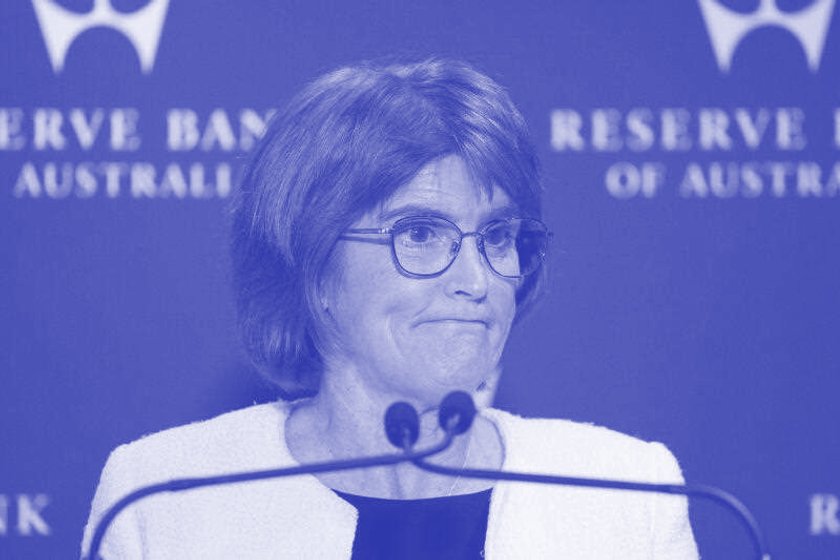
The big four banks are all expecting the RBA to lift interest rates on Tuesday at its first meeting for the year. But the stronger Australian dollar and markets moves could complicate its next move after that.
The likelihood of a rate rise at the central bank's first meeting for 2026 is rising. Inflation will make or break the decision.
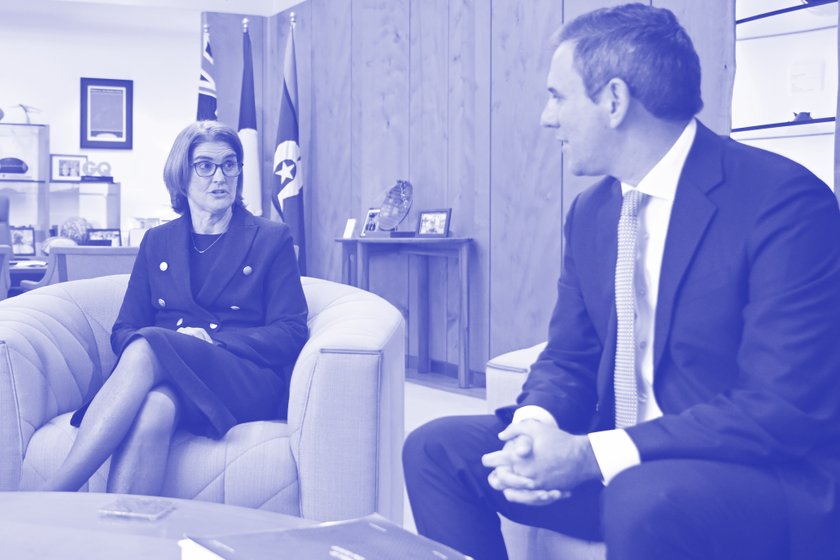
Unemployment may edge higher, but leading economists sill think the jobs market will remain tight.

Inflation figures from the US and results from some of the biggest names on Wall Street are likely to dictate markets, but new spending data will keep local economists busy.
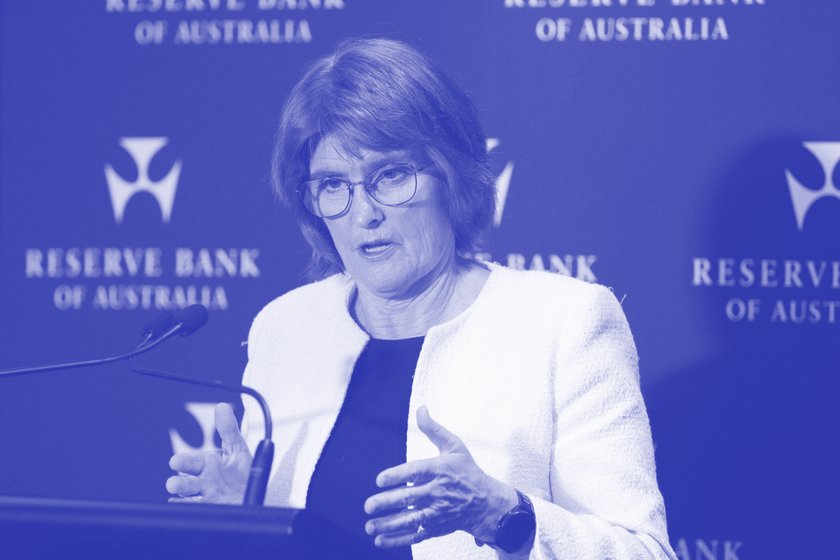
Growth is expected to hit cyclical peak this year, but economists are split on the future path of interest rates with the inflation battle set to continue.
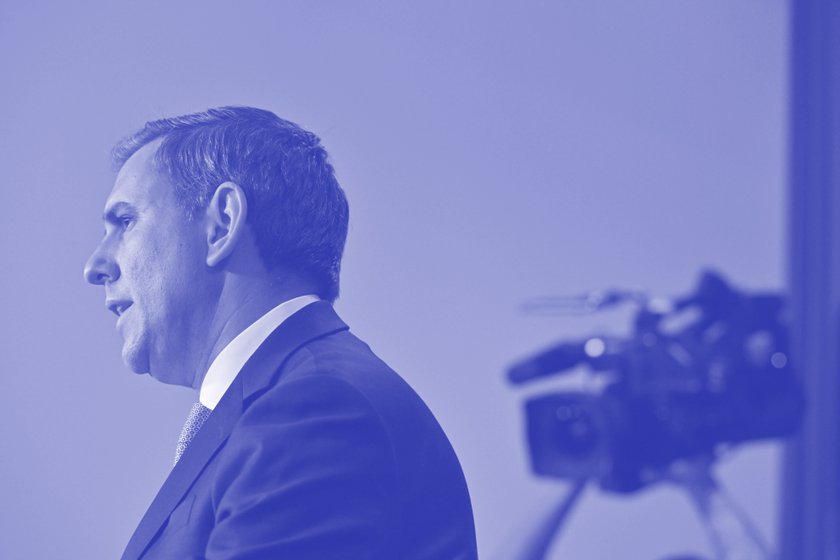
Economists are unlikely to be persuaded that a better-than-forecast deficit for 2025-26 confirms the budget is back on track.

Some of the nation's top economic forecasters disagree about the future rate trajectory, with some still tipping two rate cuts in this cycle and others a string of rises.
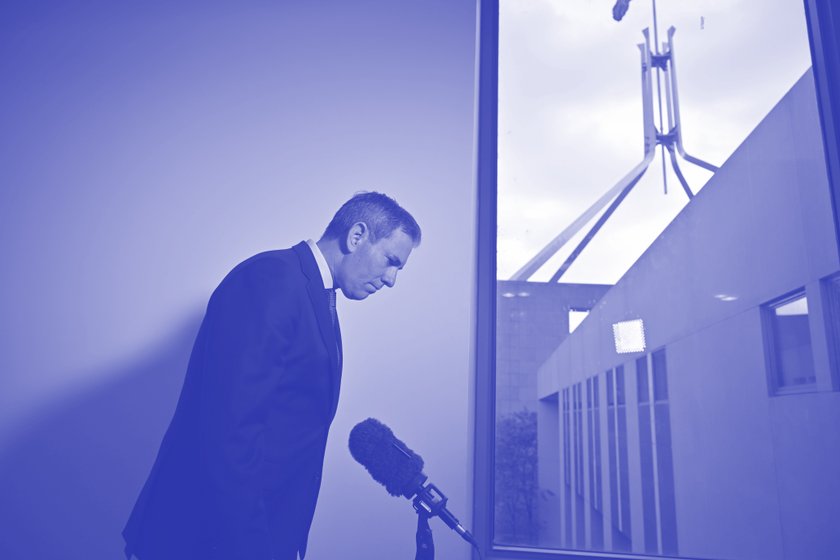
With inflation sitting higher than the Reserve Bank would like, the risks of economic growth being too strong are front of mind once again.
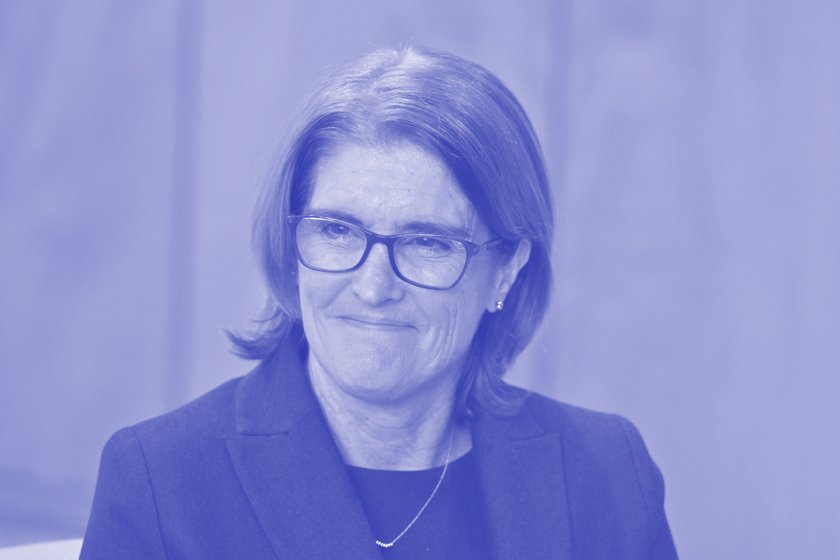
The ABS will release full CPI data in a monthly format for the first time, providing new insights into the economy but adding to the complexity facing the RBA as it charts a future course for rates.

Reserve Bank officials will speak this week and the first serving of new monthly inflation data will be released as economists piece together what might happen next for rates.

The Reserve Bank is increasingly facing a challenge between maintaining full employment and keeping inflation in the target band.

Last week's inflation spike shocked the market, but is it really a sign the rate cutting cycle is over?
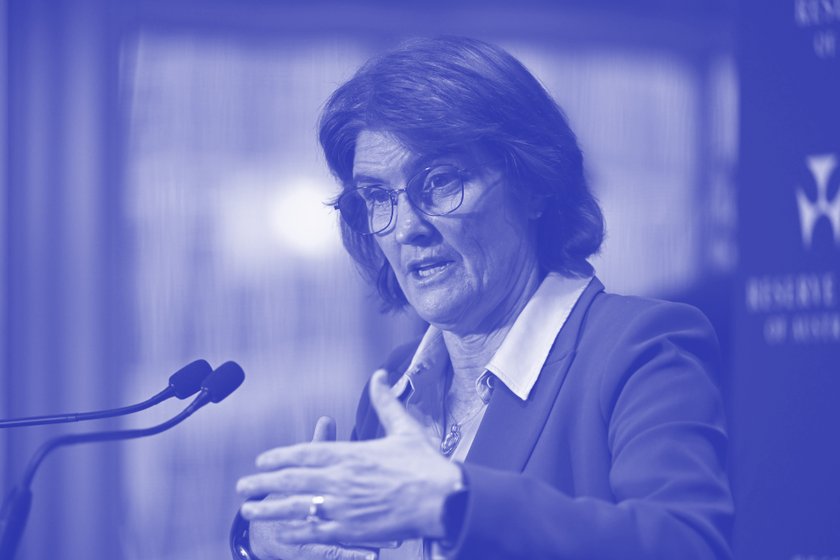
CPI figures to be released this week represent the final piece of the puzzle before the central bank meets on Melbourne Cup day.
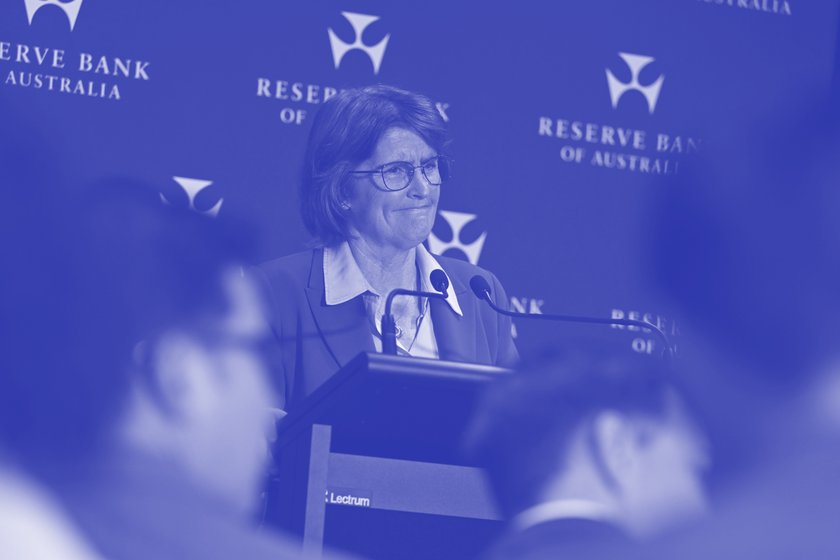
Anthony Albanese and Donald Trump are having a sit-down meeting at last. Meanwhile, the Reserve Bank will feel the heat over last week's unemployment spike.

Joblessness is tipped to hit 4.3%, and the Reserve Bank's top officials will have a chance to send fresh signals to rate watchers.

The central bank will be centre stage as a host of regulators appear at Senate Estimates at a time when rising property prices are again in focus.

The RBA's interest rate decision headlines the week in economic data, but for many observers they key question is whether a November cut is still on the cards.

The Reserve Bank governor Michelle Bullock will also appear before a committee in Parliament, but it will likely be overshadowed by events abroad.
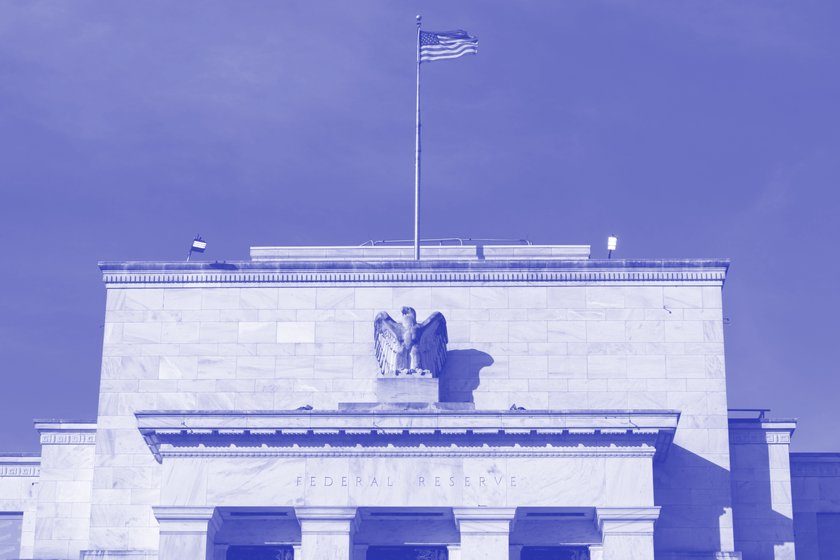
Many central banks will meet this week but the most critical decision sits with the Fed.

International turbulence is set to dominate the week ahead for economy-watchers.
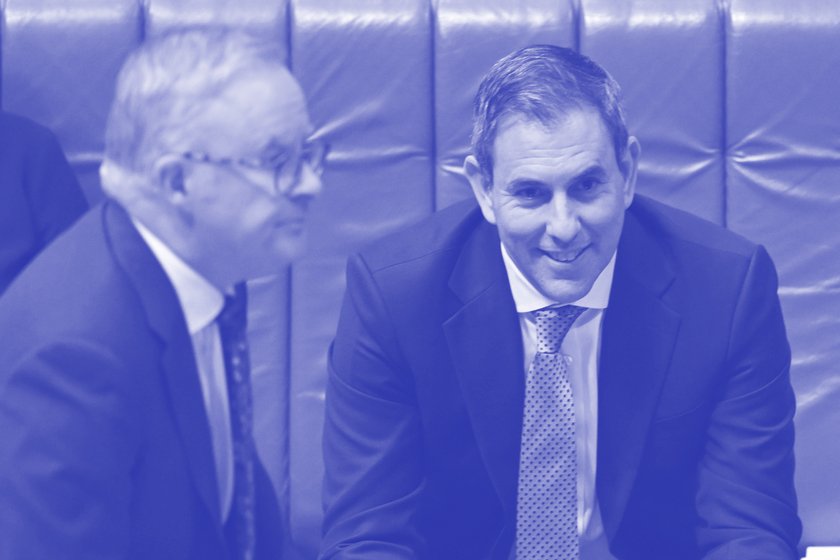
The release of the national accounts this week will serve as a report card for the economy. Some analysts are concerned.

With the economic roundtable in the rear view mirror, the government is back to facing questions about its plans to tax high-value super balances.

Your email address will be stored in accordance with our privacy policy.