Pitching the Tasmanian tiger to investors
Ben Lamm’s ‘de-extinction’ company Colossal has been valued at US$1 billion. But what’s the business case for resurrecting extinct animals?


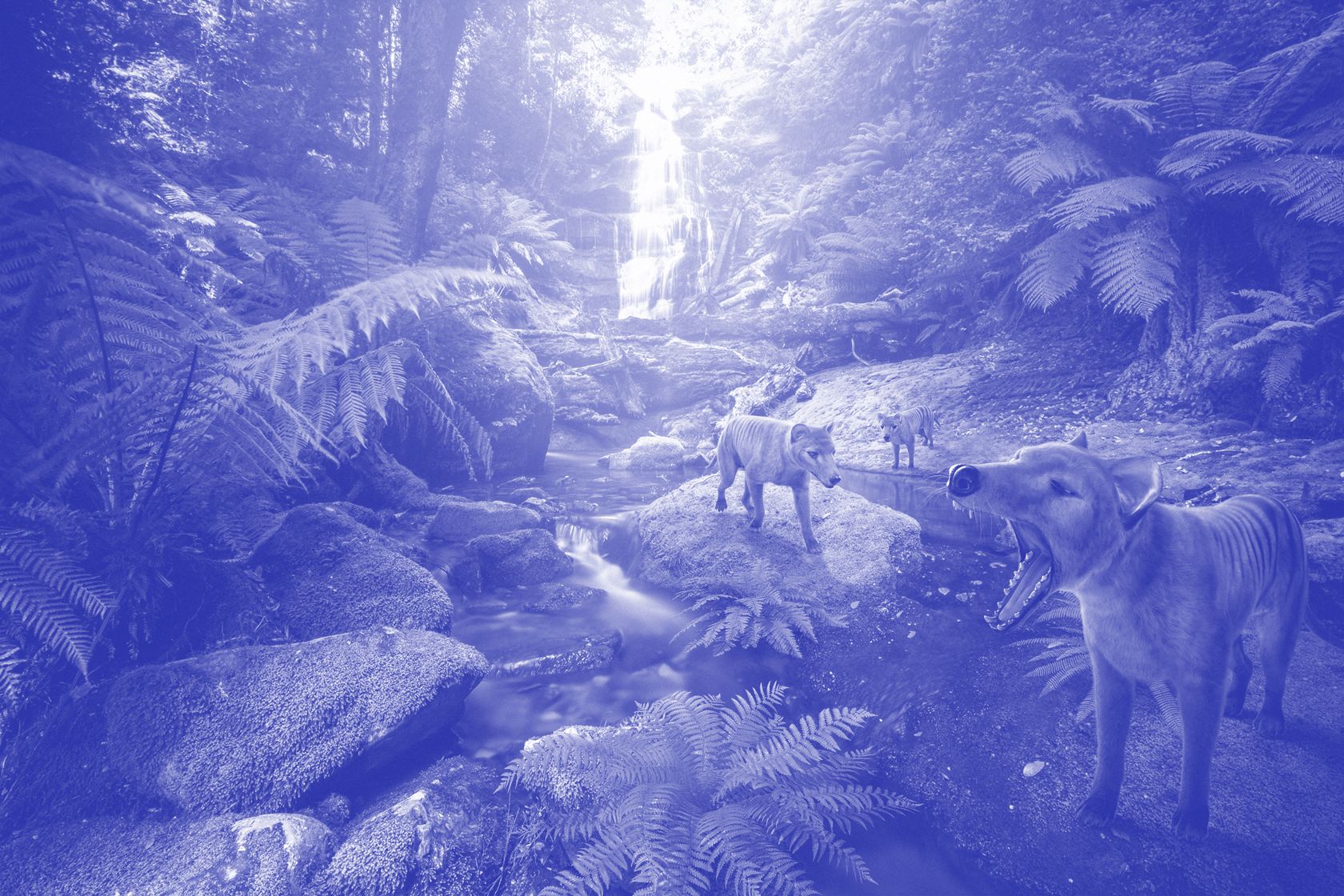
When Ben Lamm walks into a room of investors, chances are he’s only a few minutes away from uttering the words “woolly mammoth”, “dodo” and “Tasmanian tiger”. He’s probably about to present a pitch deck with photos of them too.
That’s because he’s started a company with lofty, if not deific, ambitions to bring these long-extinct species back to planet earth. The path to get there is highly complex, but the mission is clear: combat depleting biodiversity through the reintroduction of extinct keystone species.
The first Tasmanian tiger, or thylacine, since it was driven to extinction in 1936, will be birthed through a series of unprecedented steps, from constructing a thylacine genome using DNA extracted from various preserved remains of the species, to developing a fully formed thylacine embryo and implanting it into a surrogate (most likely its closest living relative, a mouse-like marsupial called the fat-tailed dunnart).
While the mission for the woolly mammoth is to help restore the Arctic grasslands and slow the release of carbon and methane from its thawing permafrost, the thylacine’s task is to reduce “trophic downgrading” in Australia — a cascading effect down the food chain when an apex predator is removed from an ecosystem.
