Biotech
Biotech leaders such as Brandon Capital’s Chris Nave are concerned the sector lacks political clout as changes to R&D tax breaks get lost in the fight over CGT.

Australia needs to develop new, high-tech industries. But critics warn the 2026 budget will inhibit growth by punishing risk-takers.

The $2 billion medical imaging company and ASX market darling transformed itself in the space of 48 hours this week, with a geography expanding acquisition and a major product release.

The Sydney firm will open a US-based research institute and seek to make five to 10 business investments in the untapped peri- and post-menopause healthcare market.
The proposed 10-year RDTI cap misunderstands the long commercialisation timelines behind biotechnology and medical technology.
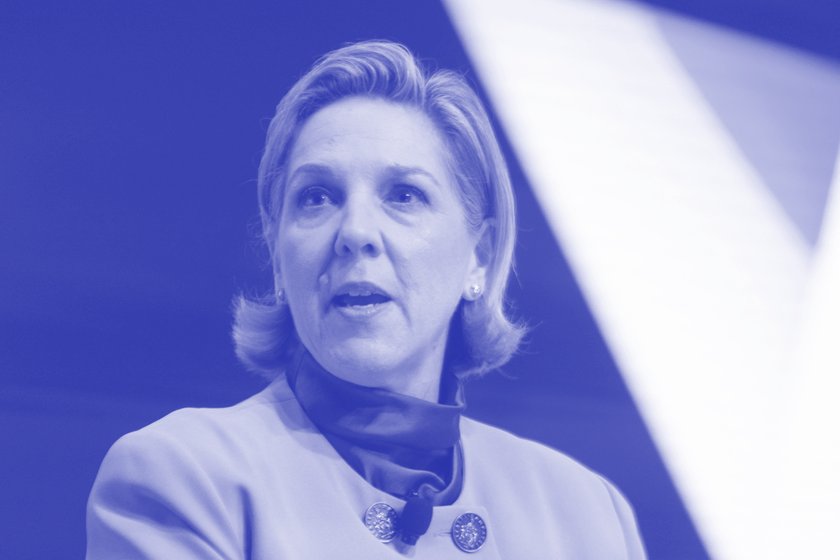
Deep tech firms can spend decades on R&D before earning revenue. These companies argue the proposed tax incentive age cap could cut them off mid-flight.
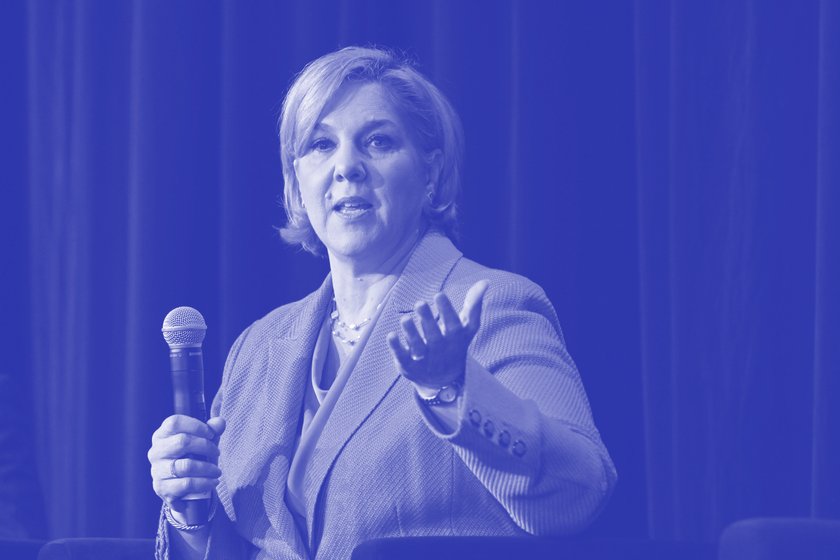
The Tesla chair conducted a sweeping review of Australia’s R&D incentives. But even she didn’t expect the change in last week’s budget that has blindsided the biotech and deep tech sectors.
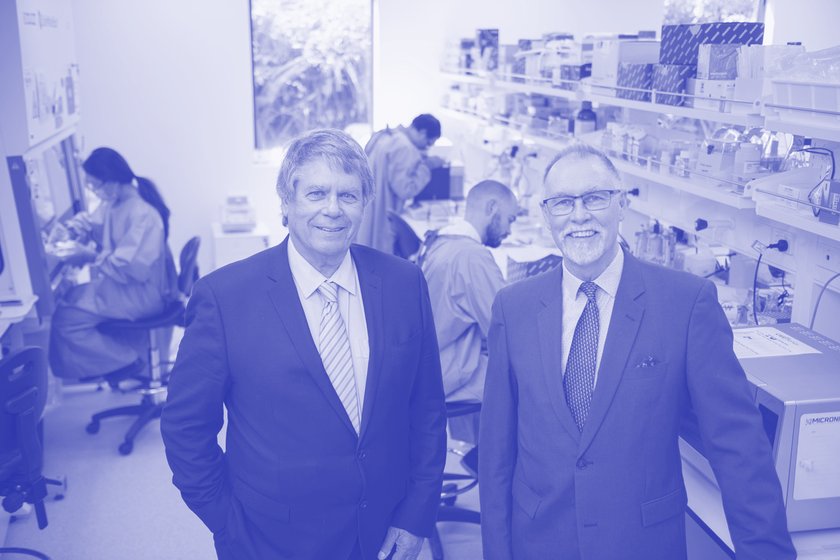
A little-noticed budget measure capping the refundable R&D tax incentive at 10 years threatens to cut off Australian biotech companies at the moment they are most expensive to run.
The biotech giant delivered a hammer blow of a guidance downgrade on Monday morning. Shareholders wanted it three months ago.

After more than 20 years developing its blood cancer immunotherapies, HaemaLogiX is preparing to kick off its IPO next week. Unless Trump’s Iran war gets in the way.
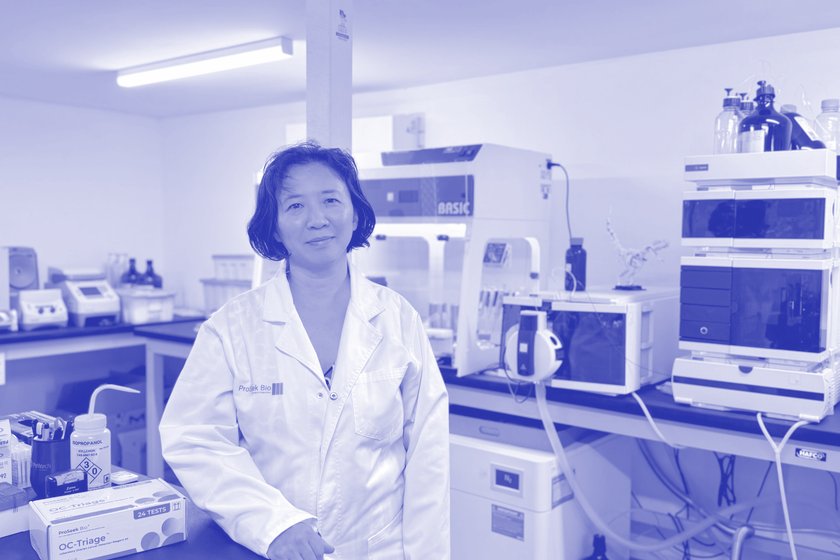
Up to 80% of surgeries for women with suspected ovarian cancer turn out to be unnecessary. Proseek Bio wants to change that.
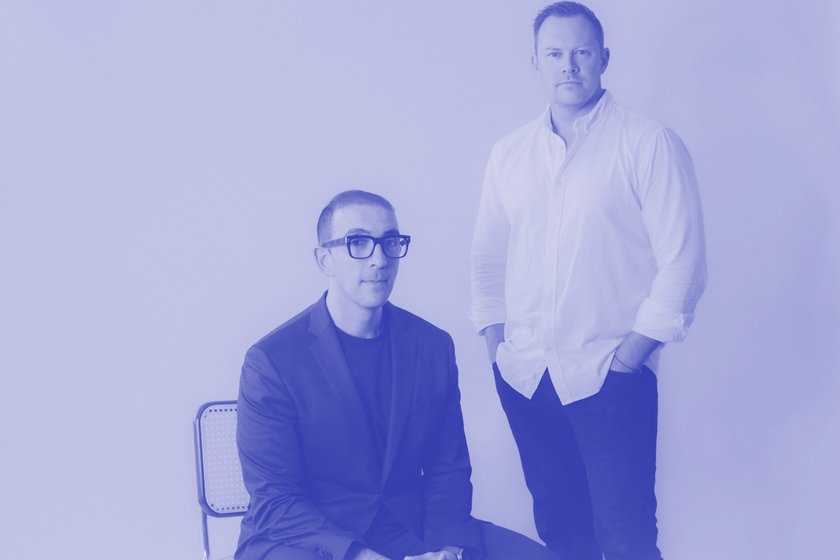
US-based Superpower is licensing Australian nasal spray technology from an ASX-listed biotech, and funding clinical research Big Pharma won’t touch.
Analysts are concerned the fumbled announcement of McKenzie’s abrupt departure the night before CSL’s first-half result may be an ominous sign.
