
The energy transition will take hundreds of billions of dollars and decades to achieve. Private capital won't be able to fund it alone.

Your complimentary access ends . To keep reading without interruption, subscribe today.

Economics correspondent
Jennifer Duke is the associate editor for Capital Brief. She is a Walkley Award winning journalist with more than a decade's experience, specialising in economics, business and finance. She has worked for The Sydney Morning Herald and The Age as economics correspondent and as a business journalist.
Contact Jennifer via email or Signal.
The energy transition will take hundreds of billions of dollars and decades to achieve. Private capital won't be able to fund it alone.
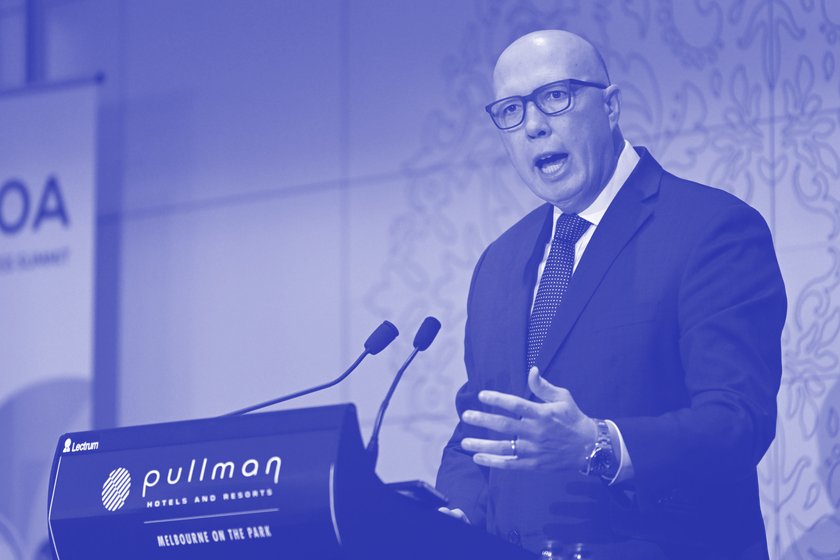
Backing small business is hot right now. But the big corporates versus small enterprise fight might be the creation of politicians, not business owners.
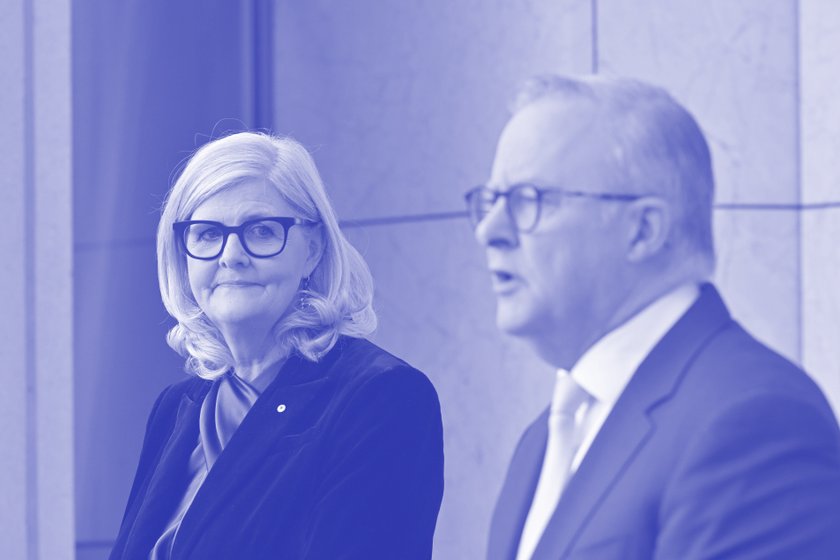
The choice of Samantha Mostyn to be Australia's next governor-general is very on brand for Anthony Albanese.
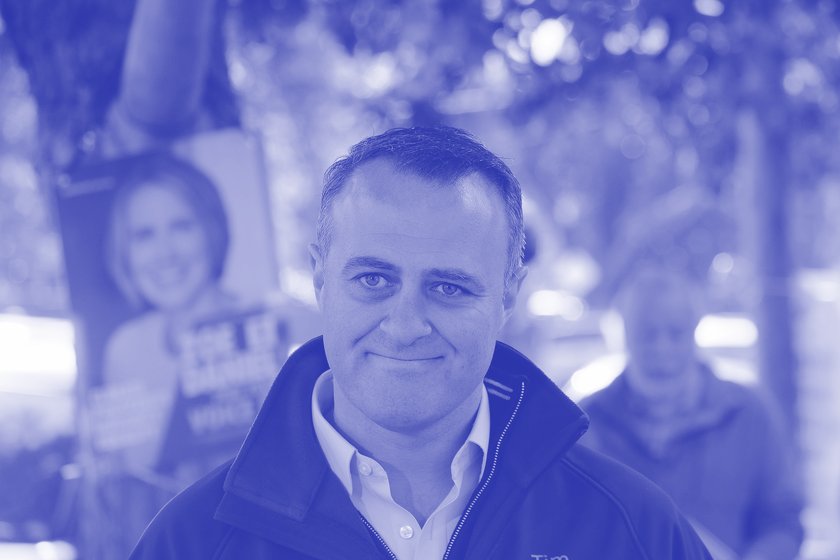
The former MP, who's again running for the Melbourne seat of Goldstein, isn’t up for much media right now. That’ll surprise those who knew him during his time in parliament.

In 2019, UNSW professor Gigi Foster was named Young Economist of the Year. Today, the Yale-educated academic says few of her peers will even speak to her.
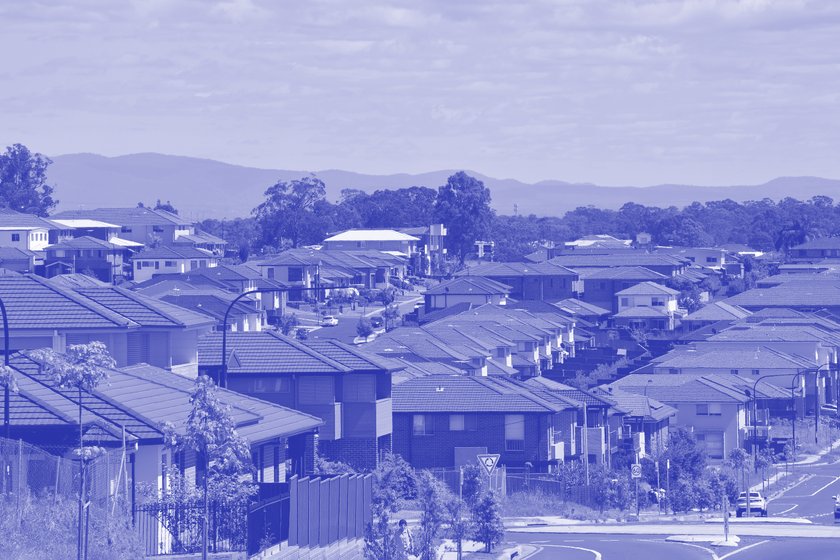
There's no doubt interest rates affect the property market, but how it looks each cycle can vary.

Up to 1 million small businesses in Australia aren't profitable. Small business lobby group COSBOA has a wishlist of measures it thinks could help many survive.
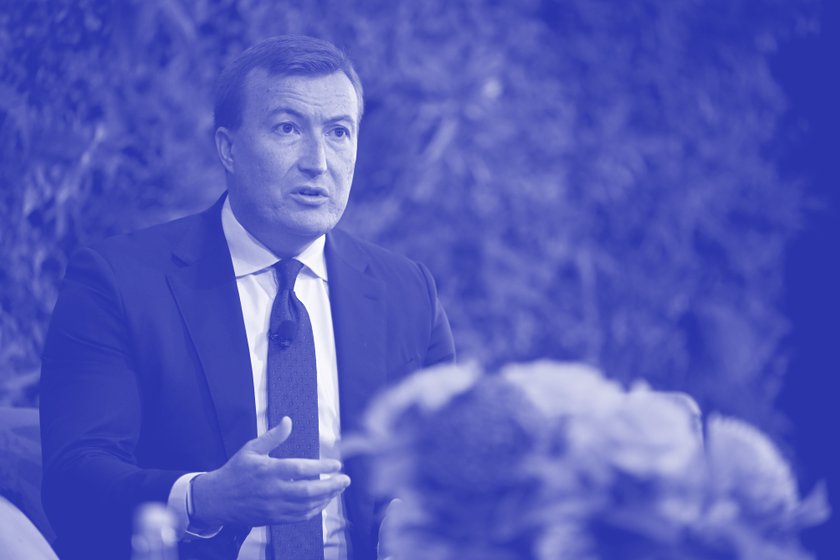
There's a growing sense the relationship between Corporate Australia and Big Tech has never been frostier.

With one eye on the election, Prime Minister Anthony Albanese became deeply involved in Labor's backdown on vehicle emissions standards two weeks ago.
The sun was shining on the markets this week. But should they be preparing for the possibility of floods?
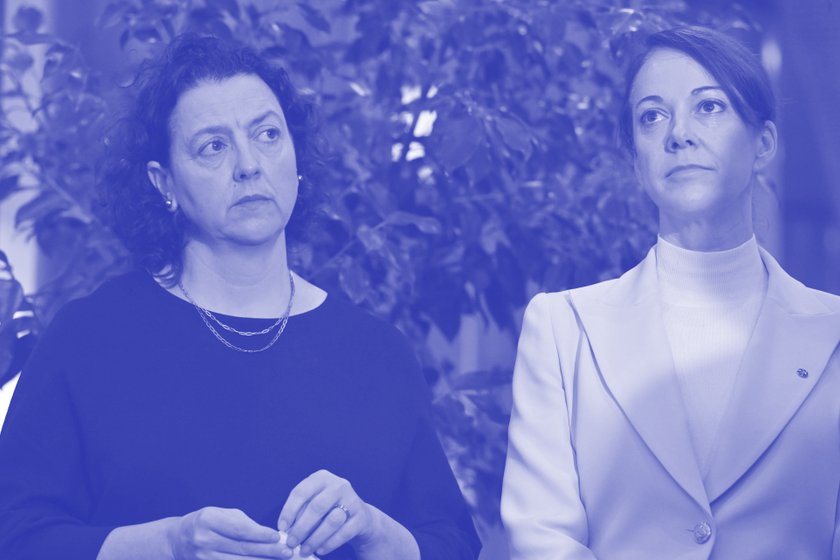
The factors holding back the energy transition are strikingly similar to those holding back tax reform. Might the solution to both be the same?
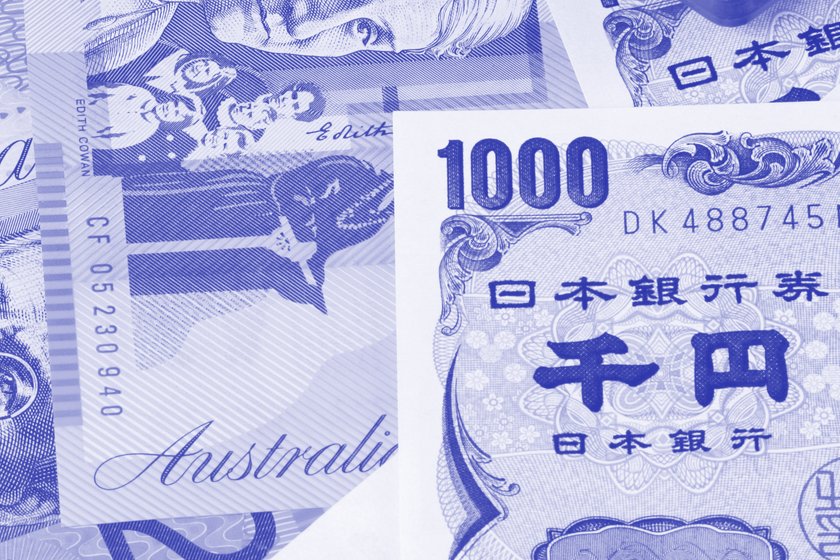
In a historic move, the Bank of Japan today finally ended its negative interest rates policy. The RBA, meanwhile, kept rates on hold — and isn't expected to make its own move for many months yet.
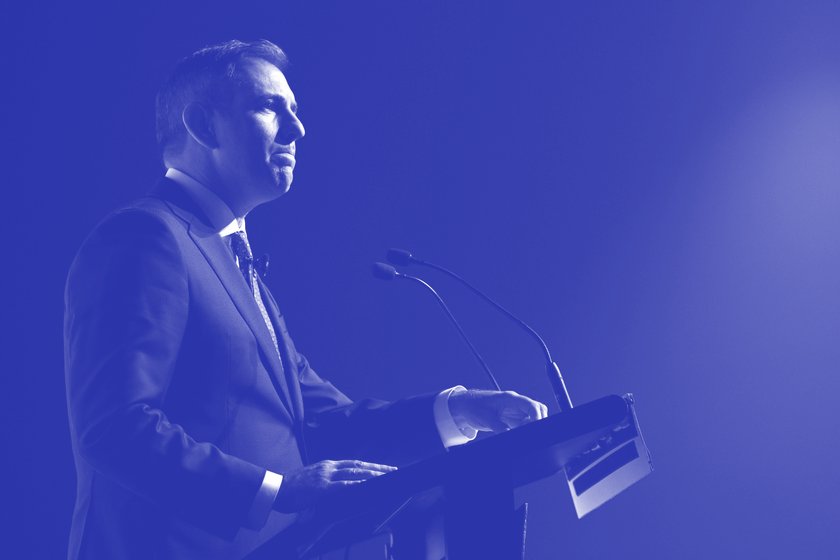
Jim Chalmers is expected to hand down his most boring budget yet. But there may be bigger policy changes on the horizon.
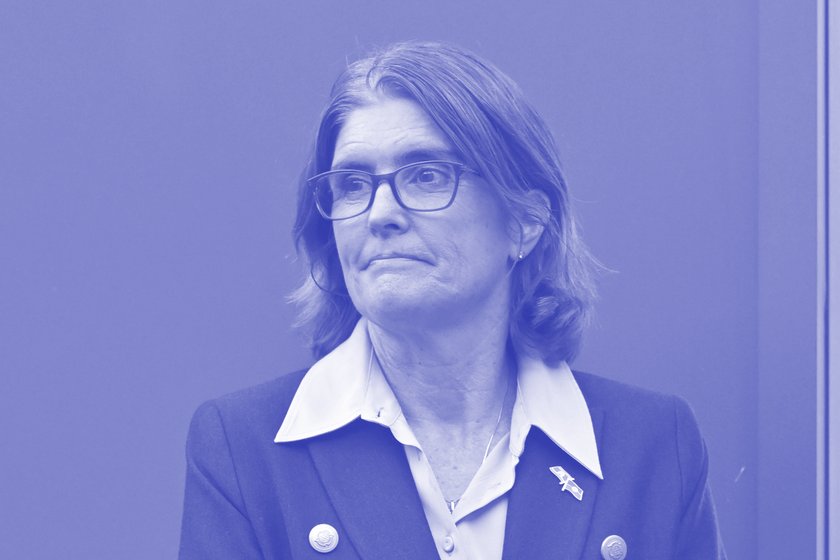
The RBA is expected to keep rates steady this week, but markets pricing in near term cuts could be in for a white-knuckle ride as political and economic forces collide.
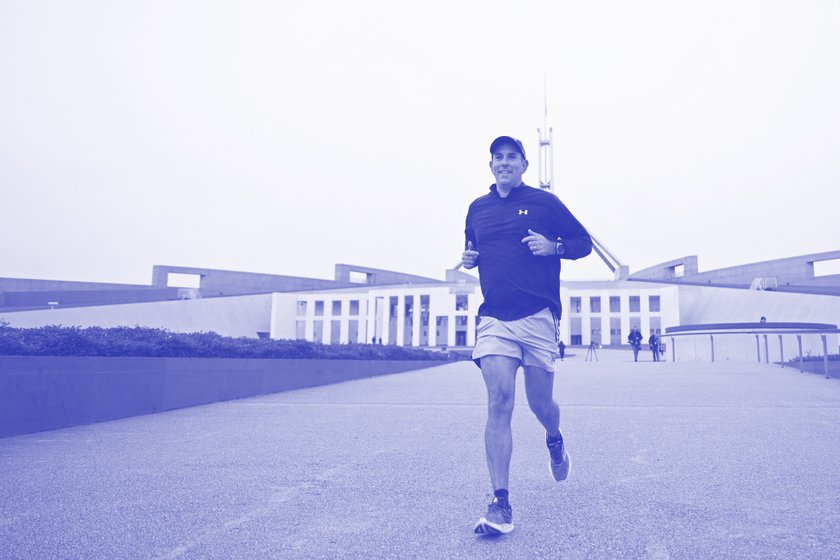
Can a tough Budget help the Australian economy get lean and ripped?
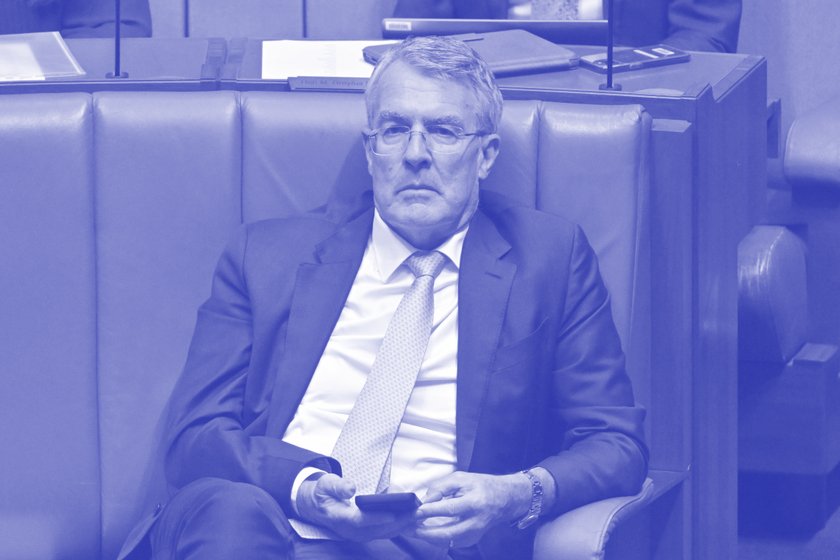
The Albanese government wants to create new civil penalties for doxxing, but working out how to do it without unintended consequences is already proving to be a challenge.
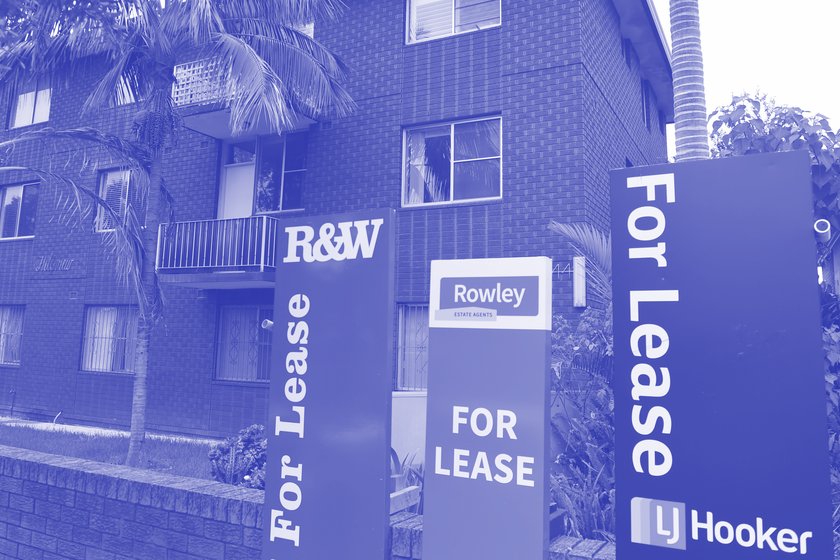
Labor is facing increasing pressure from its left-flank to do more for Australians struggling the most.
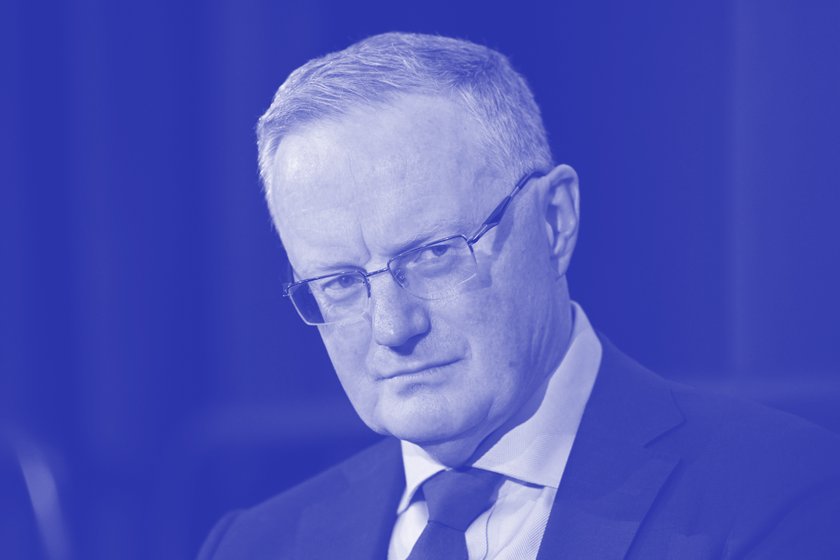
Former RBA governor Philip Lowe has been the villain of the economic narrative for the past two years. Might he finally get his redemption arc?

Australia’s productivity growth is languishing. Tech Council of Australia CEO Ryan Black thinks the tech sector holds the solution.
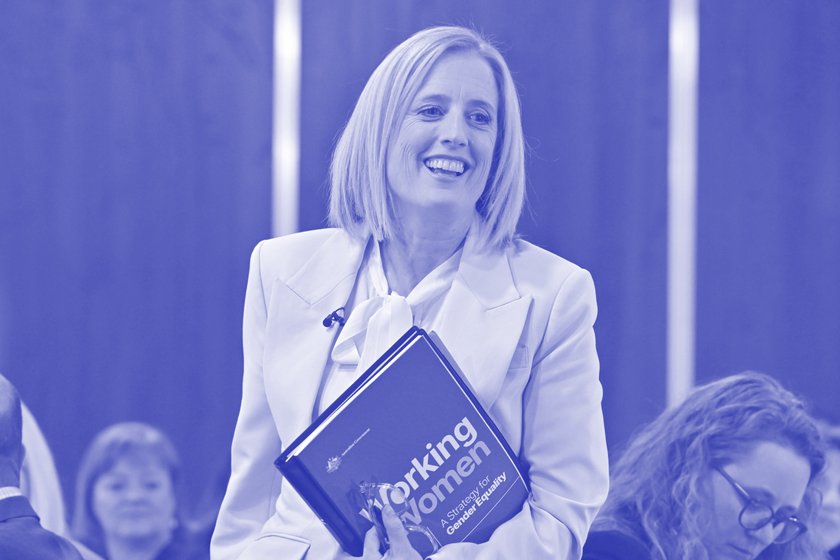
Katy Gallagher wants to stop jobs in the new economy from being as divided along gender lines as those of the past.
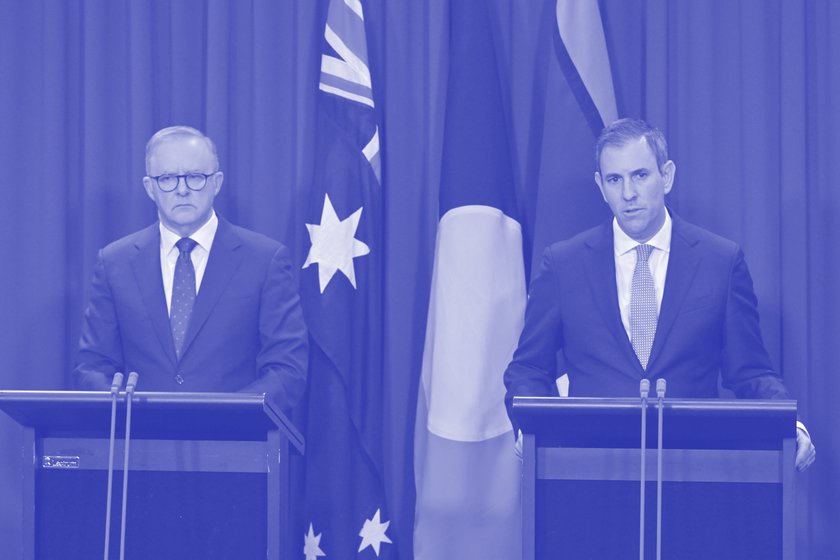
Labor’s success in the Dunkley byelection showed that the stage 3 tax cut changes were a winner with suburban voters. But the cost of living crisis may not dominate politics for much longer.
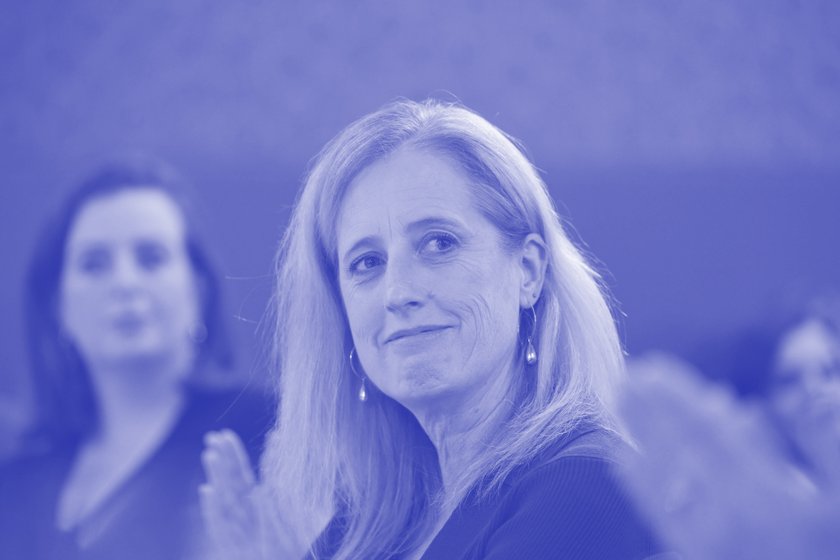
The government has long said it supports paying super on government-paid parental leave. It's now putting its money where its mouth is.
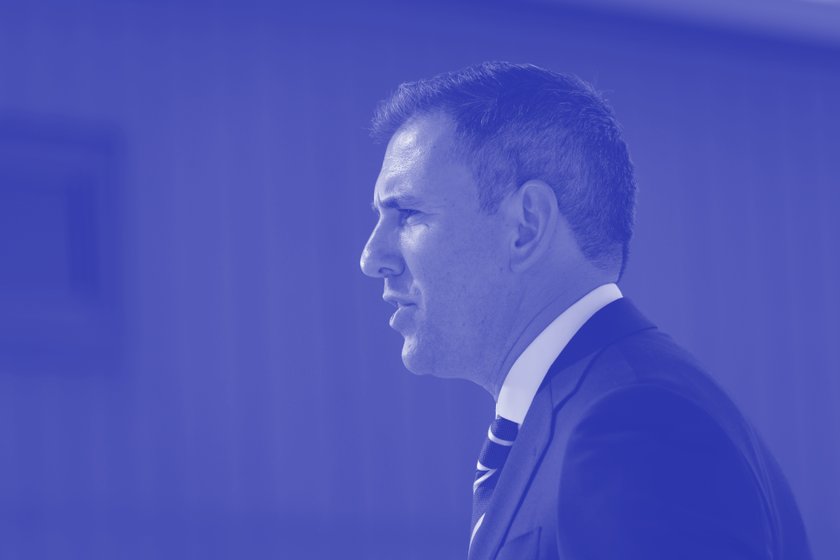
There is a lot of pain in the economy and this poses a challenge for the May budget.

The Australian economy may have posted smallest expansion on an annual basis this millennium, or possibly even since the 1990s downturn.

IFM Investors is the biggest infrastructure investor in Australia. Its chief economist warns that offshore opportunities in green energy are likely to drag money out of the country unless the government provides a clear plan for the transition.
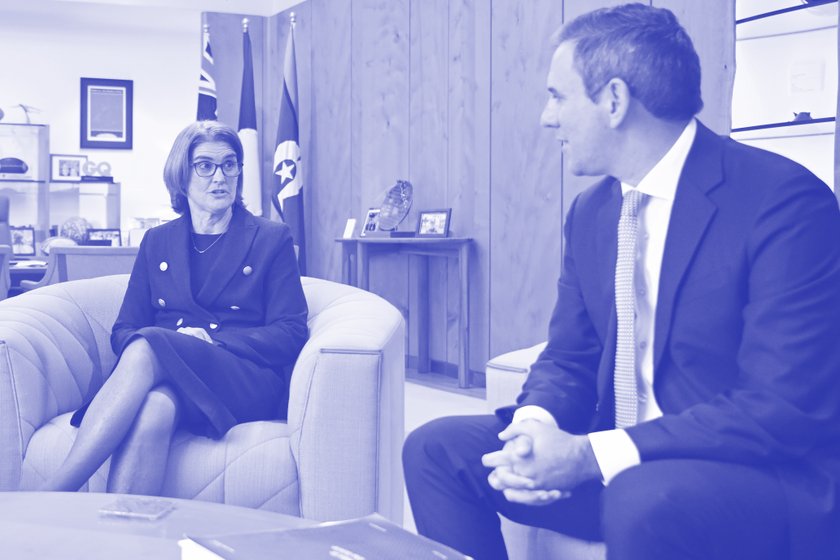
The Reserve Bank’s rate rise in November wasn't a surprise but for many it was an irritation. With inflation now slowing quicker than expected, debate is raging about whether the central bank has pushed too hard.
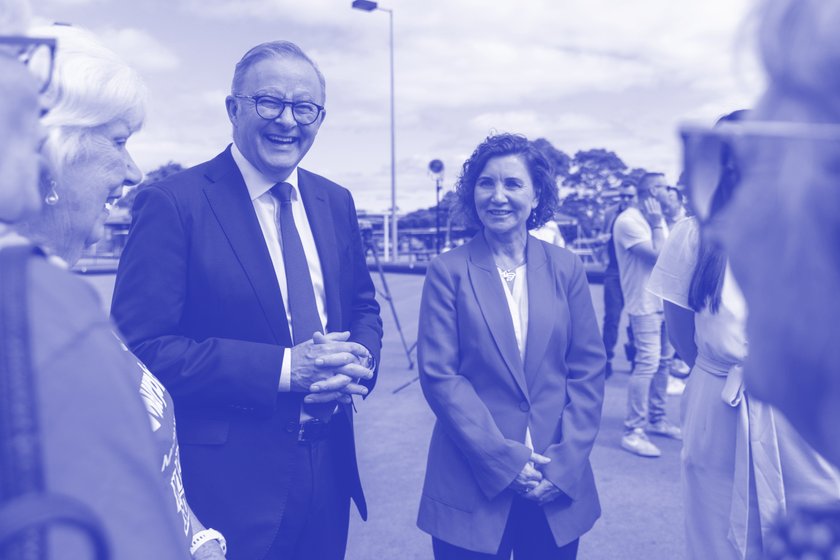
As voters in the southeast Melbourne electorate prepare to go to the polls on Saturday, the major parties have been aggressively talking down their prospects.

Naming and shaming big businesses is one way to respond to new pay gap data. But top economists say government shouldn't be off the hook.
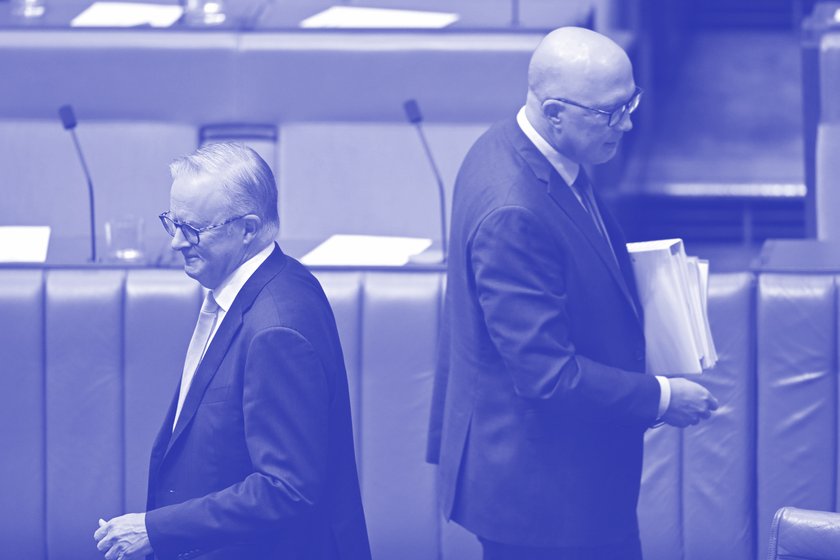
Victorians are being swamped with bombastic social media advertisements in the lead-up to the Dunkley byelection. It could be a signal of what to expect for the federal election.
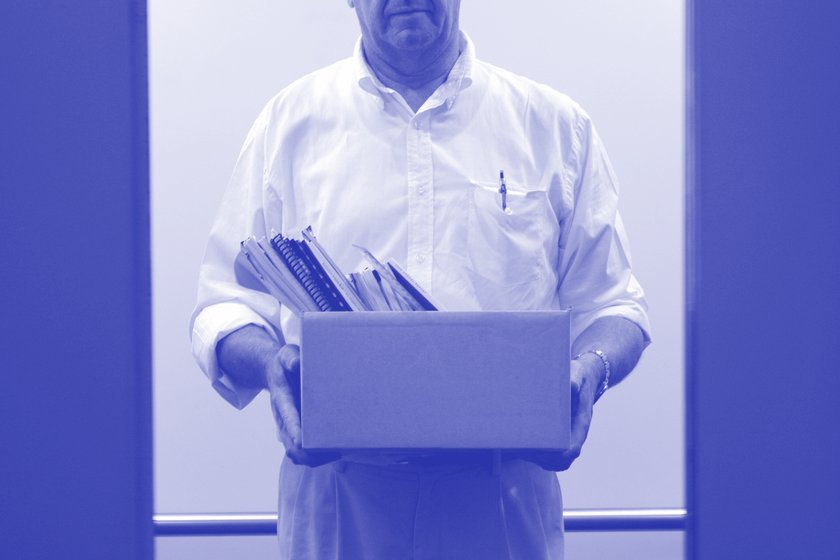
The unemployment rate is going to rise. But businesses will continue to struggle to find talent. This poses a big challenge for the government ahead of the May budget.

Your email address will be stored in accordance with our privacy policy.