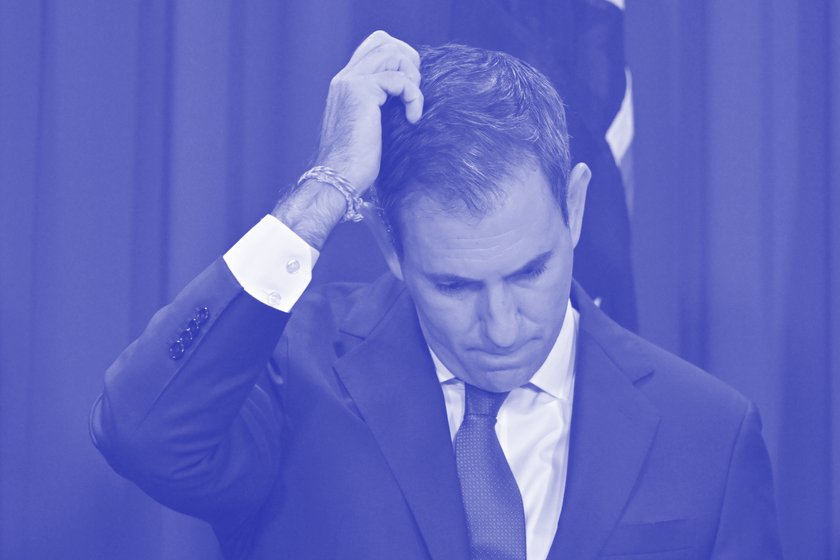
Two internal documents reveal the government contemplated changes to the tax cuts that begin in July.
Your complimentary access ends . To keep reading without interruption, subscribe today.

Economics correspondent
Jennifer Duke is the associate editor for Capital Brief. She is a Walkley Award winning journalist with more than a decade's experience, specialising in economics, business and finance. She has worked for The Sydney Morning Herald and The Age as economics correspondent and as a business journalist.
Contact Jennifer via email or Signal.
Two internal documents reveal the government contemplated changes to the tax cuts that begin in July.
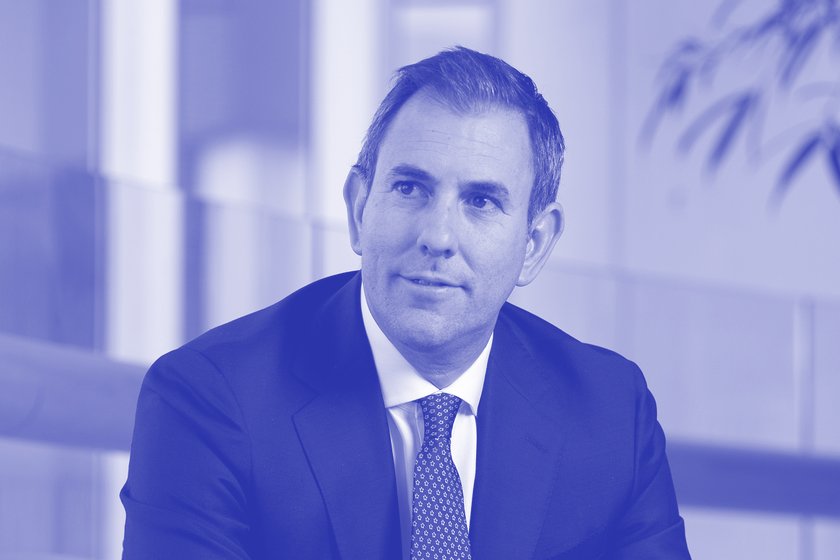
In his first press conference of the new year, the treasurer highlighted Australia’s wage growth as he cautioned that progress in the fight against inflation isn't a 'straight line'.

Picking up on global trends and thinking ahead is bread and butter for the chief economist at Betashares, a fund manager that specialises in ETFs.

The prime minister all but conceded this week that he needs to turn things around next year. The question is, how?

Temporary supply shocks halfway round the world typically don’t worry Australian economists too much. But the Red Sea attacks are different.

A significant portion of the Australian public will have empty pockets in early 2024, in what regulators believe will be a gloomy year for the economy.
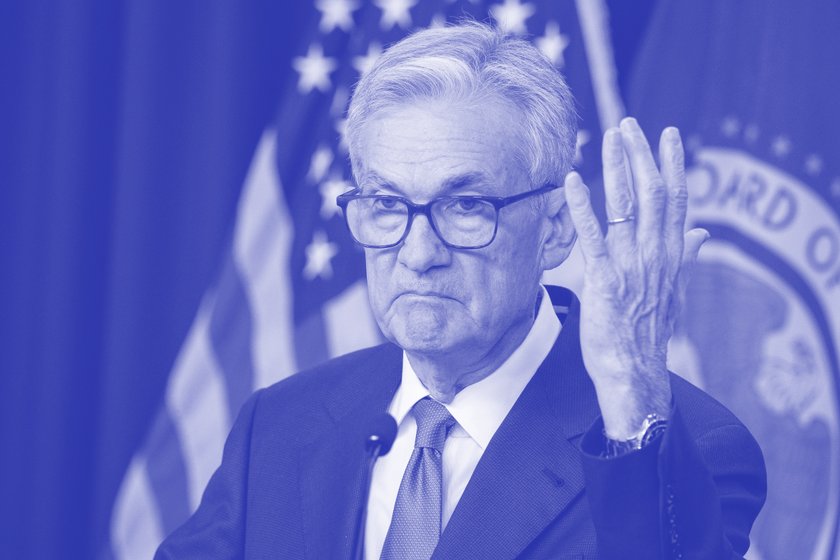
The RBA probably won’t be too far behind the US in the switch from tightening to an easing cycle. But, to quote the Fed's Jerome Powell, it's "far too early to declare victory”.
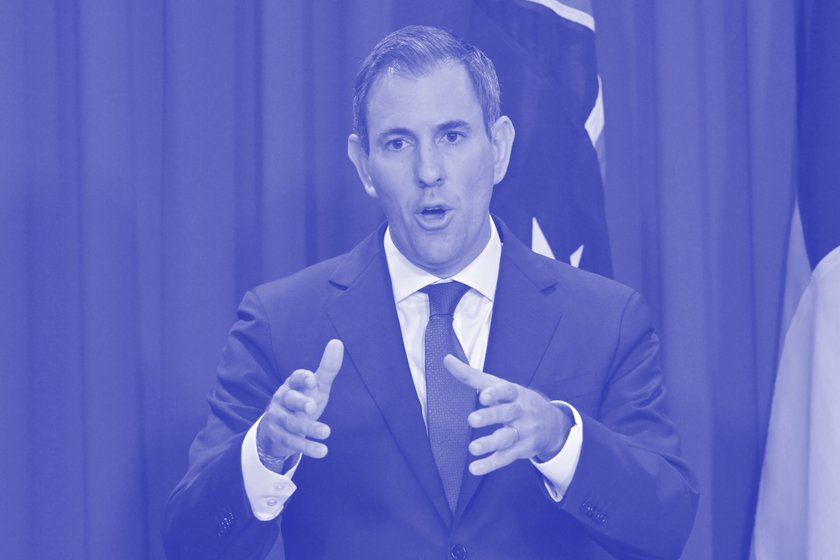
Jim Chalmers is holding off on cost-of-living relief now in the hope that he can be kind next year.
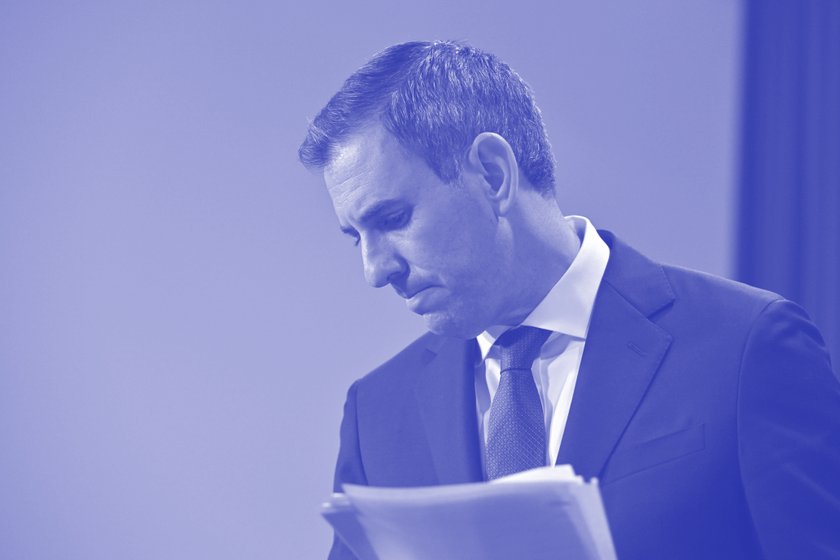
The government will bank nearly $10 billion in budget savings to avoid stoking further inflation.

The Albanese government's new migration strategy promises to reduce the number of arrivals in Australia. Now comes the hard part: making it work.
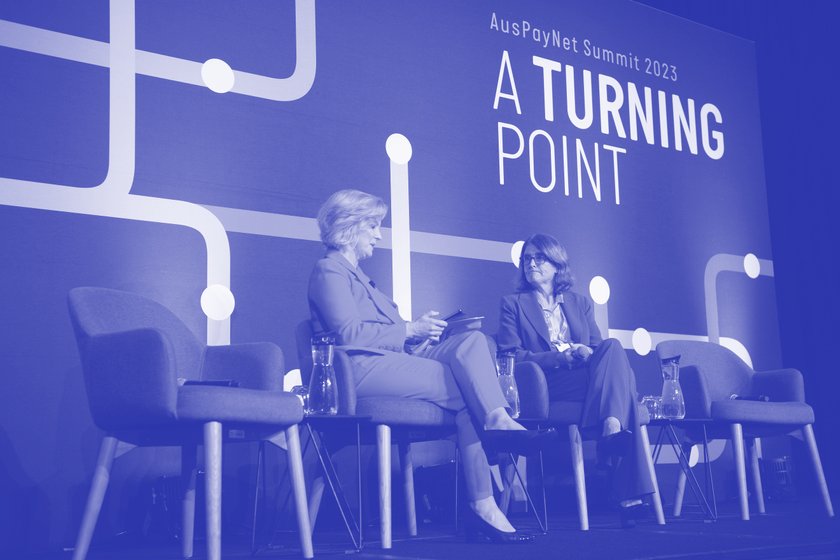
It's been a difficult year for many Australians, with rising prices and interest rates putting a strain on budgets. But the RBA thinks it could improve in 2024.
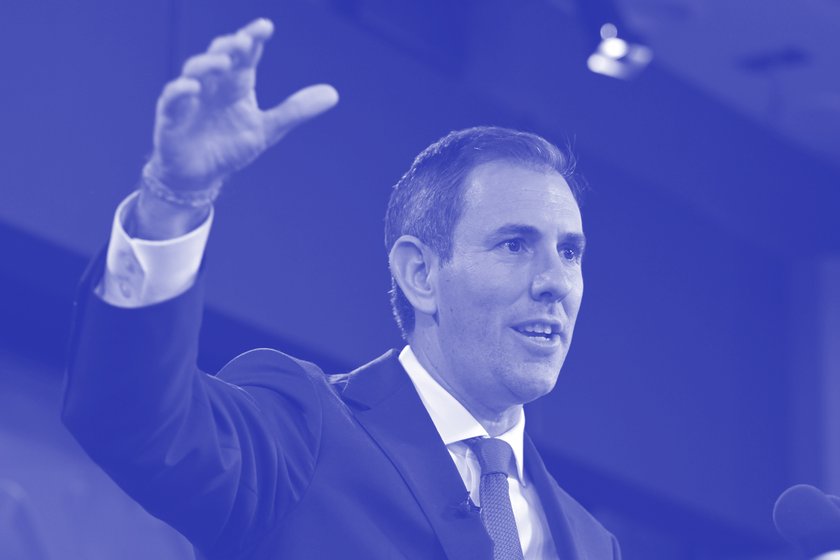
Actions speak louder than words, even in politics. But with cost-of-living relief all but ruled out ahead of next week’s MYEFO, Treasurer Jim Chalmers may have to do the heavy lifting with his language alone.
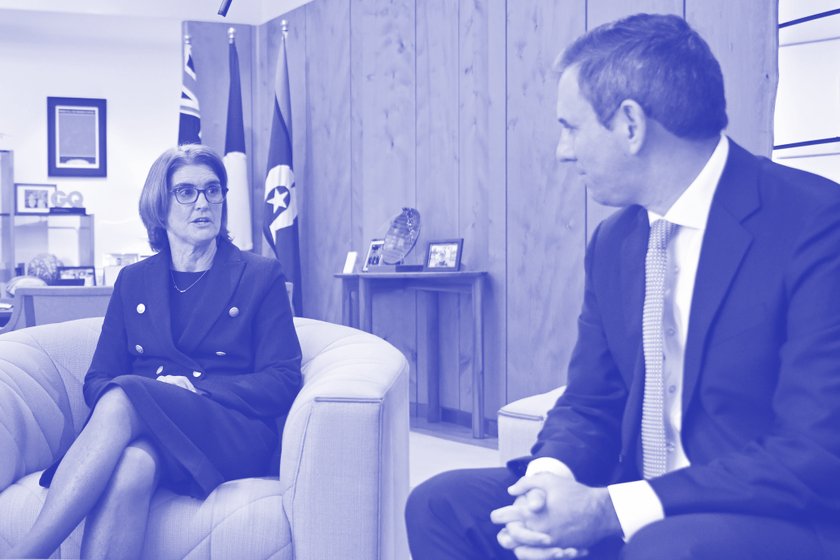
The Australian economy "hit a wall" in the September quarter, which is fuelling criticism of the RBA's interest rate hikes.
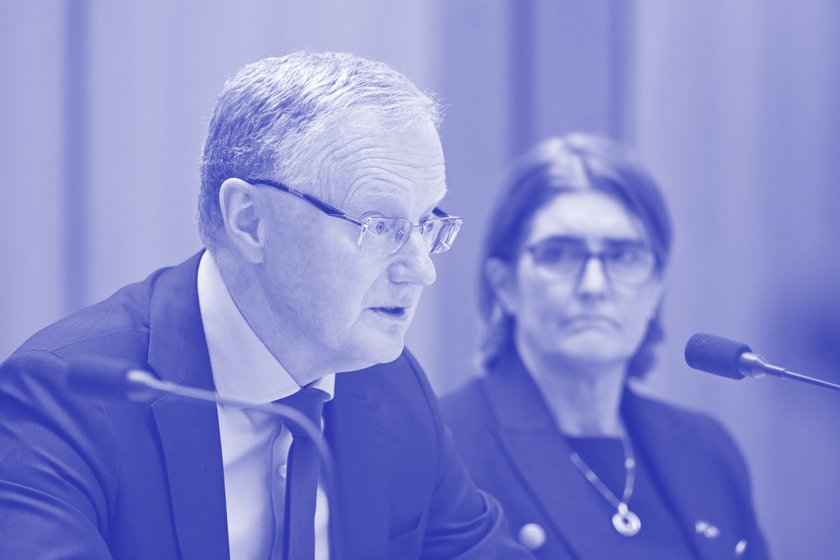
Philip Lowe's comments about interest rates at an event in Hong Kong have been criticised as inappropriate at a time when his successor is still dealing with the inflation challenge.
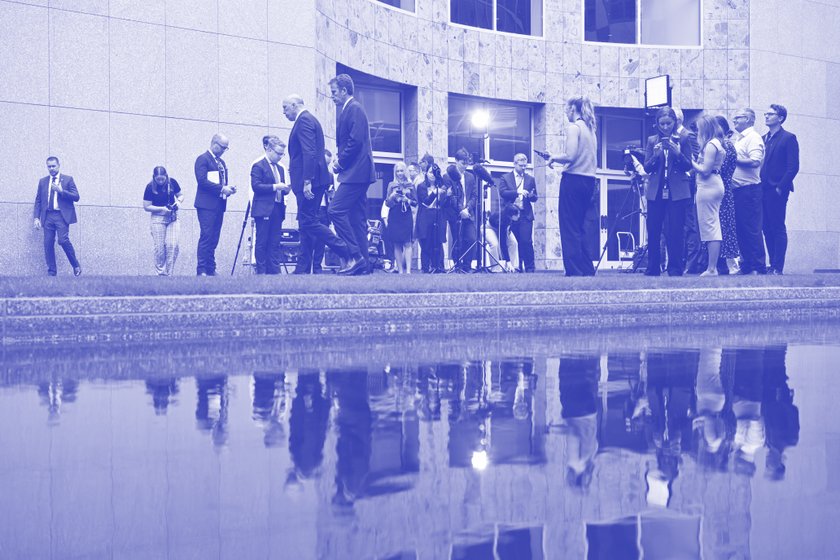
A centrist economist's disdain for the public broadcaster's economics coverage highlights simmering industry tensions over the way immigration and inflation are being covered.

It has taken a hot minute and a lot of rate rises to slow down inflation. What this actually tells us about the effectiveness of interest rates isn't so clear cut.
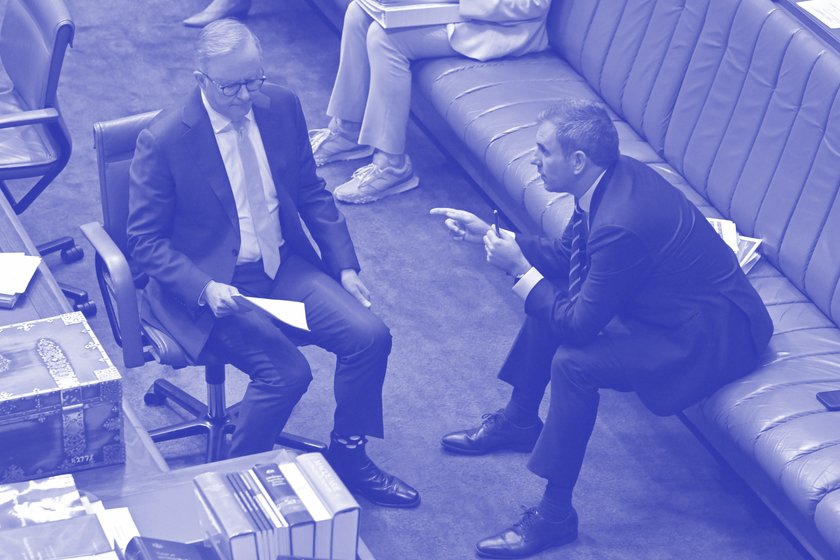
Anthony Albanese and Jim Chalmers are damned if they do and damned if they don't on cost-of-living relief.

The gender pay gap has hit a record low. But there’s little improvement in women’s representation in the most senior ranks — whether that be chairs, directors or CEOs.
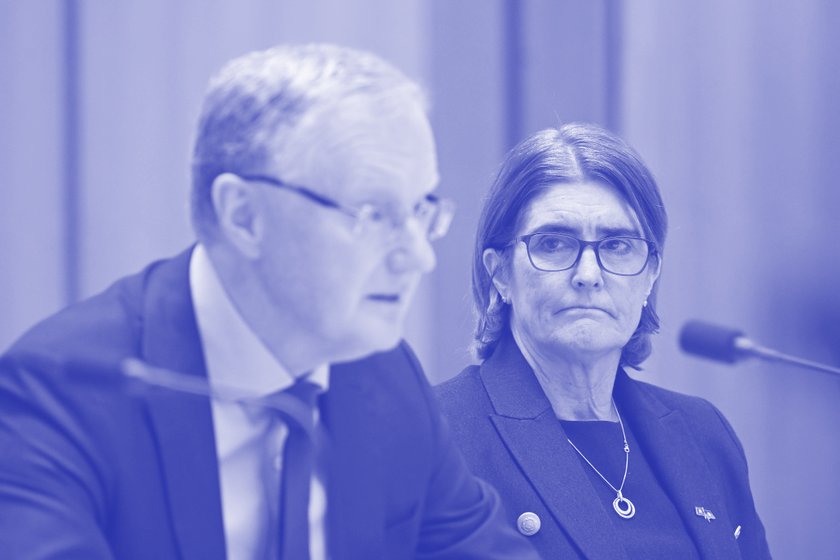
Former RBA governor Philip Lowe became a lightning rod for the public's interest rate anger. A series of changes at the central bank aim to put an end to this peculiarly Australian phenomenon.

The RBA will watching closely as Australians hunt for bargains during the festive shopping season, starting with Black Friday.

Australia's population might reach 46 million, comparable to the size of Argentina's, by 2071.
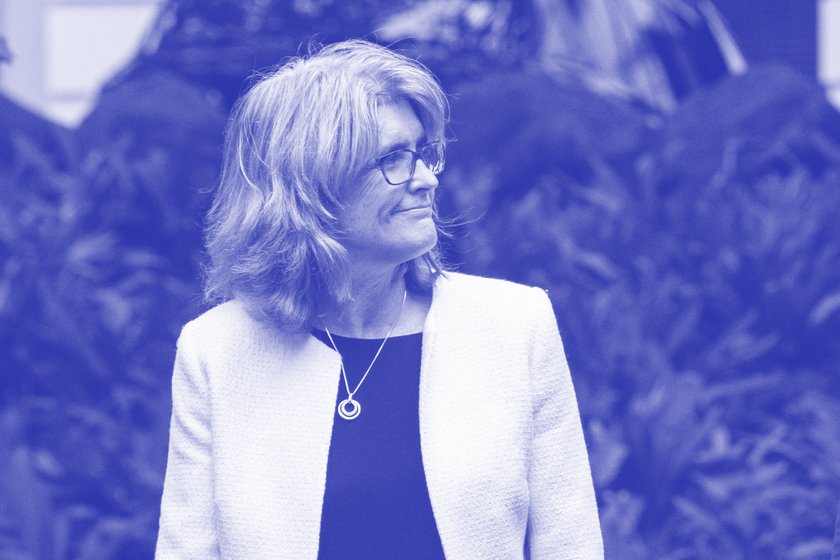
It was inevitable the Reserve Bank’s new governor Michele Bullock and cashed up baby boomer memes would meet IRL. But that didn’t make it any less cringe when it finally happened on Tuesday.
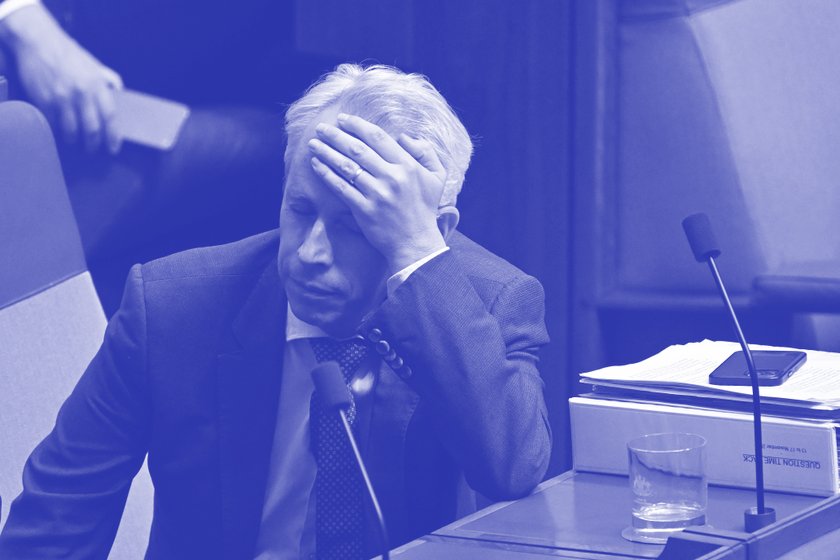
We're likely to see headlines soon about record high house prices. It would add fresh fuel to the fire in the affordability and immigration debates.

Stephen Koukoulas is best known as a high-profile economic commentator. But the former political adviser now has a side hustle selling giant multicoloured apples.

It's too early to pop the champagne but there are finally signs inflation is subsiding in the US and UK. Is there hope too for Australia?
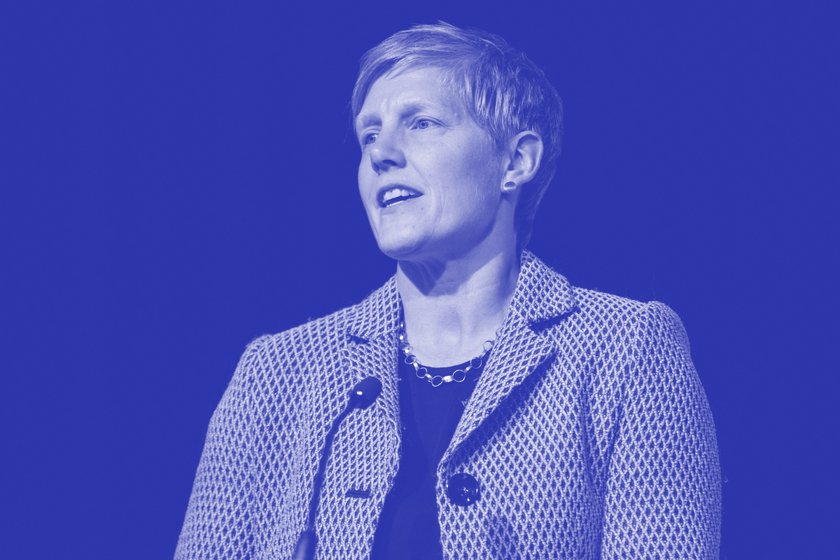
Top economists from CEDA, Goldman Sachs, the UNSW and AMP share their views on the government's remodelling of the reform focused institution.

The EY chief economist Cherelle Murphy is as fascinated with the labour market today as she was when she first came to Australia. But she says businesses today face vastly different challenges.
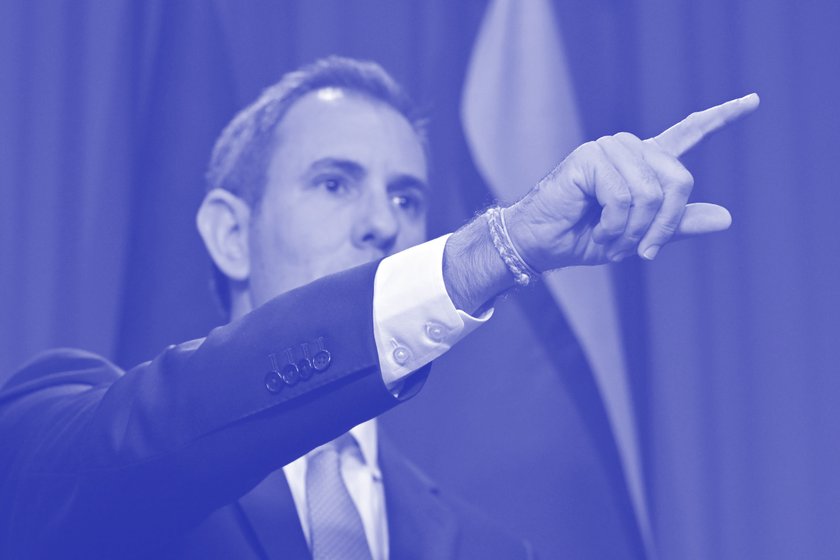
Australia's productivity growth is lagging. Should the Productivity Commission be focused on anything other than fixing it?

Women are leading Australia's top economic institutions for the first time. But senior female economists are warning we face a "distressing" future of less diversity, not more.
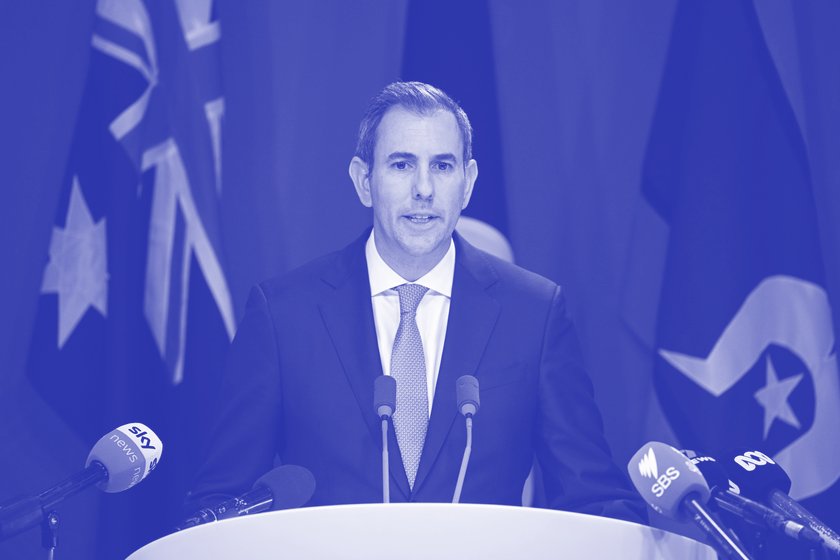
The Albanese government is progressing with the stage three tax cuts in full. But internal Treasury briefs show a distinct lack of enthusiasm for keeping the cuts legislated during the 'wasted decade'.

Today's rate increase from the RBA wasn’t a surprise. And for an institution still rebuilding trust, that is a good thing.

Westpac's new chief economist Luci Ellis is thoughtful, outspoken and full of surprises.

Many blame a lack of government reform for Australia's flagging productivity. But Luci Ellis isn't convinced.

Australia's housing market has rebounded faster than most in the world — to the delight and dismay of those living within it.

The central bank is concerned about multiple growing risks both within and outside the financial system.

Jo Masters describes her experience as chief economist for start-up Barrenjoey as "crazy". But not in a bad way.
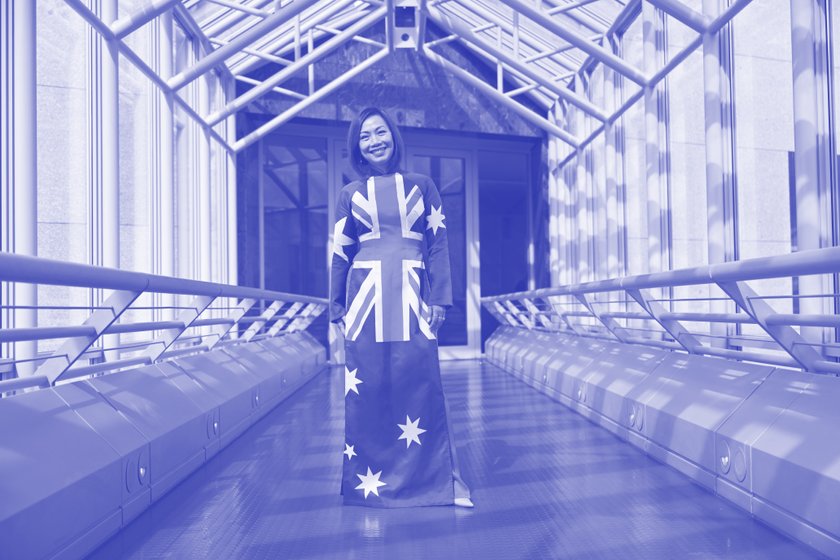
The public exhaustion over tax reform may simply be because voters have heard it all before.

Some thought Christmas had come early when the RBA leadership changed. But this was an illusion, with rates likely going up again next month.
The main economic battle of 2022 and 2023 has been inflation. But focus may soon shift to an even tenser fight – the future of the stage three tax cuts.

Your email address will be stored in accordance with our privacy policy.