
The case against data centres in Australia is being built on US examples, even though the local industry operates on a very different scale.

Your complimentary access ends . To keep reading without interruption, subscribe today.
Ideas news from Capital Brief including Our data centre debate is being fought with American facts, Australia’s market plumbing isn’t built for the AI future, Australia’s green transition is a matter of national security.
The case against data centres in Australia is being built on US examples, even though the local industry operates on a very different scale.

With AI-driven trading speeding up global markets, the country’s settlement infrastructure will become a costly drag on competitiveness, resilience and growth.
We remain exposed to shocks like the conflict in the Iran, which is affecting everything from diesel to fertiliser. A faster, more strategic green transition can help.

Behind the AI copyright debate is a bigger fight over whether Australia will protect the information ecosystem our democracy relies on.

Trying to make a digital service work for every user from the outset often means government ends up shipping too late and solving too little.

AI may lift productivity, but for boards and CFOs the bigger question is whether it can deliver returns on top of years of accumulated tech spend.
Australia’s housing crisis is a supply problem. Winding back the capital gains tax discount will deter investment and tighten supply.

The government is putting the Sydney–Newcastle high-speed rail into development because the business case stacks up for jobs, housing and productivity.

These specialist investment vehicles are meant to crowd in private finance and accelerate emerging tech, yet most money still goes to projects the market would fund anyway.
Australia is world-class at building startups then watching them list abroad. Firmus is the ASX’s clearest chance in years to break that cycle.

The latest Capital Brief/DemosAU poll shows One Nation drawing younger voters, but turning protest into power demands policy depth and compromise.

A trillion-dollar AI buildout is reshaping global power, and Australia must decide whether to host it or depend on it.

Productivity has stalled, investment is slowing and regulation is biting. Without reform, Australia risks falling further behind its competitors.

Graduate employment is looking good, but outcomes still depend on postcode, gender and background. We need to close those gaps for fairness and productivity.

Australia’s economy is running out of capacity. To lift its growth ceiling and contain inflation, policymakers must tackle our deep supply-side weaknesses.

We have the talent to lead in tech and innovation. What we're short on is the incentives needed to turn ideas into global success.

Going after the CGT discount sounds easy, but it could backfire by choking construction, locking up stock and pushing more Australians into renting.

Fighting scams is vital, but many Australian banks have gone too far on crypto, limiting legitimate activity in the name of protection.

For all our talk of productivity and sovereign capability, we’re overlooking one of the smartest investments we can make.

Government schemes are getting more first home buyers into the market. But by fuelling demand faster than supply, they may be pushing prices even higher.

Discontent over immigration and leadership is propelling One Nation’s rise as older, regional and working-class Australians turn away from the major parties.

Nearly half of Gen Z workers use AI, but few are properly trained. In law, that gap can mean breaches, bad advice and regulatory action.

Australia’s AI workforce won’t come from classrooms or policy plans. It will be built by communities learning, experimenting and solving real problems.

Public health may never fund prevention properly. But technology and consumer curiosity could drive a new era of proactive, personalised healthcare.

As Canva readies for a US listing, Australia’s startup scene faces a bigger question: can one giant exit spark a cycle of reinvestment and growth?
Our startups deliver unmatched results per dollar invested. But to stay ahead globally, we need deeper capital, faster infrastructure and bold ambition.

Australia underinvests in R&D. The federal government's review must lift capital, talent and leadership or we risk becoming a permanent incubator economy.
Australia’s super rules are discouraging long-term, high-growth investment. Reforming them could boost both retirees’ returns and national productivity.

After the platform cancelled me for sharing one too many truths, I turned to my army of animatronic fish, the only network still willing to listen.

Australia’s AI ambitions rest on building the infrastructure and attracting the capital needed to power a stronger, more connected digital economy.

We have world-class research and clinical trial strength, but risk aversion and limited capital are holding us back in biotech. Unlocking our potential requires bold investment.

Nvidia’s stellar results confirm the AI boom is ongoing, but soaring compute costs and weak monetisation show the economics are still far from solved.

Australia has long seen itself as punching above its weight, but our wealth, stability and innovation mean we should be aiming much higher.
The corporate watchdog says regulation isn’t the problem, but its heavy hand risks becoming a handbrake on growth and innovation.

The market may have cooled on ESG, but not on green homes. Energy performance is emerging as the new metric driving property prices and lending decisions.
Our three-year terms keep leaders stuck in campaign mode. It’s time to give governments a full four years to govern.
When the Coalition wavers on net zero, it tells investors Australia still isn’t a reliable place to back the industries defining this century.

Dual-class shares are a sugar-hit solution that risk diluting investor rights and diverting attention from genuine market reform.

Amid the viral moments and culture wars, the real shifts in US power are happening in states and cities. That’s where we should pay attention.
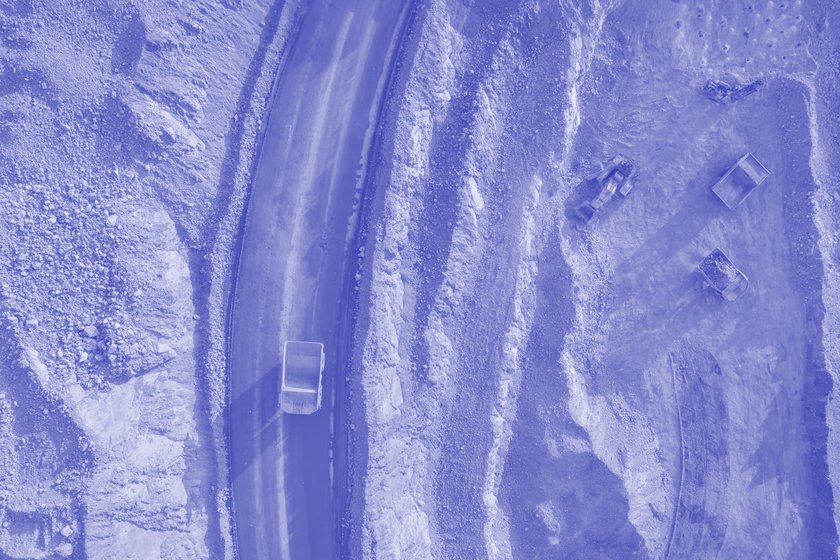
Rising demand from AI and the energy transition is shaking up mining, and venture capital is ready to break new ground in one of the world’s oldest industries.

Your email address will be stored in accordance with our privacy policy.