Economy
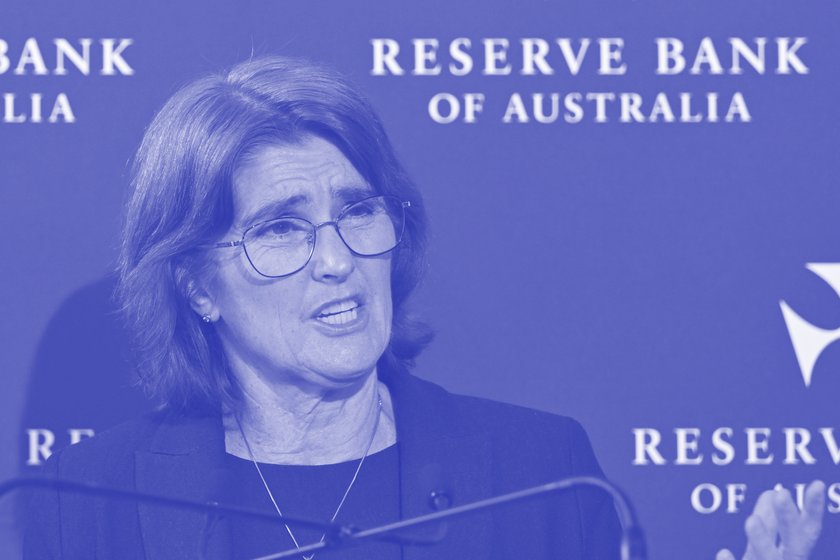
Ever since Michele Bullock took the reins at the Reserve Bank she has been singing from the same songbook as Jim Chalmers. But the two economic heavyweights struck very different tones this week.
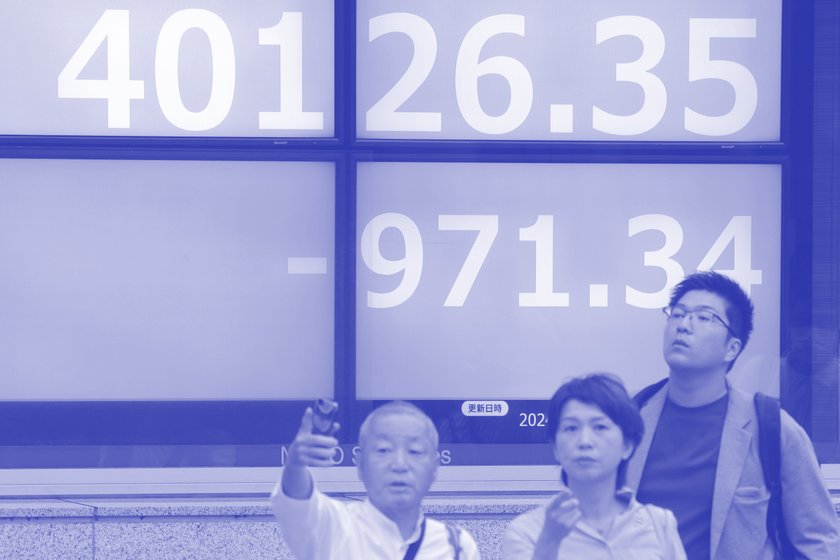
The "carry trade" of borrowing cheap Japanese currency at low rates and investing elsewhere has been a mainstay of financial markets for years.
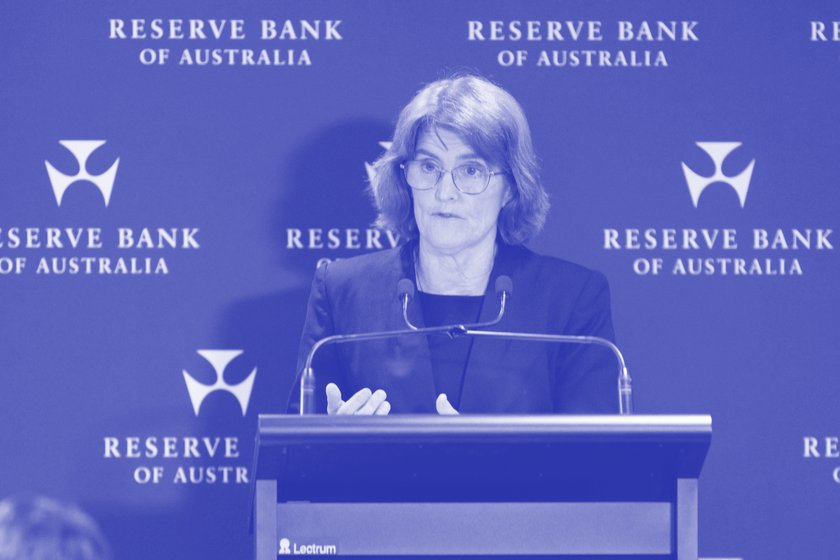
Investors hoping this week's market turmoil might increase the chances of a near-term rate cut were left sorely disappointed on Tuesday.
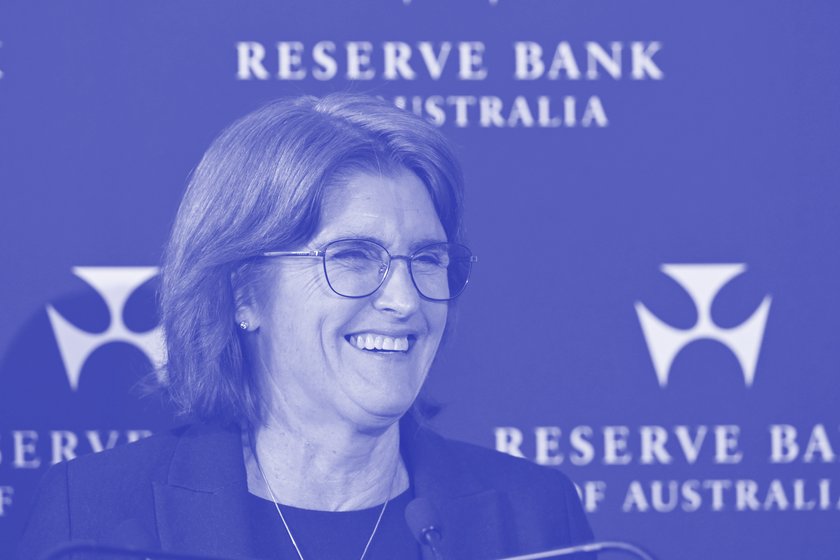
The critical August rates meeting will be the highlight of a busy week.

Anthony Albanese and Jim Chalmers may be able to claim victory on inflation sooner than expected.
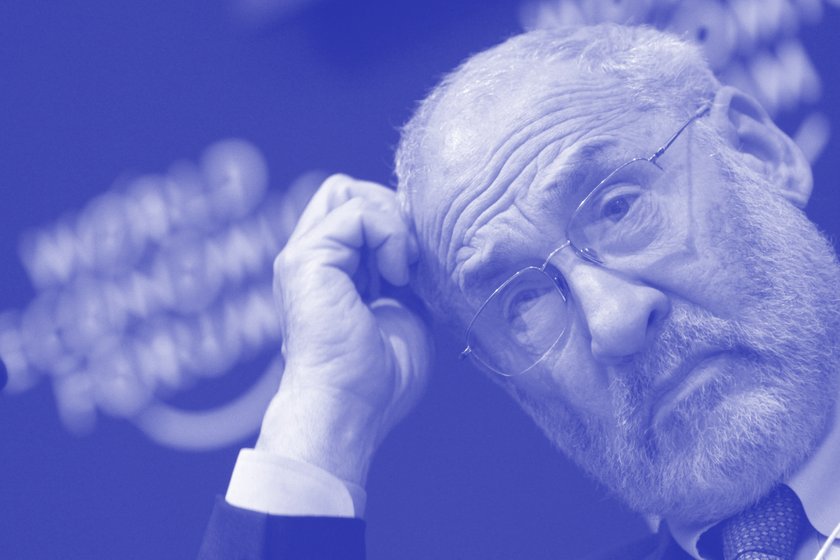
The Nobel Prize-winning economist had a front-row seat to 1990s competition policy in the US, which he argues led to the dominance of a handful of tech giants.

The latest CPI data has been welcomed by both the government and the markets. But the inflation fight isn't over.

The Albanese government, and millions of Australian homeowners, will be watching closely to see if this week's inflation data increases the likelihood of a rate hike next month.

It's a big one this week with the much anticipated quarterly inflation data to be released.

The Productivity Commission has published its sharpest warning yet that industry policies like the Future Made in Australia Act could lead to protectionism.
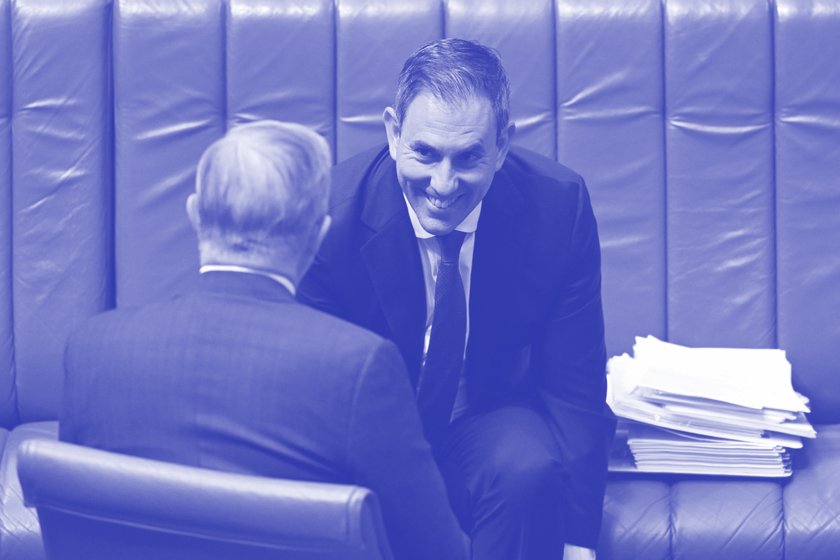
The government maintains it started thinking about stage three tax cut changes over Christmas. New documents show they were being scrutinised months earlier.

ANU Professor Peter Yu wants the government to more specifically consider the opportunities for Indigenous Australians in the new economy.

Local economists are taking a breath this week ahead of upcoming inflation data and a Reserve Bank decision, but globally there's a lot at stake.

Rates are up since the beginning of 2022 and more borrowers are falling behind on their home loans. For the RBA, the picture is less bleak than it sounds.
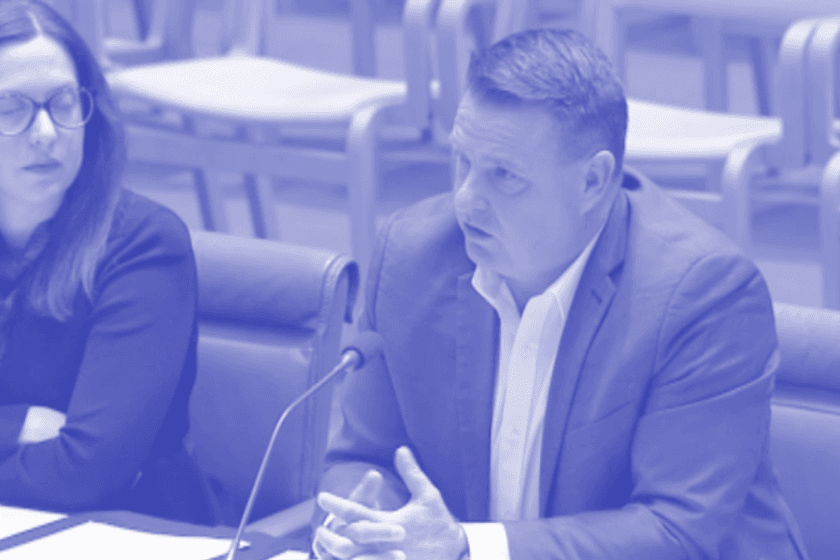
Policymakers are grappling with how to regulate artificial intelligence without stifling innovation. But it may be out of Australia's hands.

The labour force already has economists urging a closer look than usual at the headline figures, making this week's data even more critical.

The ANU professor and tax expert thinks overblown geopolitical concerns are being used to justify subsidies for certain industries. He also says policy should focus on fixing absolute poverty, not inequality.
