Australia's second attempt to force tech giants to pay for news might just work, observers say, but there are also risks.

Your complimentary access ends . To keep reading without interruption, subscribe today.
Australia's second attempt to force tech giants to pay for news might just work, observers say, but there are also risks.
Labor has revealed its plan to force tech giants to provide funding for Australia's news industry. While the big media companies are upbeat, many questions remain.
Labor’s new policy will push tech giants to fund Australian news publishers through offsets and penalties, as an evolution of the Morrison-era media bargaining code.
The opposition has criticised the government's reluctance to follow the Biden administration and legislate a ban on TikTok, after the social media giant failed to overturn the law in a US appeals court.
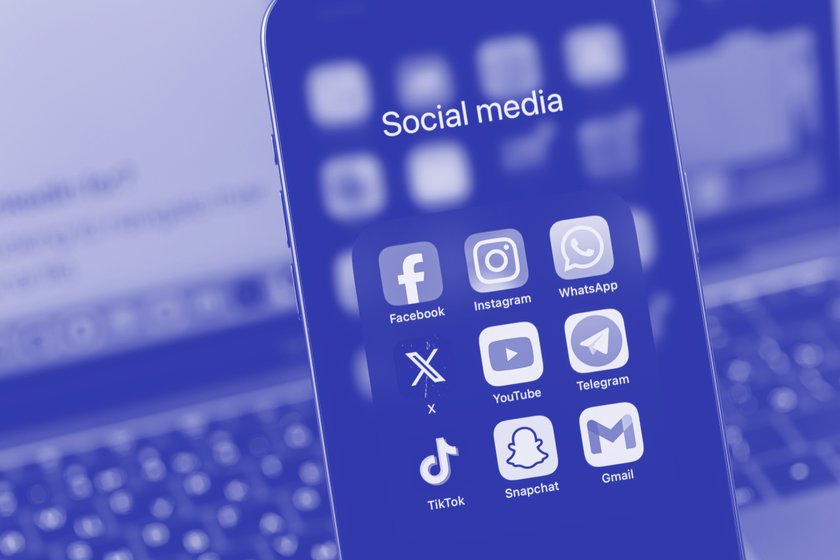
The Albanese government's world-first plan to ban kids from social media is a risky political move that could also become a litigious nightmare.
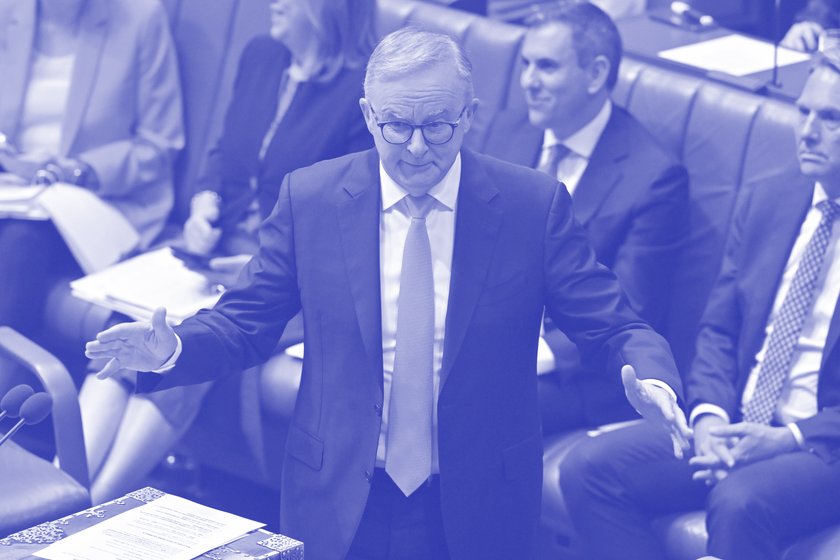
It's shaping up as a chaotic week in the nation's capital as the Albanese government juggles multiple reforms that provide insight into its priorities ahead of the election.
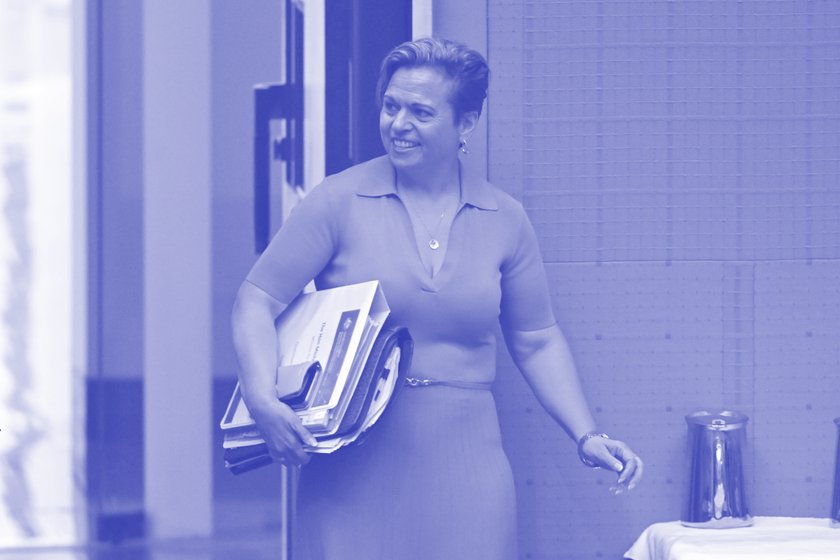
Ministers were set to discuss measures this week, including the government's response to Meta and the future of the news media bargaining code, sources said.
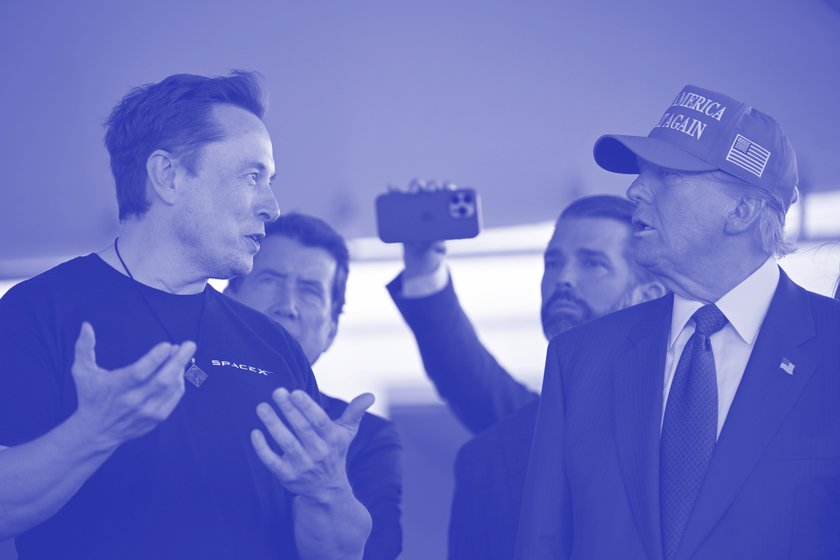
It's not the first time Elon Musk has attacked the Albanese government over social media regulation. But now he has the backing of the world's most powerful man.
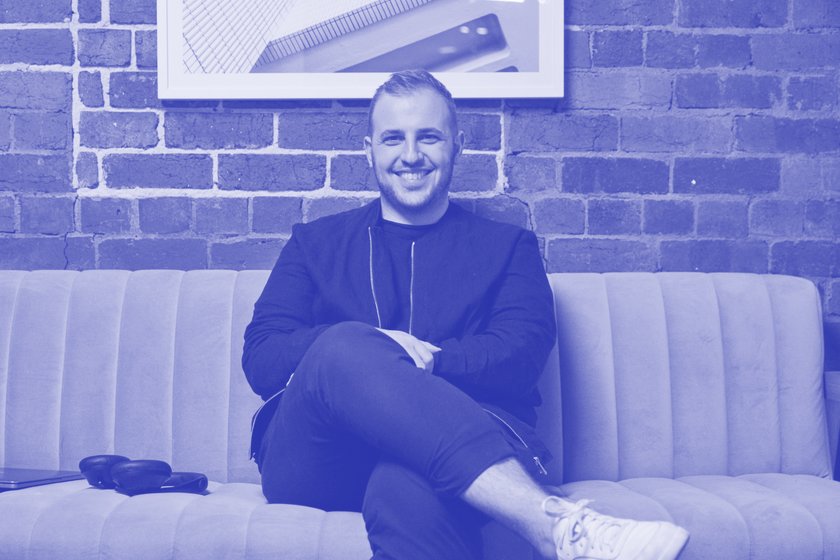
When Linktree raised its first capital round in 2020, founder Alex Zaccaria suddenly found himself surrounded by experts — a shift he found overwhelming.
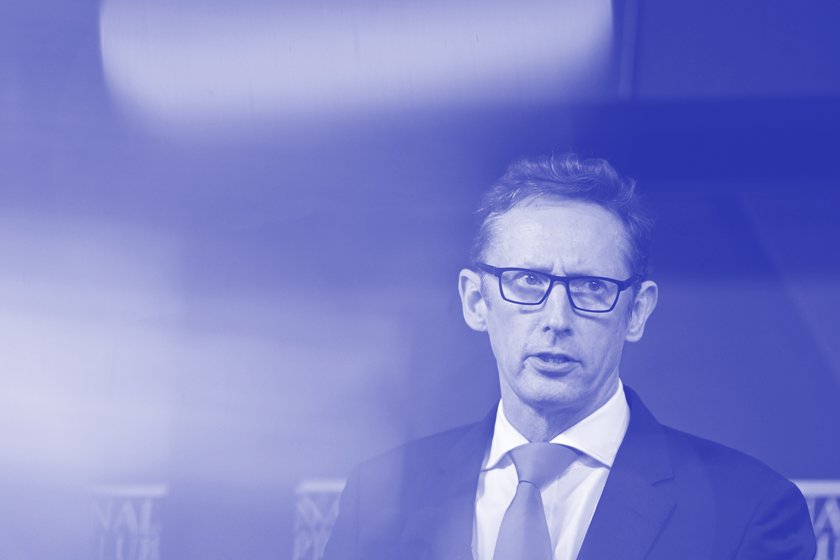
With just two parliamentary sitting weeks remaining this year, Labor is facing calls for action on the news media bargaining code and clarity on the government’s media reform agenda.
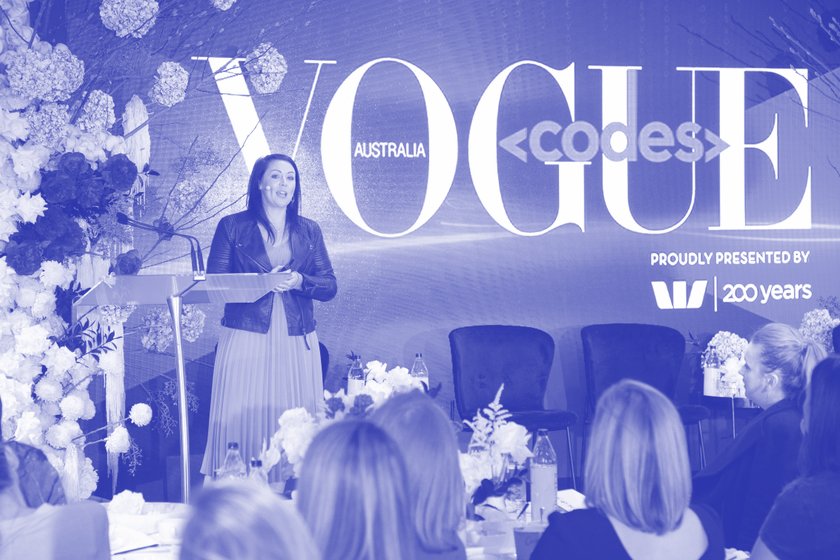
Sydney startup Plann was acquired by the “link-in-bio” leader in August. For founder and CEO Christy Laurence, it was the culmination of an eight-year friendship.
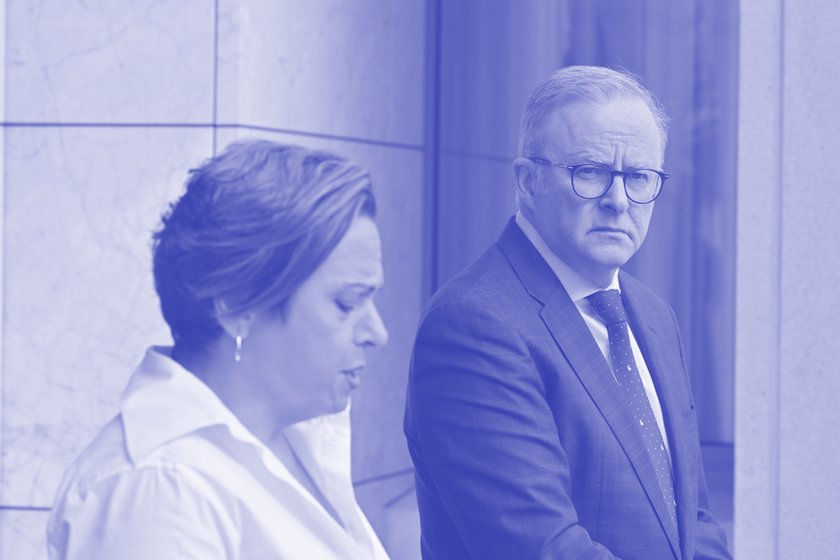
The Albanese government has a doctrine on regulating the online world: set the rules, and fine social media giants for not complying. That approach is facing backlash.
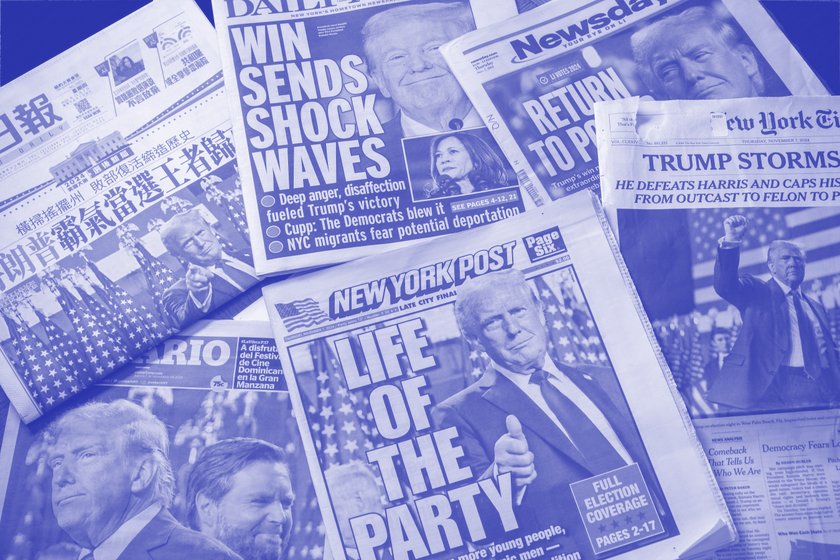
A glimpse inside how Capital Brief approached the biggest global news event of the year... so far.
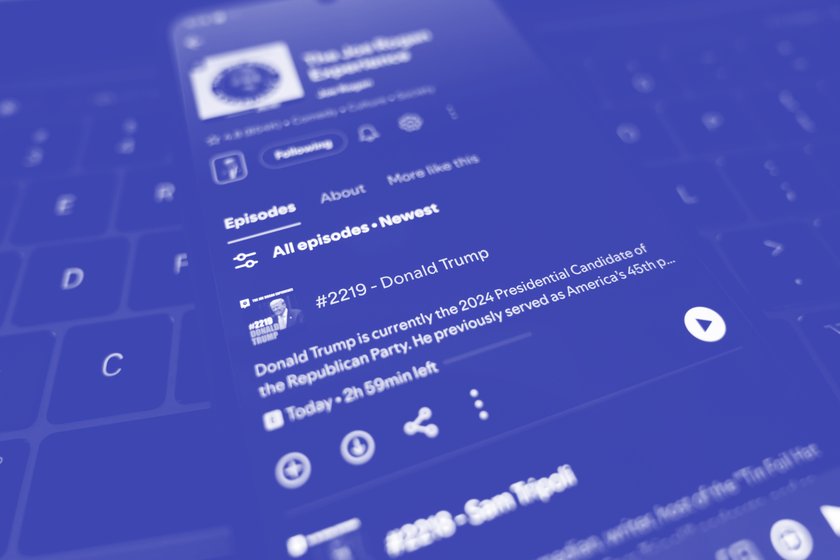
From podcasts to prediction markets and X, the US presidential election gave us a glimpse into what a future information landscape might look like, with profound implications for Australia.
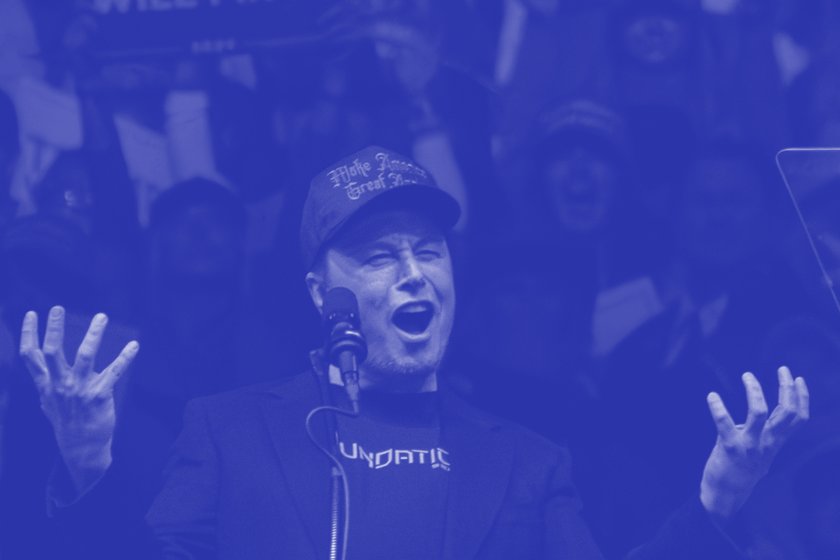
The world's richest person is in a long-running spat with Australia, and the US presidential election result has just handed him more power.

Meta's director of global threat disruption argues Australia's plans to force banks, telcos and social media companies to compensate scam victims are "fundamentally problematic".
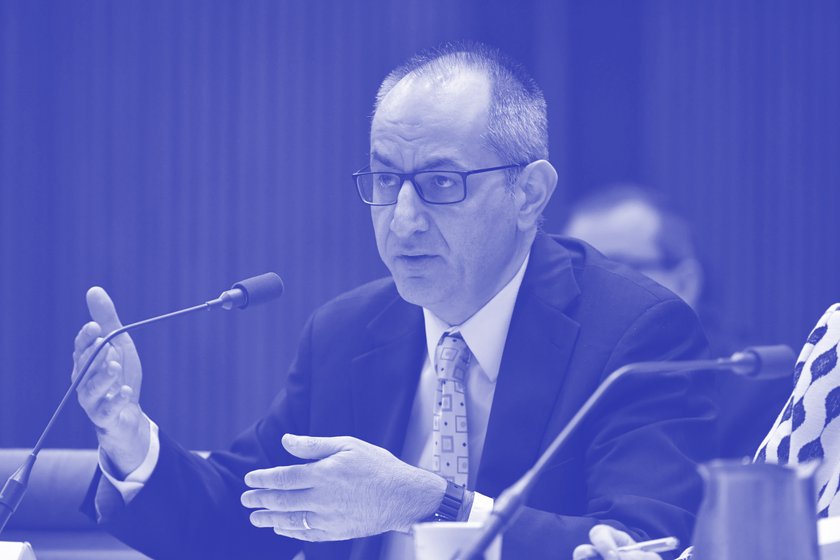
In a wide-ranging interview, the former Home Affairs boss said Australia may not be able to go it alone on a Big Tech levy, questioned the effectiveness of TikTok bans, and took aim at Elon Musk.

An interim Senate committee report avoided recommending the 'designation' of Meta under the news media bargaining code, which is unlikely to please Australia's media giants.
New figures reveal the vast majority of Australian children are using social media in some form, which may complicate the government's ability to impose a ban on it.
The US multimedia company is seeking permanent court orders to block Nuclear Enterprises from publishing Maxim Australia.

The Albanese government wants a sweeping ban on kids using social media. But it faces difficulties in overcoming the complexities of such regulation, as it has with other recent reforms.

Your email address will be stored in accordance with our privacy policy.