
Anthony Galloway
Chief political correspondent
Anthony is the chief political correspondent for Capital Brief, based in Canberra. The award-winning journalist has been a political news breaker for some of Australia’s biggest publications including the Herald Sun, The Age and The Sydney Morning Herald. A member of the federal press gallery since 2017, he has a keen focus on policy including foreign affairs, national security, cyber and economics. Galloway has also reported from conflict zones, including three trips to war-torn Ukraine.
Contact Anthony via email or Signal.
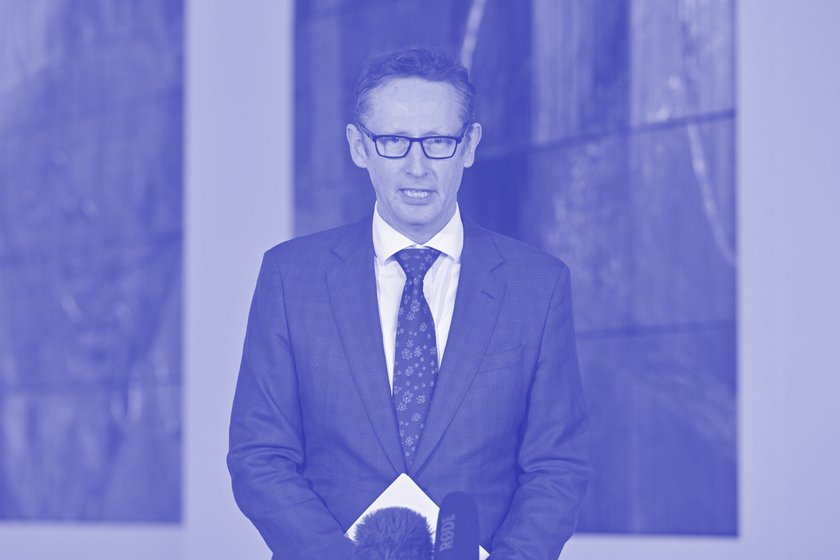
App stores and ad tech are the first targets of a new digital competition policy, with the Albanese government set to unveil the framework on Monday.
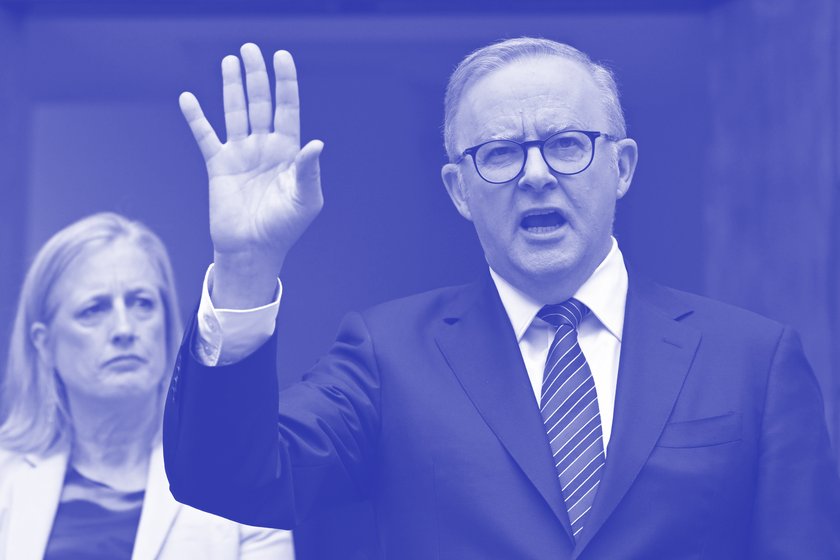
The Albanese government's rush to cram through a huge amount of legislation on the last sitting day of the year has heightened speculation of an early election.
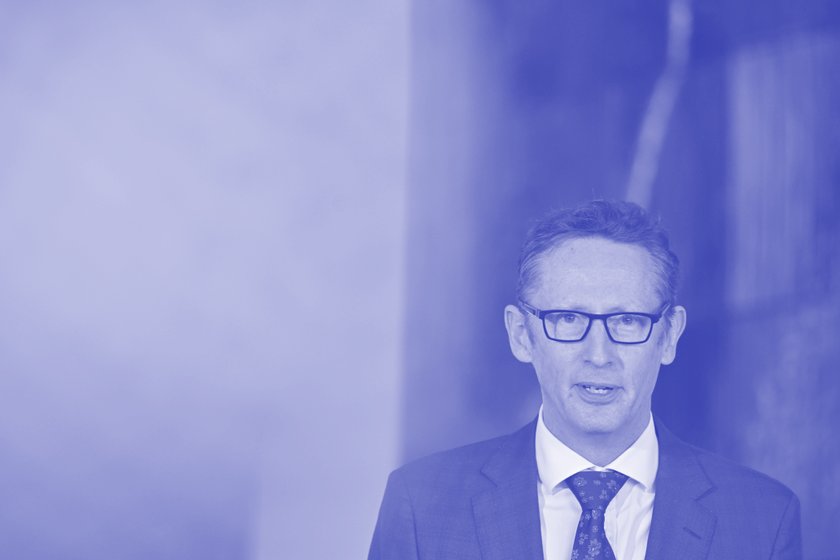
Assistant Treasurer Stephen Jones is set to reveal plans for an ex-ante regime in Sydney on Monday, targeting anti-competitive behaviour by tech giants, sources say.

For months, Labor has been seeking a deal with the opposition and cutting out the crossbench.

Opposition home affairs spokesman James Paterson has been seeking access to the review, but Labor claims public interest immunity.
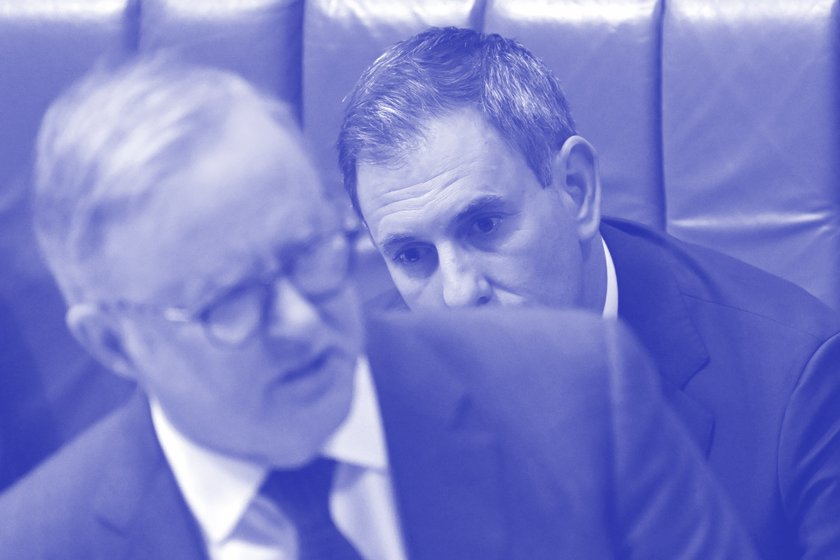
There are compelling reasons for Anthony Albanese to land on a historically early election, but some of his senior cabinet colleagues disagree.
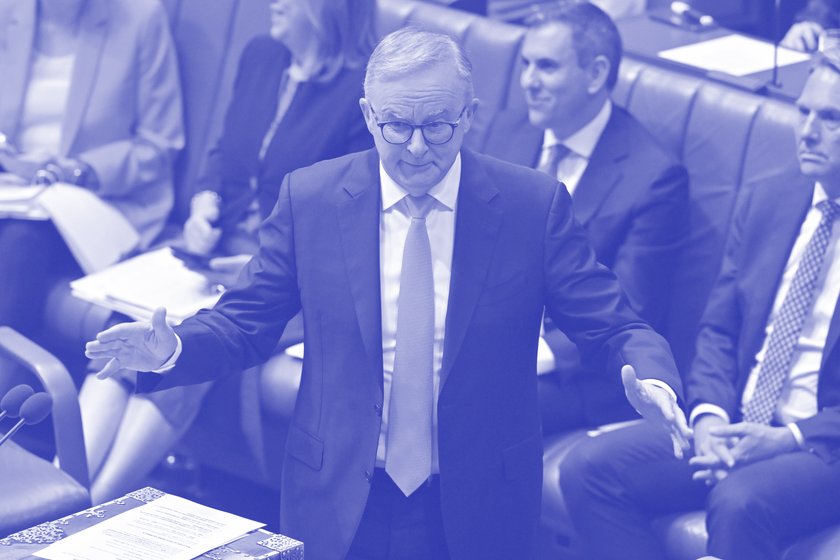
It's shaping up as a chaotic week in the nation's capital as the Albanese government juggles multiple reforms that provide insight into its priorities ahead of the election.
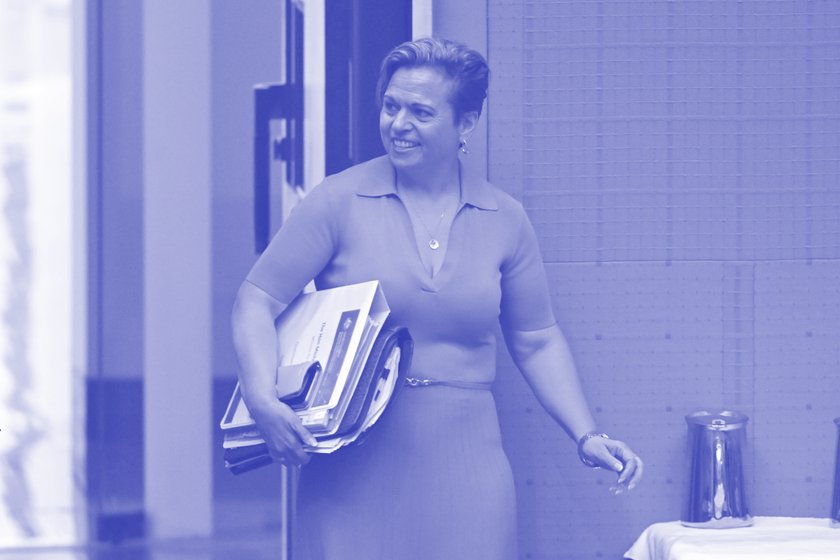
Ministers were set to discuss measures this week, including the government's response to Meta and the future of the news media bargaining code, sources said.

As Queensland Premier David Crisafulli reviews plans for the 2032 Brisbane Olympics, there are lessons to be learned from the last Games held in the southern hemisphere.
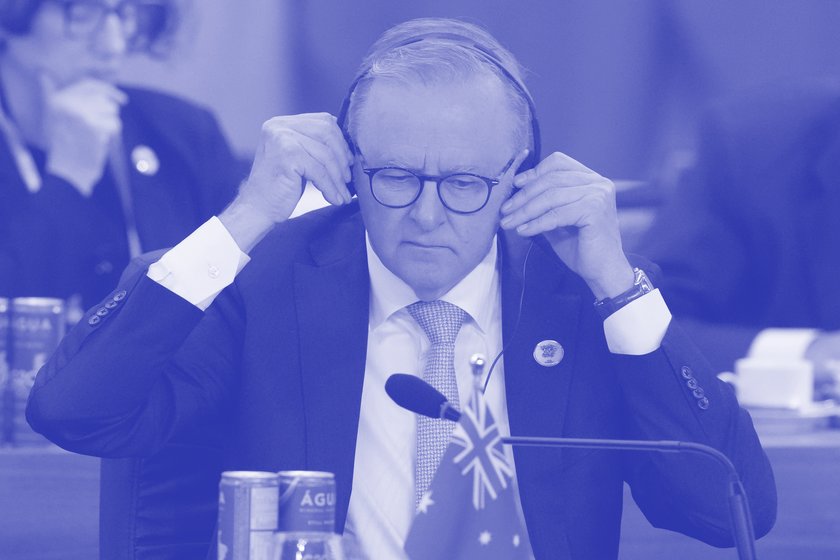
G20 leaders fell well short of their goals on poverty, climate change and the conflict in Ukraine, as the spectre of Donald Trump caused some to lose their nerve.
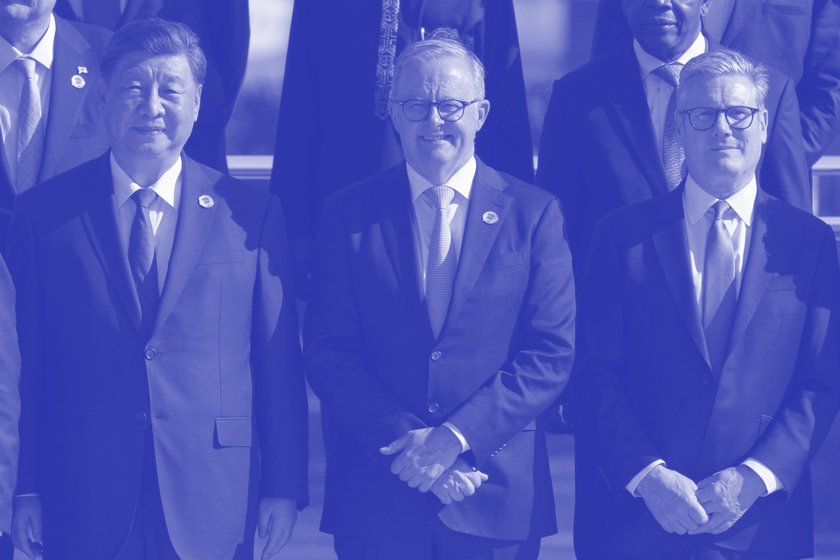
Australia used to be bolshie when dealing with China, while the British held their tongue. But Anthony Albanese and Sir Keir Starmer’s meetings with Xi Jinping show that dynamic has flipped.
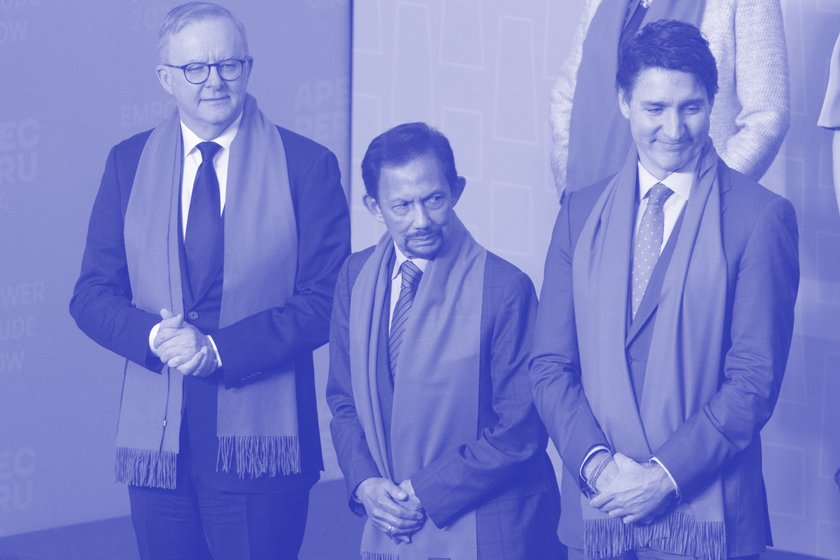
As the IMF's Kristalina Georgieva spoke to all of the leaders at the APEC summit, the Australian prime minister was listening more attentively than others.
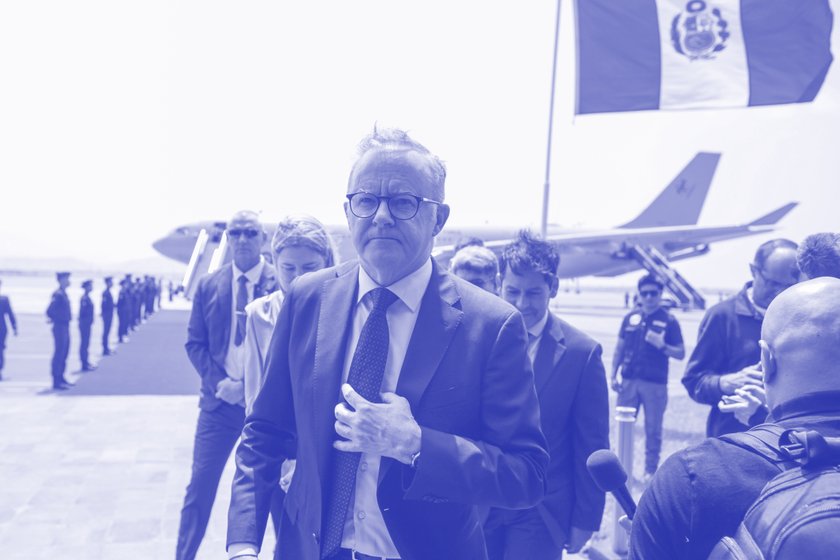
There is a sense of déjà vu in Peru, which hosted APEC the last time Trump was elected in 2016. But it also feels very different this time.
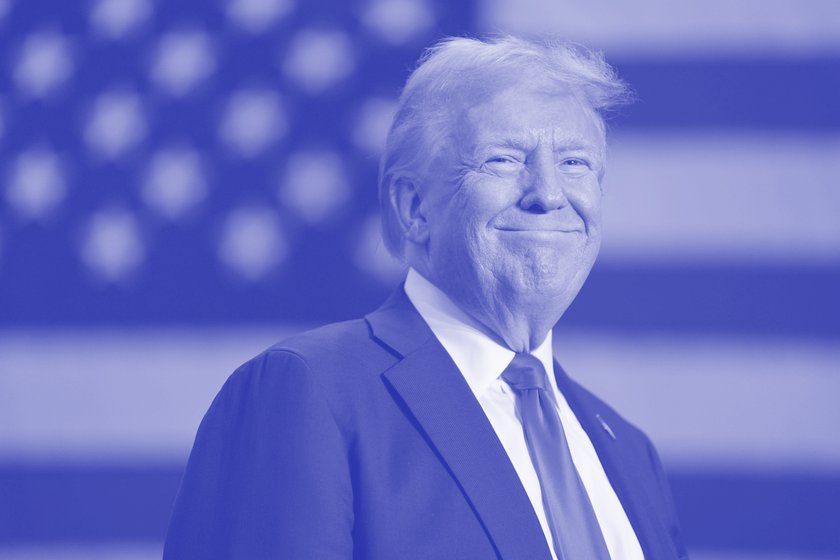
As he prepared to jet off to South America, Anthony Albanese also said Australia could play a role as a "trusted" middle power in convincing the US and China to avoid a trade war.
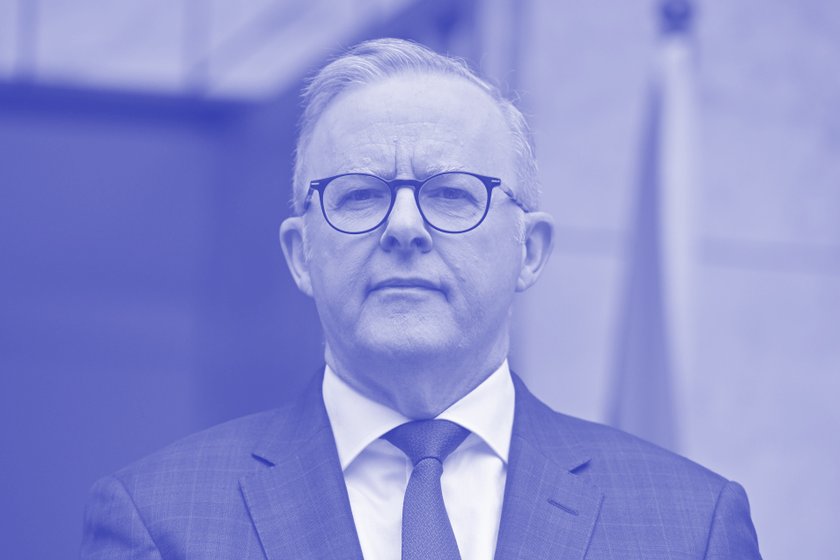
It's been more than three months since the government was handed the independent review into national security think tanks.
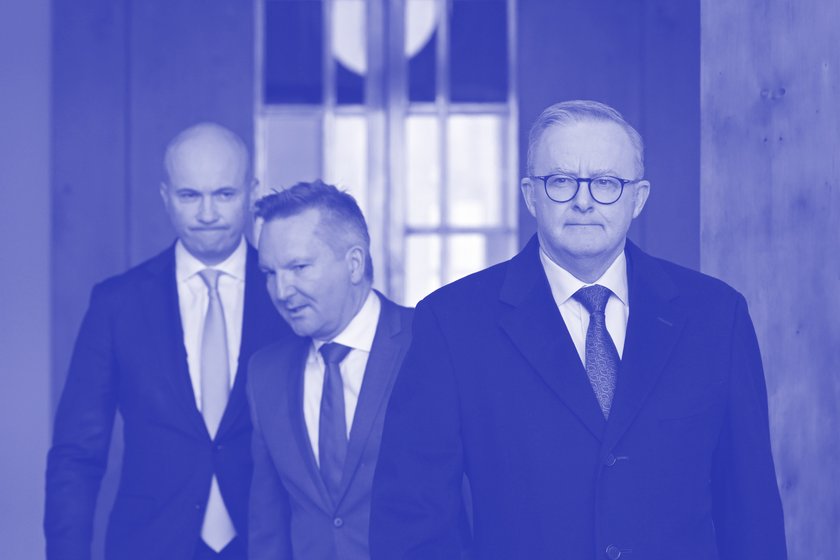
Donald Trump's return to the White House means it's even more likely Australia will hold off on announcing its 2035 emissions reduction target.
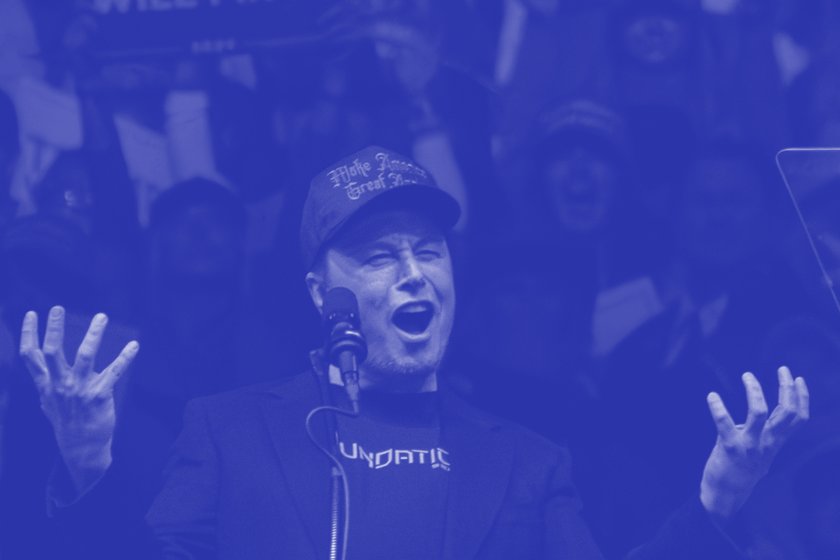
The world's richest person is in a long-running spat with Australia, and the US presidential election result has just handed him more power.
A new review warns of AI-driven attacks and state-sponsored hackers embedding in Australia’s critical infrastructure networks, preparing for potential future conflicts.
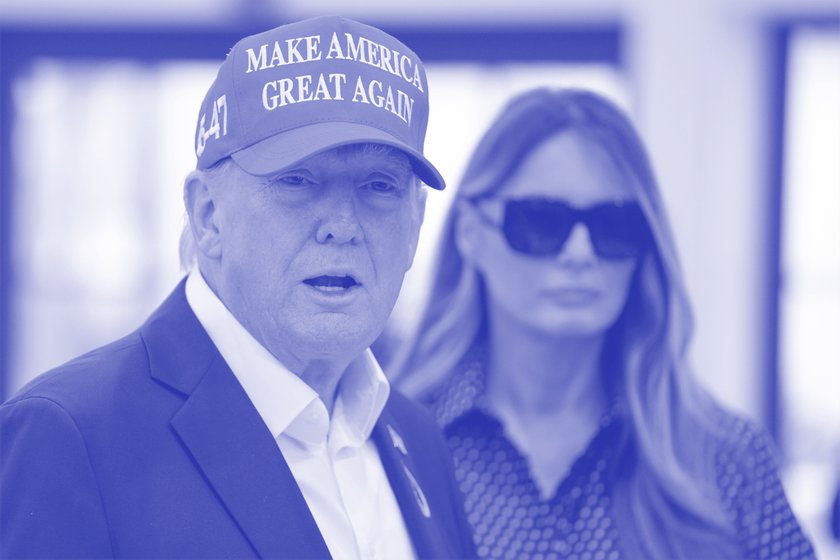
With Donald Trump on track for victory in the US presidential election, Australia's leaders are already turning their minds to what the results mean for them.
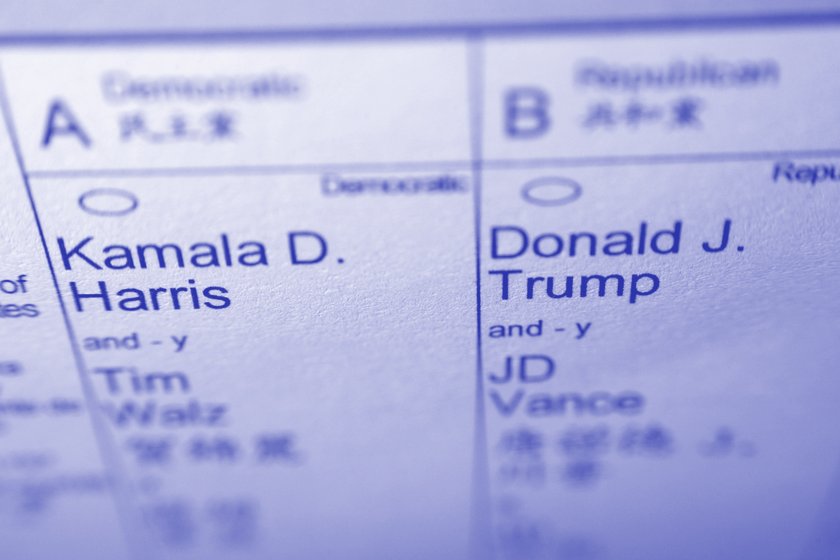
US election watch parties are returning to Australia, with the talk in Canberra very much focused on a late surge for Kamala Harris.
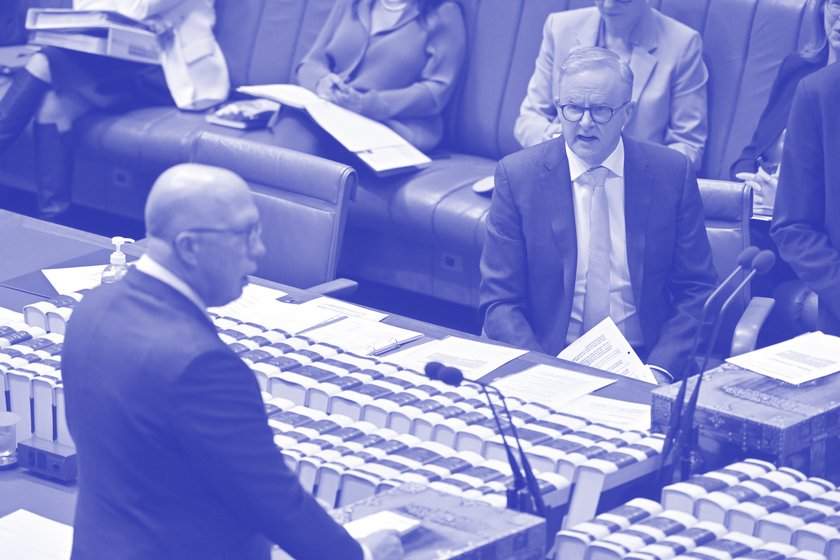
The Coalition is trying to create a sense of grievance among the nation’s tradies, telling them that Labor is no longer on their side.
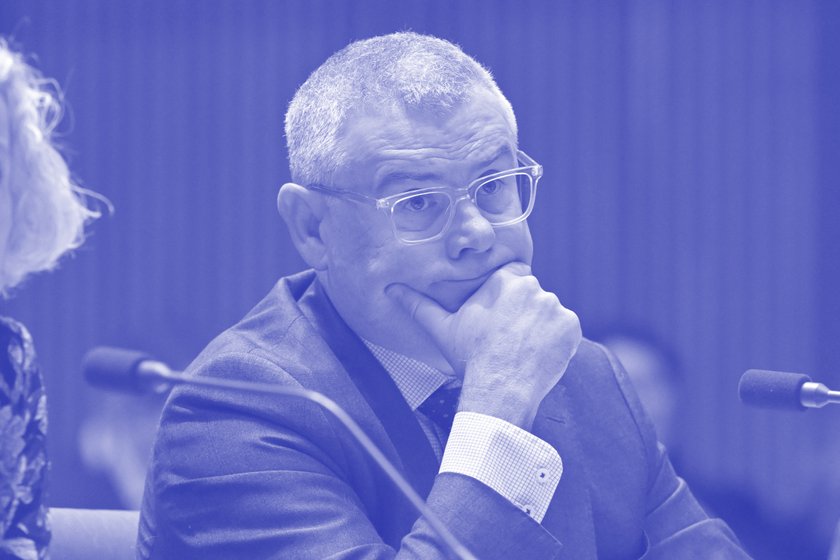
The cabinet minister has confirmed his staffer lost a bag containing documents concerning an imminent cabinet decision, but stressed it was not related to national security.
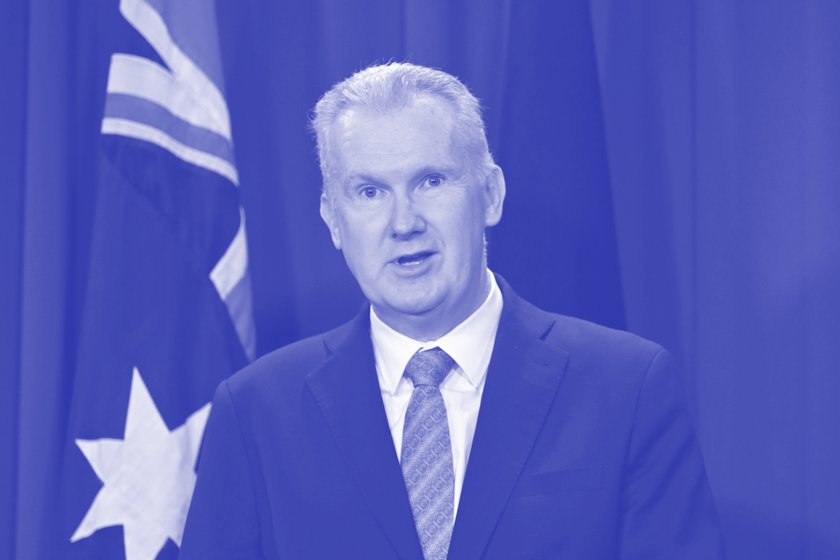
Over 40 critical infrastructure operators across energy, finance and communications have been declared “systems of national significance”, which may subject them to new cybersecurity obligations.
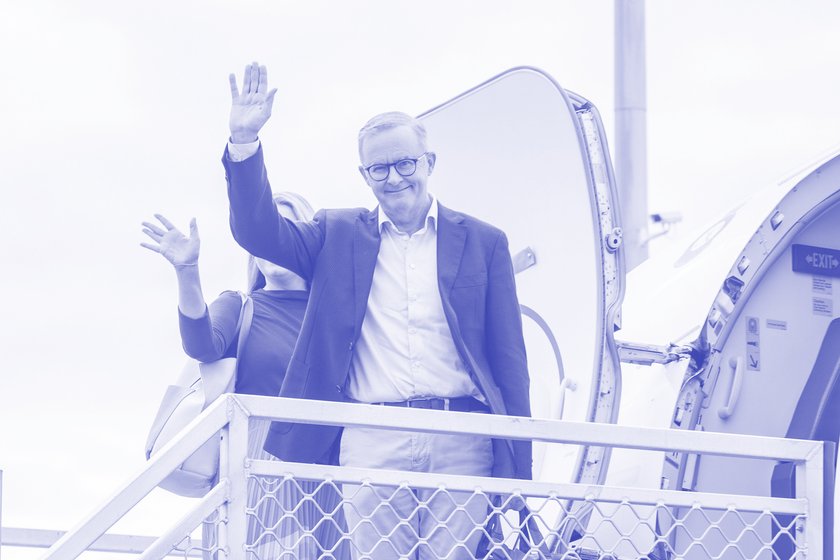
As Albanese continues to face scrutiny over his Qantas upgrades, politicians may have more to learn from corporate Australia than they'd care to admit.
