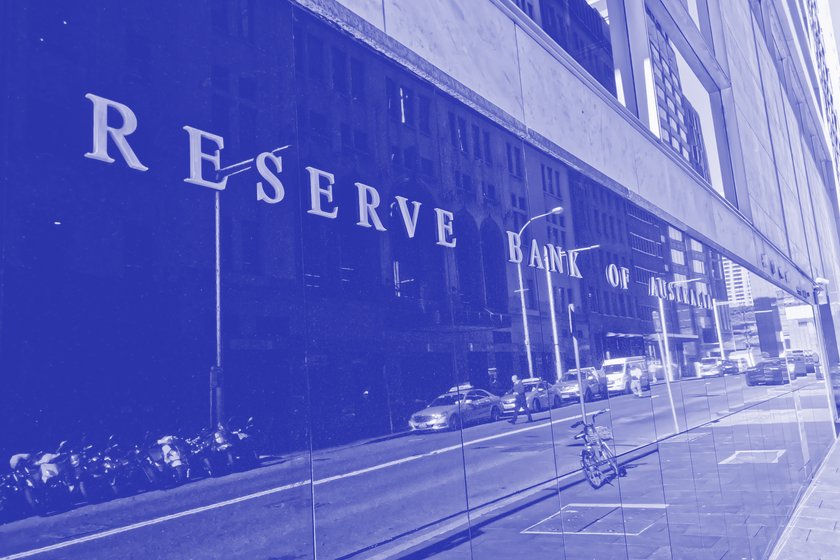
The Reserve Bank board's meeting on Tuesday is one of its biggest in years, with implications for federal politics, markets, and of course, the economy.

Your complimentary access ends . To keep reading without interruption, subscribe today.

Economics correspondent
Jennifer Duke is the associate editor for Capital Brief. She is a Walkley Award winning journalist with more than a decade's experience, specialising in economics, business and finance. She has worked for The Sydney Morning Herald and The Age as economics correspondent and as a business journalist.
Contact Jennifer via email or Signal.
The Reserve Bank board's meeting on Tuesday is one of its biggest in years, with implications for federal politics, markets, and of course, the economy.
Trump’s tariff threats are forcing some global conservative leaders to find rare bipartisan unity with domestic opponents. Can Peter Dutton navigate the Trump effect?
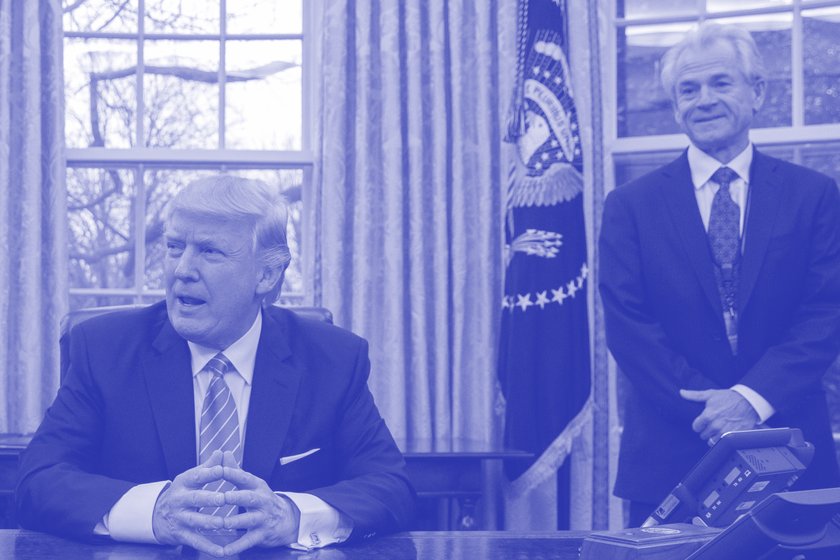
Whenever US tariffs are discussed, Peter Navarro’s name isn’t far behind. Here’s what Australians need to know about their new antagonist in the White House.

The "verbal agreement" at the centre of Trump's latest trade controversy does not appear to have been documented and was not widely reported at the time it was secured.

The Greens have unveiled a 10% net wealth tax for billionaires. As the prospect of a hung parliament grows, should we take them seriously but not literally?

Anthony Albanese has taken a first step towards achieving an exemption for Australia from US tariffs. But even if he succeeds, it doesn't guarantee Donald Trump won't change his mind later on.
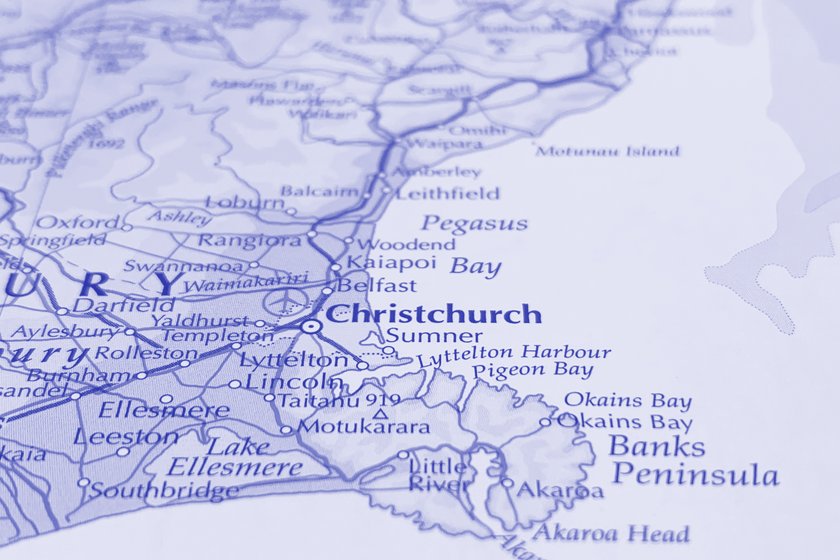
A new report from the Centre for Independent Studies urges Australia to look across the ditch if it wants to solve housing affordability.

Australia secured an exemption from similar tariffs in 2018. Can its current ambassador to the US do the same — or will businesses face a costly “slap in the face”?
There's about a week to go until the RBA meets, but it may well be tariffs that continue to take the economic spotlight.

The Reserve Bank’s highly anticipated rate-cutting cycle could be on ice as soon as it really begins. That’s the best guess of some of the country’s top forecasters following Trump’s tariffs.

COSBOA says the Albanese government is pitting the public against each other through its framing of the opposition’s fringe benefits tax policy, and its move to get Treasury to cost the plan.
The former Treasury secretary has weighed in after Labor's use of Treasury to cost a version of the Coalition’s small business pitch rekindled debate about politicising the public service.
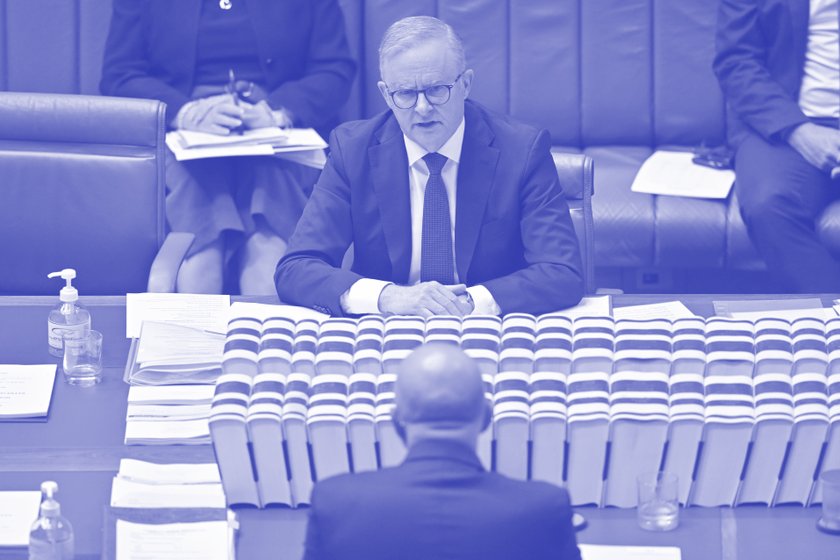
Parliament returned today as the election looms. If it results in a hung parliament, as many now expect, Anthony Albanese's negotiation skills may give him an edge.
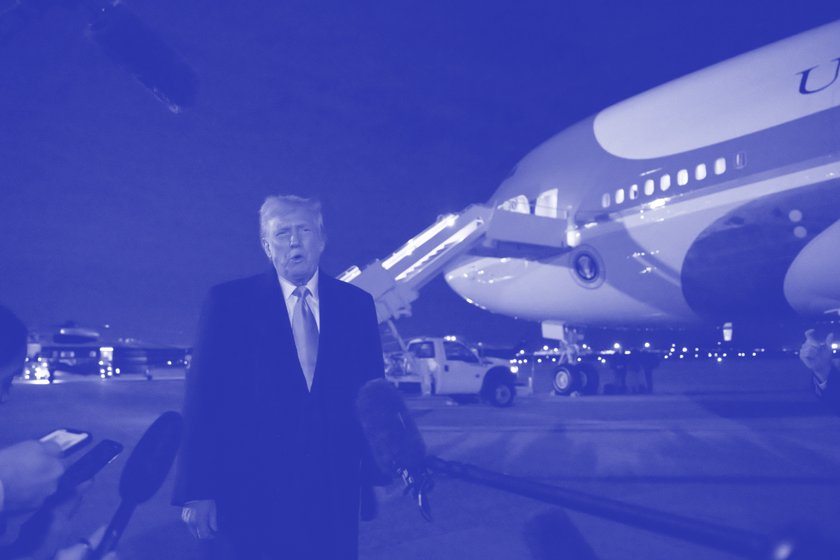
The former prime minister conceded that US tariffs on China, Australia's biggest trading partner, are understandable. But he was less eager about those targeting Canada.

New data due this week will shed more light on household spending and home values.
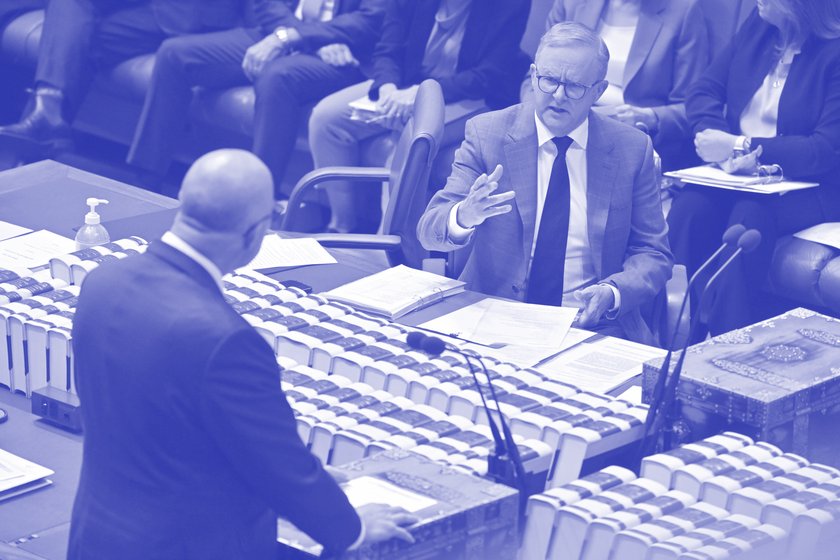
Jim Chalmers didn’t quite declare “mission accomplished” on inflation this week. But if the Reserve Bank cuts rates in February, he’d be justified in making that claim ahead of an election.
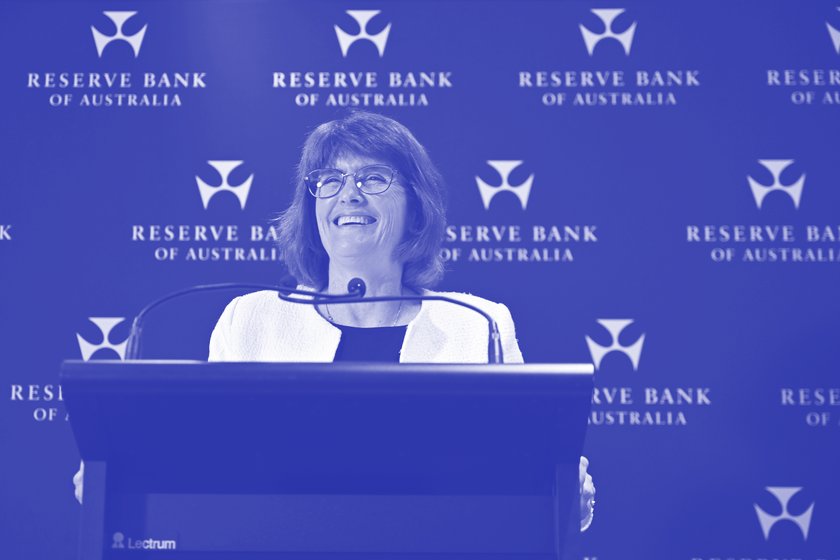
We’ve all been suffering from economic whiplash about when rates are going to ease. But this time, forecasters are feeling more certain that a cut is coming in a matter of weeks.

While conventional thinking has Anthony Albanese eyeing an early April election, there are plenty of signs that the prime minister has not ruled out going to the polls in May.
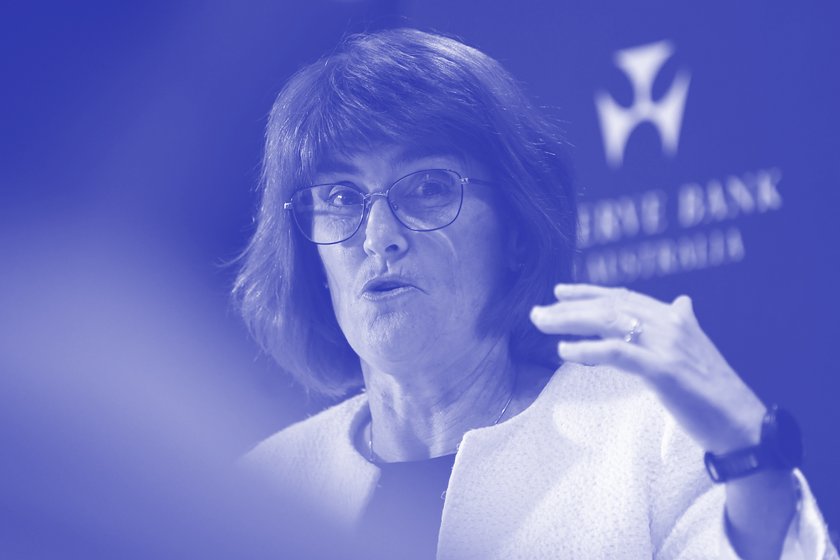
The US Federal Reserve will make its next decision on interest rates this week, but it is local data that will be even more critical for the Reserve Bank of Australia's next steps.
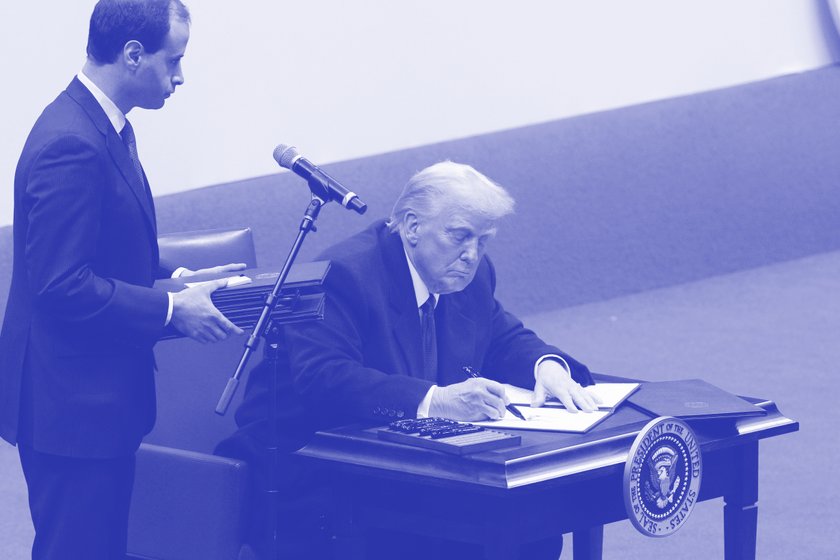
Donald Trump’s tariffs remain unconfirmed, leaving much uncertainty. Many economists remain unconvinced he will follow through.

Most people think they're part of "middle Australia", which is why politicians like to target their messaging at this group. We looked at the data to find out who actually fits the description.

It’s a quieter time for economic data in Australia but it's shaping up to be one of the busiest on the international calendar.

The resilient jobs market has complicated Albanese’s election timing, with fading chances of both a rate cut and an early election in February or March.
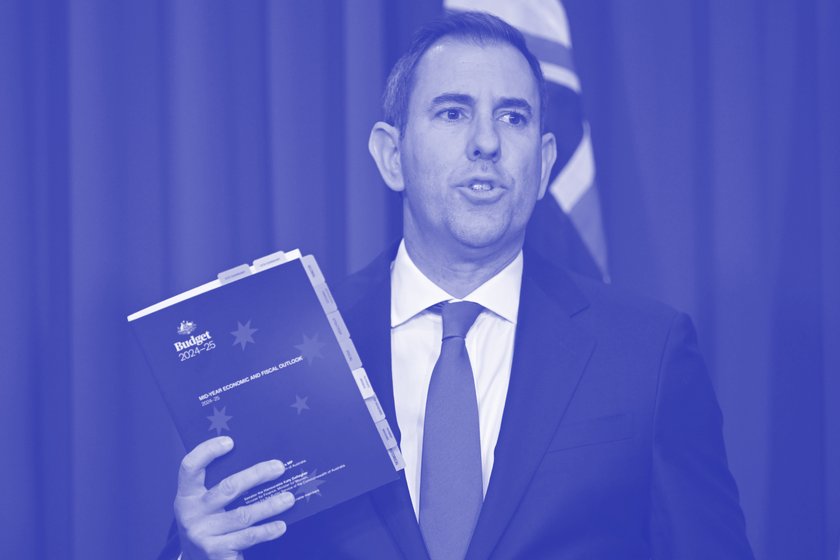
The government’s rising off-budget spending is drawing increased scrutiny from economists and the media. Is there really something "off" about the budget?

Will it be another strong month for the jobs market?
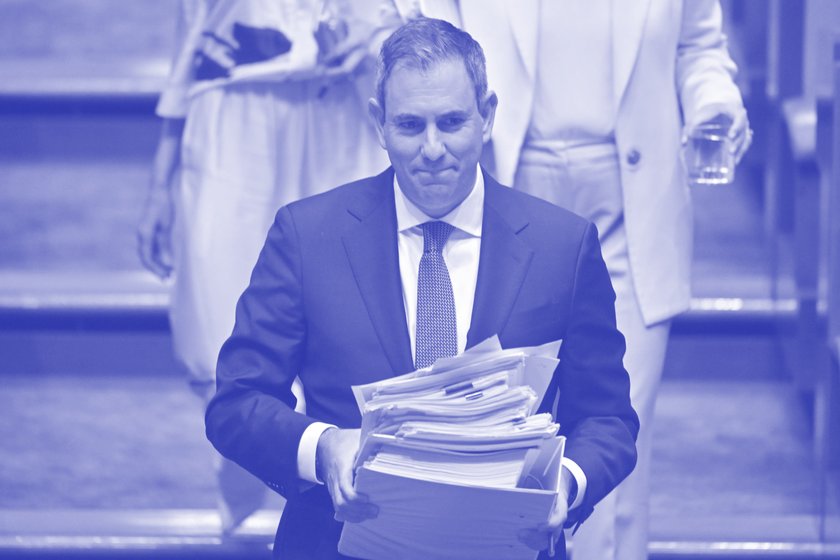
"Debt" and "deficit" are back in the headlines as the federal election looms. Economists speaking to Capital Brief say the real story is complex.
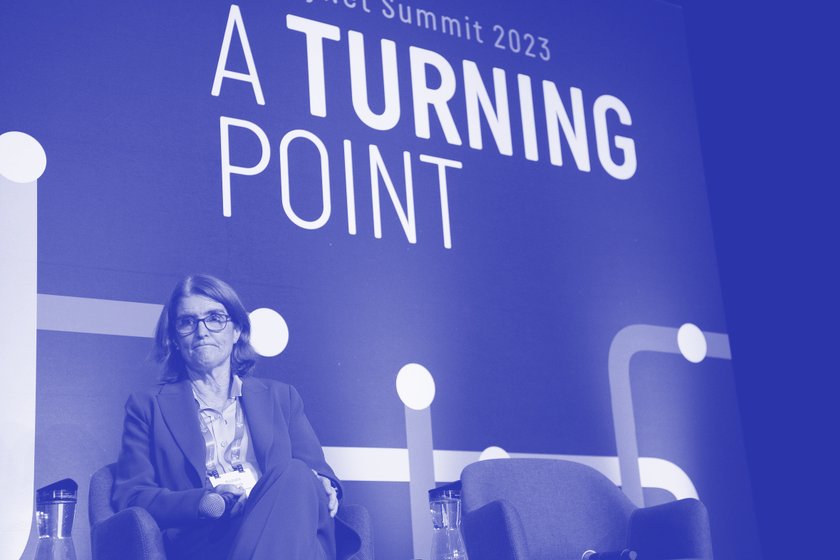
The Reserve Bank’s pre-Christmas shift in tone has sparked debate over when rate cuts will begin. Here’s what the experts think is going to happen next.

Your email address will be stored in accordance with our privacy policy.