
Jennifer Duke
Economics correspondent
Jennifer Duke is the associate editor for Capital Brief. She is a Walkley Award winning journalist with more than a decade's experience, specialising in economics, business and finance. She has worked for The Sydney Morning Herald and The Age as economics correspondent and as a business journalist.
Contact Jennifer via email or Signal.
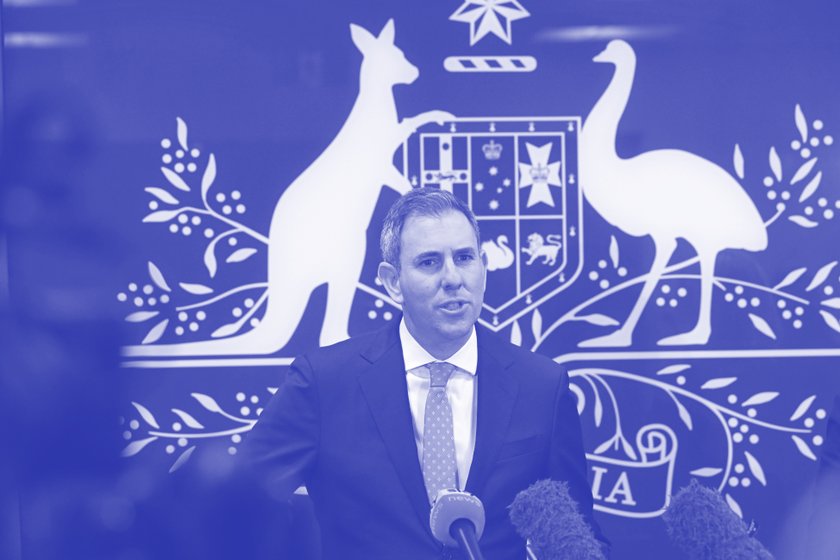
The RBA and government can't ignore growing global risks, but the strength of Australia’s jobs market continues to surprise even the country’s top economists.
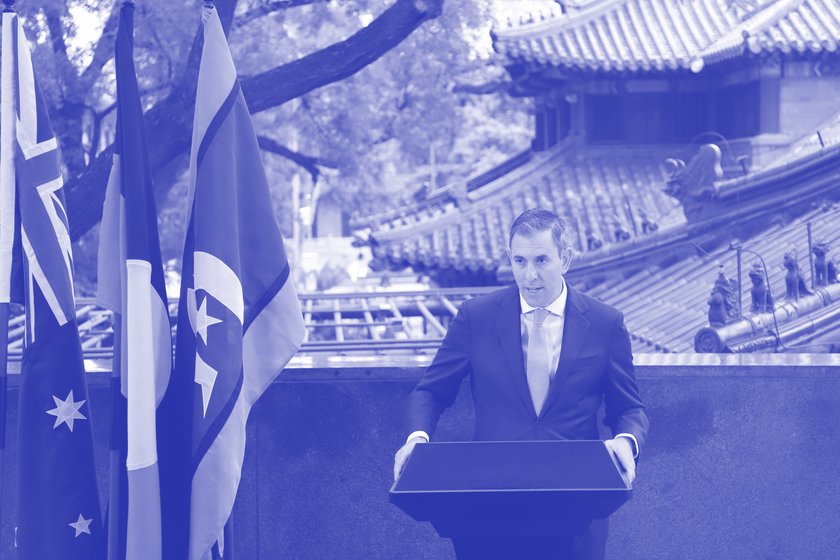
Australia has long benefited from China's booming economy and high levels of immigration. Deloitte says the economic behemoth's slowdown shows why a new approach is needed.

Politicians are always ready to blame each other for the housing crisis. Yet both sides' solutions are remarkably similar.

An appearance from the RBA's deputy governor will headline the week in macro, but there'a also plenty going on in the corporate world in both Australia and the US.

Stronger-than-expected employment data has made it even less likely that homeowners will get a surprise Christmas gift from the RBA.

There is increasing pressure to adjust the prudential regulator’s 3% interest rate buffer and mortgage risk-weighting to provide a leg-up for first home buyers.

The Reserve Bank will publish a new set of forecasts in a matter of weeks. Data this week will show whether it needs to consider changing one of its critical predictions — the unemployment rate.

Nations that score higher on economic complexity typically prove more resilient to shocks. Improving Australia's woeful global ranking is a top priority for the Centre for Policy Development.

Might the solution to productivity woes lay not with the government but with business leaders themselves?

Reserve Bank deputy governor Andrew Hauser has had a tough ride with the media. But while he impressed today, the reaction to the central bank's minutes show it still faces comms challenges.
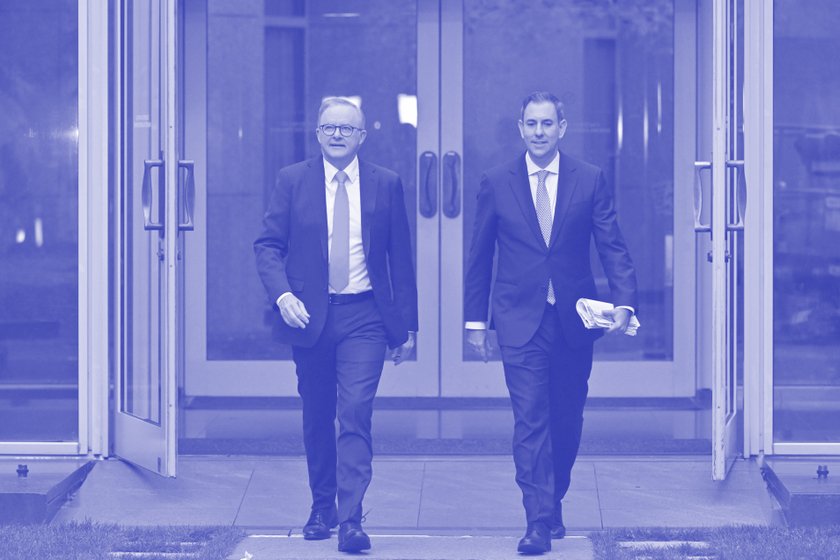
Labor’s bills to improve housing supply are still stuck in the Senate as parliament returns. But internal government briefs show growing pressure to address the demand side of the crisis.

It's going to be a short week in Canberra but by no means a quiet one as debate heats up on housing policy and several RBA officials take the stage.

A surprise retail rebound in August has economists debating whether fiscal measures or warm weather drove the surge, with concerns rising over rates.
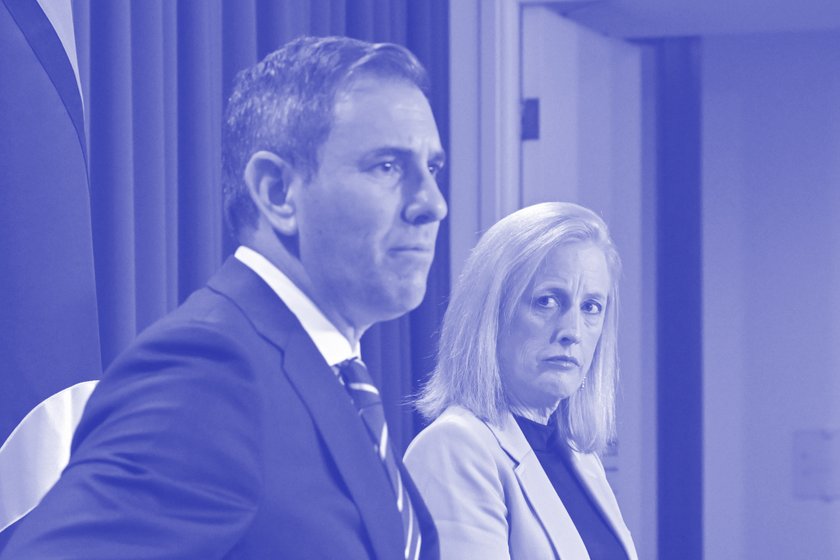
With two consecutive surpluses under its belt, the government may well be tempted to pull the pin on an early election.

The ABS was planning to send out its Census test, including new sexuality and gender topics, just days before the Prime Minister said the questions "weren't appropriate".

Moves by China to stimulate the world’s second-largest economy are already affecting the ASX — and will have profound implications for Australia beyond that.

The political debate about the economy will only intensify with new house prices data and budget surplus figures set to dominate the week ahead in macro.
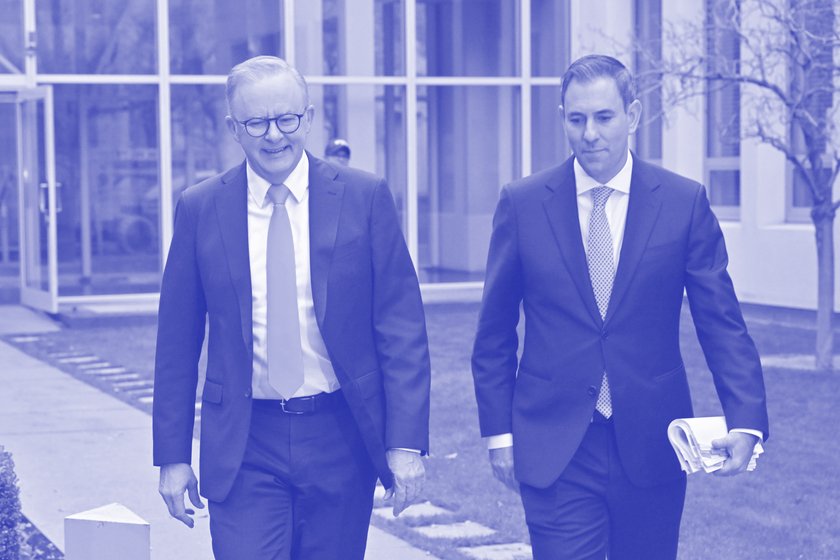
Labor MPs were left aghast this week at the government’s response to speculation it was planning to amend negative gearing and the capital gains tax discount.

The Albanese government is 'flying the kite' on changes to negative gearing and capital gains tax concessions. In doing so, it risks losing control of the narrative.

Prime Minister Anthony Albanese and Treasurer Jim Chalmers are considering changes to negative gearing but the process is in its early stages, sources told Capital Brief.

After weeks of tumult over the economy, neither the Treasurer nor the Reserve Bank governor were trading blows on Tuesday. But it will only get tougher from here.

Anthony Albanese doesn’t like being pressed by the media on his plans for negative gearing. Is he simply fed up, or is he about to make a move on landlord tax concessions?

It's going to be another big week in macro, with the RBA's rate decision on Tuesday the headline event and big speeches to watch from Peter Dutton and Joe Hockey.
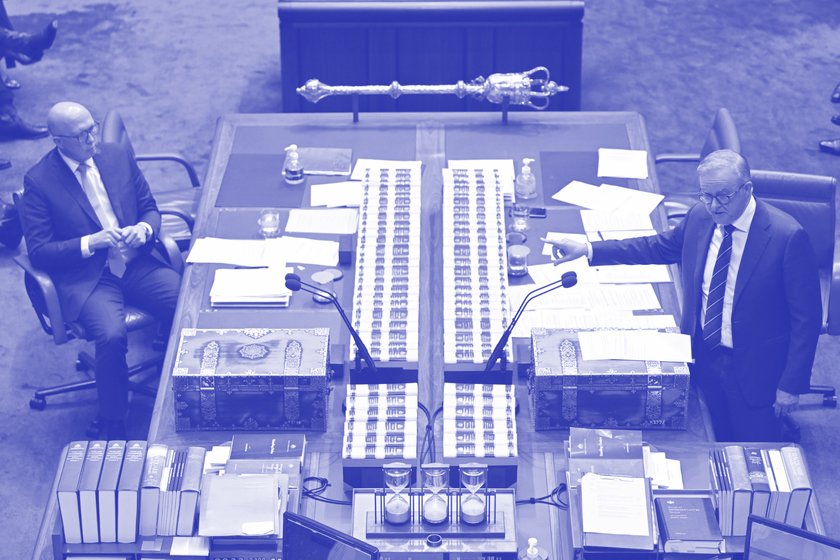
Economists are known for disagreeing with each other. But in terms of what they want to see from the next term of government, there is much common ground.
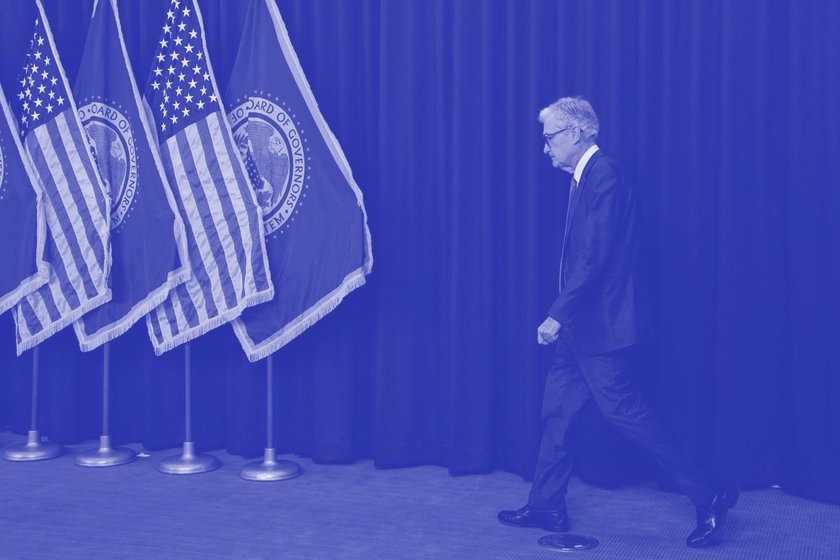
The Federal Reserve is widely expect to cut interest rates on Thursday morning, but experts say a disconnect between the US and Australia on monetary policy is likely to endure.

The shadow treasurer will hit out at government spending on Wednesday as he pitches the Coalition as the party of productivity gains and private sector-driven innovation.
