Politics and policy
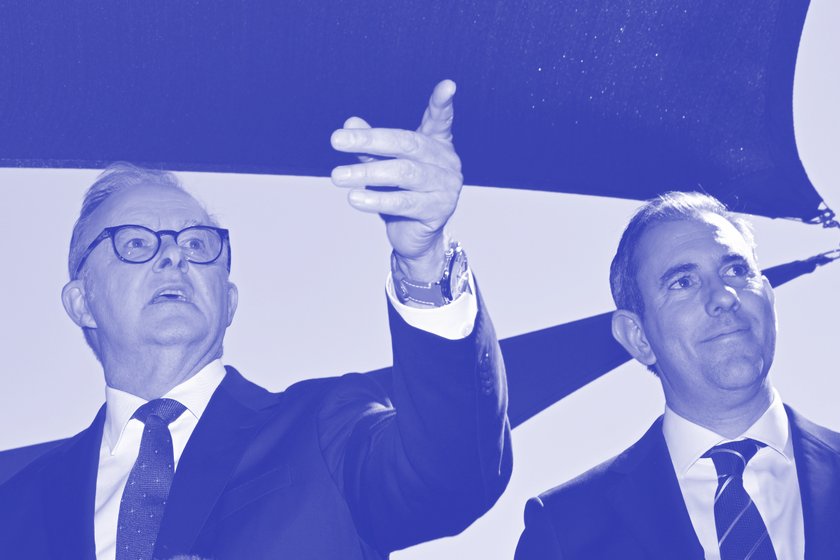
The upcoming Economic Reform Roundtable won’t bring sweeping change overnight. But it could signal the start of a serious shift towards the reform agenda its name implies.
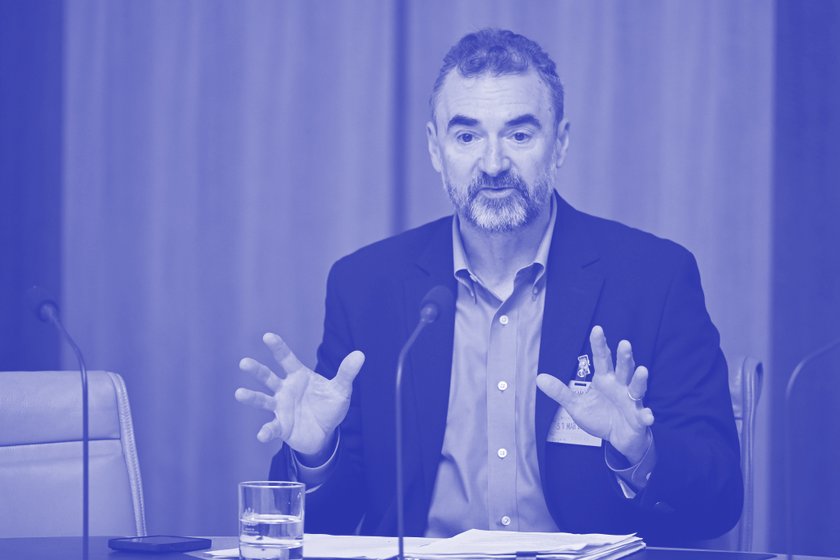
Robert Breunig, a handpicked attendee for Jim Chalmers' Economic Reform Roundtable is scathing about the Productivity Commission's latest contribution to the tax debate.

The Productivity Commission chair has hit back at criticism from the business community over her proposals for a cashflow tax.
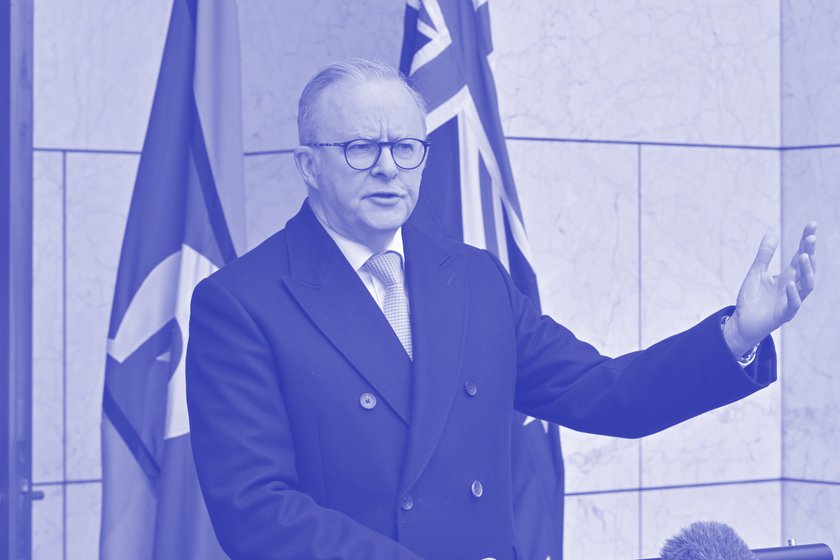
Anthony Albanese is edging toward recognition of a Palestinian state at the UN, but his own red lines on Hamas and the Palestinian Authority may prove impossible to satisfy.
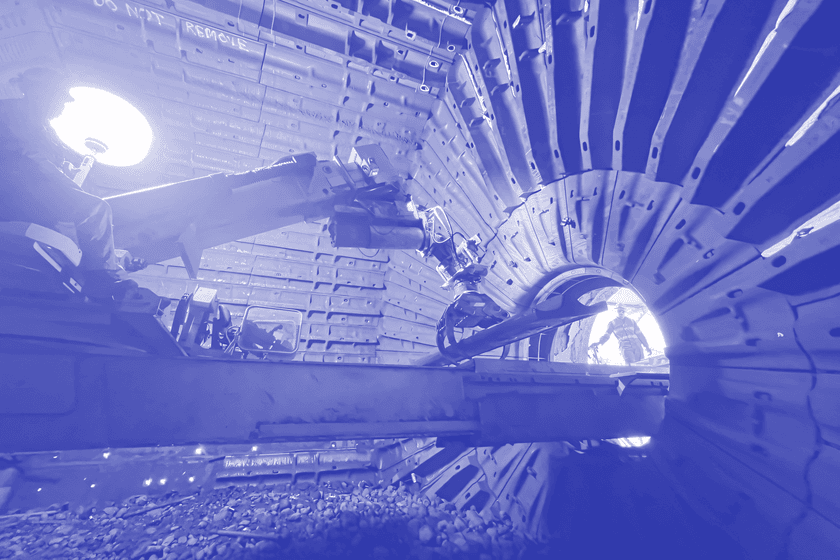
NRF chair Martijn Wilder has told Capital Brief investing in the fund's other priority areas of agriculture, forestry, transport, military and green manufacturing is proving “difficult”.

The economic organisation of advanced economies is unsure whether artificial intelligence will boost productivity or not.
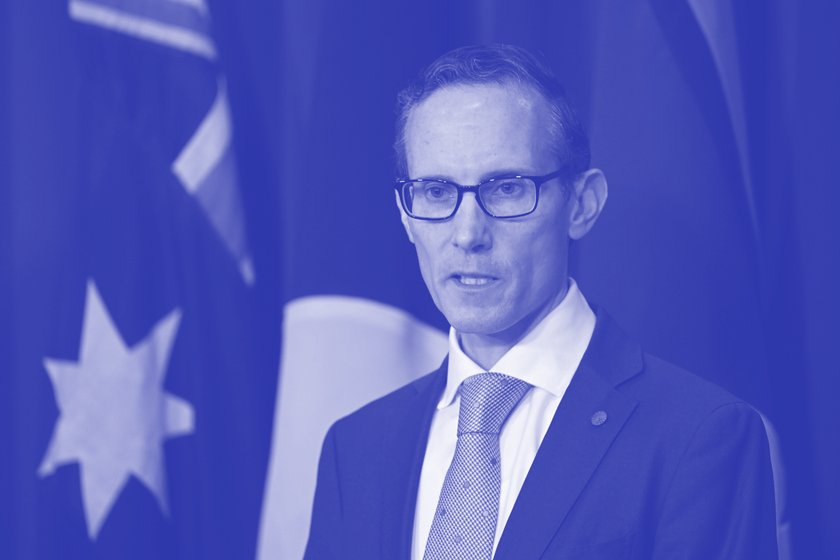
Labor has pledged to scrap non-compete clauses for all workers earning under $175,000, sparking concern from business groups over unintended consequences.
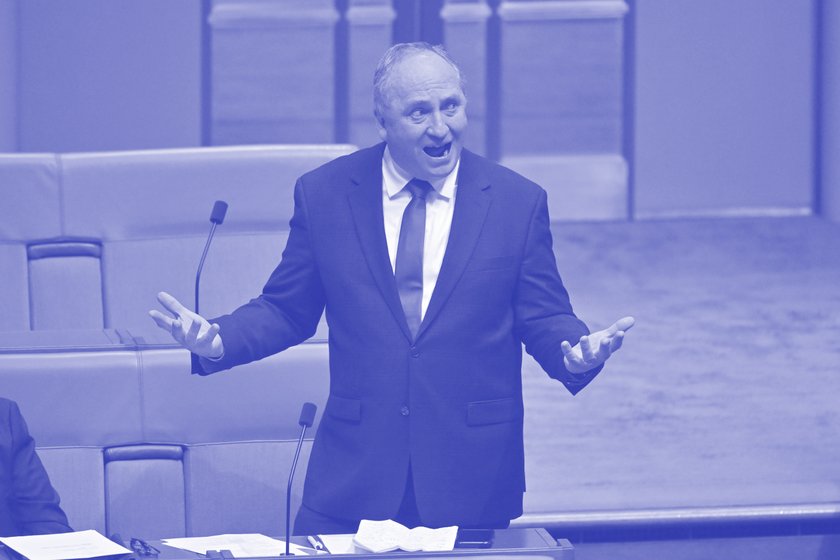
Labor is doling out committee consolation prizes while the Coalition unravels over net zero. But with few new policies, the Albanese government risks drifting post-victory.
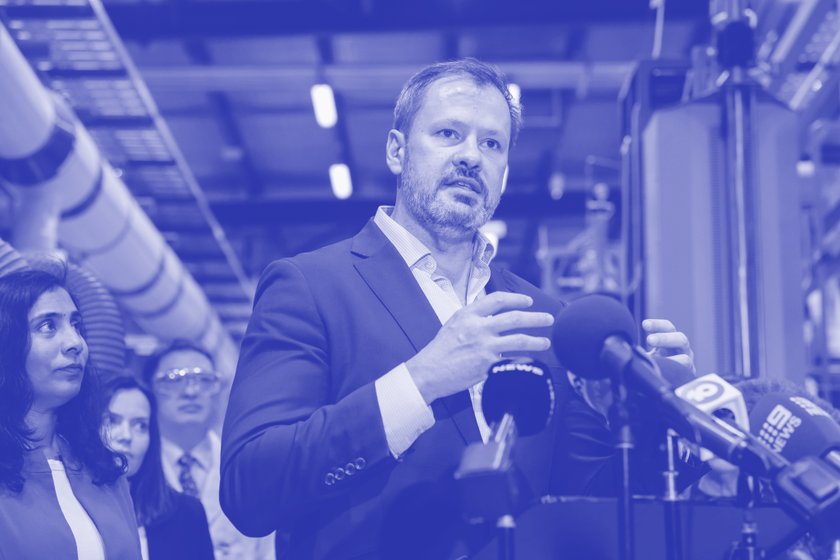
The former industry minister and tech supporter has secured the chair of parliament’s economics committee, giving him a significant platform to influence policy.
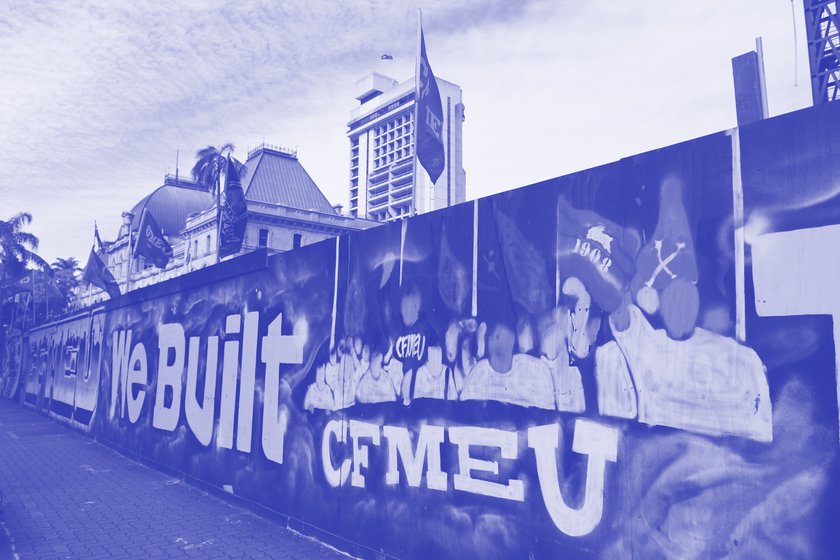
The CFMEU’s unchecked expansion into residential construction threatens housing affordability and taxpayer funds, argues Senator Andrew Bragg.
CPI data this week will determine if an RBA rate cut is finally back on the table. Meanwhile, the US Fed is expected to keep rates unchanged despite pressure from the White House.
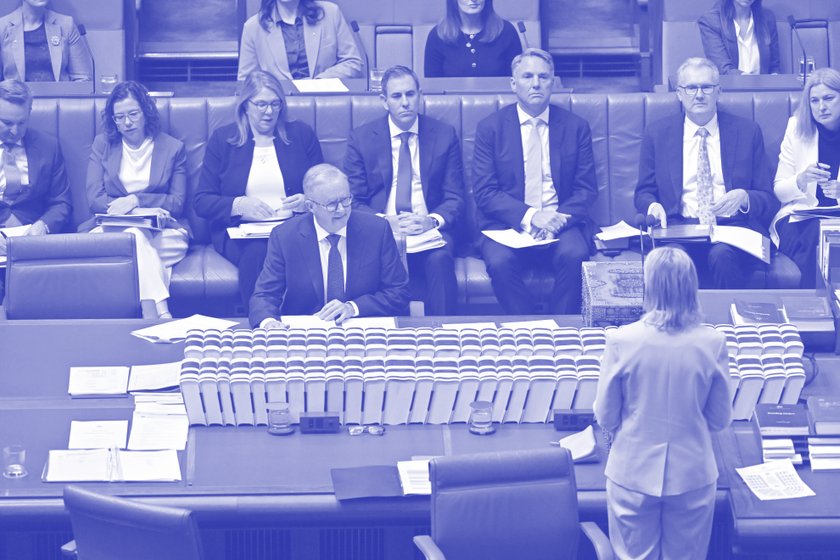
Parliament returned this week with ceremony, protest and posturing as Labor flexed its majority and early signs of its policy agenda for the new term began to emerge.
The Coalition is in disarray and unable to scrutinise. It's a problem for anyone who believes governments in a Westminster system must be made to justify themselves.
