Australian politics

The release of the Albanese government's new cybersecurity strategy next week will include a significant expansion of simulated exercises to prepare hospitals, supermarkets, data storage providers and other businesses to deal with major hacks.
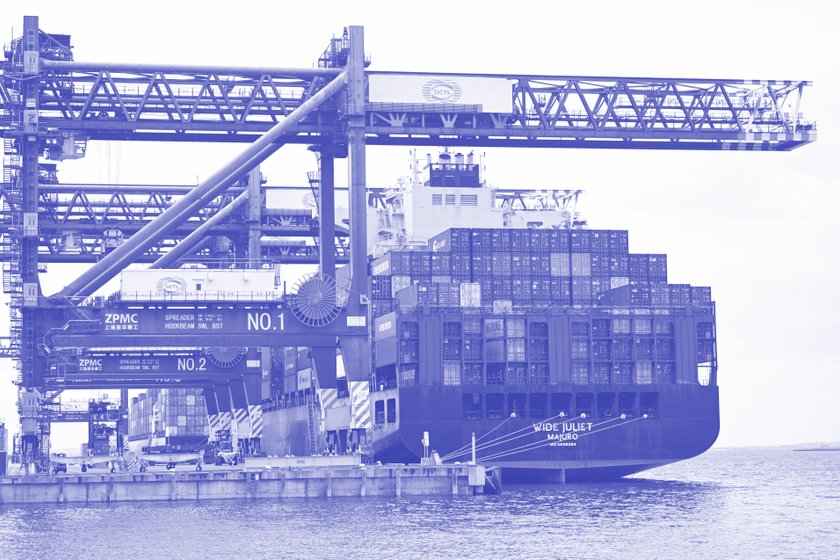
The top cybersecurity official in Home Affairs says the DP World hack poses a warning for how much damage a malicious actor could do to the Australian economy.
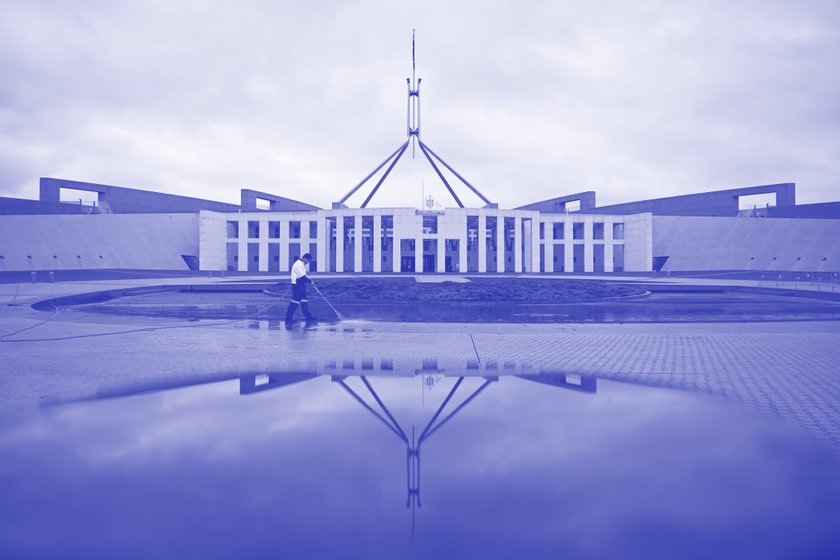
Australian parliamentarians openly admit they don't know enough about cyber policy. As hacking incidents become more prevalent and damaging, this is a problem.

The government’s “prominence framework” was a 2022 election promise that pledged to legislate reform ensuring local TV services can be easily found on smart TVs.

The agreement, reached at the end of the Pacific Islands Forum, allows Tuvalu nationals facing displacement from climate change to live, work and study in Australia.
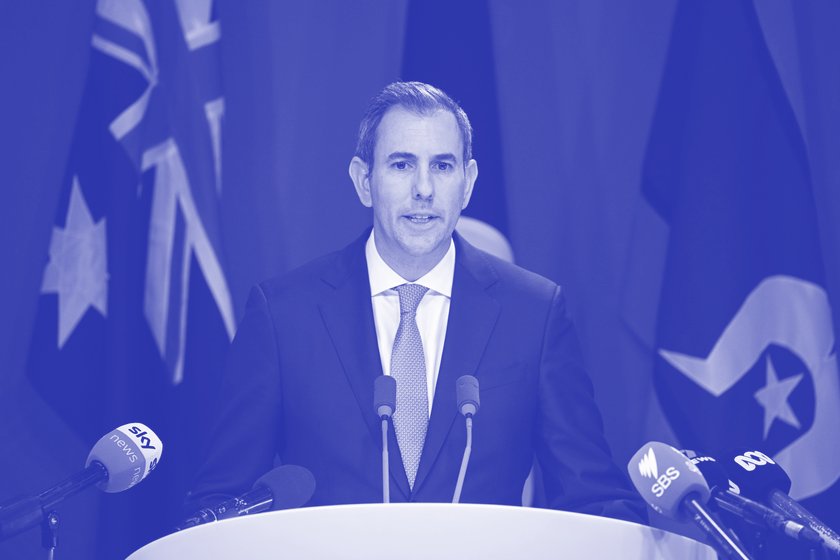
The Albanese government is progressing with the stage three tax cuts in full. But internal Treasury briefs show a distinct lack of enthusiasm for keeping the cuts legislated during the 'wasted decade'.
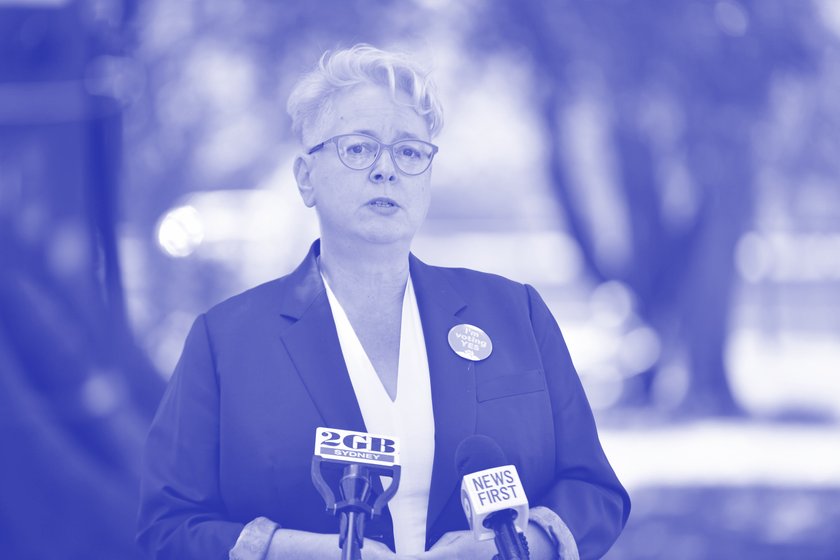
Energy Minister Penny Sharpe insists the state's reluctance to move on from coal power and residential gas does not mean it will fall behind in the race to net zero.
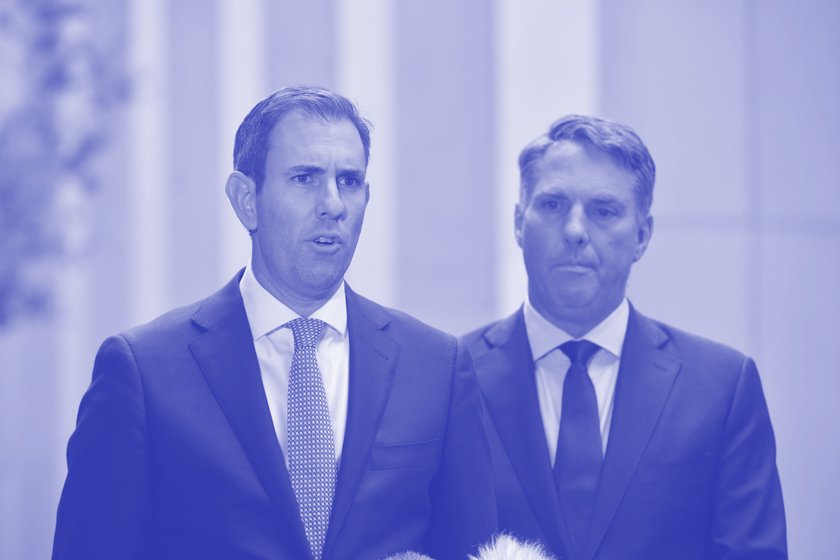
Deputy PM Richard Marles' decision to fly commercially to the US and UK has been seen by some colleagues as an overcorrection after he was criticised for using RAAF flights to commute to Canberra.
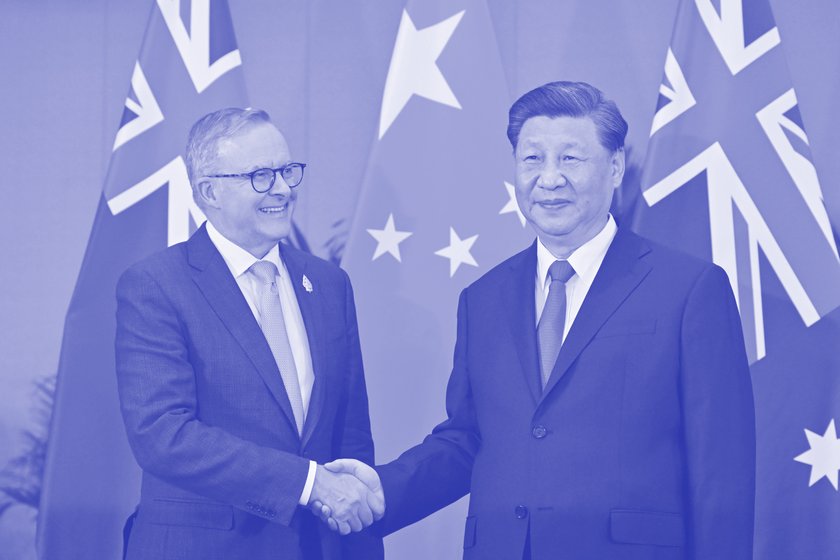
The challenge for Anthony Albanese heading into his China visit is that it's unclear what Australia wants or needs from Beijing in the economic space.

Yang Hengjun's detention remains a sticking point in bilateral ties ahead of Anthony Albanese's landmark visit to China.
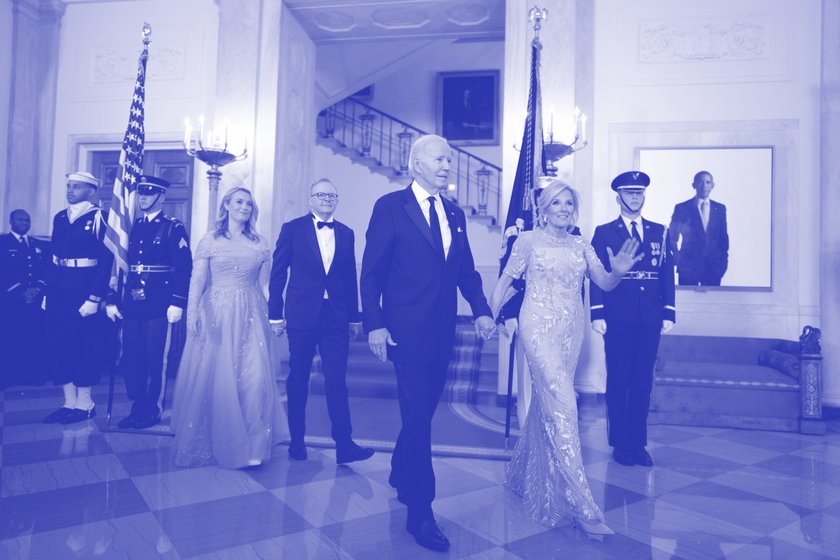
Margot Robbie and Andrew Forrest may have declined, but the guest list still included a long list of celebrities, business leaders and other notable figures.

Close encounters between the Philippines and China in contested waters portent another unwelcome theatre of escalating tensions.

During his first two days in Washington DC, the Australian prime minister has had a message for his hosts about the growing risk of environmental subsidies.
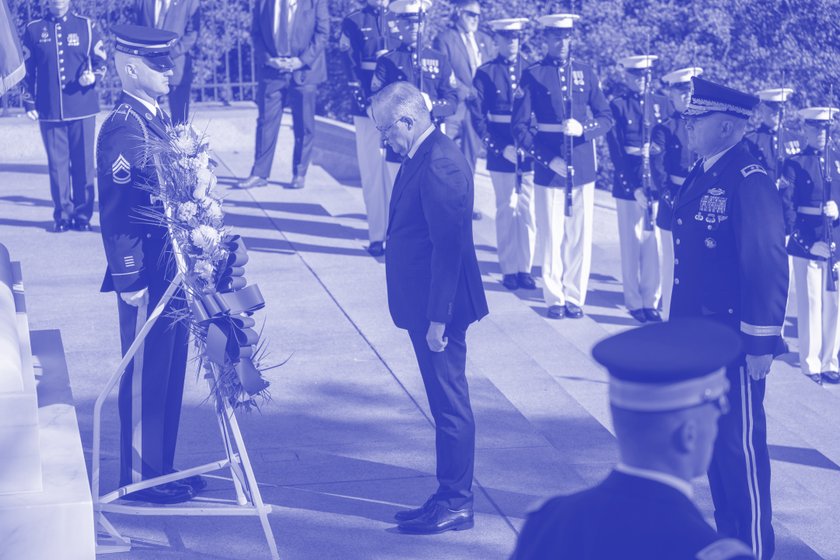
While the prime minister wants to talk about new Australian jobs in tech, critical minerals and clean energy in Washington DC, Israel looms large in the background.
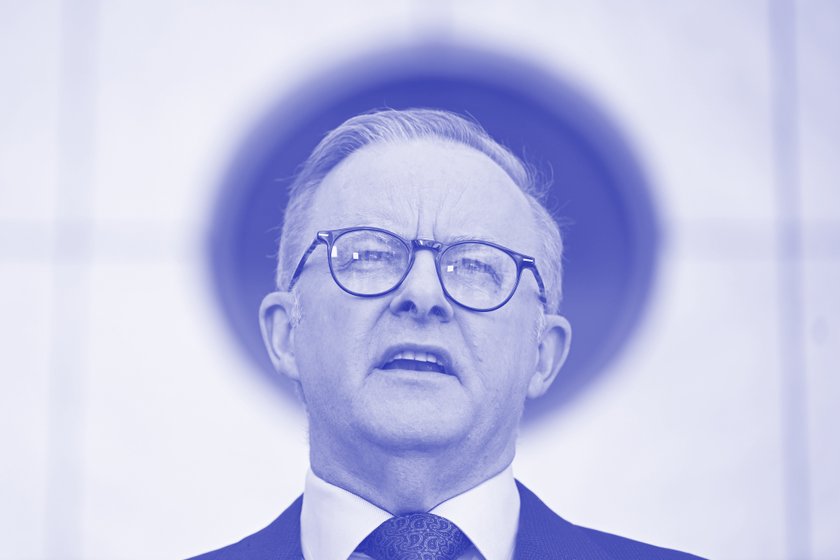
The prime minister's diplomatic skills will be severely tested when he meets with the world's two most powerful leaders on their home turf.
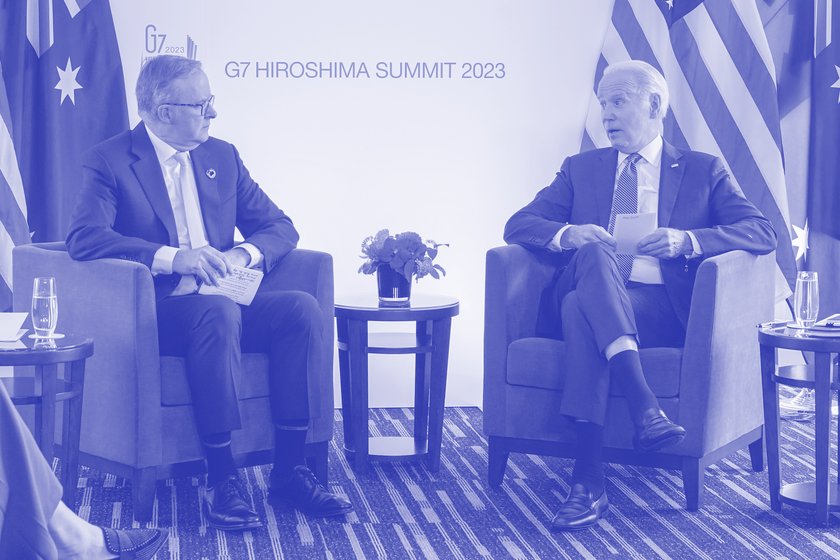
On his visit to Washington DC, Anthony Albanese will find a United States president focused on Israel and Ukraine, rather than China and the AUKUS defence pact.
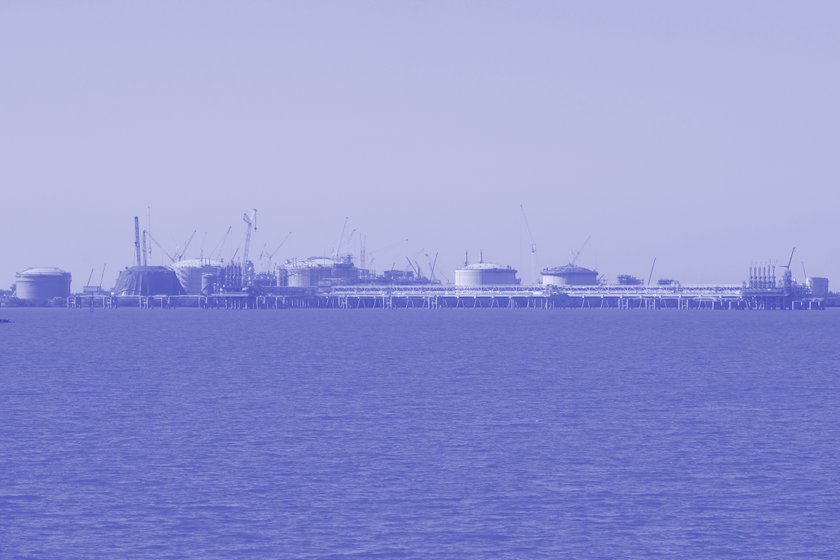
In limiting the scope of the review into the ownership of Darwin's port, the Albanese government received the answer it wanted.
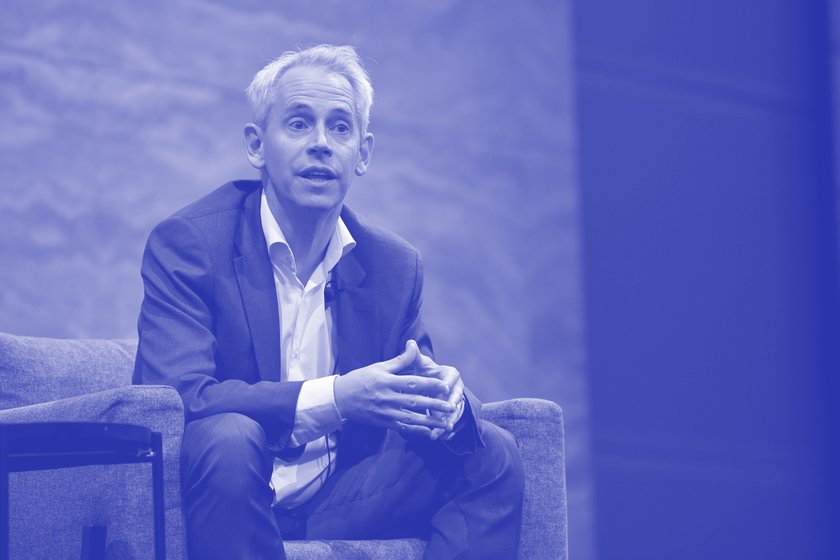
A transcript of Capital Brief's interview with Andrew Giles ahead of the release of a new migration strategy for the nation.
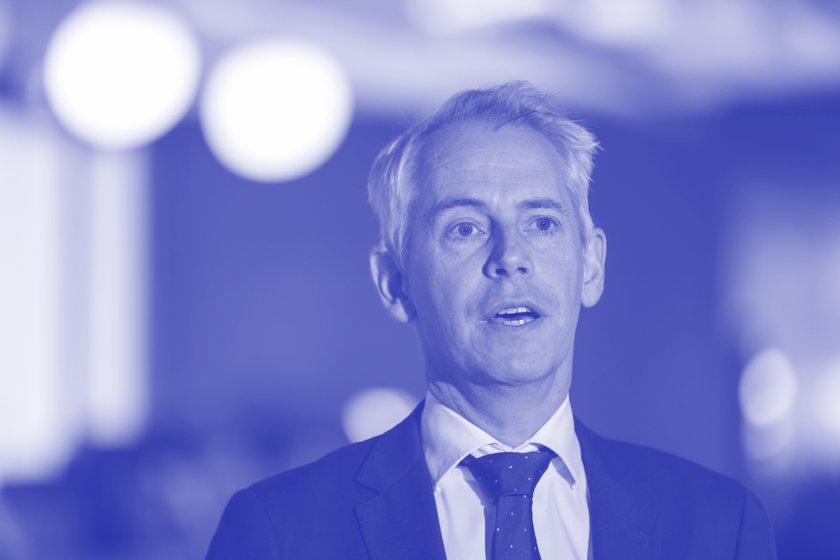
Immigration minister Andrew Giles tells Capital Brief that Australia will move to a tiered migration system, with less regulations placed on salaries over a certain threshold.
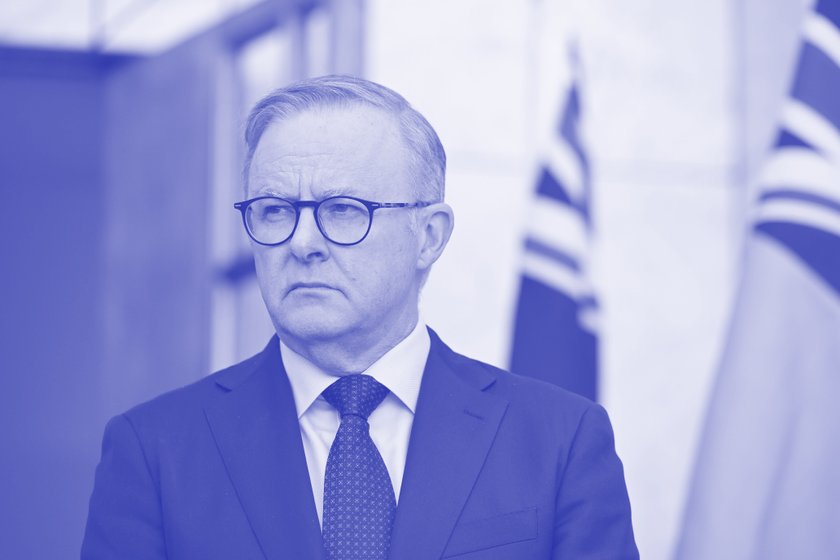
Australia's immigration minister tells Capital Brief that maintaining community harmony in the wake of Hamas' attack on Israel is his number one priority.
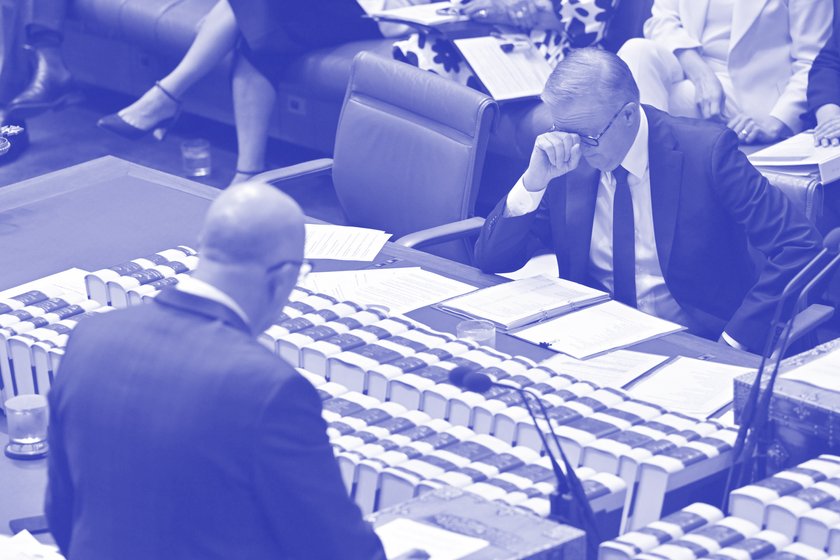
The Voice referendum result poses risks for both Labor and the Liberal Party in their traditional stronghold electorates.
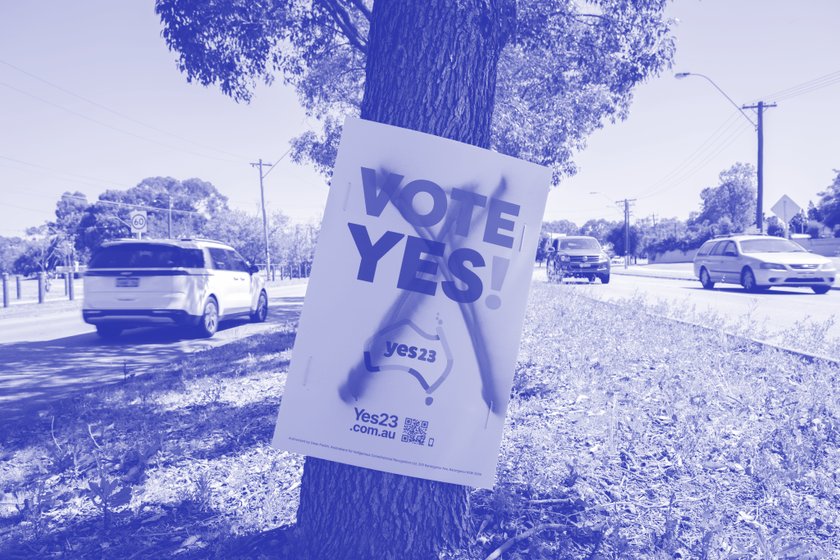
Many of our biggest companies were outspoken in their support for the Voice. The results of Saturday's vote indicate Australians either weren't listening, or didn't like what they heard.
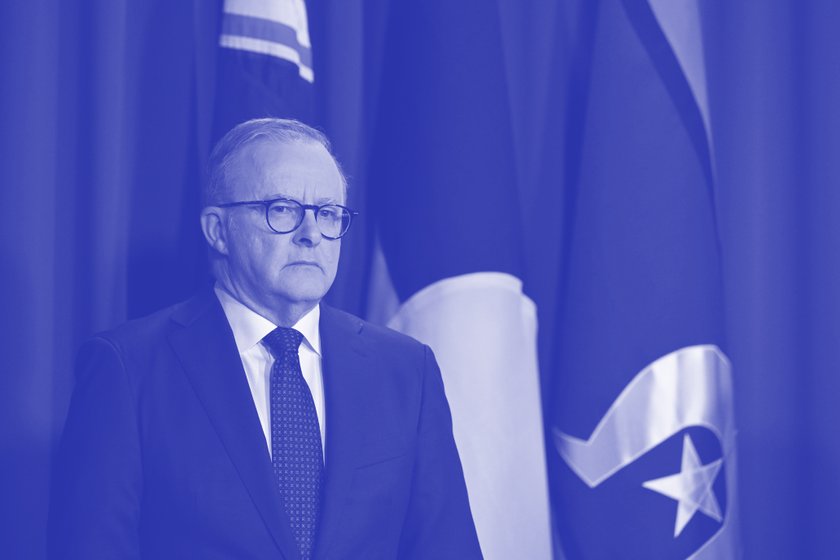
Labor MPs wanted to speak up about the government's crash-through strategy on the Voice, but some say they were threatened when trying to raise concerns.

The Australian journalist’s hard-won freedom was achieved through adroit diplomacy and a Chinese leadership eager to stabilise relations.
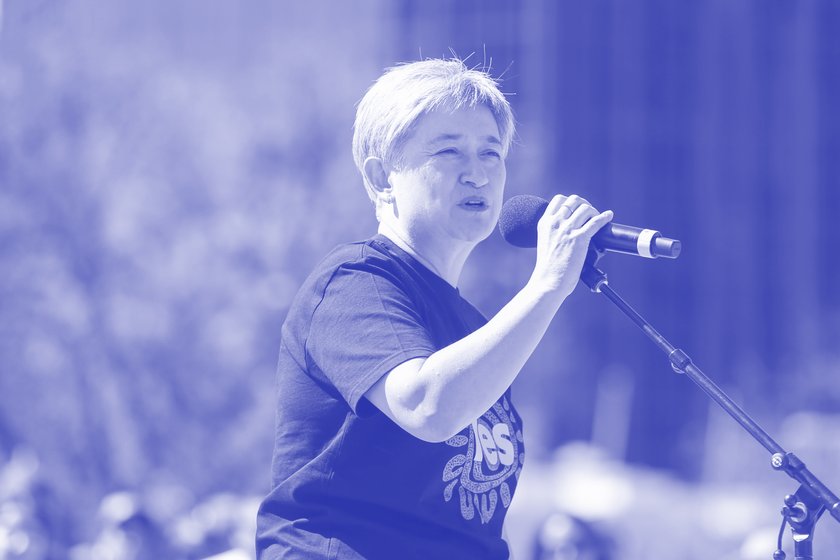
Some believe a 'No' vote will harm Australia's international reputation and diplomatic standing in the region. But there is a lot going on in the world right now.
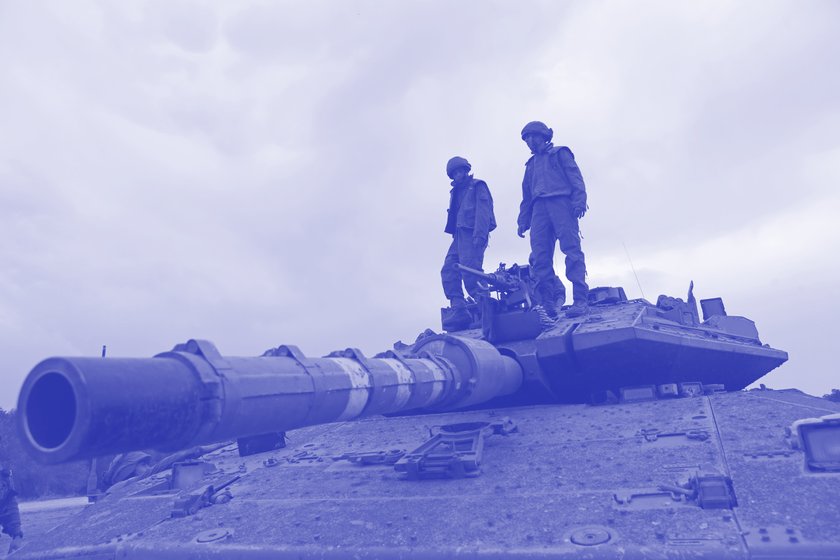
There's little hope of de-escalation after Hamas' devastating assault on Israel.
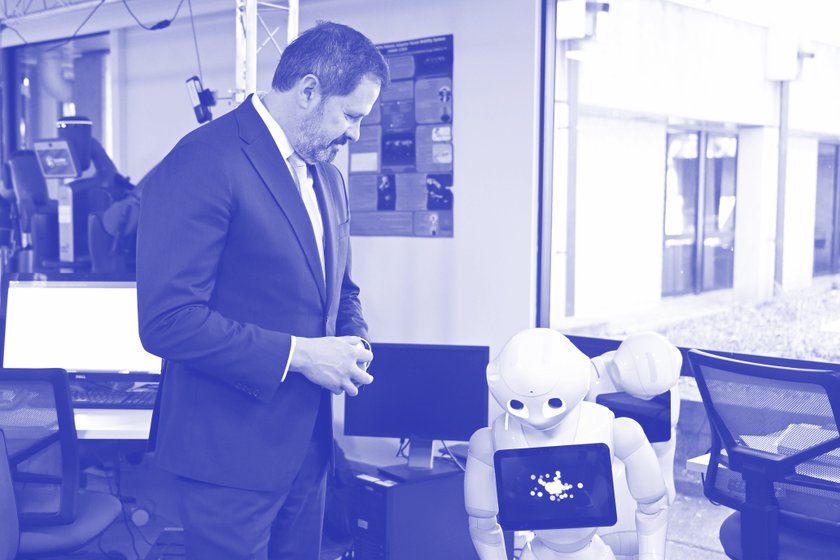
Boffins in Canberra scrambled to formulate a response to generative AI after the launch of ChatGPT. But eight months later, the government is still working on how to regulate the technology.
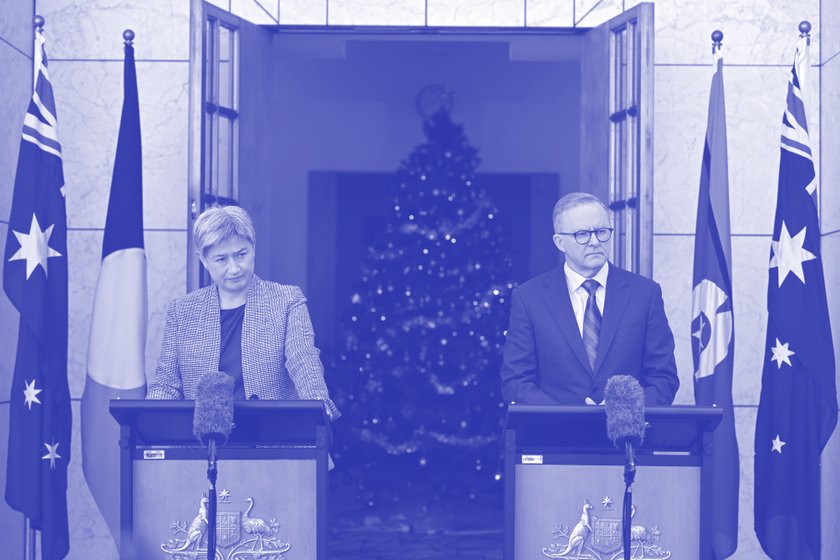
Prime Minister Anthony Albanese took longer than other world leaders to make public statements on the Hamas attack. There are a few likely reasons for that.
