Deep tech
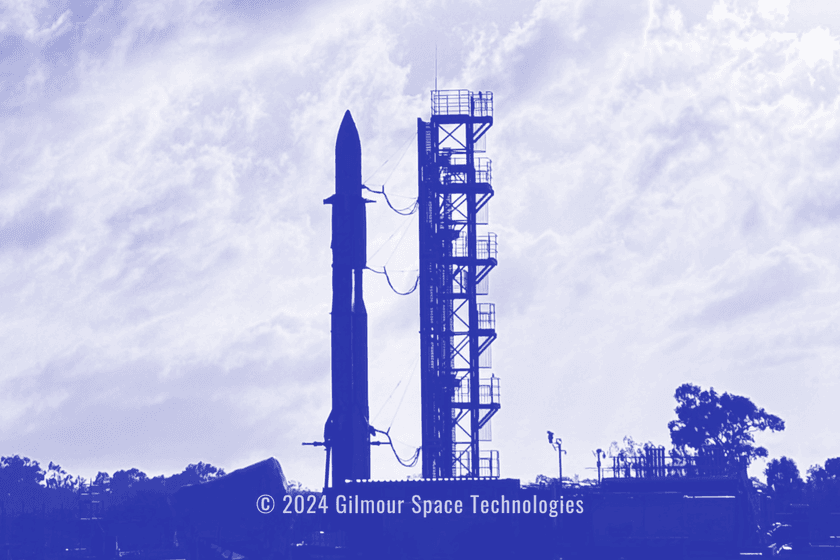
Australian law firms are taking different paths to address slow and untested regulation in the country's growing space industry.
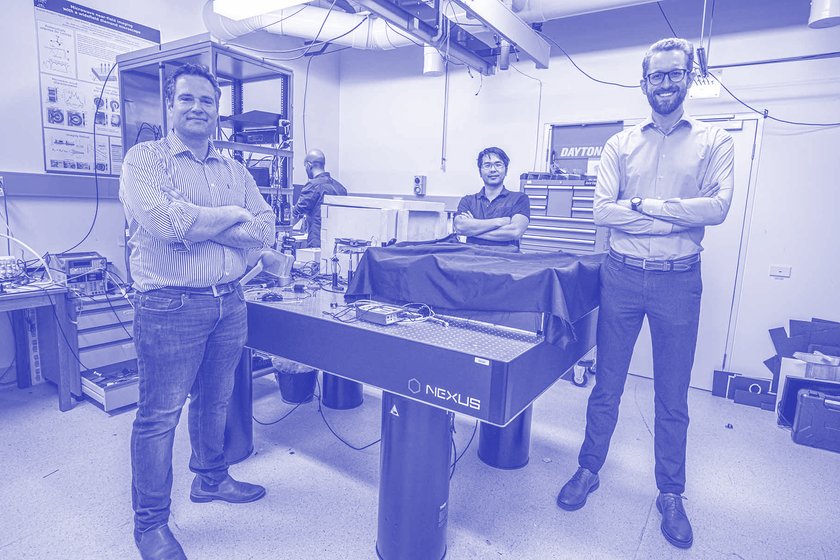
As one of Australia's most promising quantum startups raises $23 million to build a diamond foundry, a breakthrough from Google reminds us that the quantum era is still billions of dollars away.

Australia’s startup ecosystem is evolving, with 22% of ventures now classified as "deep tech", according to the 2024 Startup Muster report.
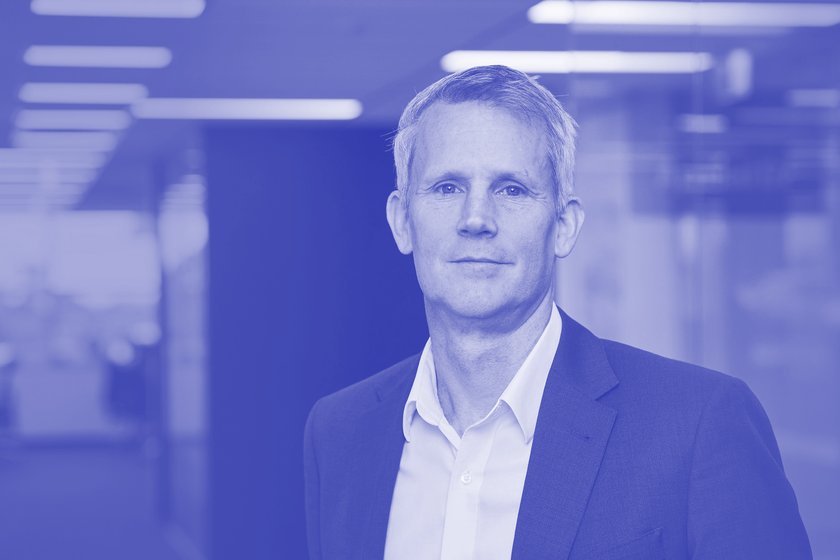
The Australian autonomous vehicle maker has generated enough revenue over the past two years to sustain its operations, according to founder Julian Broadbent.

Ten months before drone startup Swoop Aero entered into voluntary administration, its co-founder resigned from the board. It was a key moment for the company.
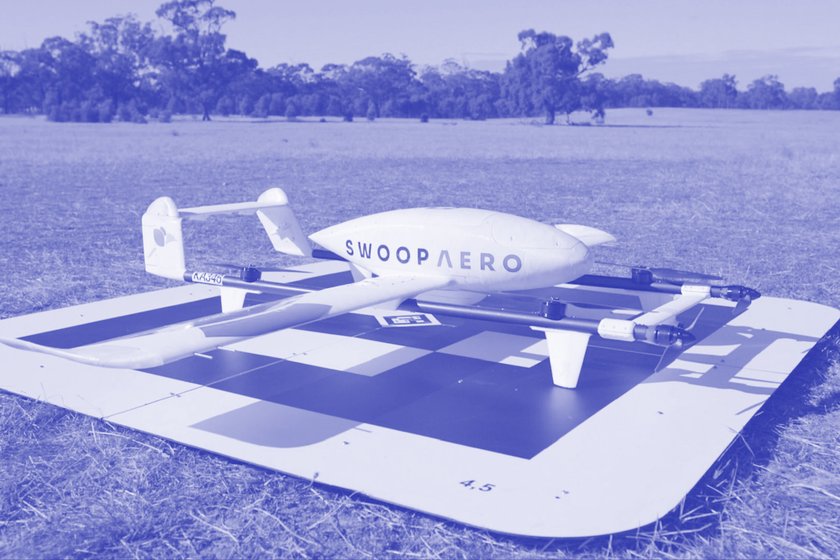
It raised $26 million from Main Sequence, Folklore and other big name investors and in 2022 rejected a $100 million buyout. Now Swoop Aero is being stripped for parts.
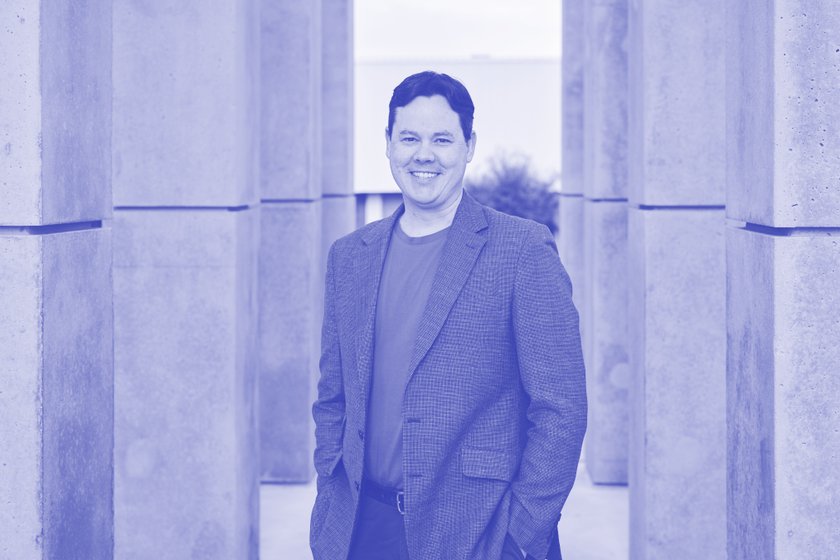
The company's "vegan animal fat" aims to give plant-based meat authentic taste and texture. Backed by Hostplus and Main Sequence, it’s now thinking global.

Main Sequence has recruited three healthcare specialists and hopes to expand investments across therapeutics, diagnostics, devices and digital health, with a particular focus on women's health.

Nuclear fusion is still about 30 years away from going mainstream. Australian fusion startup HB11 has a plan to be profitable before then.
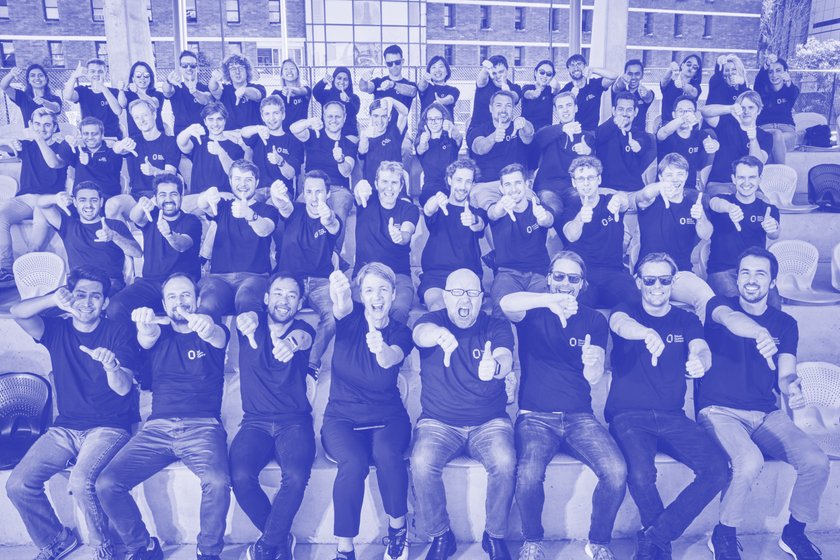
Michelle Simmons revealed at SXSW that her company Silicon Quantum Computing has notched some wins this year. It's not the only local quantum startup to have done so.

For some, Elon Musk's big robotaxi reveal was an exciting glimpse into the future. For others, it was a distraction from Tesla's issues in its core business.

The startup, which develops software to make quantum computers more reliable, has raised a total of $166 million during its extended Series B.
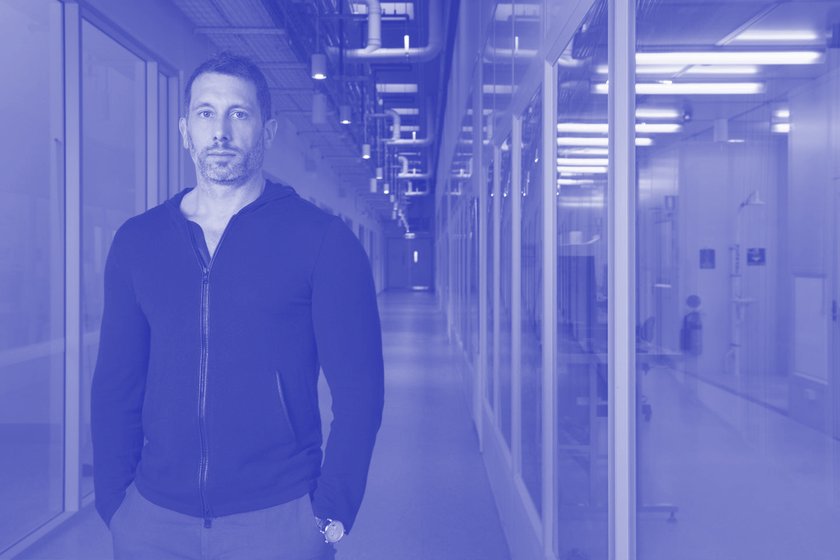
Quantum computing startups are eligible for government support via the National Reconstruction Fund, but after a year, the NRF has yet to make any investments.
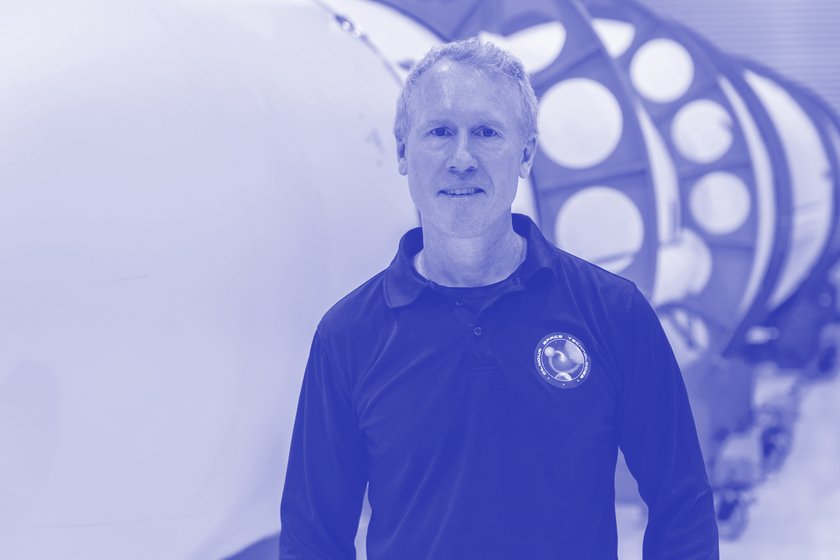
Gilmour Space Technologies has plans to raise capital and win funding from the National Reconstruction Fund — but first, it has to get clearance to launch its rocket.
The Canberra-based startup develops laptop-sized quantum computers, and is expected to receive $15 million for its contract with Germany's top cyber agency.
