
Silicon Valley’s DCVC sees growing opportunity in Australia's deep tech startups, citing strong universities and a vibrant startup ecosystem. It isn't alone.

Your complimentary access ends . To keep reading without interruption, subscribe today.
Silicon Valley’s DCVC sees growing opportunity in Australia's deep tech startups, citing strong universities and a vibrant startup ecosystem. It isn't alone.
The VC arm of one of the world's most prolific internet investors has revealed it is scouring the Australian startup market for deal opportunities.

The new platform, led by Grace Bird, aims to turn research into venture-scale businesses by providing crucial early-stage support and funding.

In-Q-Tel invests in tech for intelligence and defence. In five years in Australia, it has backed nearly 20 local startups.
The startup, which was established in 2012 and raised $108 million in 2022, creates navigation tools that can be used below sea level and above the atmosphere.

Promising an evolution in WiFi technology, Morse Micro raised a huge $170 million round in 2022. Now, it has a product in the market and a long-term goal of going public.

The Main Sequence-backed startup plans to build a unique facility here in Australia, though US incentives are also tempting, says CEO Michele Stansfield
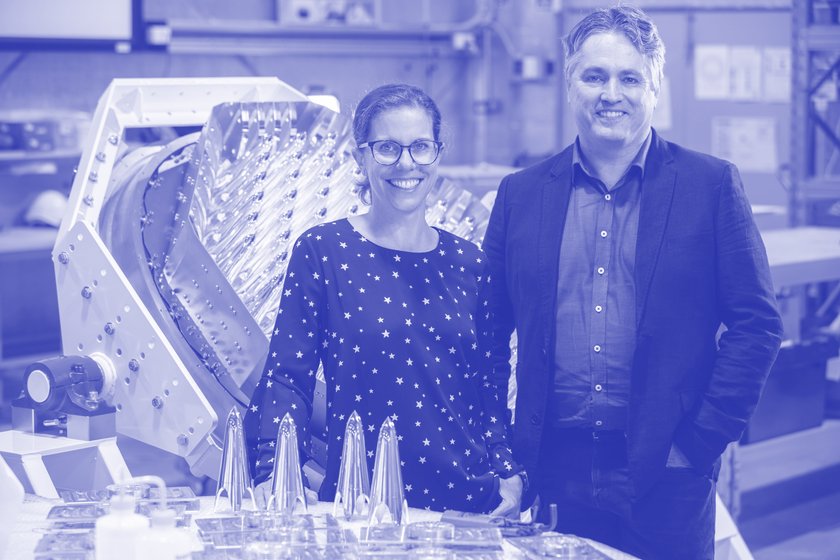
The Australian startup has been building satellite-tracking tech for years. Now, it’s ready to make sales — but to a different customer than originally planned.

Australia has proven capable of producing cutting-edge startups. The challenge is keeping them here.

The Commonwealth and Queensland government's invested $940 million in PsiQuantum in May. Now, the startup has struck a deal to build a quantum computer in Chicago.

While the defence tech company has a compelling story to tell, it clearly looked wildly overvalued. And a Capital Brief story on short sellers willing to bet on that was enough to send its share price plummeting.
Local universities are brimming with climate tech innovations, but the path to commercialisation is hard and funding gaps remain.

The startup is part of a growing space diplomacy movement between Australia and India.

After a US$8 million seed round, Sydney startup Psylo is shipping its headquarters to the US. But there’s a reason why American co-founder and CEO Joshua Ismin is staying put.

Documents released under a Freedom of Information request show the Department of Industry was not just chasing commercial goals when it invested in PsiQuantum.
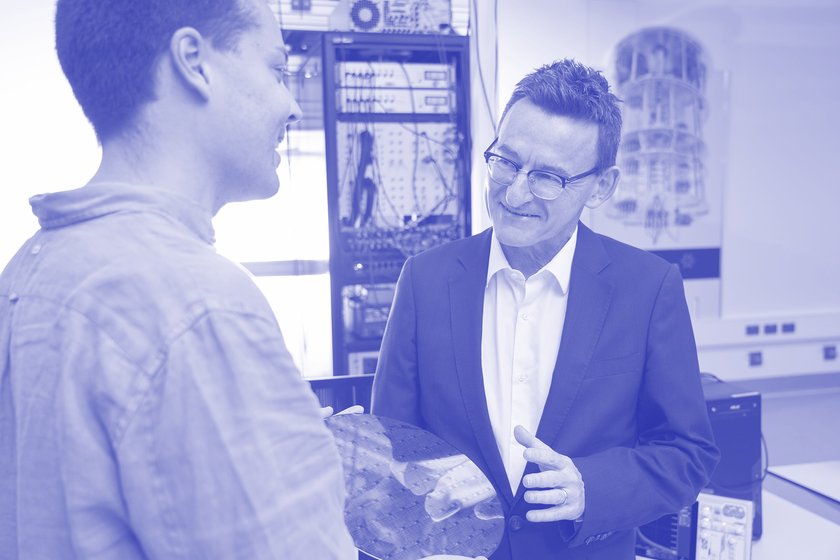
The Sydney deep tech startup has struck a deal with GlobalFoundries, which makes semiconductors for the likes of Qualcomm, to make a batch of its quantum-powered chips.
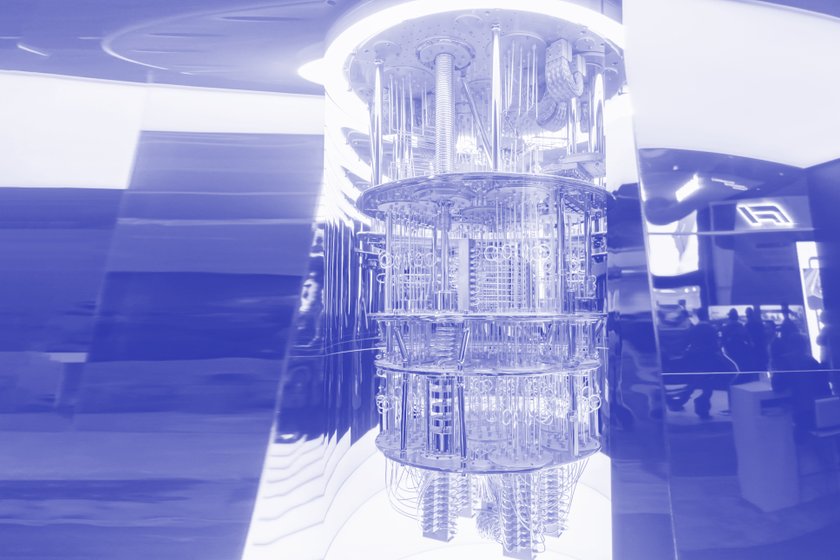
Meta doubts whether quantum computing will ever be viable, while some like Amazon think that moment will come but only in a decade or so. IBM and Google are all in, and may beat Australia to the punch.
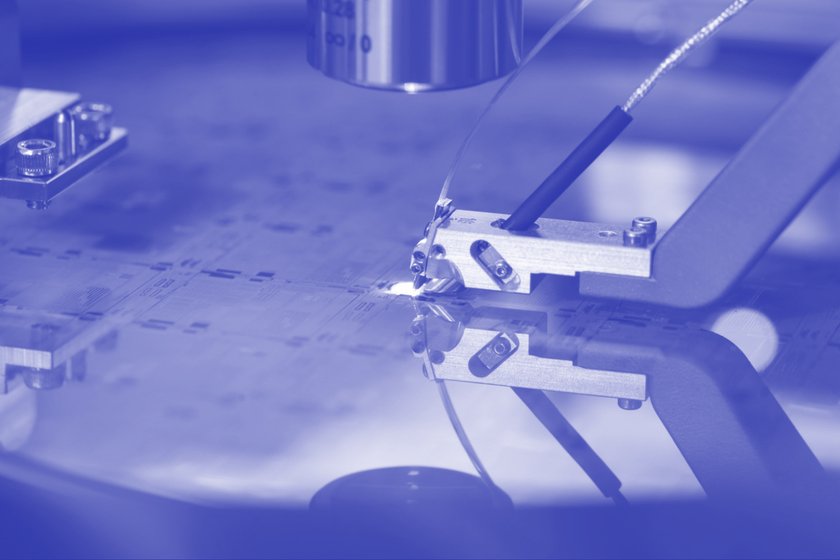
The Coalition has continued its criticism of the government's investment into a Silicon Valley quantum computing startup by highlighting rising legal costs related to the deal.
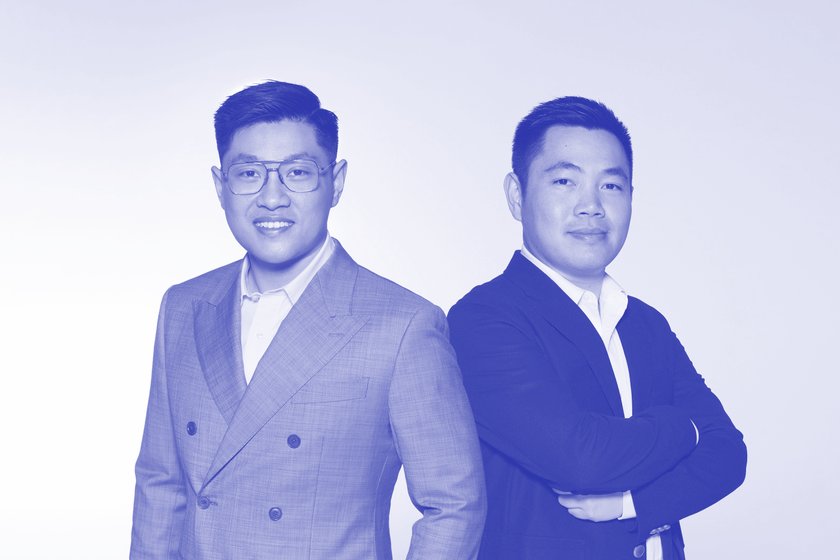
One of Australia's most high-profile AI startups is benefiting from government initiatives in England and Hong Kong. Australia's government should follow suit.
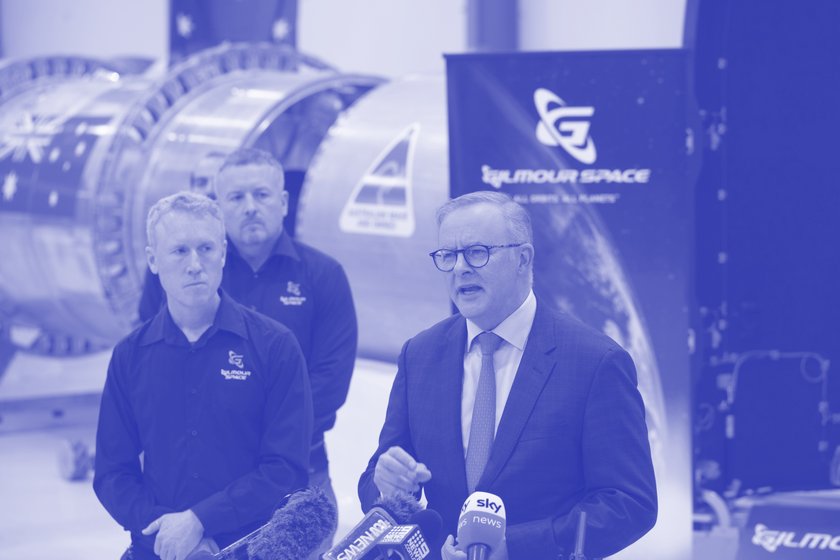
Gilmour Space Technologies will soon seek to join SpaceX, Virgin Galactic and Blue Origin as it attempts to send its own rocket into orbit.
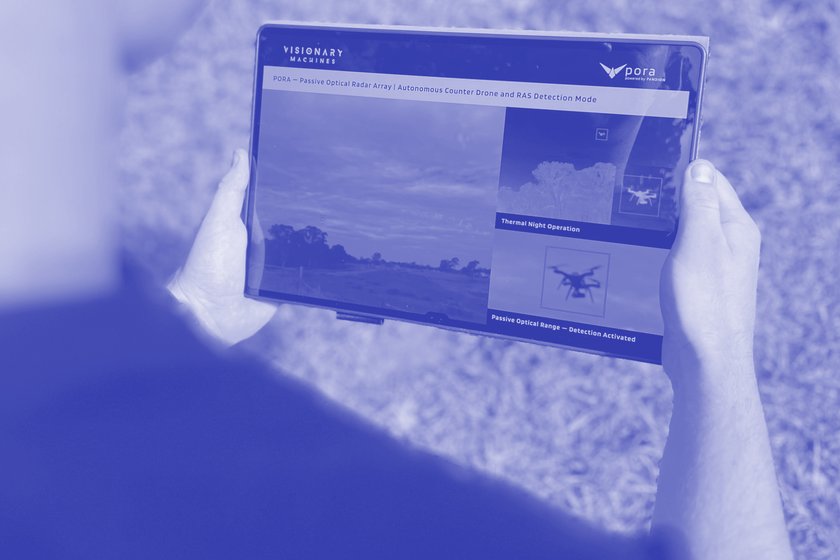
The Sydney startup develops technology that allows autonomous vehicles to see the world around them using cameras, rather than industry-standard lidar.

In an exclusive interview with Capital Brief, Anthony Albanese said the process went through “many hours of many meetings, at every level of our cabinet processes" - but the federal opposition is not convinced.
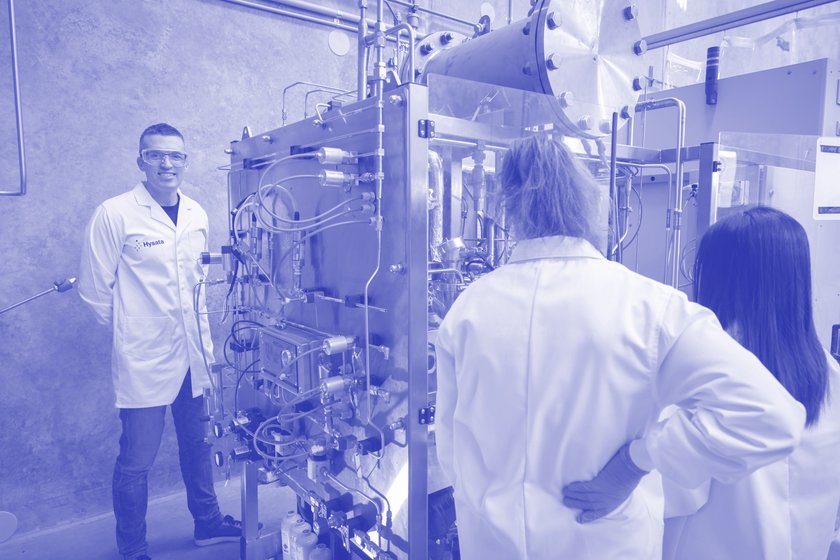
IP Group was the first investor to support Hysata's high-efficiency electrolyser technology, which can now be commercialised after the company completed a $172 million Series B funding round.

In an exclusive interview with Capital Brief ahead of the budget, the Prime Minister gives the strongest defence yet of the government's decision to invest nearly $1 billion in a quantum computing startup.
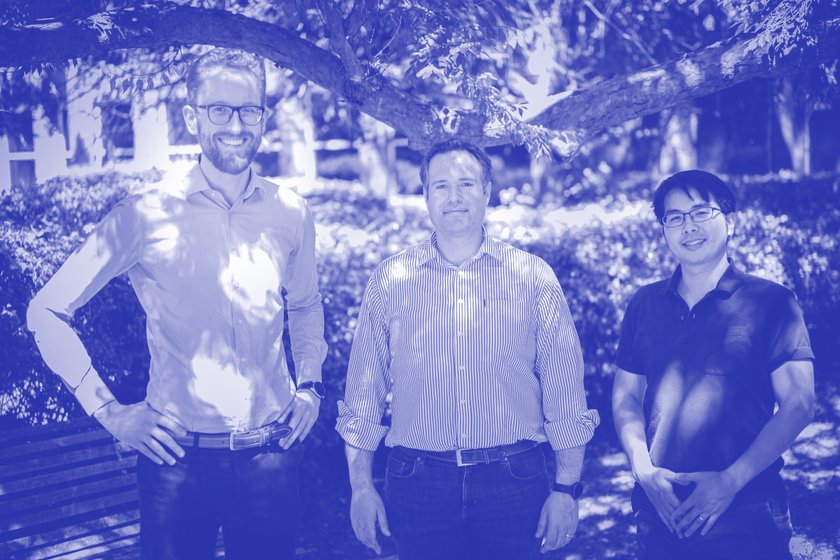
Different quantum technologies should have been put to the test before the Australian government's investment in PsiQuantum, according to a rival startup.

Your email address will be stored in accordance with our privacy policy.