
Andrew Cornell
Associate editor, banking and finance
Andrew is a multi-award winning journalist, including a Walkley for analysis of the global financial crisis, and was founding managing editor of ANZ bluenotes, Australia's first corporate newsroom. He is a former associate editor and north Asia bureau chief for The Australian Financial Review and author of several books on business and Japan.
Contact Andrew via email or Signal.

QR code payments dominate in China, India and other emerging economies. Now they've arrived in Australia, but widespread adoption faces major hurdles.

Voters in Japan, which is still crucial to Australia's economy, have just added to the instability sweeping through markets in the 'year of the election'.

Jefferies' poaching of a veteran banking analyst from Goldman Sachs shows their Wall St rivalry has well and truly arrived in Australia — and it's massively boosting pay packets for the lucky targets.

The ACCC has decided against decisive action into foreign currency transactions and cross border transfers despite arguments for greater transparency in the opaque market.

FOI documents reveal two major industry organisations made last-minute lobbying efforts just weeks before the government passed the contested reforms with bipartisan support.

Red Energy has become the first major Australian institution to adopt the NPP’s PayTo feature, enabling real-time, secure bill payments directly from customer bank accounts.

Despite yield pressure and asset valuation concerns, there's no shrinkage of the appetite for private credit, with major superannuation funds leading the push in Australia.

ANZ's venture arm is not dormant, its CEO says, but it has been focused on preserving its portfolio of investments in the last two years - including a stake in Airwallex. That's about to change.

The government’s plan to ban surcharges on debit transactions could rattle the business models of Australia's legion of payments fintechs.
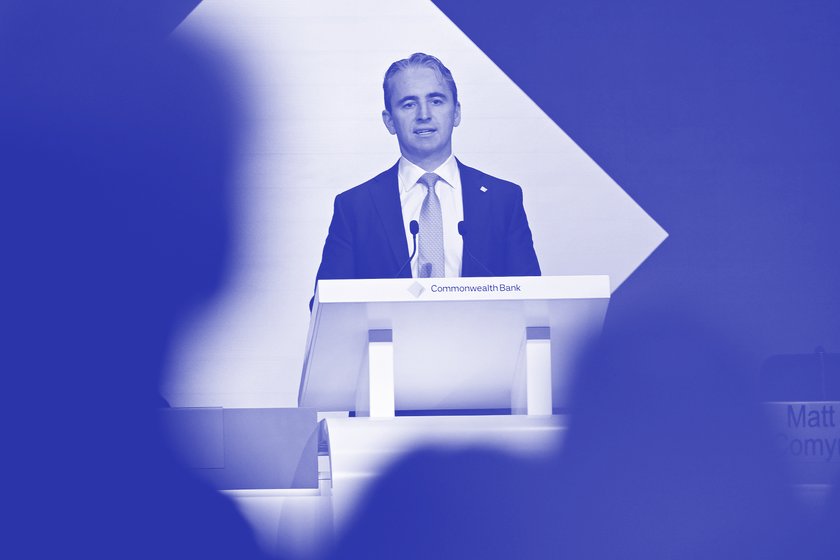
Investors are eager to sell expensive bank shares. With no major issues in sight, a China-driven switch to mining stocks seemed possible. It hasn't held up.
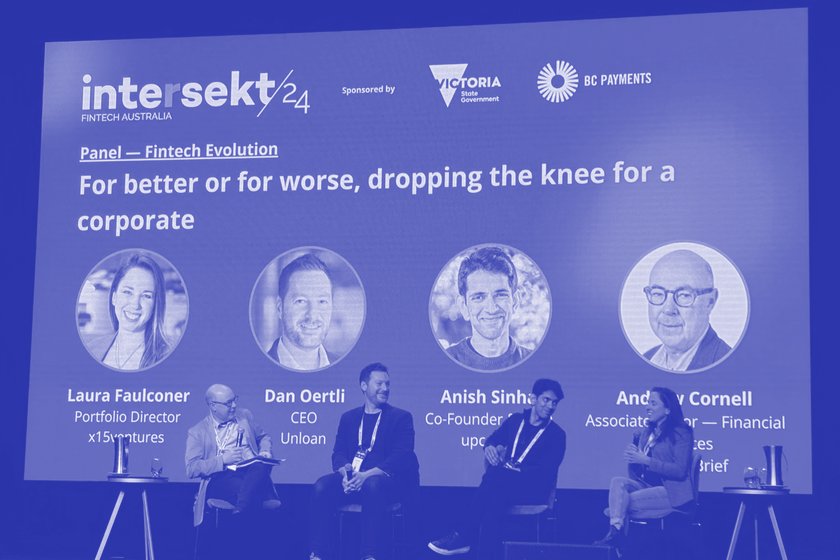
This year's edition of Intersekt cut to the core of fintech’s biggest debates, from founder mode and manager mode to the evolving corporate-fintech partnerships shaping the industry’s future.

One of the new wave of private credit funds, Arrowpoint Capital has a very specific focus and likes to be boring. But it is not immune to stresses in the sector.

The most transformational developments in payments, which will reshape financial services, are real time account-to-account payments and open banking, according to Capgemini.

You wouldn't know it from the sentiment and insolvency data, but business banking is the hottest area of competition, and not just based on the price of lending. Citi, for one, is targeting businesses with offshore ambition.

Amid a push for extra fees in the new real time payments system, the RBA has warned participants to recognise the benefits they are receiving, not just their spend.
PayTo, meant as a low-cost direct debit alternative, is facing the prospect of extra fees — raising costs and the prospect of consumer surcharges.

Australia's high bank share prices have much to do with consistency and safe haven status. Westpac's very predictable decision to appoint Anthony Miller as its new CEO won't damage that reputation.

Returns on private credit investments are falling as more funds, fewer suitable assets and looming regulatory scrutiny all dampen the market.

Are small merchants cross subsidising large ones for digital payment costs? Who should pay for cash? Who's making money from surcharging? The payments debate is heating up.

The ranks of mid tier banks have plunged 90% during Marnie Baker's 35 years at Bendigo Bank. Without government intervention or regulatory changes, it could get worse.
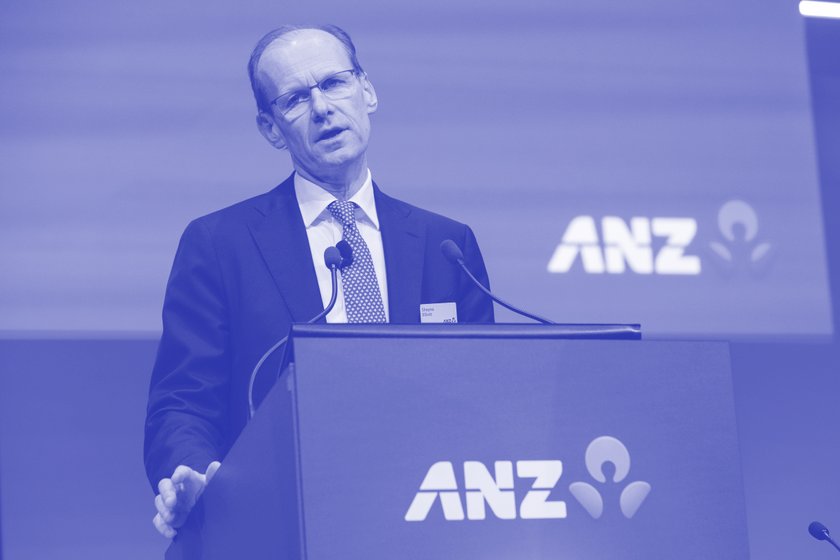
APRA is hiking ANZ’s capital penalty by 50% over its bond scandal, but even more damning is the regulator's frustration with the bank's slow pace on risk management and cultural issues.

Westpac was once the most enthusiastic of the big four banks on VC. Now it is taking a more nuanced approach to the fintech sector.

Many banks are dealing with margin pressure, low revenue growth and signs of a turning credit cycle. But for Bank of Queensland, these problems are existential.

The corporate regulator is drafting new guidance for cryptocurrencies, ramping up enforcement and engaging with the industry ahead of upcoming legislation.

The bank's trading update today completed a picture of a sector in good health. But bank shares remain extremely expensive — even for the banks themselves.

There are conflicting messages in this week's earnings and employment data — not the best news for those betting on a rate cut this year.

Private credit is one of the hottest asset classes in Australia, and now a Senate inquiry will look into how it could boost home ownership.

The Consumer Data Right appeared to have lost the interest of the government despite its huge promise. Now it has a clear agenda, and banks and fintechs are on notice.

Private credit is booming in part because banks are pulling out of lending to riskier sectors. But the big lenders are still clipping the ticket on the surging asset class.

The "carry trade" of borrowing cheap Japanese currency at low rates and investing elsewhere has been a mainstay of financial markets for years.

The major banks make consistent profits and pay solid dividends, but they seem unjustifiably expensive. Competitors are looming and winning share but their share prices are not for the faint-hearted.

The predicted cost benefits from artificial learning are overstated, according to Macquarie analysts, while regulators are also adding notes of caution to the most ambitious plans.

The millionaire factory's trading update showed it will keep the pressure on margins, with the focus now shifting to Commonwealth Bank and Bendigo Bank results — and the ongoing strength of bank shares.

Four big banks, four models of corporate venture capital. CBA's is the most tightly controlled — but in return, it promises a more efficient pathway to scale.
