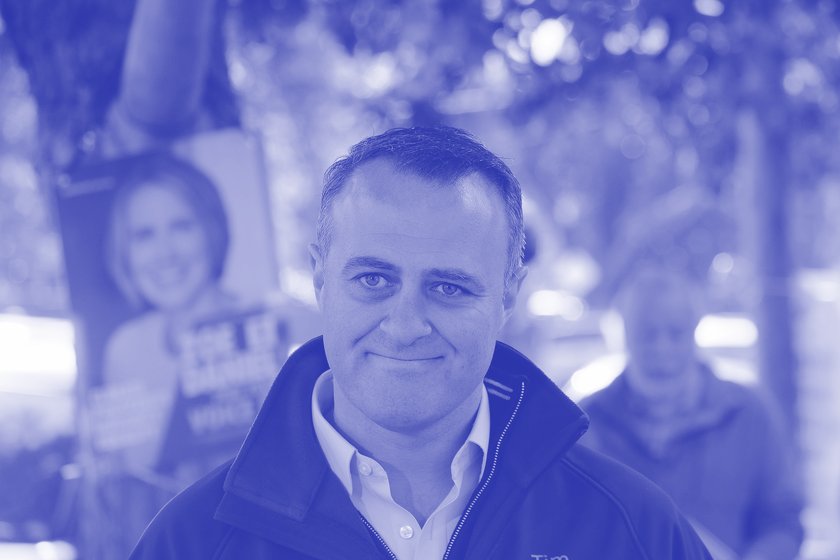
The former MP, who's again running for the Melbourne seat of Goldstein, isn’t up for much media right now. That’ll surprise those who knew him during his time in parliament.
Your complimentary access ends . To keep reading without interruption, subscribe today.

Chief political correspondent
Anthony is the chief political correspondent for Capital Brief, based in Canberra. The award-winning journalist has been a political news breaker for some of Australia’s biggest publications including the Herald Sun, The Age and The Sydney Morning Herald. A member of the federal press gallery since 2017, he has a keen focus on policy including foreign affairs, national security, cyber and economics. Galloway has also reported from conflict zones, including three trips to war-torn Ukraine.
Contact Anthony via email or Signal.
The former MP, who's again running for the Melbourne seat of Goldstein, isn’t up for much media right now. That’ll surprise those who knew him during his time in parliament.
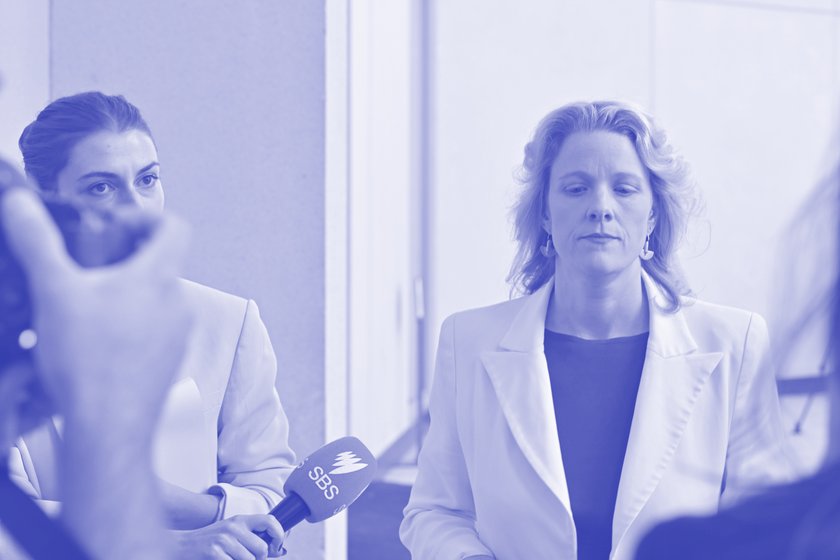
The federal government's attempt to ram through seismic immigration changes has backfired.
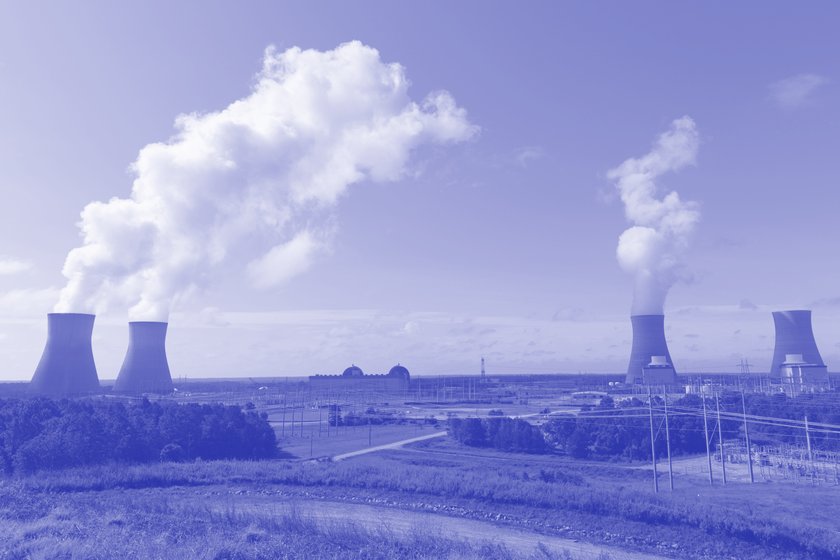
Coalition MPs believe Peter Dutton's push for nuclear power is less about ideology and more about pragmatism and internal party dynamics.

With one eye on the election, Prime Minister Anthony Albanese became deeply involved in Labor's backdown on vehicle emissions standards two weeks ago.
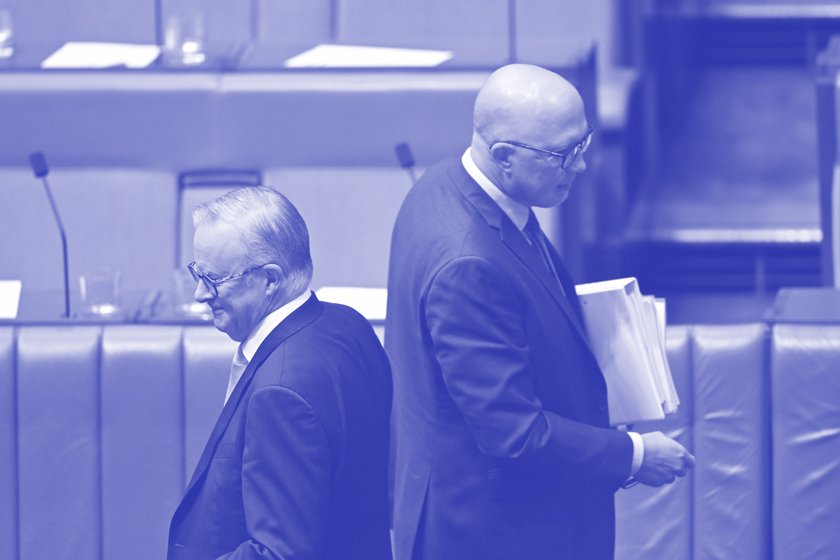
With Australia's population about to hit 27 million, the next election may be dominated by immigration.
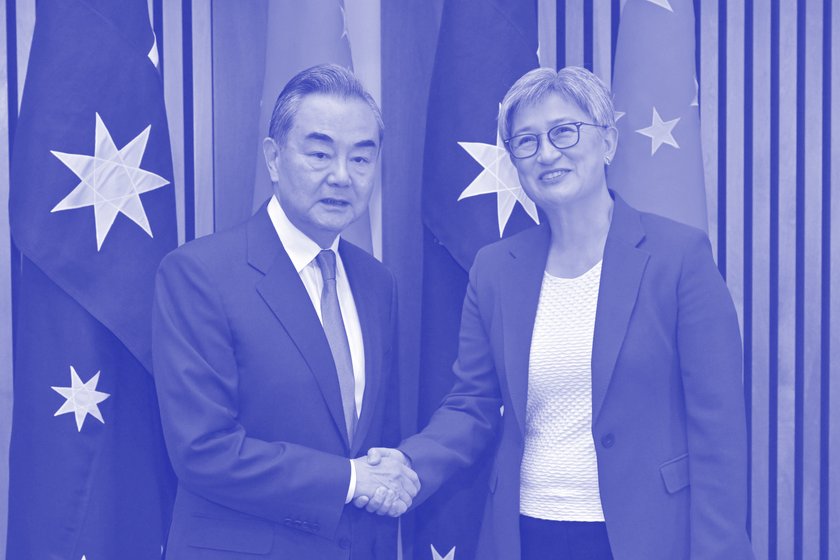
One of the most significant diplomatic meetings for Australia since Labor returned to power was overshadowed today by Donald Trump's off-hand comments about Kevin Rudd.
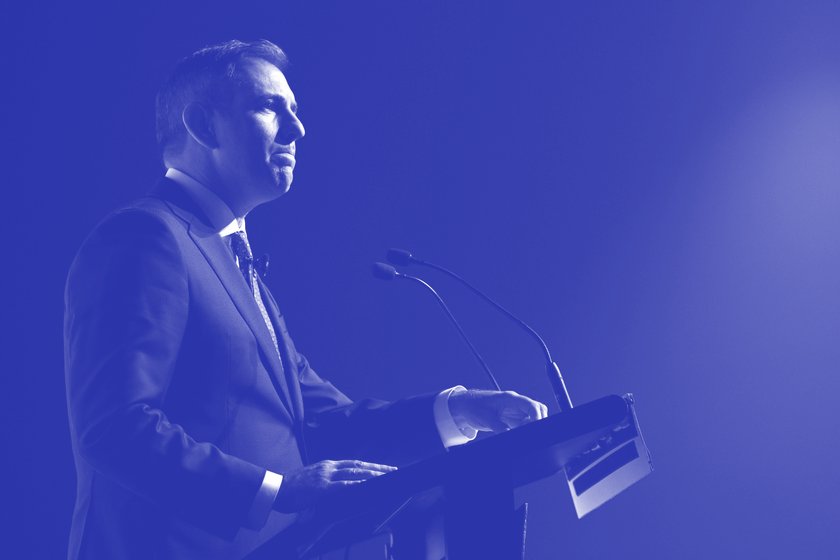
Jim Chalmers is expected to hand down his most boring budget yet. But there may be bigger policy changes on the horizon.
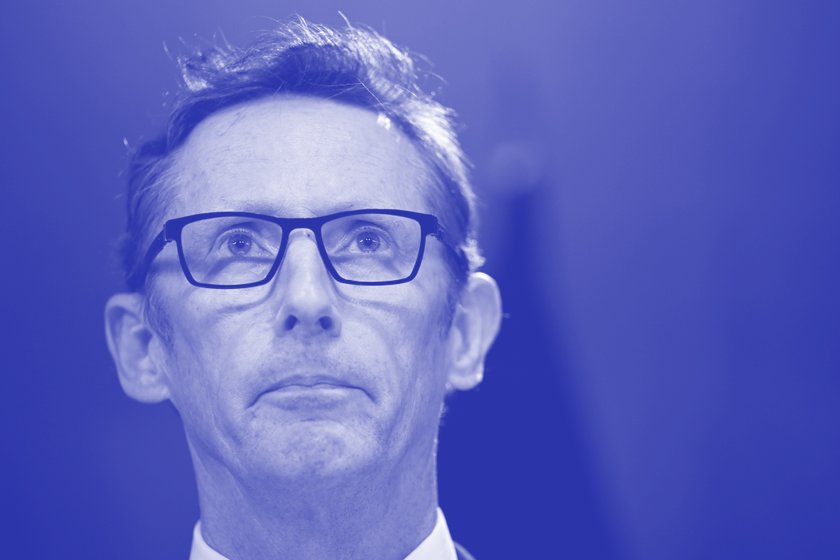
The Albanese government has renewed its call on companies not to undermine the 'stapling' of employees to a single super fund when onboarding new staff.
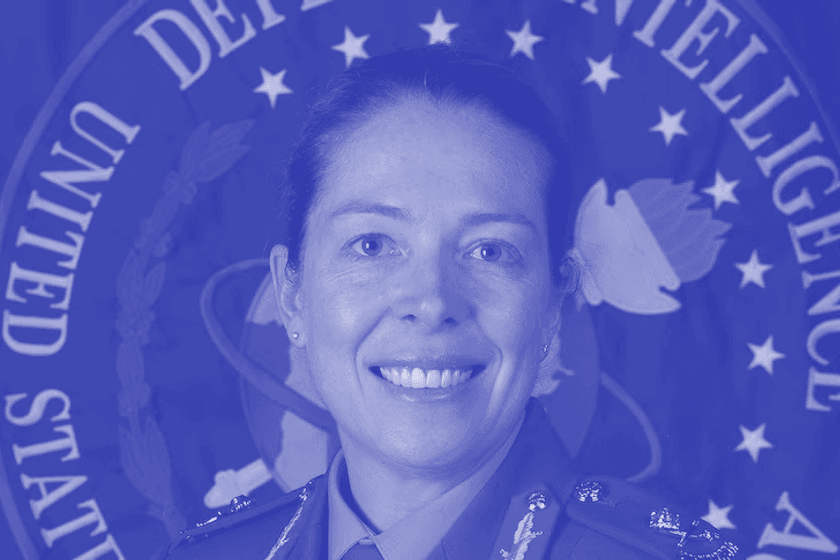
There is growing industry concern about a new government power to take control of businesses operating critical infrastructure. But in an interview with Capital Brief, the nation's new cyber tzar says the laws would only be used after a catastrophic hack.

A highly sensitive review into TikTok, which was handed to the Australian government 12 months ago, is again in the spotlight.
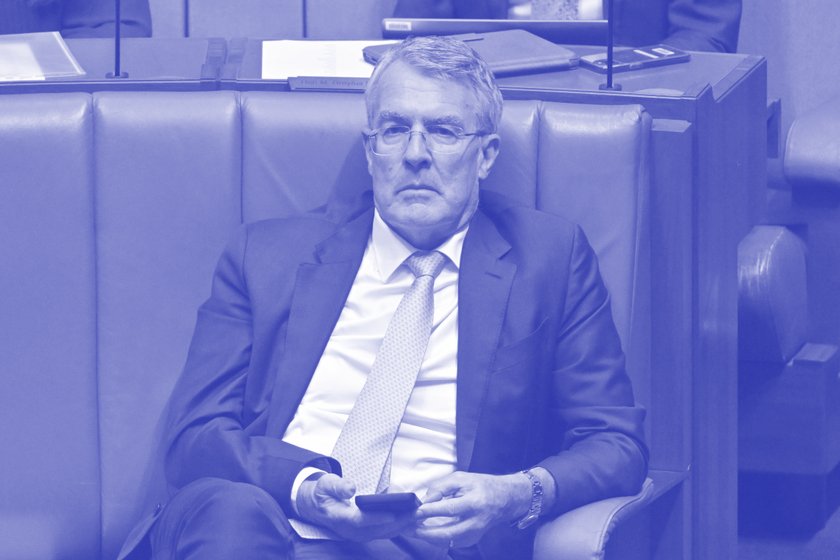
The Albanese government wants to create new civil penalties for doxxing, but working out how to do it without unintended consequences is already proving to be a challenge.

Labor is facing increasing pressure from its left-flank to do more for Australians struggling the most.
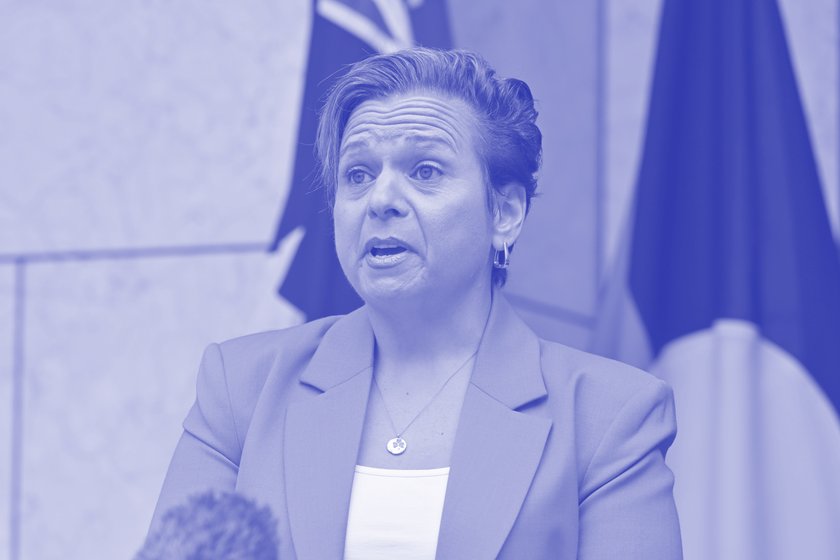
The government insists it's committed to passing controversial legislation to curb misinformation, despite a backlash against its plan last year. But crossbenchers say they haven't heard anything about it for months.

The federal government is set to resume funding for the UNRWA, months after pausing it over allegations of staff involvement in the 7 October attacks.
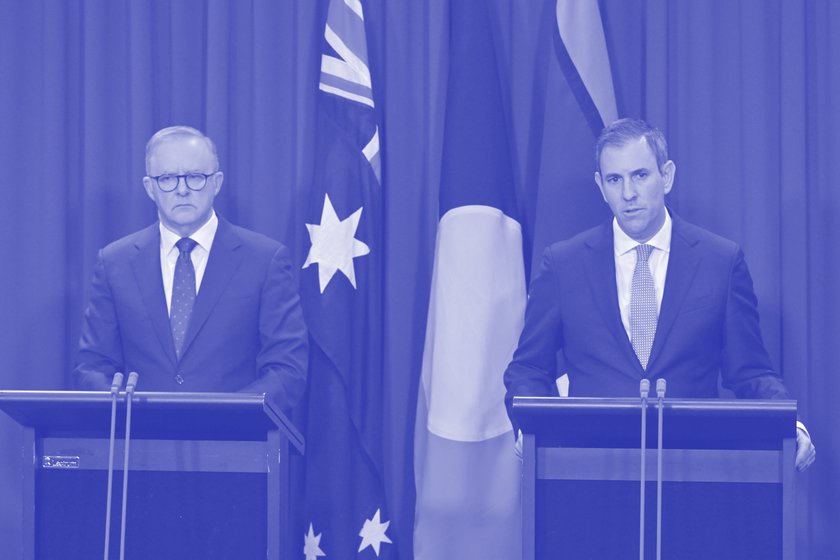
Labor’s success in the Dunkley byelection showed that the stage 3 tax cut changes were a winner with suburban voters. But the cost of living crisis may not dominate politics for much longer.
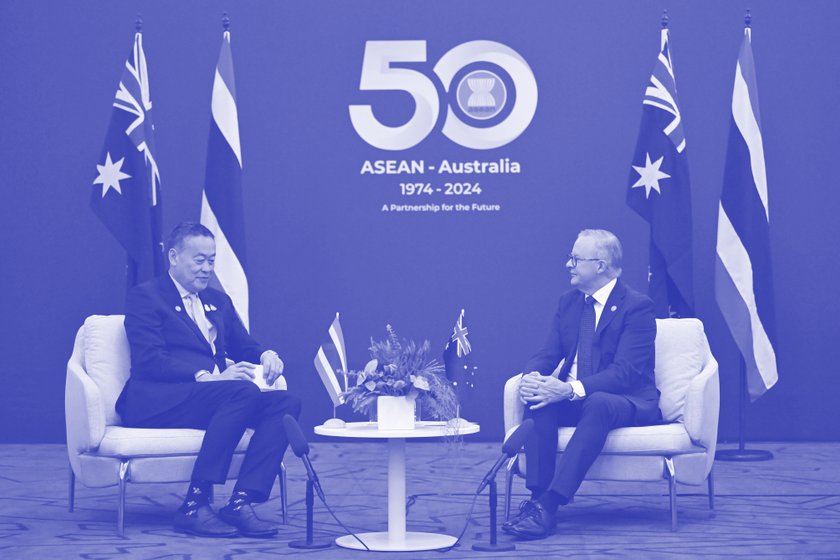
Differing accounts over what was said between Anthony Albanese and his Thai counterpart served a reminder of the other divergent views between Australia and its Southeast Asian neighbours.
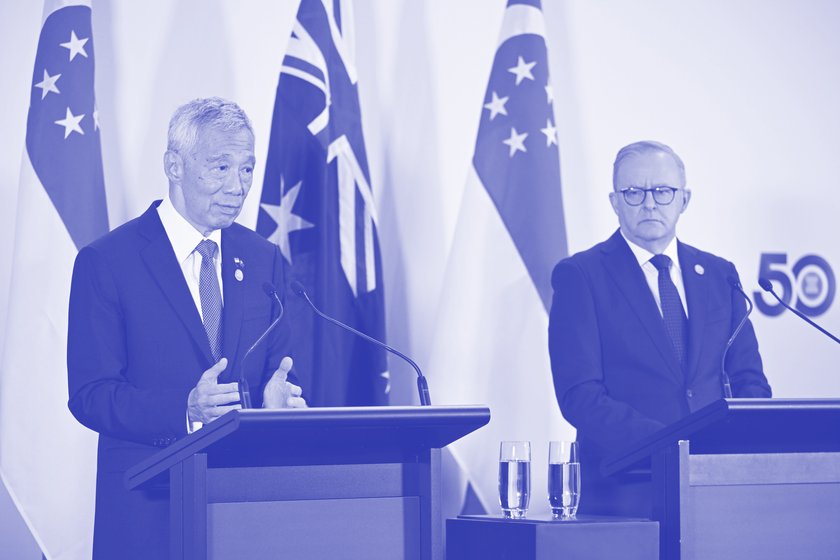
It is difficult to ignore the spectre of China at the ASEAN summit in Melbourne, even though the country is not even present at the event.
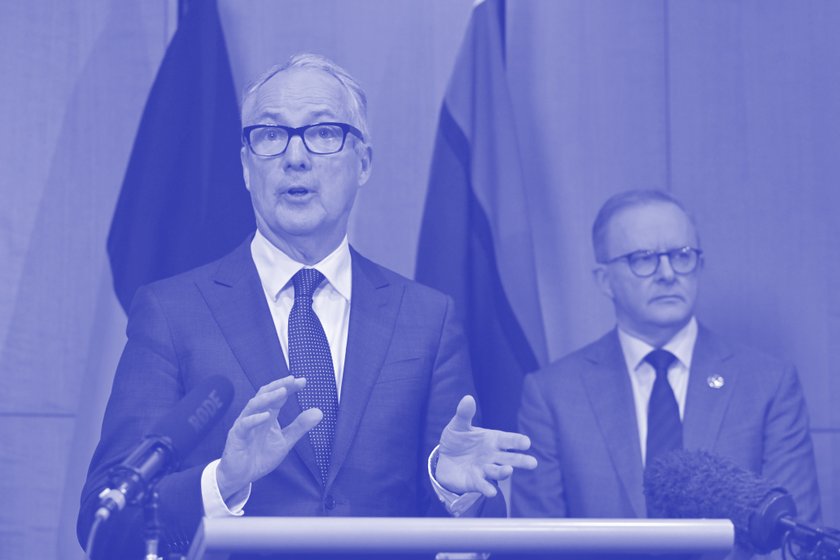
The comments come as the Prime Minister announced a suite of policies including a $2 billion finance facility, visa reforms and startup landing pads in key regional cities.
There are fears behind the scenes in Canberra that the Albanese government will act hastily to curry favour with Australia's largest media companies heading into the next election.
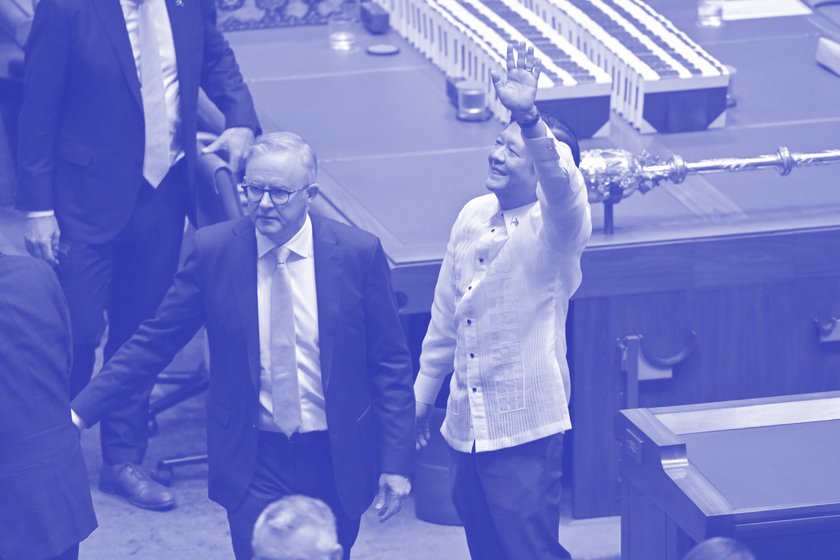
The Albanese government will use the next few days in Melbourne to boost economic ties with Southeast Asia at a special ASEAN summit, which is expected to include a renewed push to help Australian tech companies expand into the region.
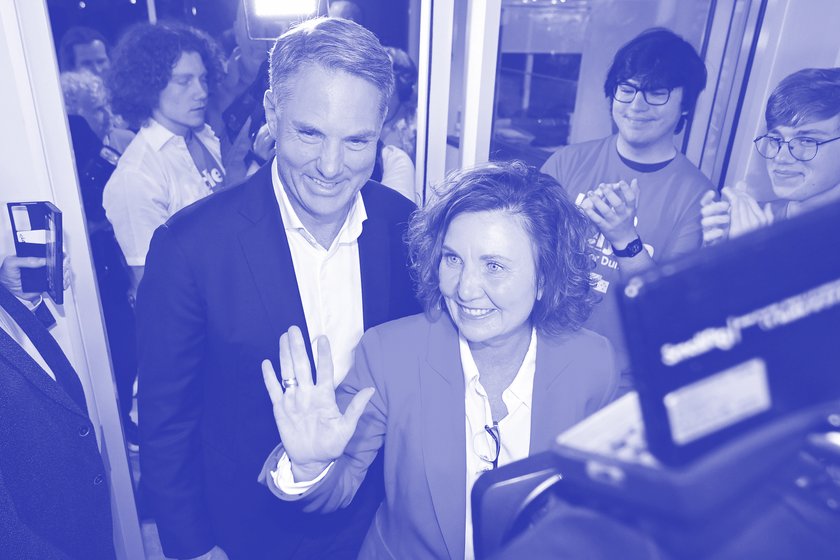
A few months ago, Labor was on track to lose the outer-suburban seat in Melbourne's southeast.

As ASIO raises the alarm on foreign spies using professional networking sites to recruit Australians, diplomats in overseas embassies have been put on notice.
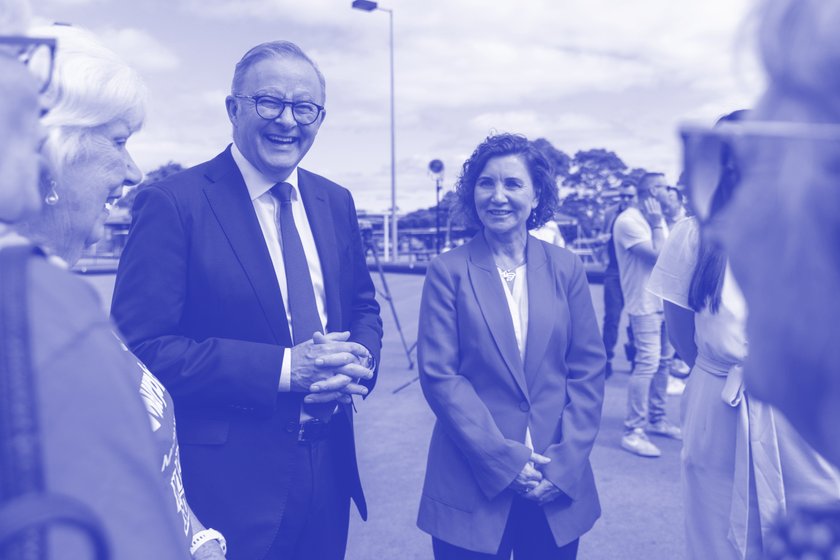
As voters in the southeast Melbourne electorate prepare to go to the polls on Saturday, the major parties have been aggressively talking down their prospects.

The head of the nation’s spy agency has revealed foreign spies successfully recruited a former Australian politician who targeted a prime minister's family, and continue to make approaches to executives on social media.
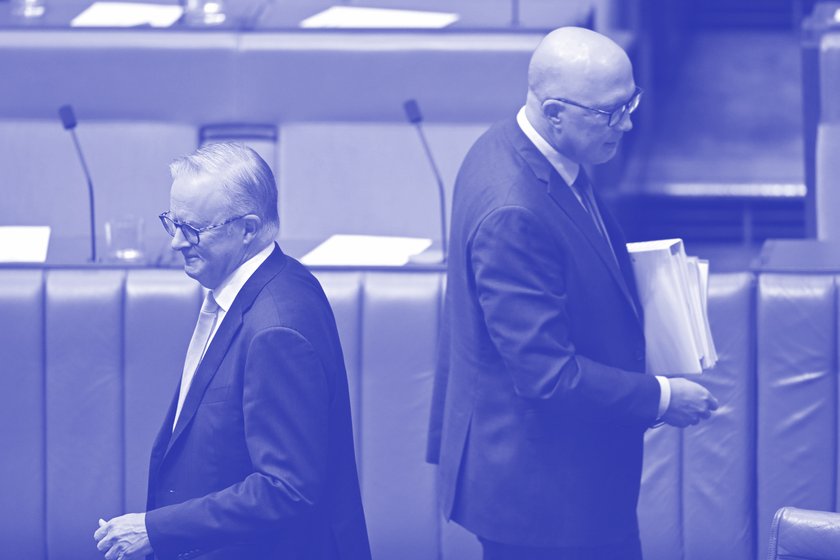
Victorians are being swamped with bombastic social media advertisements in the lead-up to the Dunkley byelection. It could be a signal of what to expect for the federal election.
Cybersecurity lawyers say the government's push for new powers to take control of businesses hit by hacks could burden businesses with onerous compliance obligations, and even threaten foreign investment.

Federal Labor knows it needs to implement a road-user charge, but it doesn't want to discourage the take-up of electric vehicles.
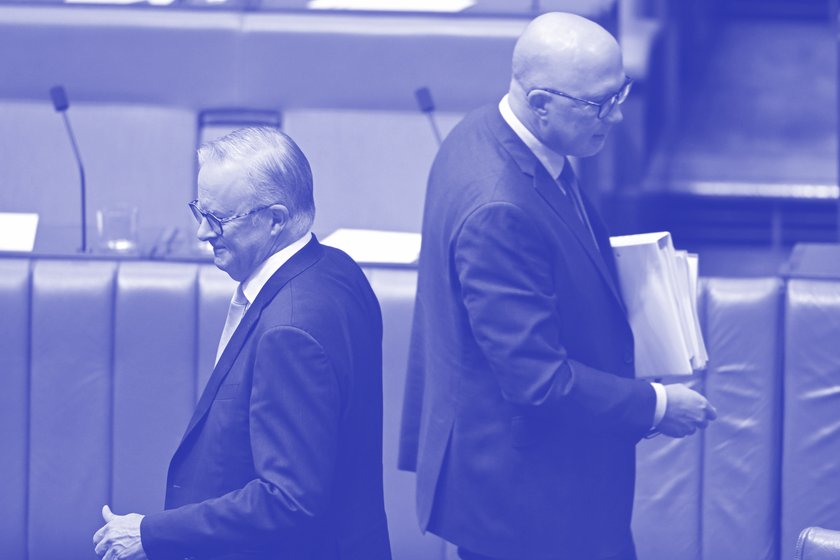
As the major parties draw election battle lines out west, changes to electorate boundaries may have an impact on who wins the next election.

The federal government has ramped up defence spending to more than double the navy's surface combatant fleet, in an acknowledgement Australia faces the "most challenging strategic circumstances since the Second World War".
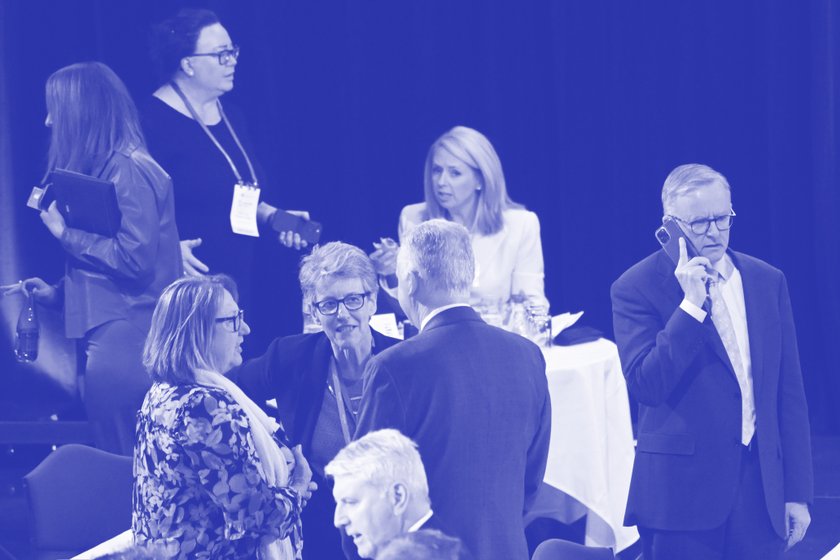
Productivity growth has been dismal for over a decade in Australia. Two of the economy's key figures support the idea of a summit to fix it.
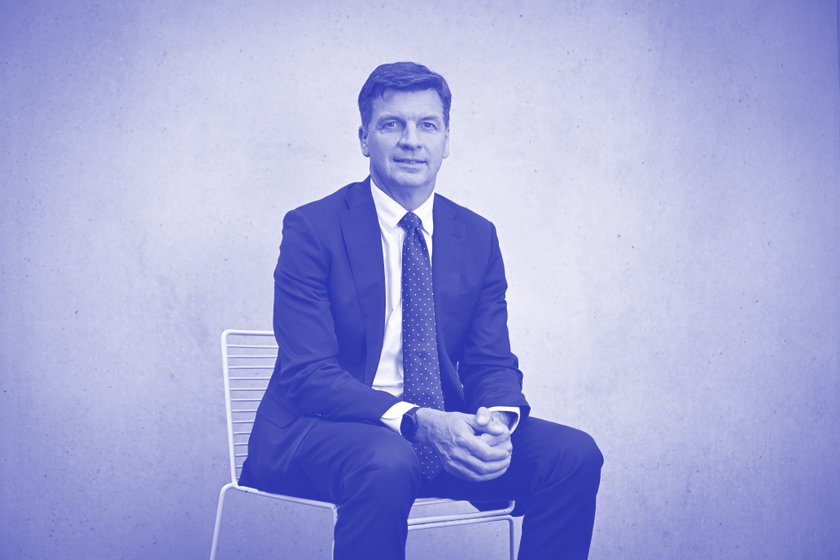
In an interview with Capital Brief, the Opposition treasury spokesman says his party needs to regain its reputation as the most economically responsible side and will take a sensible tax reform package to the next election.
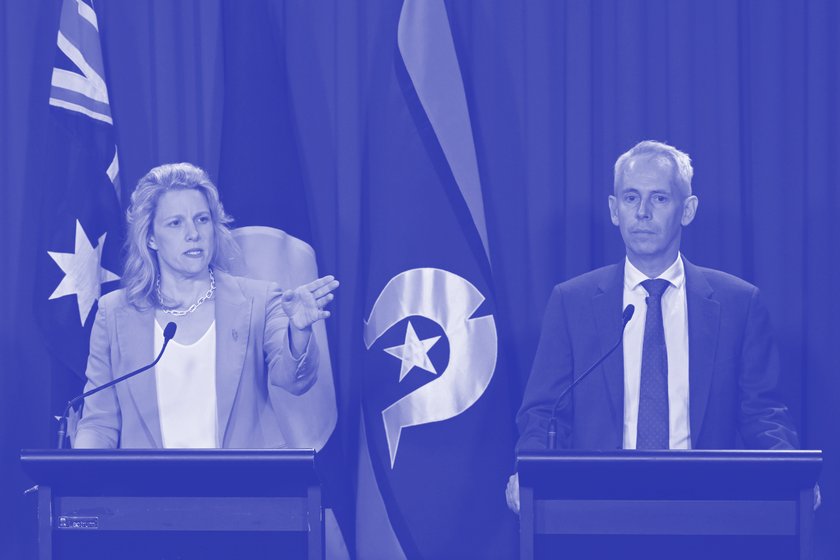
More than three months after the High Court handed down its decision in the NZYQ case, the Albanese government this week found its agenda again derailed by the release of hardened criminals onto the streets.
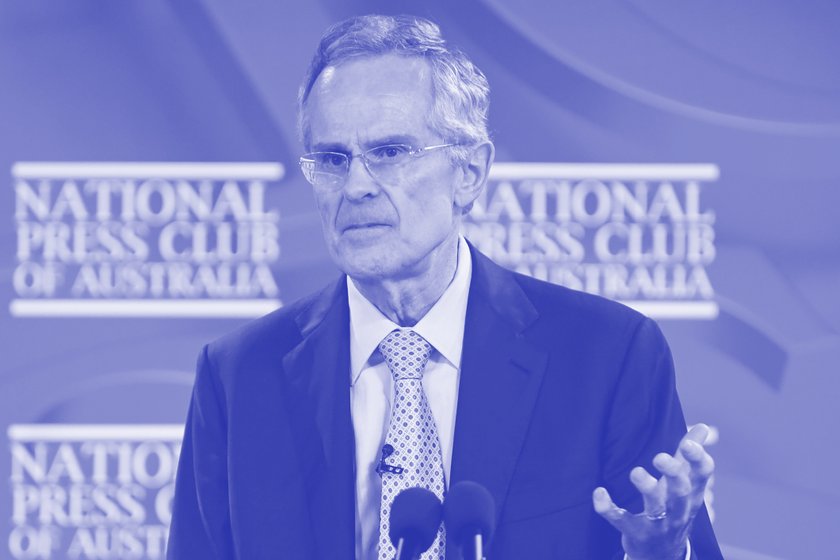
As part of their proposal, Rod Sims and Ross Garnaut want to win the public's support before going to the politicians with their ambitious plan for the nation's economy.
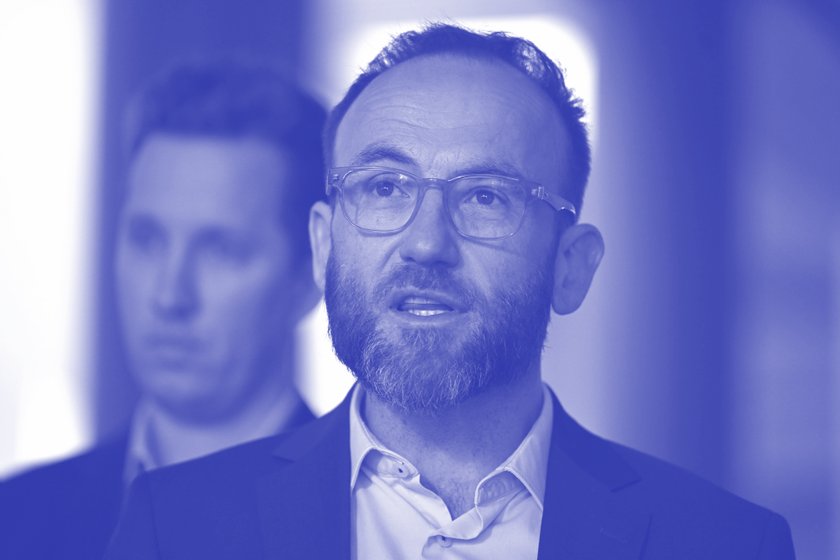
Both the Greens and Coalition are attacking the government over potential changes to negative gearing, even though Labor insists it has no plans to do so.

Australia's next Coordinator for Cybersecurity will need to overcome industry concerns about new government powers to take control of businesses operating critical infrastructure in the wake of cyber attacks.
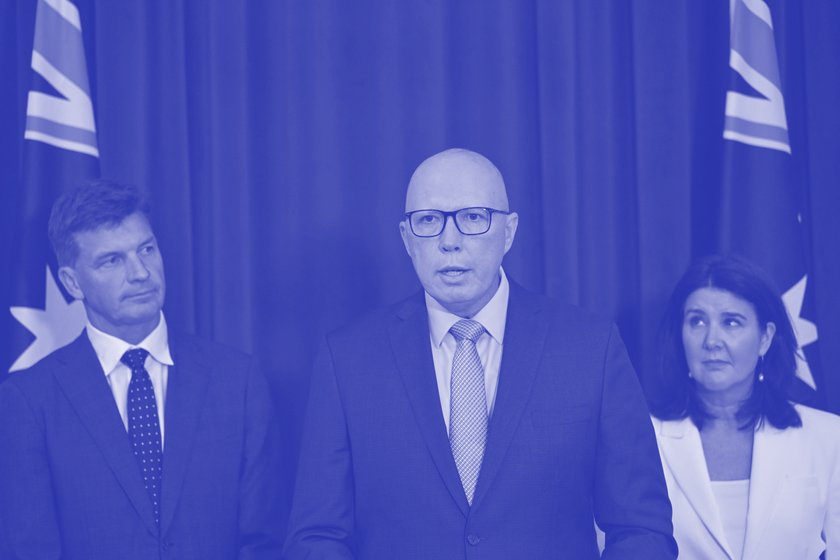
Labor's reversal on Stage 3 has opened the door for the Coalition to come up with a bigger tax reform agenda. This could include a proposal that both major parties have, up until this point, been reticent to talk about.

Now that the Coalition has resolved to wave through changes to the Stage 3 tax cuts, attention turns to how Peter Dutton will take the fight to Labor at the next election.

Your email address will be stored in accordance with our privacy policy.