The government has pre-announced plenty of its budget initiatives. Still, economists are alert for a pre-election spending splash.

Your complimentary access ends . To keep reading without interruption, subscribe today.

Economics correspondent
Jennifer Duke is the associate editor for Capital Brief. She is a Walkley Award winning journalist with more than a decade's experience, specialising in economics, business and finance. She has worked for The Sydney Morning Herald and The Age as economics correspondent and as a business journalist.
Contact Jennifer via email or Signal.
The government has pre-announced plenty of its budget initiatives. Still, economists are alert for a pre-election spending splash.
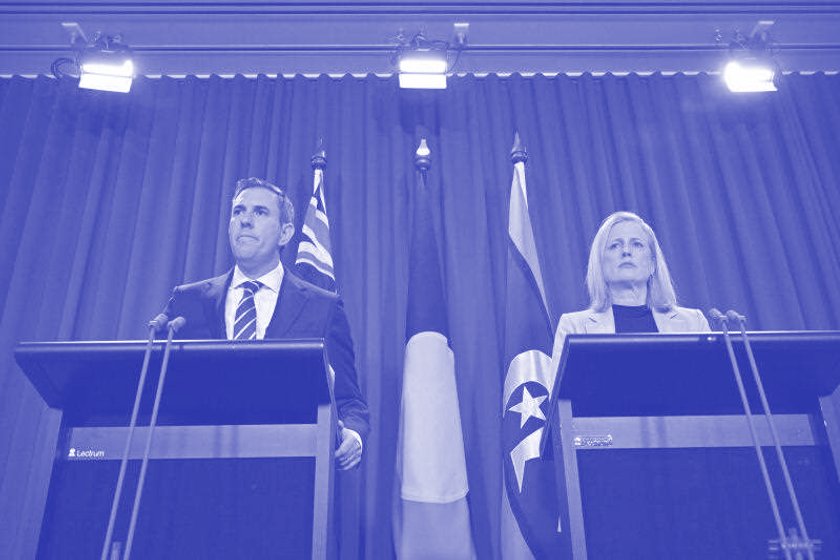
All eyes will be on the election war chest Jim Chalmers sets aside in the budget as deficits loom. But his first task is to get the tone right.

The US film industry has urged the Trump administration to challenge Australia’s local content quotas for streaming platforms, warning they may breach trade agreements.
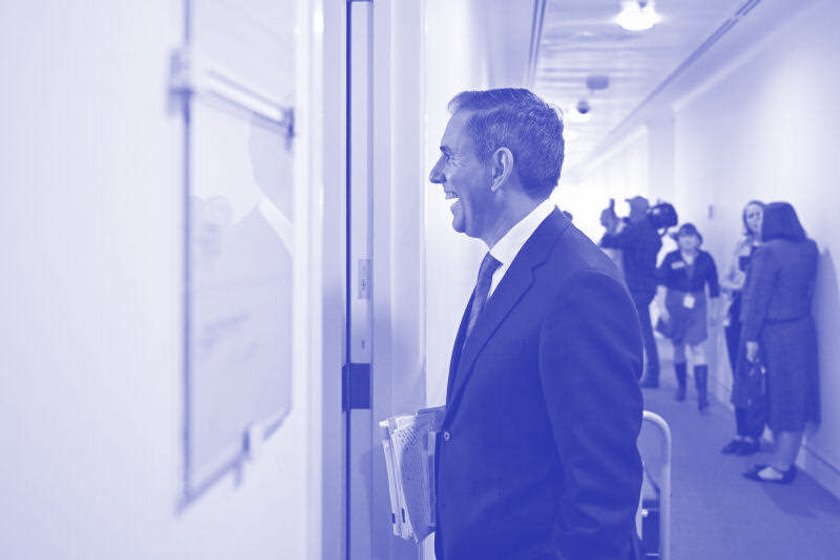
Journalists in Tuesday's lockup will be forced to sign waivers and surrender their devices to get access to the budget papers. They hate it, but others are not so sure.

All the pressure is normally on the government a week out from the budget, but a peculiar set of circumstances has put the spotlight on Peter Dutton.
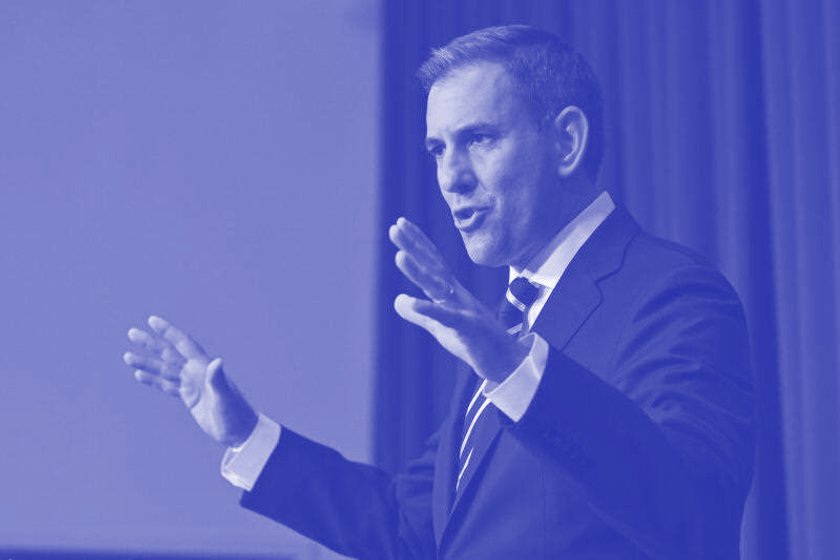
The government wasn’t expected to deliver a budget on 25 March. Now, voters will see whether its “protein, not carbs” approach has paid off.
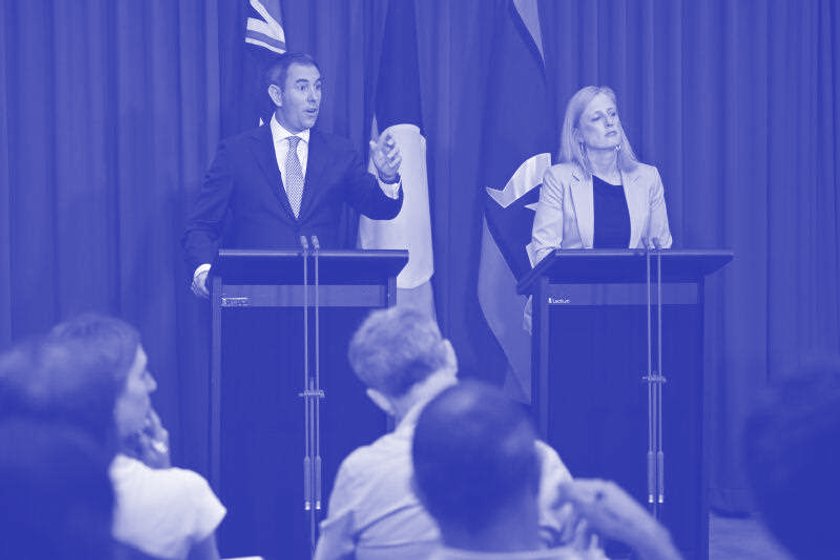
A record-breaking number of budget submissions have landed on the Albanese government’s desk. Here's what is top of mind as an election looms.
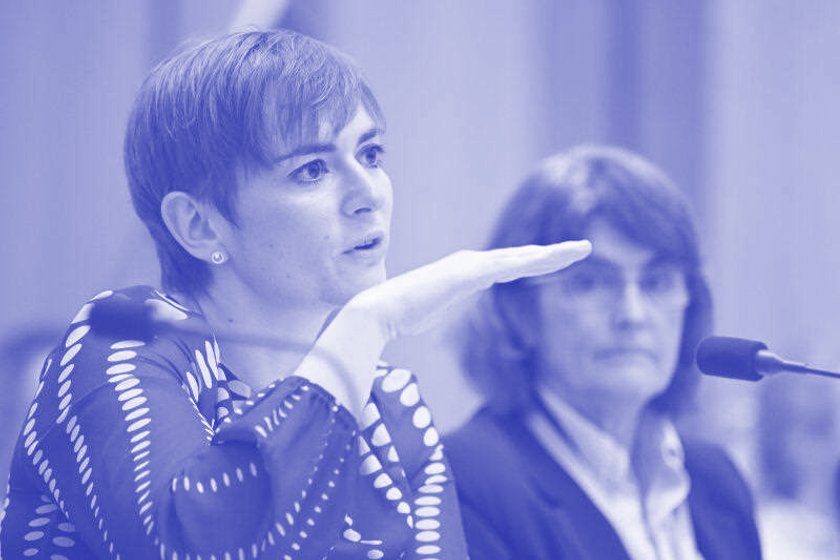
Economists are turning their attention to the budget, with Deloitte Access Economics tipping a worsening fiscal hole starting with a $26 billion deficit next week.
In a pre-budget submission, the investment manager called for reforms to foreign investment rules, warning that regulatory hurdles deter global capital.
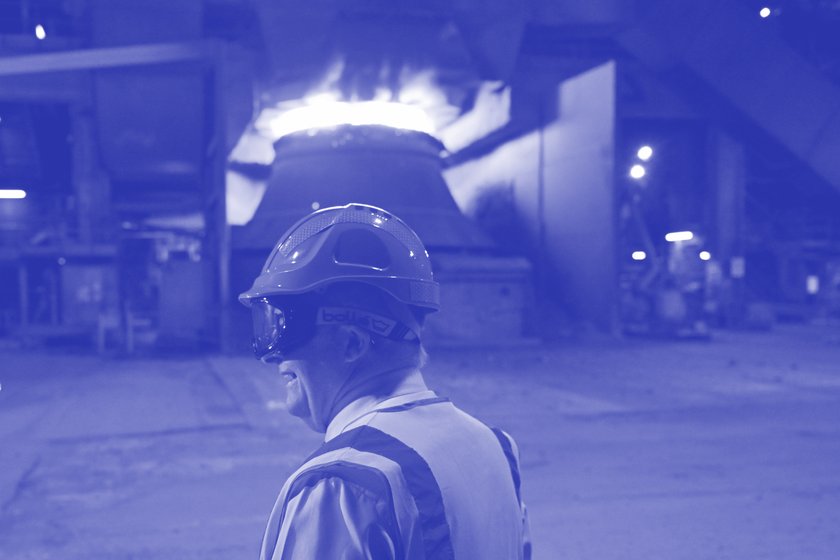
The Albanese government hasn't been able to secure an exemption from US tariffs on steel and aluminium, which came into effect today. But it’s not yet game over.
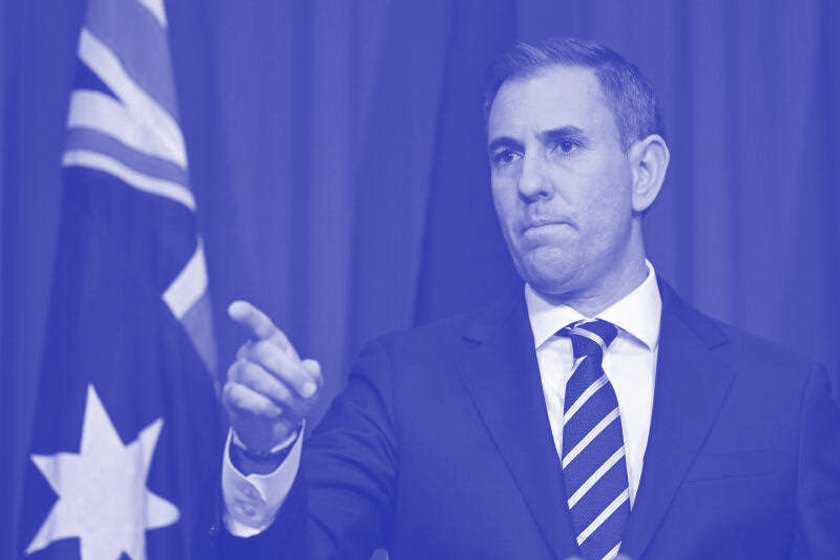
The Treasurer now faces the prospect of revealing a string of deficits after two consecutive surpluses, as Labor prepares to fight for survival in the election.
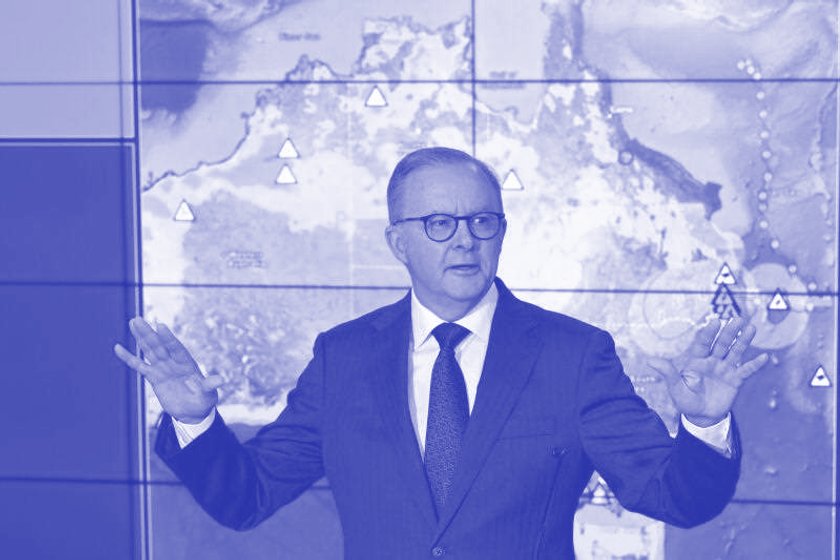
Prime Minister Anthony Albanese’s window to call an election without holding a budget is closing. Cyclone Alfred may well slam it shut.
The Coalition wants to end WFH for public servants, echoing moves by Donald Trump and big corporates in Australia and overseas. But there are concerns that women workers will suffer the most.
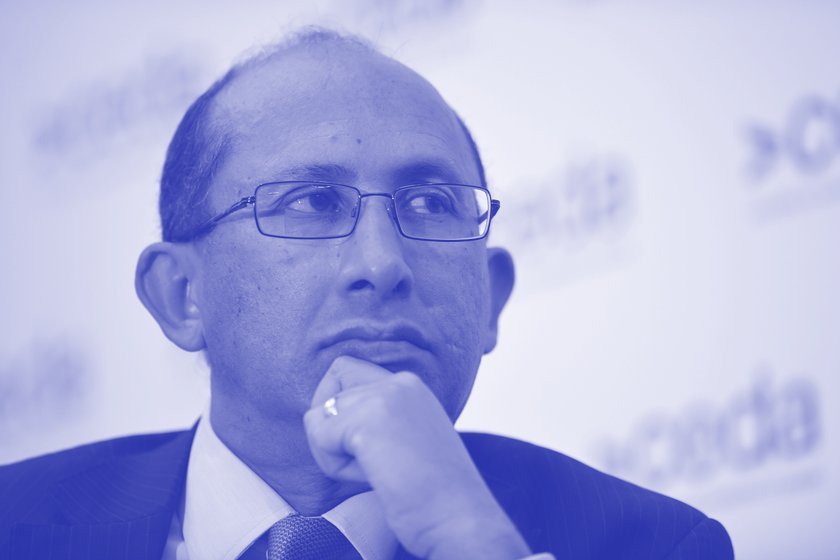
Australian think tanks are among the least transparent in the world when it comes to funding. There’s a push to change that.

The gender pay gap is improving. But women are still missing from some of the top paying jobs in the Australian economy.

Even businesses at the forefront of the new economy too often leave women behind, while big law firms and banks also have persistent issues with gender pay disparity.
Q4 GDP data will reveal whether the government's economic recovery plan is working, with anticipation growing over the next election.
If there were questions about the direction this tight election campaign is heading, this week's mud-slinging may have answered them.
Independent experts want the rules tightened to prevent public servants from becoming collateral damage in debates over policy costings.
All eyes are turning to Canberra as the dust settles on the first rate cut in more than four years.
The Reserve Bank was caught off guard by the post-pandemic inflation surge — a misstep its board is determined not to repeat.
Some Labor sources are preparing for a 12 April election, as the window narrows for Anthony Albanese to avoid another budget.
Most economists welcomed Tuesday’s rate cut, but not all. Those who wanted the Reserve Bank to hold steady are now warning it could have consequences.
Today’s RBA rates decision was one of the most anticipated in years — especially by political strategists in Canberra.
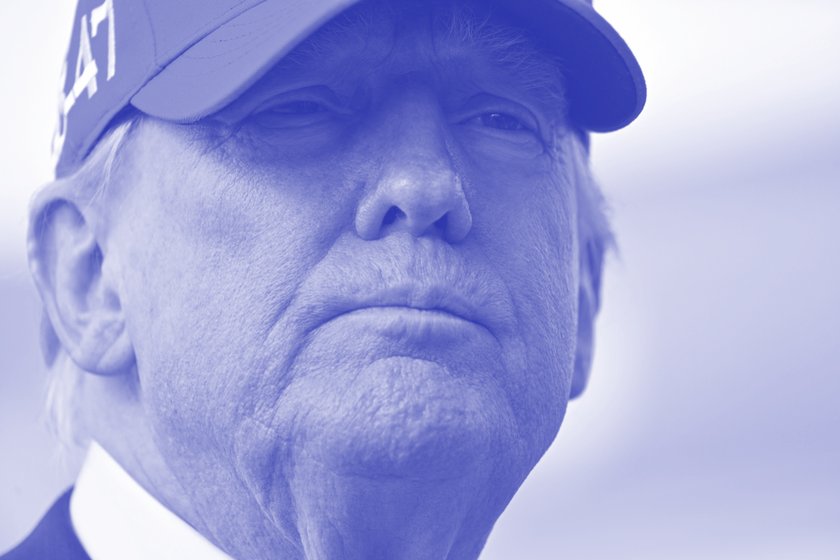
The central bank warned that US tariffs pose a global risk — but even in the most extreme modelled scenarios, the impact on Australia’s GDP is expected to be modest.
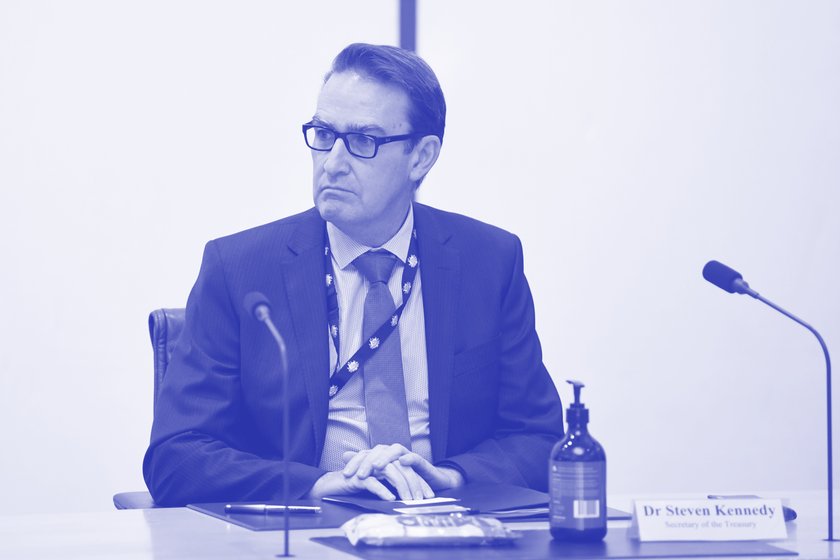
Shadow Treasurer Angus Taylor has weighed in on the growing debate about the independence of the RBA board following a costings scandal with Treasury and its secretary Steven Kennedy.

Urban Taskforce CEO Tom Forrest has warned that despite significant steps taken by governments to support supply, the picture remains "grim".

Your email address will be stored in accordance with our privacy policy.