
The Australian government's first green bond was a success, with ESG focused investors willing to pay a premium relative to ordinary government bonds to secure a slice of the debt issue.

Your complimentary access ends . To keep reading without interruption, subscribe today.

Climate, energy and resources correspondent
Kate has spent two decades as a financial journalist in print and online media in Australia, the UK and Asia. Her reporting career began on property trade titles, then BRW and the Australian Financial Review, followed by a stint in London with ICIS and as the founding Asia-Pacific editor of the Inframation news service, owned by Mergermarket.
Contact Kate via email.
The Australian government's first green bond was a success, with ESG focused investors willing to pay a premium relative to ordinary government bonds to secure a slice of the debt issue.

Concrete production contributes 7% of global CO2 emissions, which is not far behind steel. But unlike steel, efforts to decarbonise concrete have been plagued by challenges, both technical and perceptional.

Australia's super funds are joining a growing global trend for pension investors to exert direct influence on investee company strategy, especially on ESG matters. The next step may be agitating for seats on company boards.
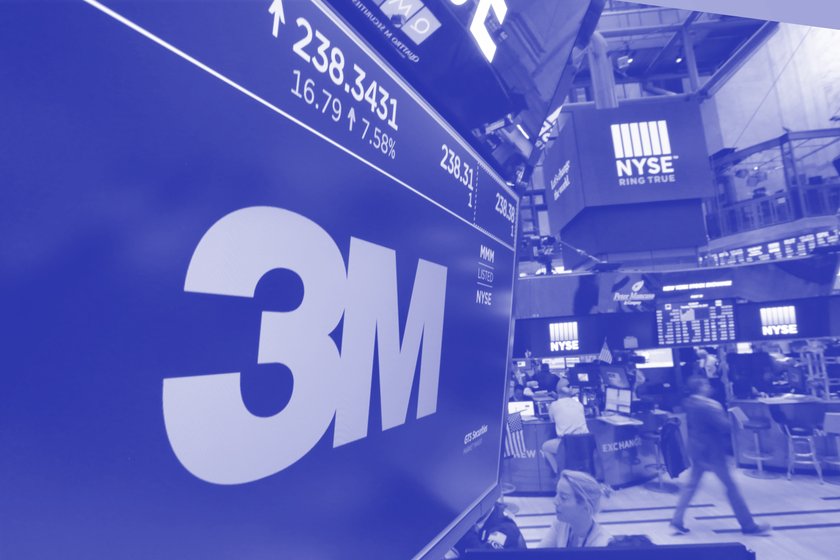
Australian state governments are ramping up pressure on companies to treat sites contaminated with forever chemicals. SciDev is at the forefront of the clean-up effort.
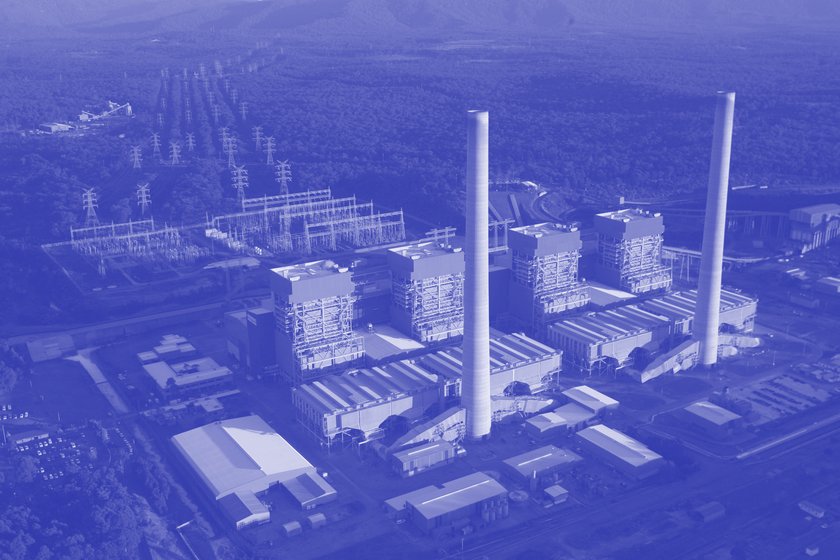
New South Wales' $450 million deal to extend the life of the country's largest coal fired power station has been roundly criticised by clean energy advocates as an avoidable failure of public policy.

Analysts believe the Australian miner can still secure its target if it is willing to compensate shareholders for the risk of asset disposals.

With holdings in more than 400 Australian companies, Dimensional Fund Advisers is often mistaken for an index manager. Country head Bhanu Singh explains why those perceptions are wrong.

The founders of biodiversity platform Xylo Systems faced a steep learning curve to get across AI and the world of VC investing. Camille Goldstone-Henry explains how she and her co-founder Jada Andersen overcame these challenges.

CEO Mike Henry is facing a strategic decision in his $64 billion pursuit of Anglo American.
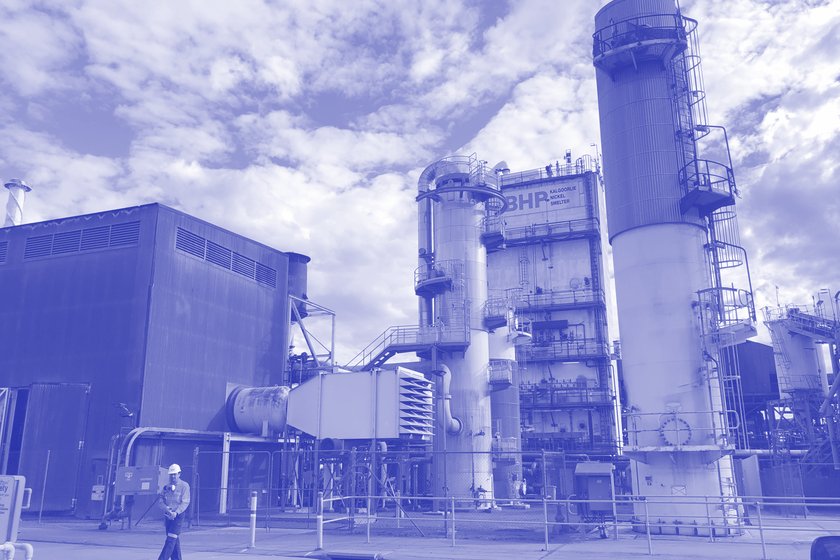
Critical minerals and green manufacturing were big winners in Tuesday’s budget, but policy experts warned rigorous selection frameworks were imperative to back the right companies.
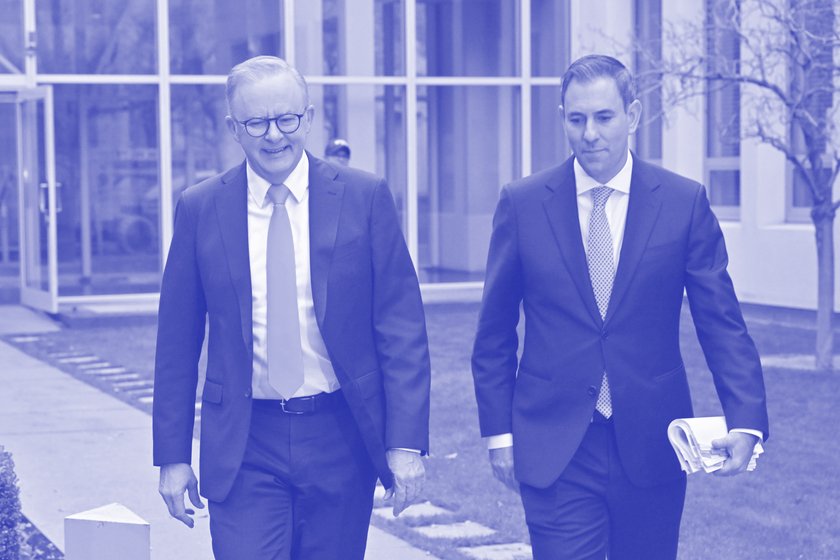
Jim Chalmers' federal budget seeks to balance a longer-term economic vision with the more politically pressing need to address cost of living pressures. The Capital Brief team dissects what it means for the different sectors in Australia's new economy.
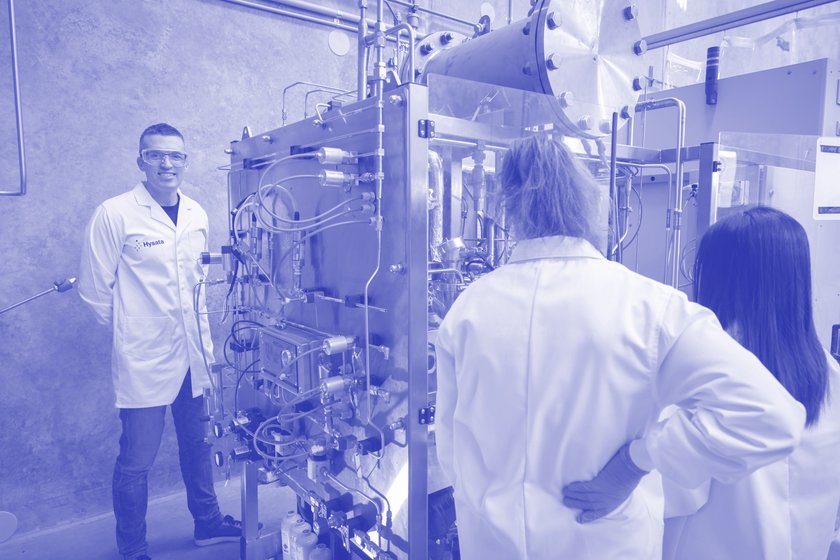
IP Group was the first investor to support Hysata's high-efficiency electrolyser technology, which can now be commercialised after the company completed a $172 million Series B funding round.
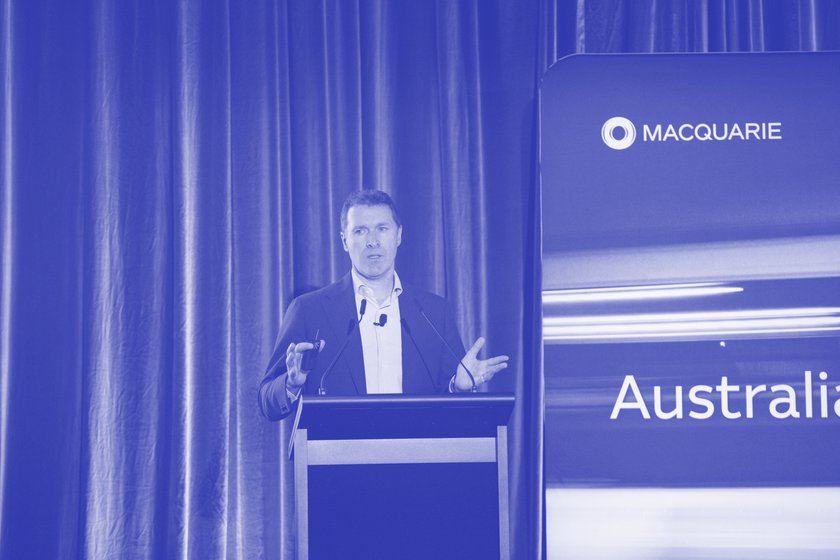
The CEO of Australia's largest gas infrastructure owner has thrown cold water on the federal government's suggestion that LNG imports could be used to plug impending gas shortages on the east coast.
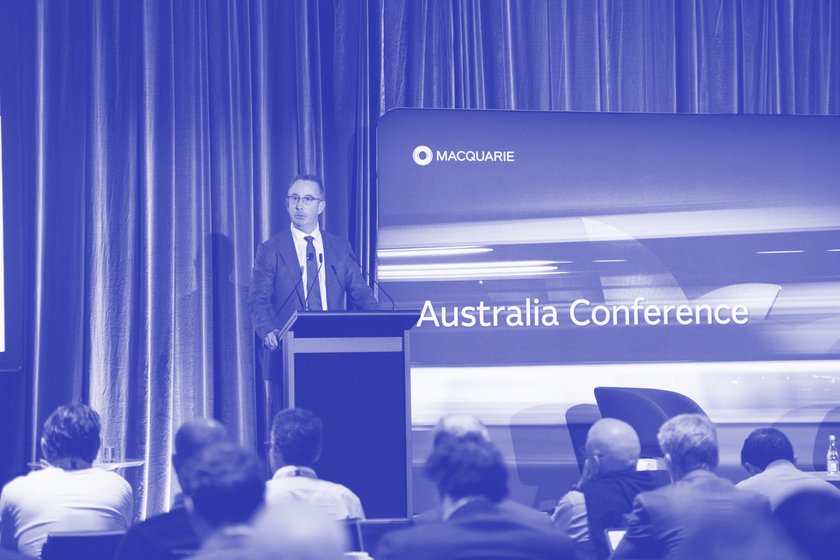
The CEO of the country's largest coal-fired generator said energy companies should transition away from coal as quickly as possible, and ensure they invest in zero emissions alternatives.

The chief executives of two major Australian property players have told investors that the office market is yet to fully recover from the occupancy crisis stemming from the Covid-19 lockdowns.
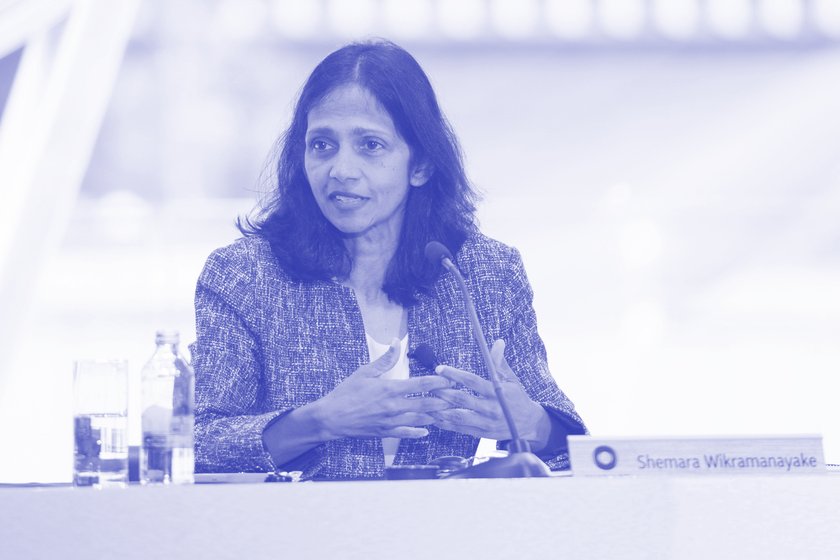
Macquarie isn't backing away from its expansive bet on financing the energy transition despite a big profit hit and signs that investors may be losing patience.

The bank's commitment to climate solutions remains intact despite a slowdown in the selling of green assets hitting its full-year result.

ASIC chair Joe Longo warned fund managers remained responsible for decisions they outsource to other managers while building their ESG funds.
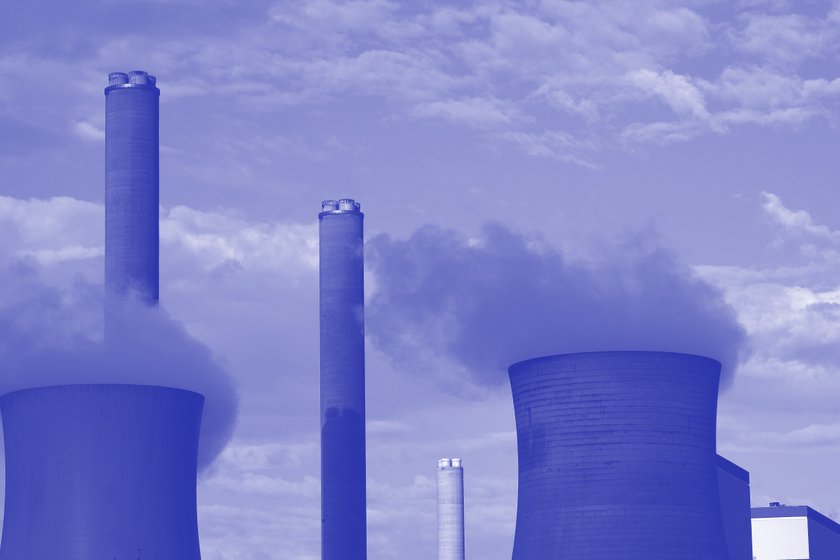
Most of the big four banks will actually be financing more CO2 emissions in 2030 than they do today courtesy of loopholes in their fossil fuel exclusion policies.
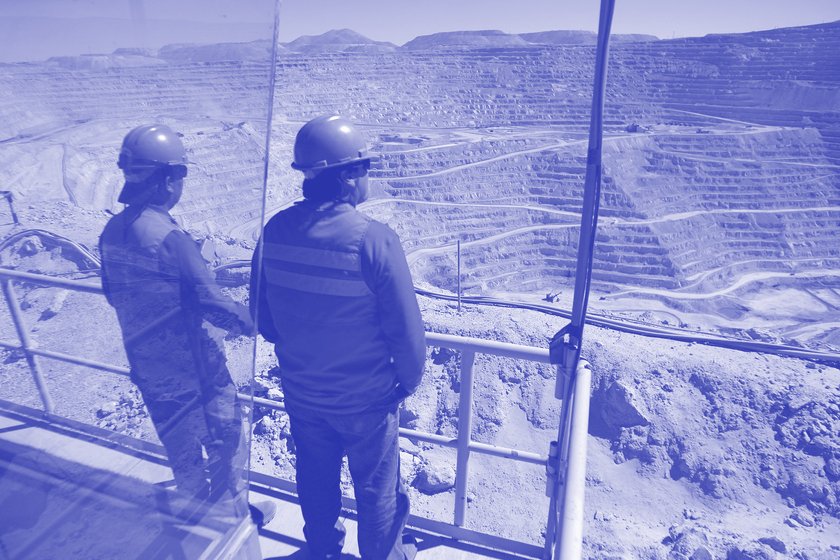
Anglo American has rejected BHP's initial approach, but this saga is far from over. The target's board is not the only roadblock to a deal, with ESG concerns another key factor.

Hydrogen fuel cells offer several advantages over EVs when it comes to heavy vehicles. But while EV technology is charging ahead, the cost of hydrogen remains stubbornly high, making it unlikely to prevail in the short term.
Senators also said flaws in existing corporate and consumer laws meant they failed to prevent consumers from buying products based on questionable sustainability claims.
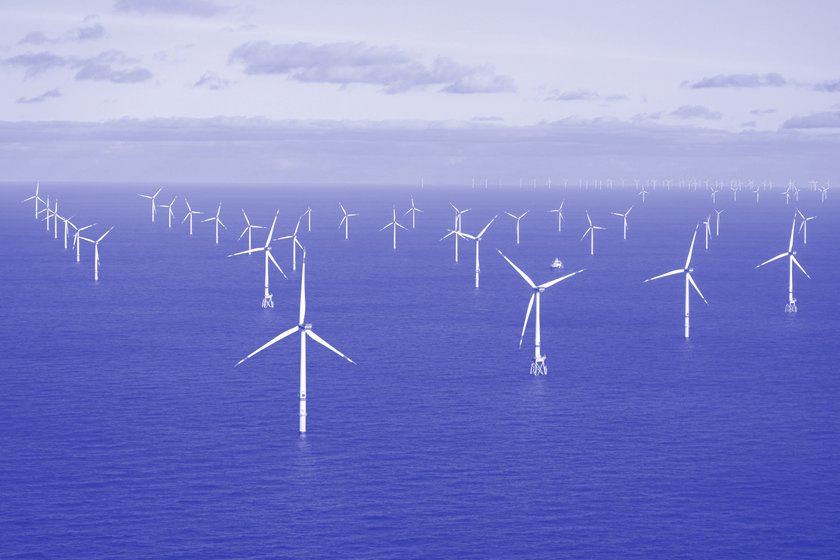
The first investment of Macquarie's latest renewable energy fund is a key step in the bank's complicated strategy to make its asset management business a green investment powerhouse.
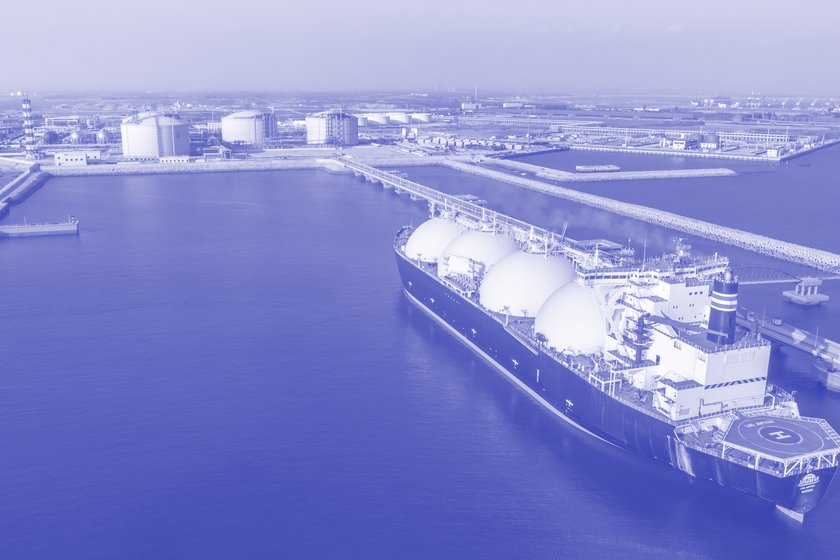
Three of the five largest Australian corporate lenders now have policies restricting lending to new oil and gas projects. But a close analysis of their targets reveals plenty of loopholes they can still exploit.

Woodside is under attack for its lack of climate ambition and its refusal to acknowledge a finite future for fossil fuels. Investors are ramping up the pressure but chair Richard Goyder has been fighting back.
After his SunCable renewable energy venture was tipped into administration and bought out amid an acrimonious billionaire fallout, co-founder Fraser Thompson is still thinking big with new startup Cyan Ventures.

Australian companies are likely to be among those hit with stringent new sustainability reporting rules which come into effect in the European Union in less than eight months.
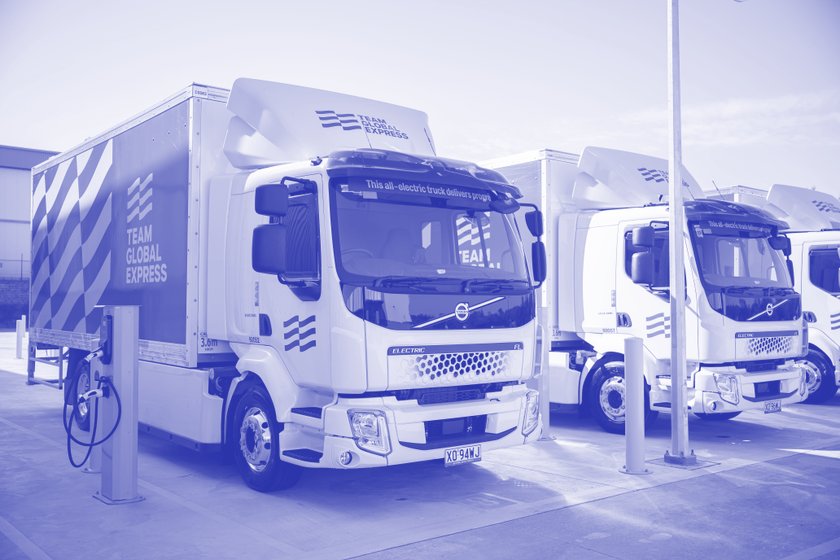
Net zero experts have welcomed the government's green manufacturing push but are urging it to be realistic about which industries can feasibly be brought onshore.
Greg Combet's appointment as Future Fund chair has sparked speculation about the sovereign wealth manager's future direction. With a few mandate tweaks, it could play a more hands-on role in the net zero transition.
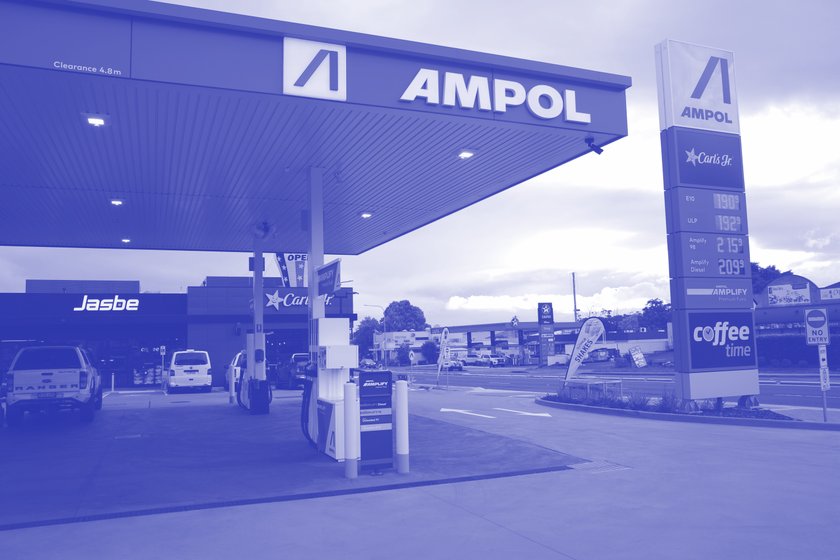
Treasury has delayed the start of its new climate reporting regime by six months. But heavy emitters and private companies are among those that still have major gripes with how the new regime will operate.
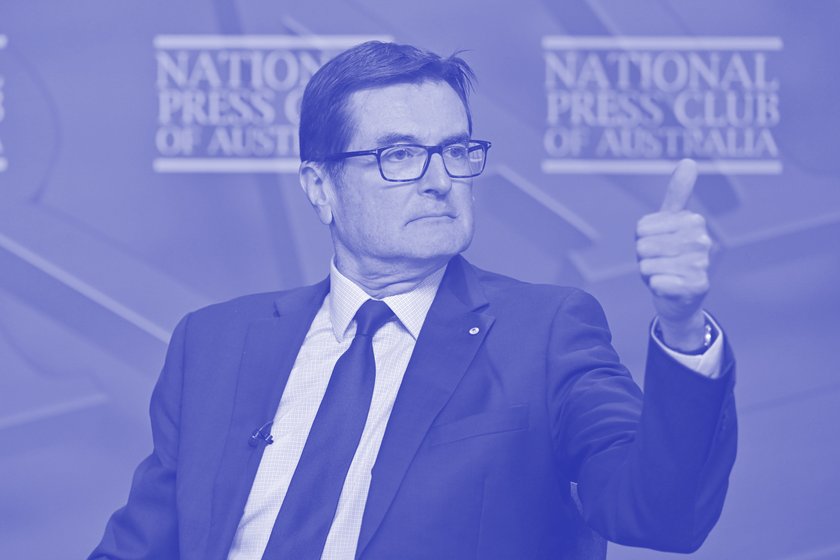
As Greg Combet prepares to start a new role at the Future Fund, it is difficult to see how the agency he's leaving behind will play a significant role in Australia's net zero transition.
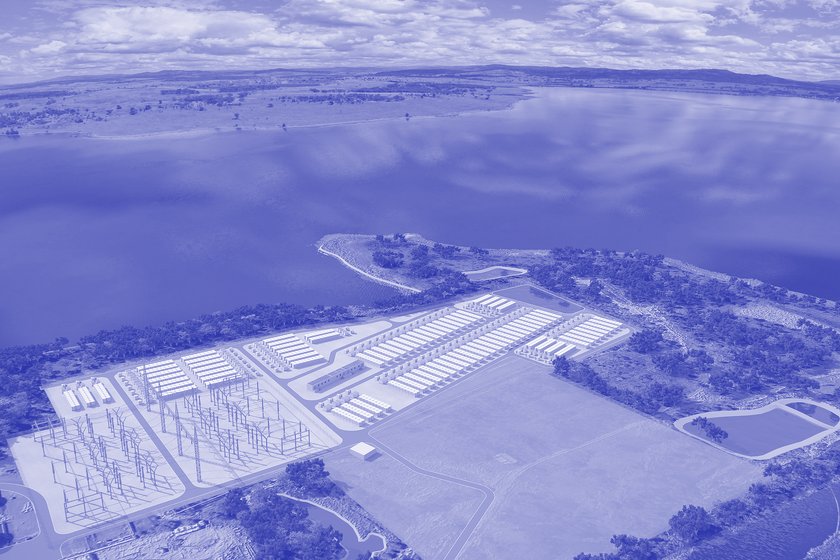
Long-duration batteries will provide top-up capacity to the power grid and help boost stability after Australia's coal-fired power generation fleet retires. But uncertainty over the timetable has magnified risks for investors and lenders.

Your email address will be stored in accordance with our privacy policy.