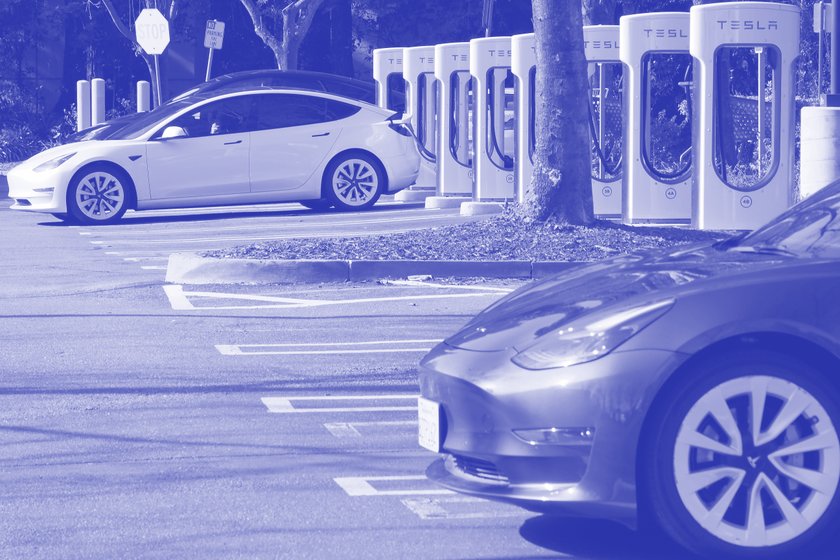
The slow rate of electric vehicle switching and adoption of clean industrial technologies will stop Australia from achieving its net zero by 2050 target, Oxford Economics predicts.

Your complimentary access ends . To keep reading without interruption, subscribe today.

Climate, energy and resources correspondent
Kate has spent two decades as a financial journalist in print and online media in Australia, the UK and Asia. Her reporting career began on property trade titles, then BRW and the Australian Financial Review, followed by a stint in London with ICIS and as the founding Asia-Pacific editor of the Inframation news service, owned by Mergermarket.
Contact Kate via email.
The slow rate of electric vehicle switching and adoption of clean industrial technologies will stop Australia from achieving its net zero by 2050 target, Oxford Economics predicts.
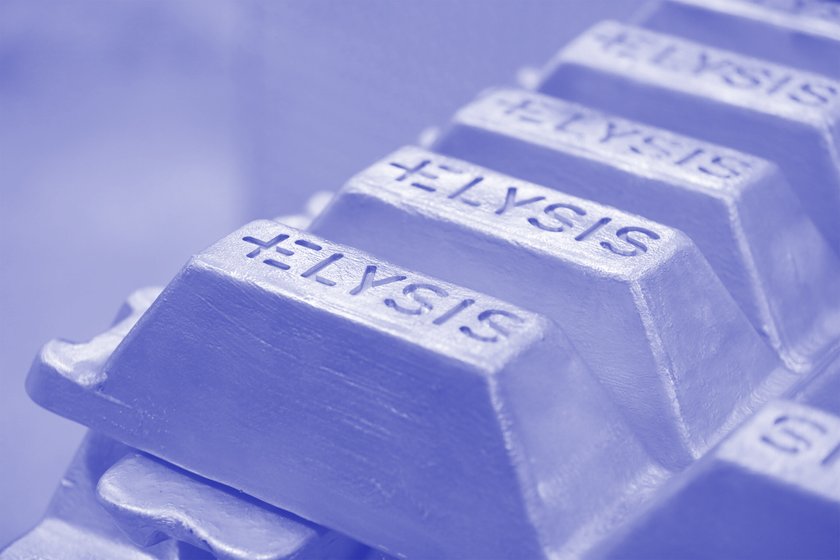
Aluminium is one of the most important metals in the green economy due to its use in EVs and solar panels, but also one of the dirtiest. Smelters are now embarking on multi-year journeys to reduce their product's carbon footprint.
ESG conscious investors in the Australian renewable energy sector are paying top dollar and buying earlier, despite challenges getting projects off the ground.

With more than 700 million used garments sent to landfill each year, the fashion industry has a big sustainability problem to solve. If it fails, the government has promised to regulate it into action.

Prominent businessperson Simon Holmes a Court launched a scathing review of why nuclear power is not right for Australia as the federal coalition looks to adopt the technology.
Having once shunned heavy-emitting companies, banks are now instead offering tailored loans to help them navigate the energy transition.
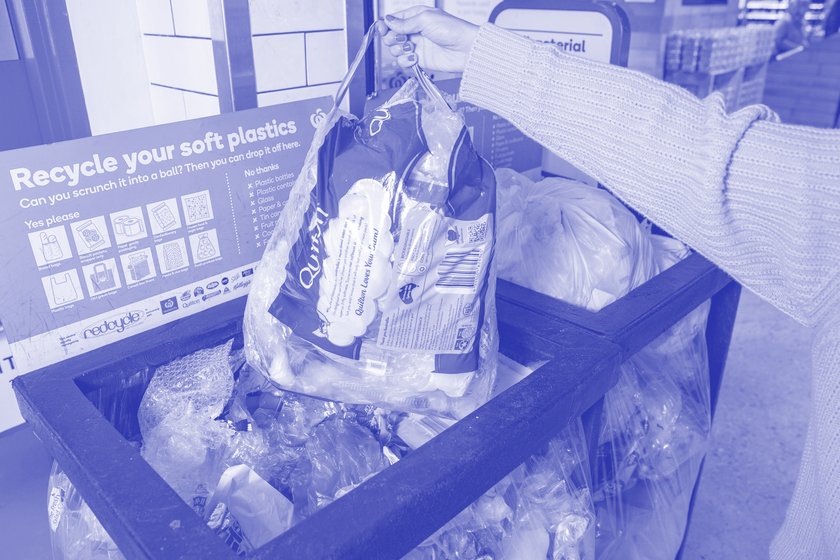
A new breed of plastics recyclers have risen from the ashes of the failed REDcycle program, proposing new facilities to turn soft plastics waste into oil. But a lack of government policy is hampering progress.

Advising companies on what to do about their climate and environmental impact, and investing in the solutions, is now big business.
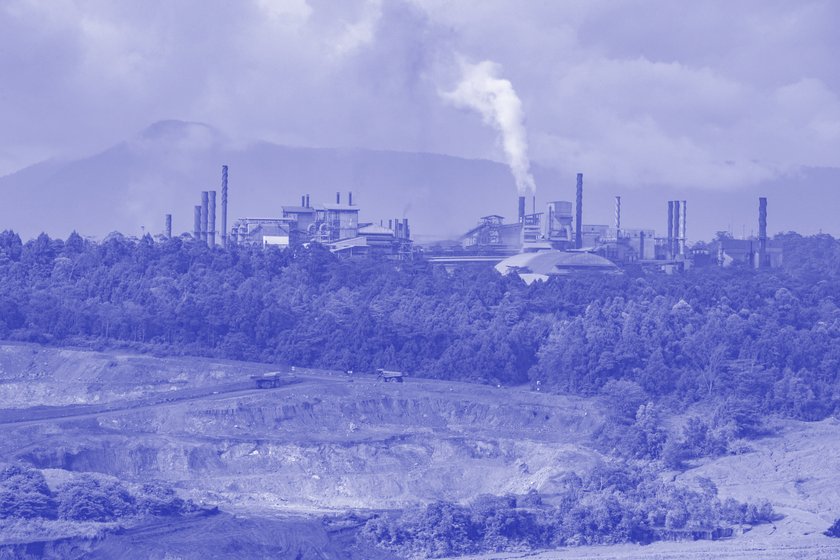
Australian nickel miners are adjusting to a "new normal" of an oversupplied global market where they lose out to cheaper Indonesian producers. They are flexing their ESG muscles to command a green premium, but buyers are reluctant to pay up.
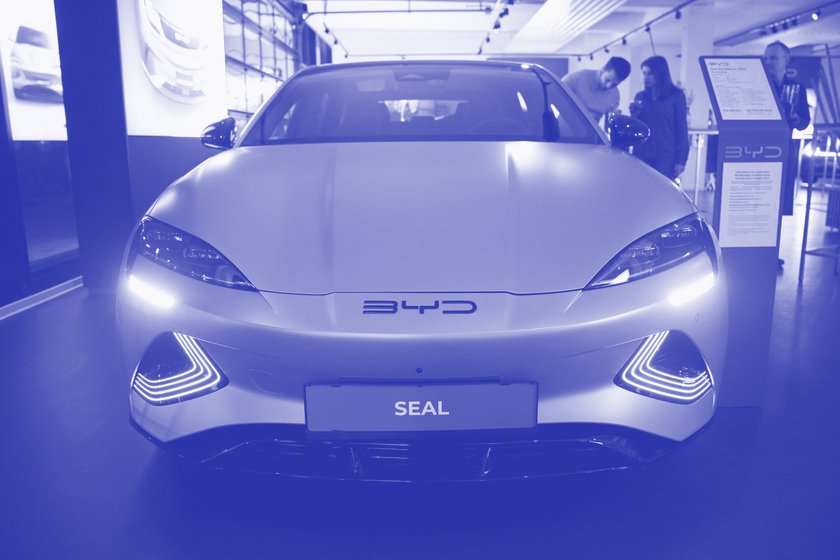
Weaker than expected European EV demand and a global oversupply of lithium has made Australian producers and their investors nervous. There are some, however, who predict prices have bottomed.

BHP's multibillion dollar writedown of its nickel assets and the Indonesian election result could ramp up pressure on the government to lift for support the sector.
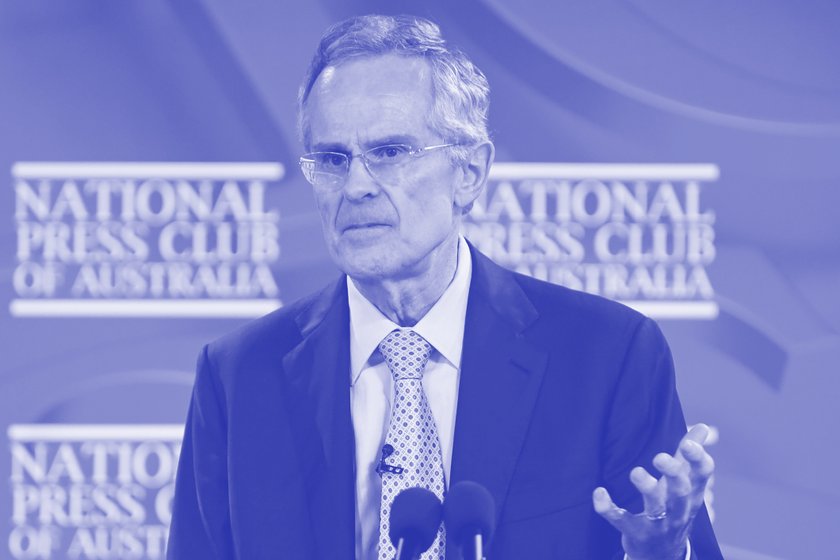
As part of their proposal, Rod Sims and Ross Garnaut want to win the public's support before going to the politicians with their ambitious plan for the nation's economy.
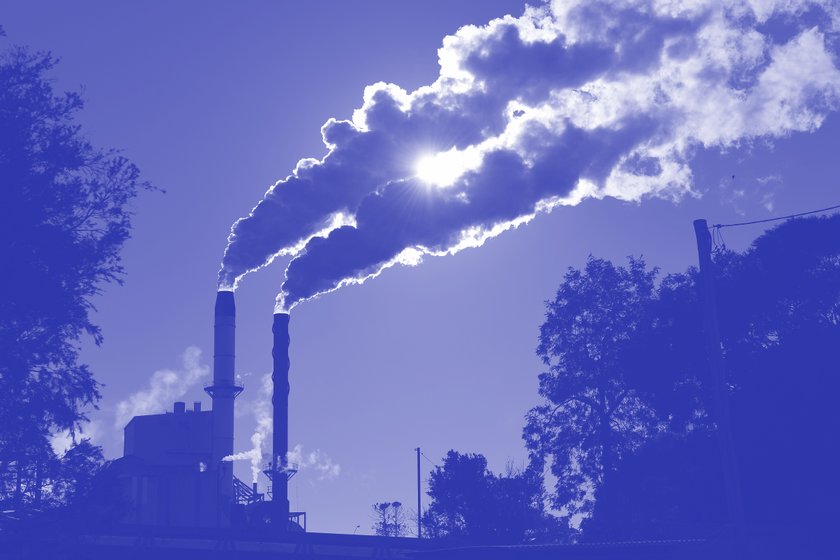
Australia's carbon trading market has been dogged by accusations of fraud in the past. But as it moves from a voluntary to a compliance based system, supporters say its integrity issues have been resolved.
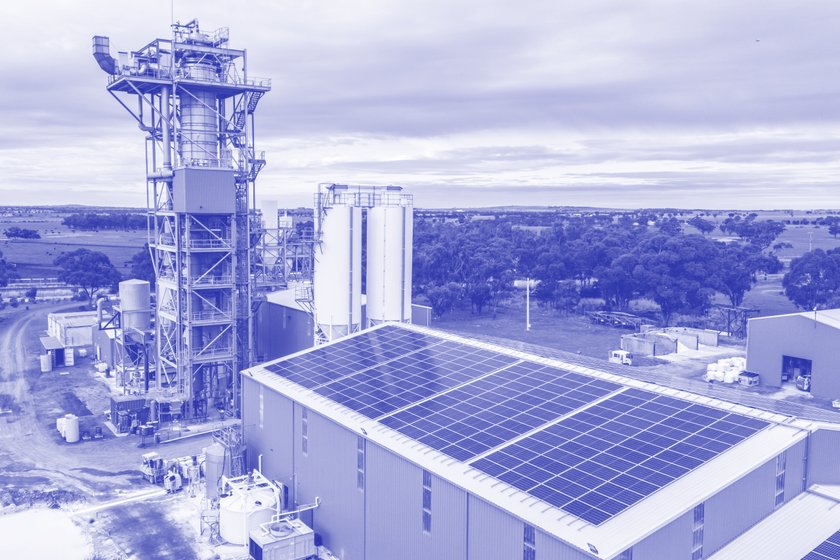
ASX-listed Calix has perfected its green iron recipe and claims it is only slightly more expensive than the regular fossil fuel variety.

Large Australian companies will be forced to reveal the risks of climate change to their operations under a mandatory reporting regime effective from 1 July. But are they ready?
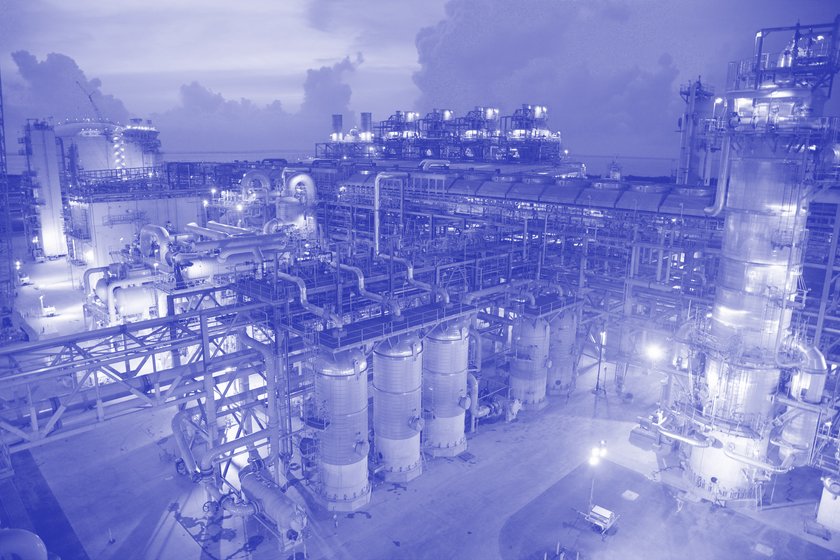
An $80 billion Woodside-Santos merger made little sense from the beginning — including from an energy transition perspective, with the companies pursuing very different net zero strategies.
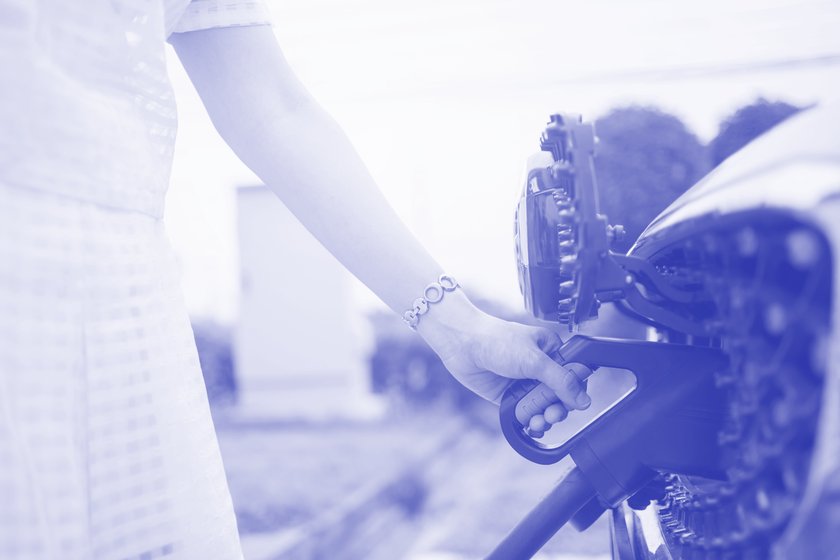
After months of silence, the government finally released details of its upcoming fuel efficiency policy, which brings Australia into line with the US, but still behind Europe.

Water startups have struggled to attract climate tech funding despite increasing global water scarcity. A new breed of Australian startups are working to change that.
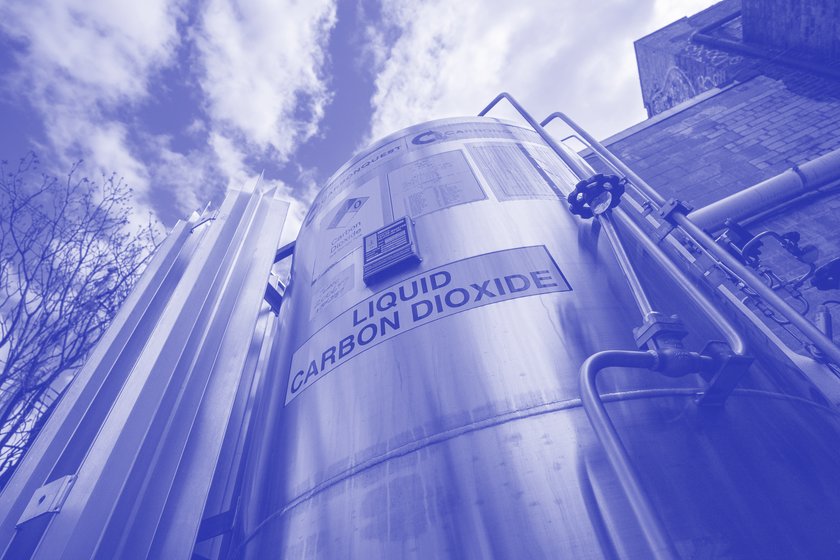
Carbon capture and storage has divided the clean tech community for years. But there's growing support for its use in hard to abate sectors. And one of the biggest projects in Australia to date, by Santos, is set to go live in 2024.
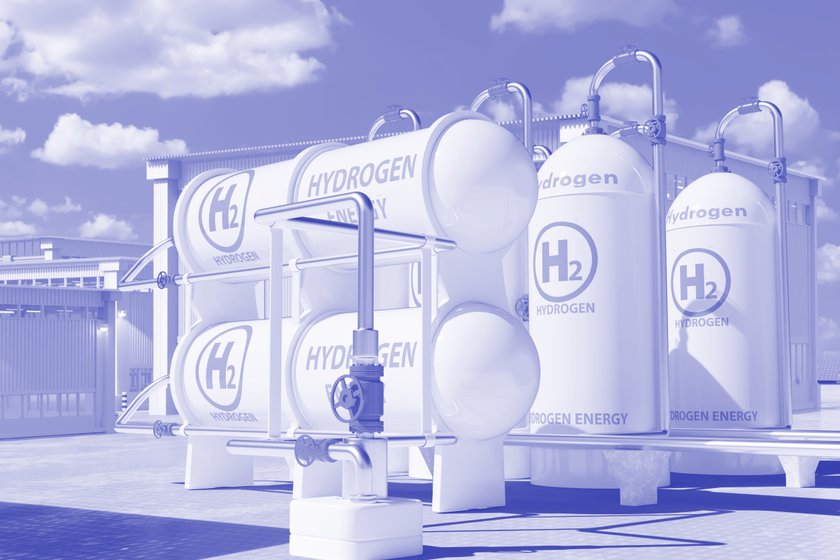
The Australian Renewable Energy Agency shortlisted six projects for its $2 billion Hydrogen Headstart program, but the brainchilds of Woodside and Andrew 'Twiggy' Forrest's Fortescue were conspicuous by their absence.

The push to reduce the carbon footprint of new buildings is prompting greater consideration of embodied carbon in construction materials.
One of Brookfield's most senior executives tells Capital Brief there are "certainly other opportunities in Australia" for a landmark deal beyond Origin Energy.

A modified phrase in the Global Stocktake Text was enough to get all 200 signatories of the Paris Agreement on board to wrap up negotiations at COP28 in Dubai.
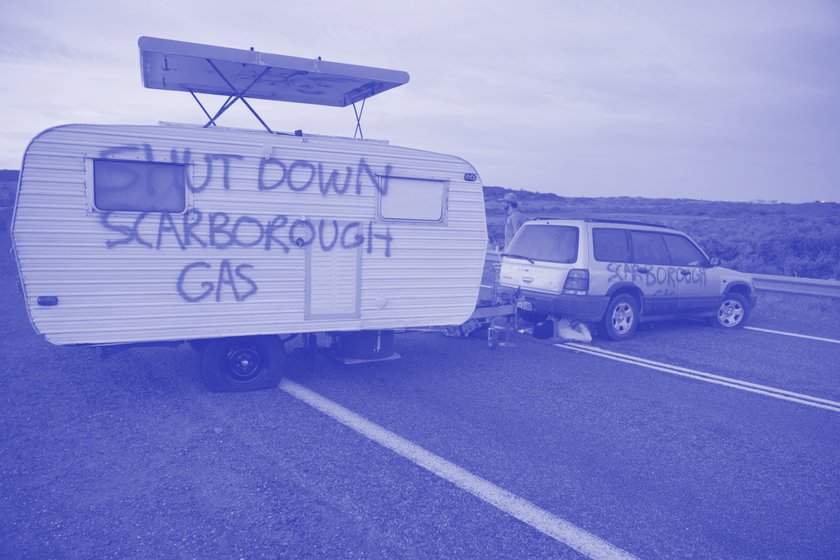
Beyond pursuing a potential $80 billion corporate merger, Woodside and Santos could well also compare notes on defending claims of greenwashing.
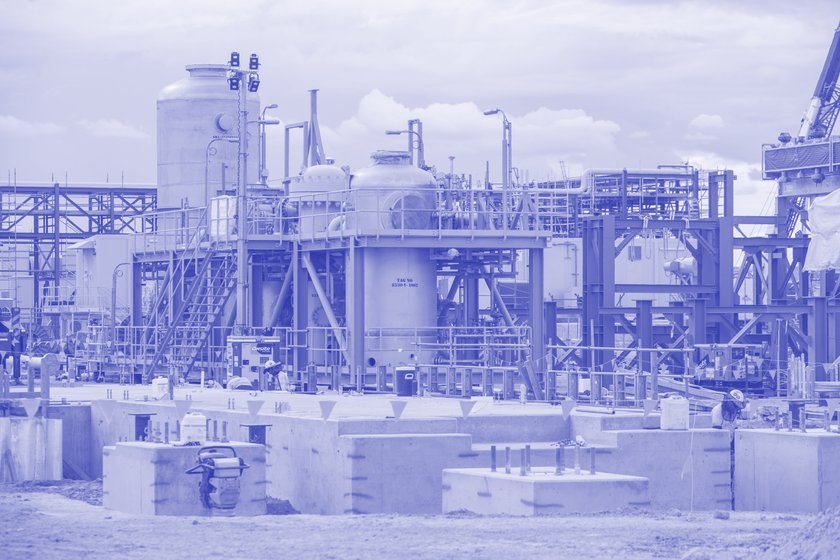
Woodside and Santos are poles apart on their ESG strategies. Would an $80 billion merger be beneficial from a sustainability lens?
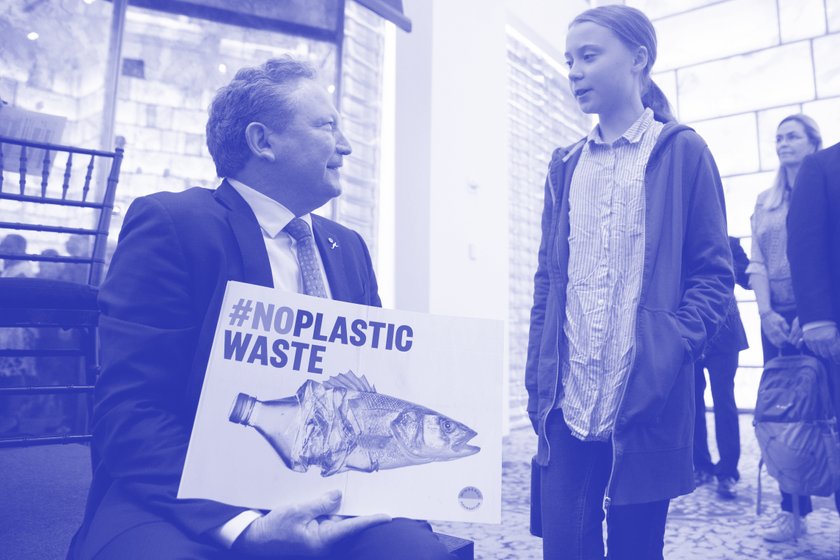
Sustainable finance has typically focused on land-based efforts. The ocean finance movement, which includes billionaire Andrew Forrest amongst its proponents, has emerged to ensure marine ecosystems don't miss out.
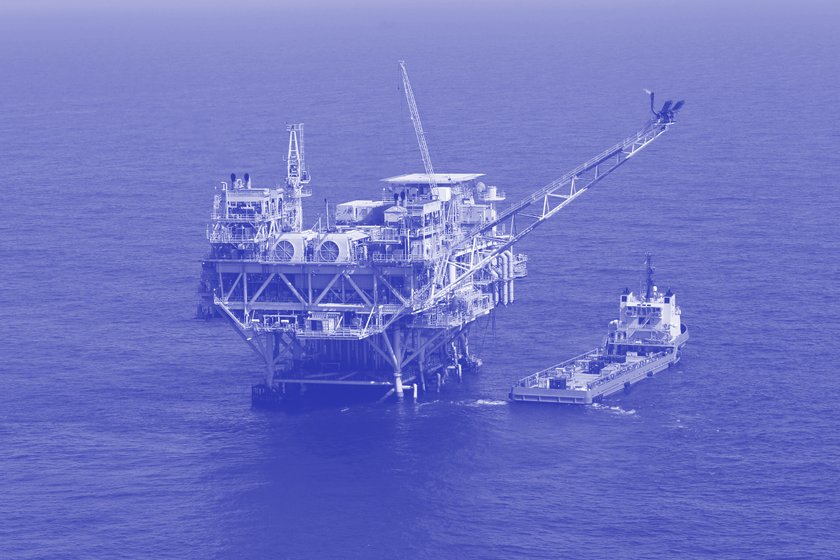
Australia signals it wants to end fossil fuel use but must tread a delicate balance in the final COP28 negotiations.

Talk of a possible $80 billion Woodside-Santos merger follows a wave of consolidation in global oil and gas as companies band together for survival.
With a dearth of obvious expansion opportunities, the mooted $80 billion tie-up will help deliver growth and scale, but arguably not much beyond. It could, however, help Santos attract interest from other suitors.

Over-promises, under-delivery and at times even outright fraud have featured heavily in the 25-year history of carbon offset markets. But things could finally be about to change.
The Canadian investment giant might be tempted to disappear off the local energy scene altogether after seemingly failing in its second big attempt to pull off a landmark climate deal in Australia, this time with Origin.

With the annual UN climate change talks kicking off in Dubai, Australian negotiators should be encouraged by recent progress. But with the world on track for its hottest year on record, now isn’t the time for complacency.

As the UN's climate conference gets under way in the UAE, Australia risks getting caught in the middle of a debate over the future of fossil fuels.
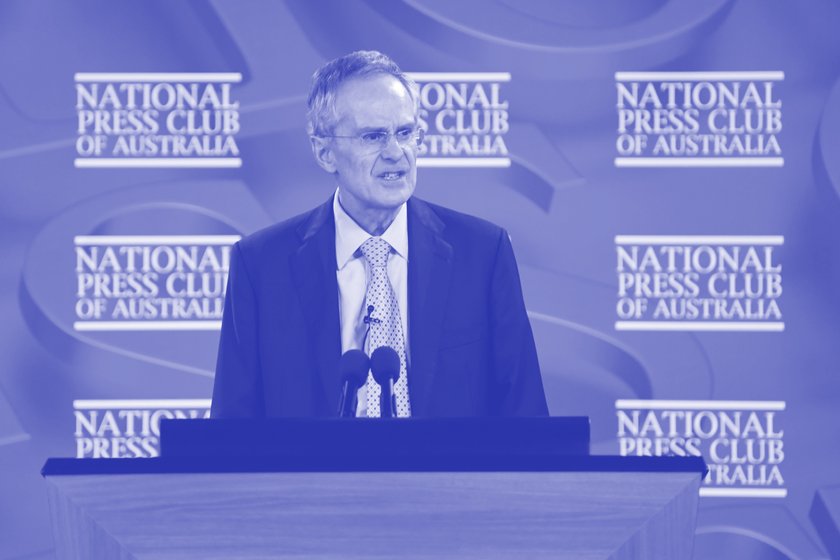
Australia uses outdated techniques to estimate its greenhouse gas emissions, which are being grossly under-reported. New satellite monitoring technologies are needed to boost accuracy, according to the Superpower Institute's Rod Sims
Another day, another curveball in the Origin Energy takeover saga which will now extend for at least another 10 days.
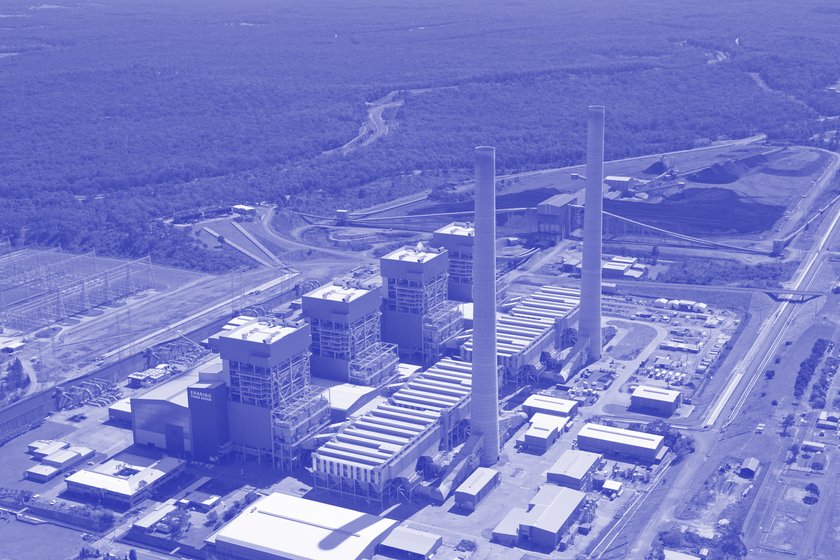
With AustralianSuper and Perpetual in the no camp, and proxy advisors and index funds likely voting yes, Thursday's scheme vote on the Brookfield and EIG takeover is on a razor-thin margin.
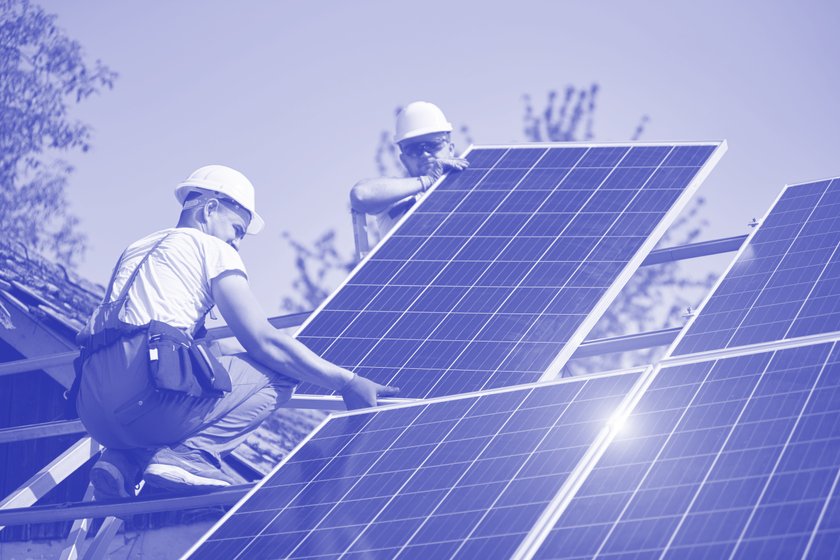
Australians have had a love affair with rooftop solar for the past decade, but little thought has been spared on how to deal with disused panels.
AustralianSuper has been coy about its intentions as it’s built up a stake of more than 16% in Origin Energy.
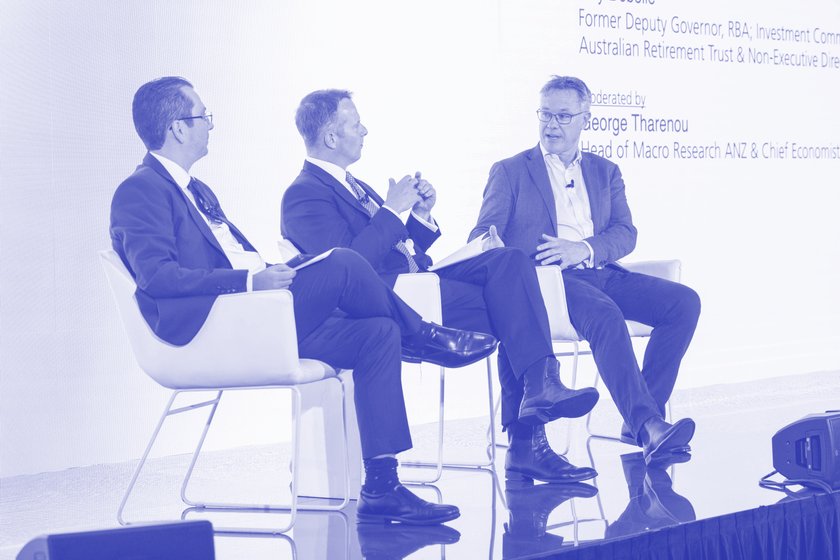
The former RBA deputy governor thinks Australia can play a big role in helping the world decarbonise, but admits it means rates will be likely be higher for longer.

Preventing vast stockpiles of lithium batteries going to landfill goes beyond environmental concerns. Recycling them can help defray looming critical minerals shortages.

Your email address will be stored in accordance with our privacy policy.