
Canva is known as a great place to work, but some are now wondering whether its culture is, in a way, too upbeat.

Your complimentary access ends . To keep reading without interruption, subscribe today.

VC and startup correspondent
Bronwen joined Capital Brief after working across the media and startups the last 15 years. She has also worked for both state and federal government helping foster innovation. She was part of the founding team at Culture Amp.
Contact Bronwen via email.
Canva is known as a great place to work, but some are now wondering whether its culture is, in a way, too upbeat.

Canva prides itself on its culture. But the shock departure of its CFO this week raises questions about the way it has communicated to investors and staff at a critical juncture.

The departure of the design software company's CFO under the cloud of an internal investigation adds a fresh layer of uncertainty to its highly anticipated IPO.
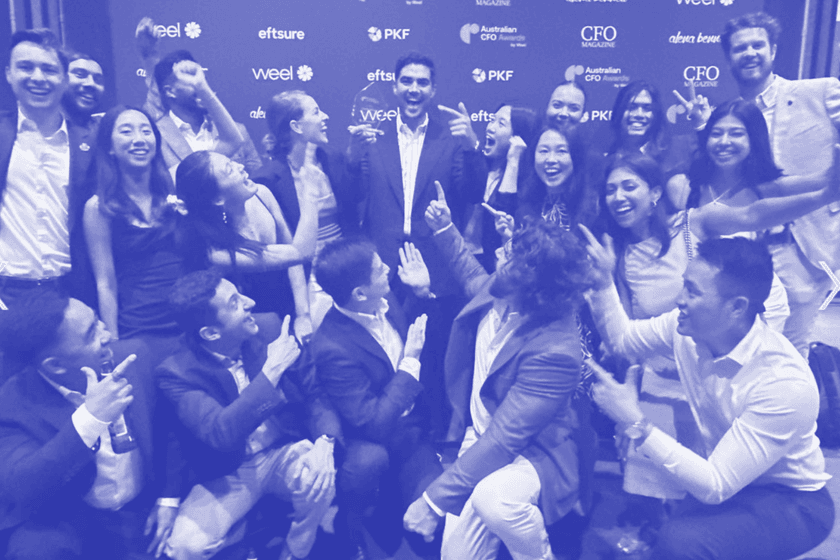
In a statement Canva said it has "a zero-tolerance policy for inappropriate behaviour". The Aussie unicorn is now without a CFO in the run-up to a highly anticipated IPO.

With a lot of long-term employees and a high share price, could Canva's secondary sale mean a mass exodus before the IPO madness sets in? From the outside looking in, it certainly looks tempting.
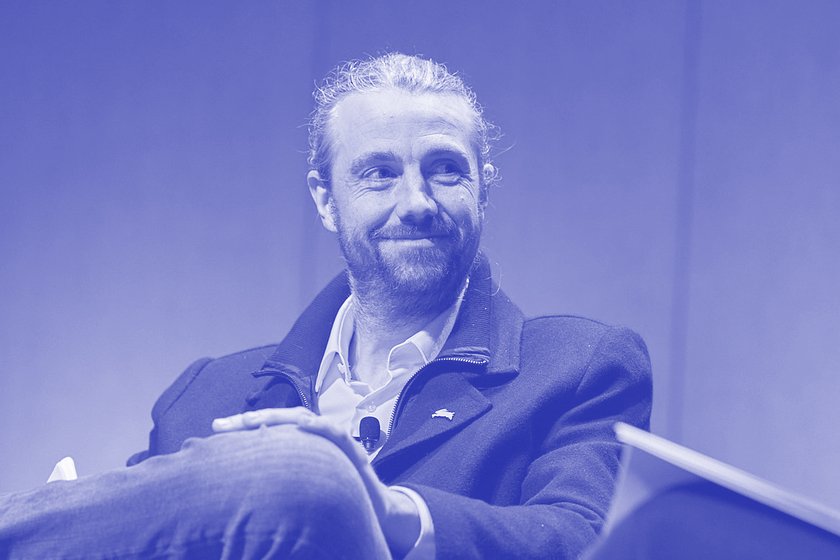
Grok has announced it will only focus on climate-related investments that support decarbonisation of the planet and achieving net zero.
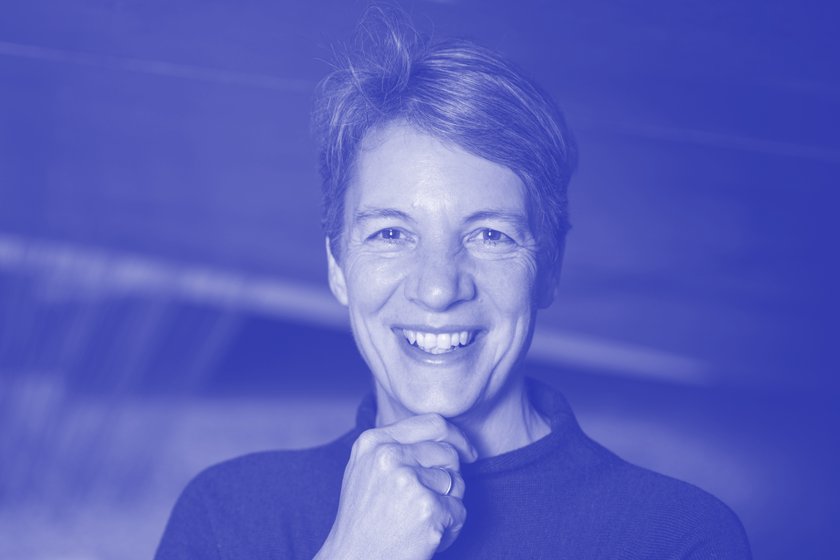
While the startup and VC industry has a natural and understandable tendency to be positive, when it comes to funding allocated to women, sugar-coating the reality does more harm than good.
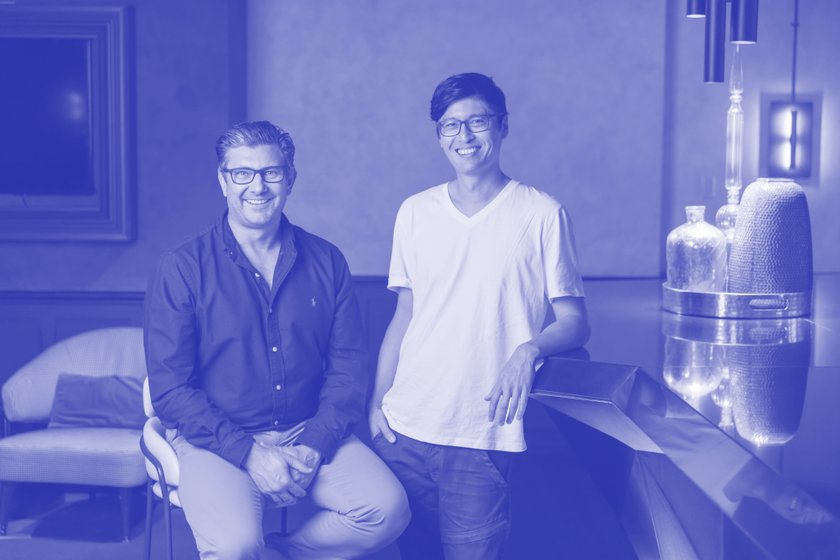
After a dismal 2023 characterised by layoffs and a sharp decline in funding, founders and VC are more optimistic for the year ahead, with 92% of startups expecting to raise fresh capital.
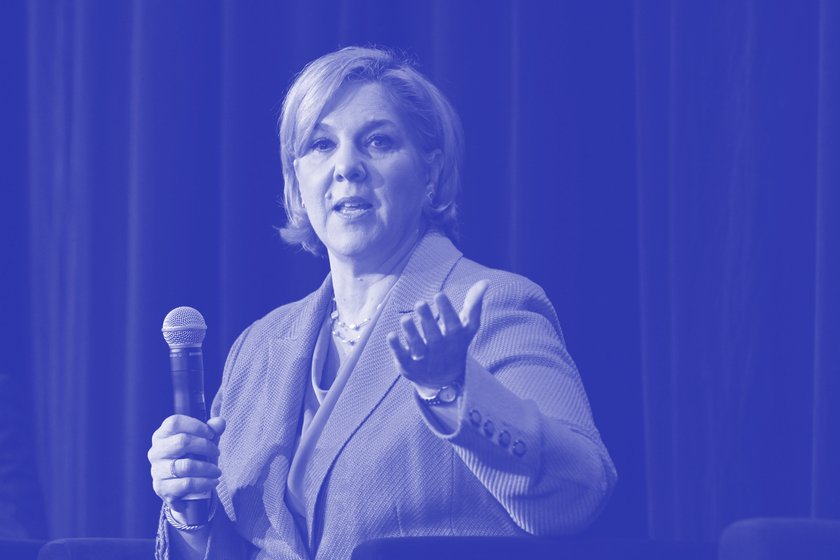
A US judge who voided Elon Musk's US$56 billion Tesla pay package also took a swipe at Australian chair Robyn Denholm, whose decision to accept the role in the first place was always a risky one.

The news that the government is proposing an increase in sophisticated investor thresholds lit up LinkedIn in a way that Twitter scandals used to. But it increasingly looks as though the media and the ecosystem have run ahead of themselves on the yarn.

The startup sector has won a small reprieve in its battle against changes to the sophisticated investor thresholds.

Kiki's dramatic shift has made a lot of headlines, but it's also given pause to look at the art of pivoting — something fundamental to the success of many startups.
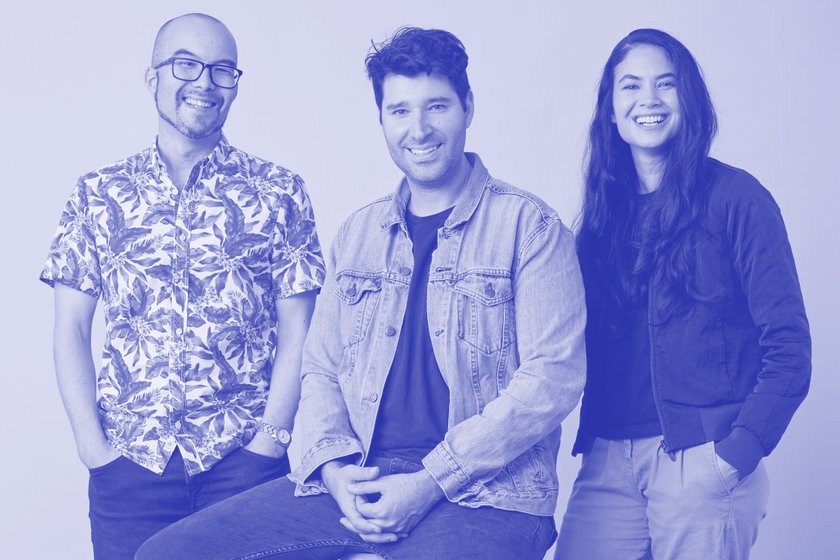
A big payday is coming for the design software giant's early employees and investors — and well before its expected IPO.
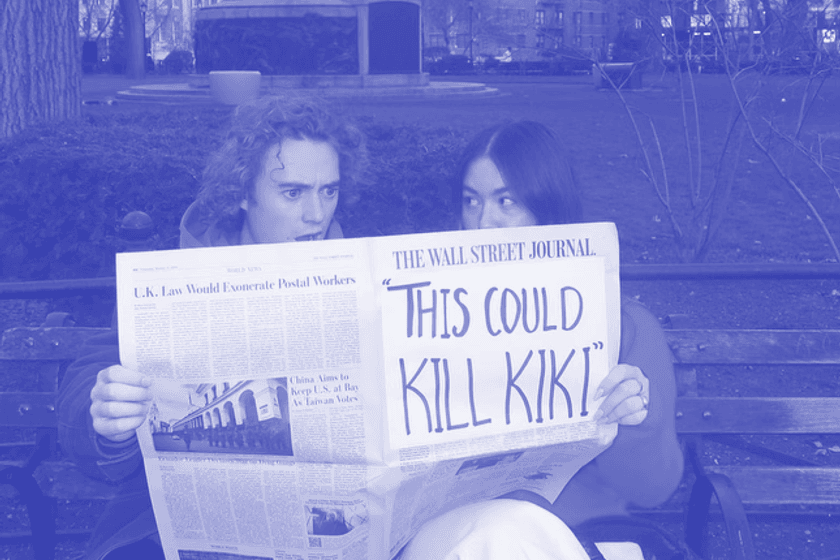
An investor memo obtained by Capital Brief shows the subletting startup's backers were made aware of its controversial decision to pivot, which has generated scorn and outrage in the ecosystem.
Both sides are arguing the other is at risk of breaching consumer laws, which could theoretically expose them to damage claims, or even steep financial penalties.
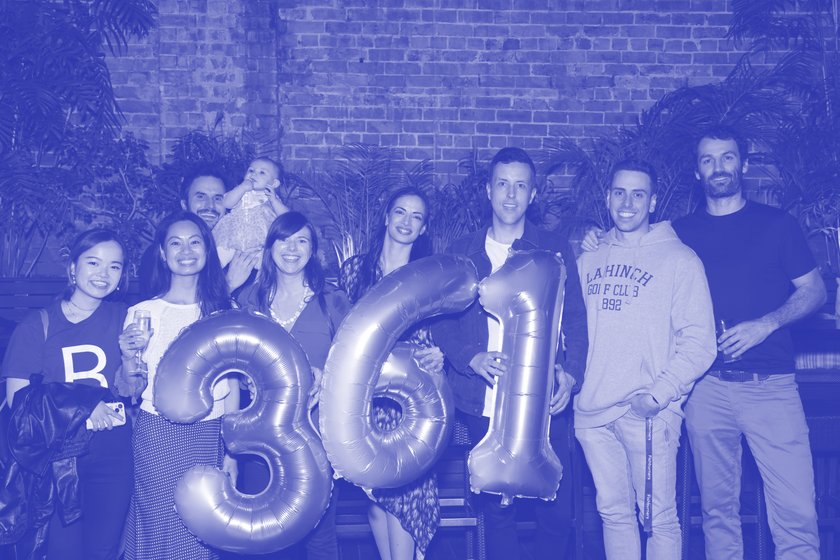
The startup ecosystem has been doing the hard work of educating investors around the risks (and rewards) of investing in startups for years. That could be be wiped out if a proposal to increase the threshold for qualifying investment goes ahead.
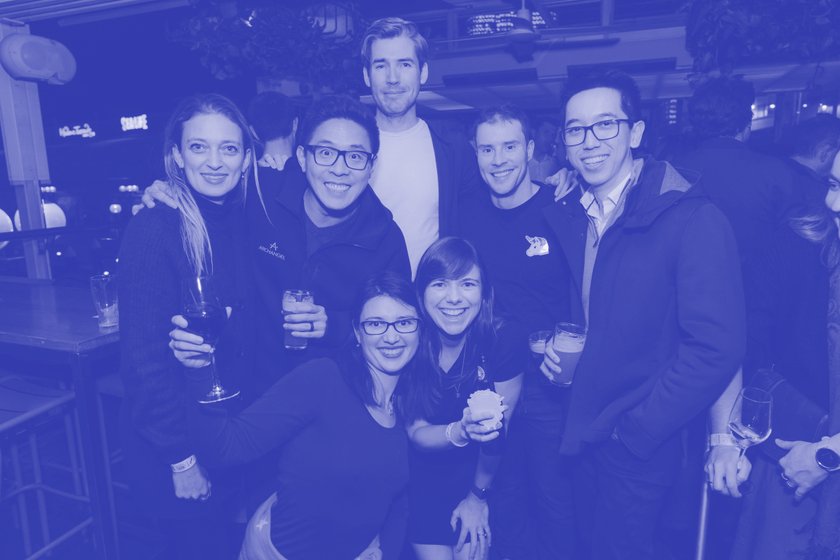
The startup ecosystem is freaking out about the Albanese government’s plans to significantly lift the financial thresholds allowing retail investors to back startups.
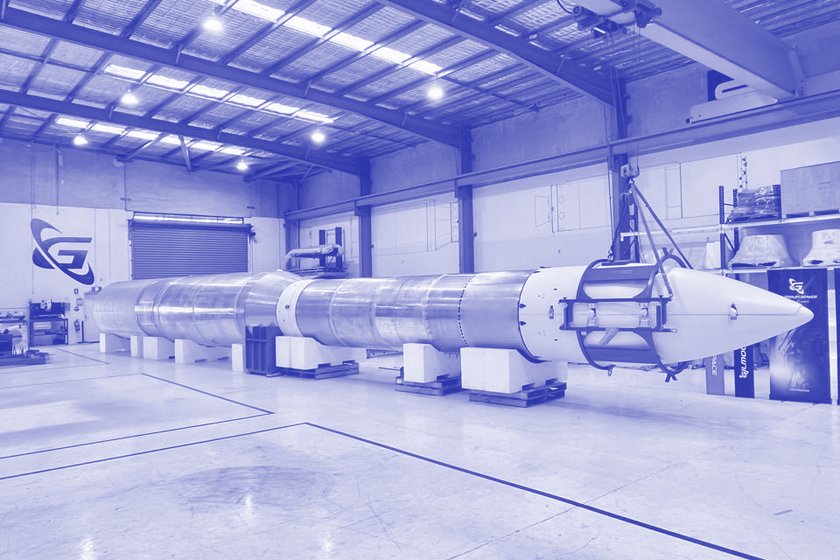
A maiden rocket launch for Queensland-based Gilmour Space Technologies could mean liftoff for a growing cohort of Australian space tech companies already punching above their weight.
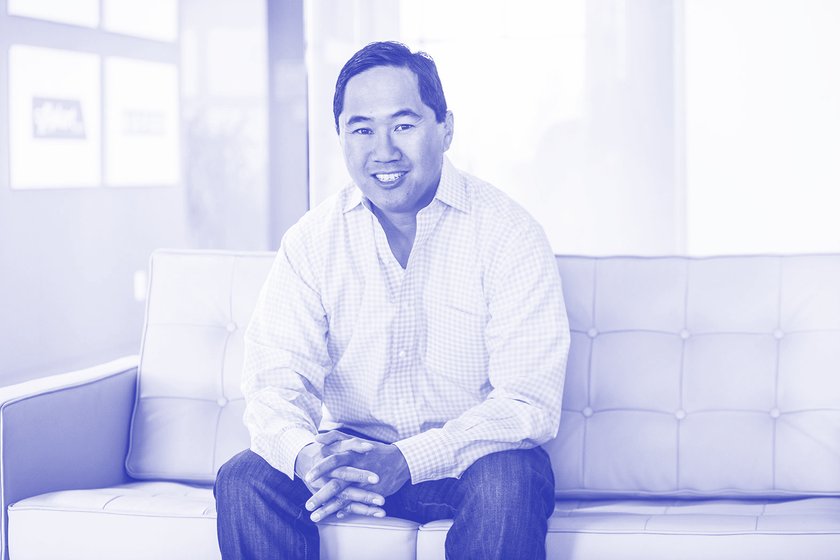
The respected US VC, and early Atlassian investor, says there are advantages for businesses in not being sucked into the Silicon Valley bubble.
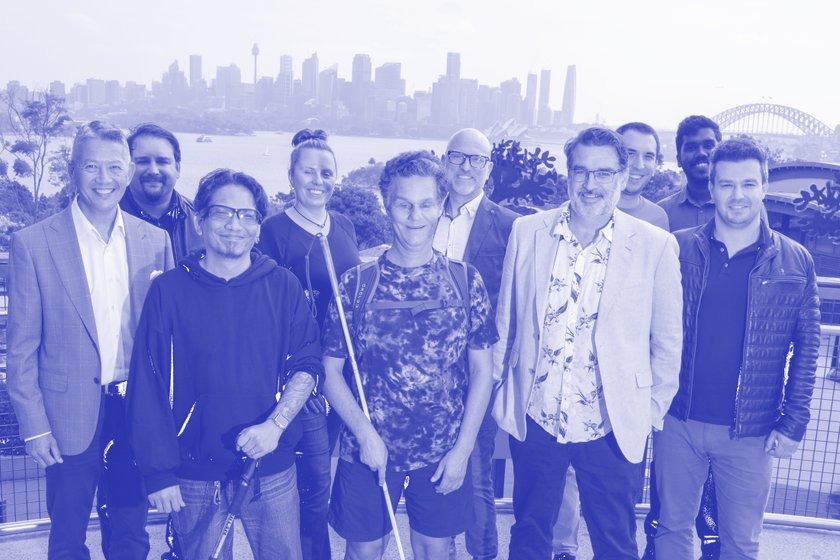
Sydney-based ARIA Research has created world first tech in an area that attracts a lot of government support and very little VC interest - assistive technology for people with a disability.

The VC fund, which started as an arm of the telco behemoth, has quietly become one of the most successful Australian startup investors — backing 16 unicorns since 2011.

It's curious that a subjective factor like gut instinct is a major driver of decisions in an industry built around scientific progress and technological solutions.
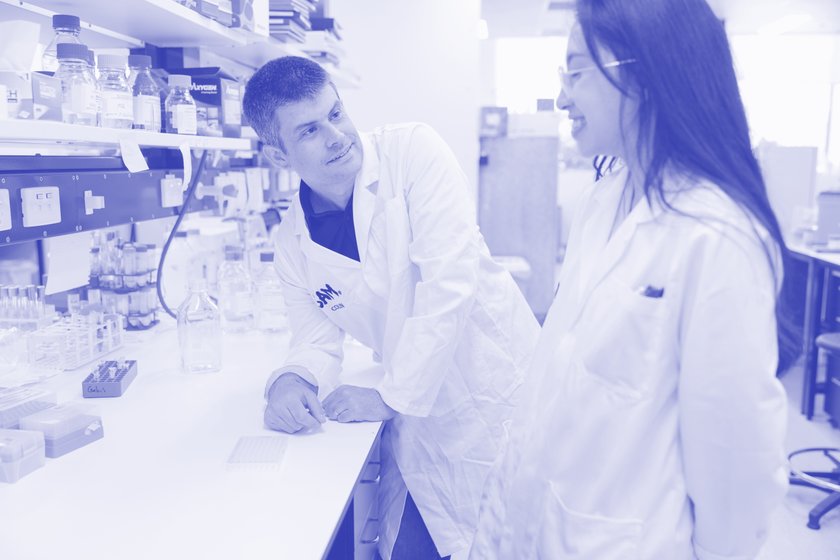
Are the golden years of B2B SaaS behind us, and is the dawn of deep tech upon us? And can we fund it quickly enough?

Influential VC firm Andreessen Horowitz says it will back any politician who supports an “optimistic technology-enabled future” — and oppose those who don’t.
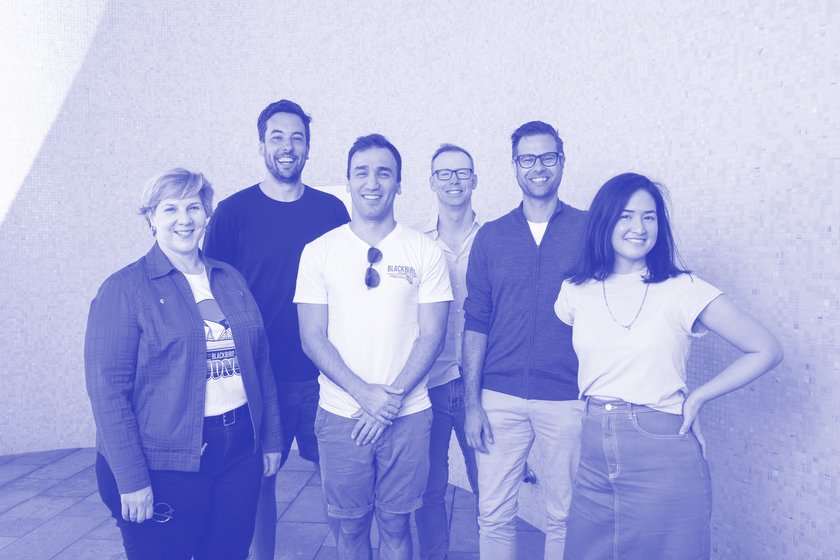
The country's biggest VC fund has copped criticism over gender diversity and its early stage bets in recent weeks. But is it fair?
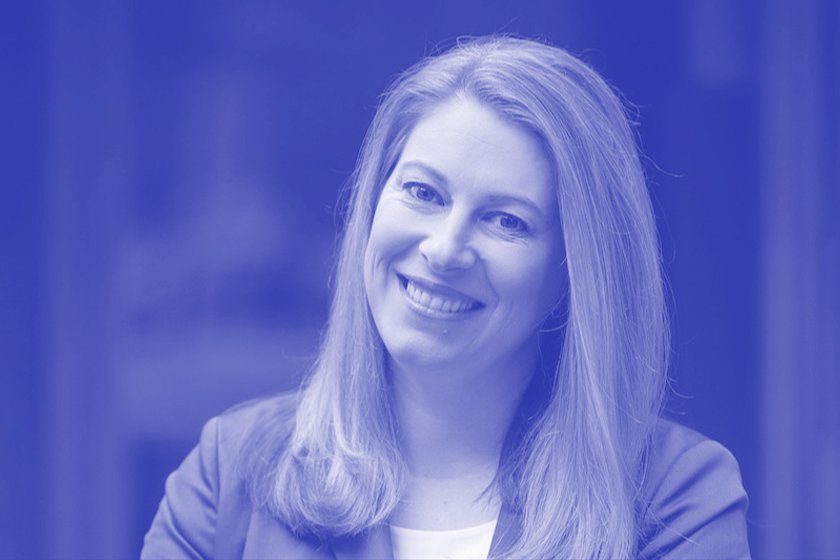
Australian VCs have welcomed the Albanese government’s new migration strategy but say that it needs to be promoted amid a fierce global war for talent.

A new report lists the top five VCs investing in Australian AI – and they're not all the usual suspects. The age-old talent shortage problem, meanwhile, threatens to constrain the sector's growth.

The infrastructure opportunity and the funding challenge were key topics of conversation at a recent gathering of Australia's climate tech community.
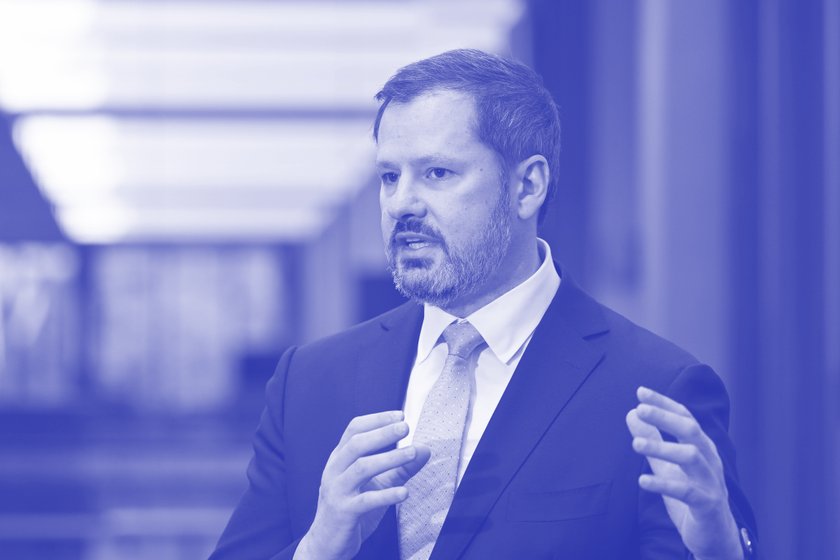
There’s a lot riding on the success of the National Reconstruction Fund, including playing catch up to other countries that have nurtured sectors with committed government support.
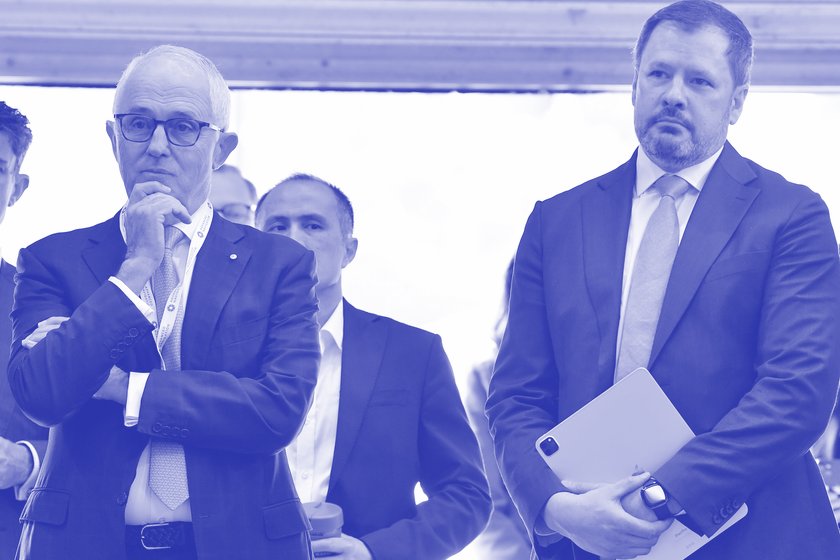
The launch of the National Reconstruction Fund is being closely watched by the VC and startup industries, which have seen similar promises made before.
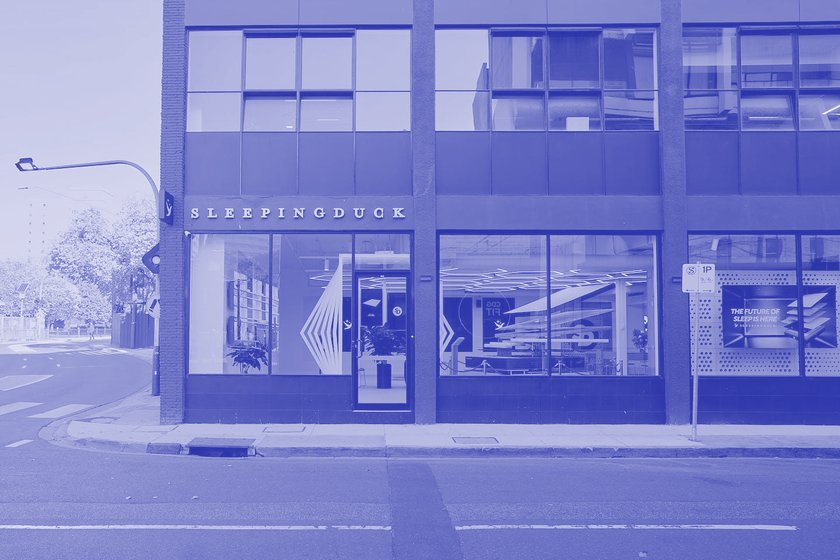
The closing arguments of the Shiffman v Sleeping Duck trial served up a question familiar to all investors and founders: how do you value a startup?
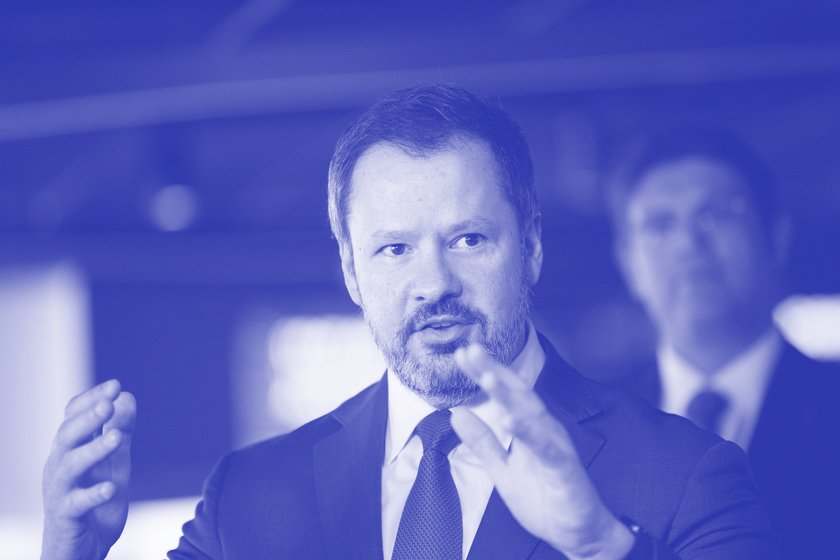
Industry and Science Minister Ed Husic is well-liked in startup land, but his framing of some policies has raised questions in the community.
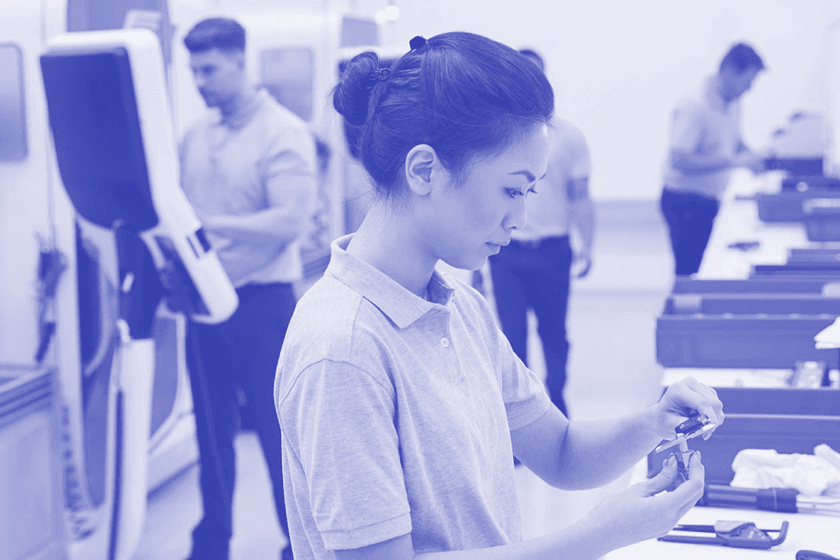
Deep tech is about pioneering foundational tech to solve devilishly complicated problems. Australia has shown promise but needs to get better at converting knowhow to commercial success.
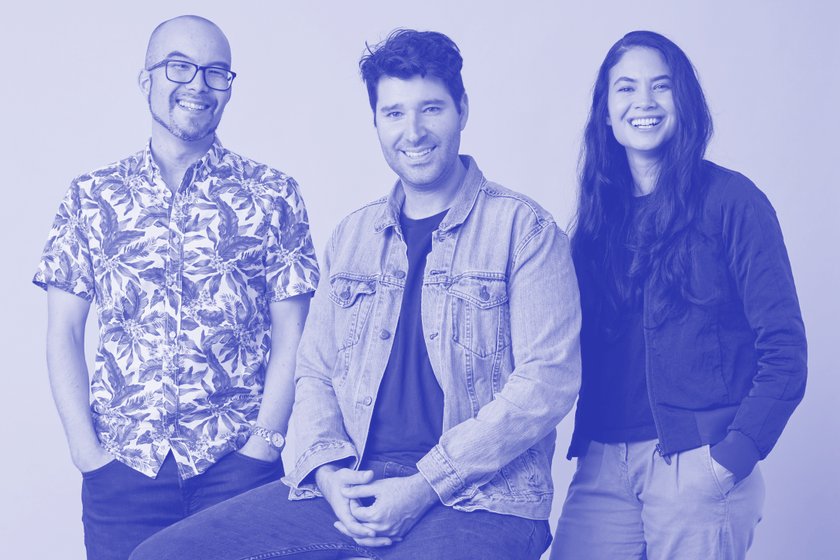
Australia’s startup darling Canva has made its biggest splash in elite US investment circles to date.

A deepening ideological schism in Silicon Valley underpins the fight over OpenAI's future.

The risks of developing using third-party applications have always been high, but for the thousands of startups already relying on OpenAI for their AI capabilities it's becoming existential.
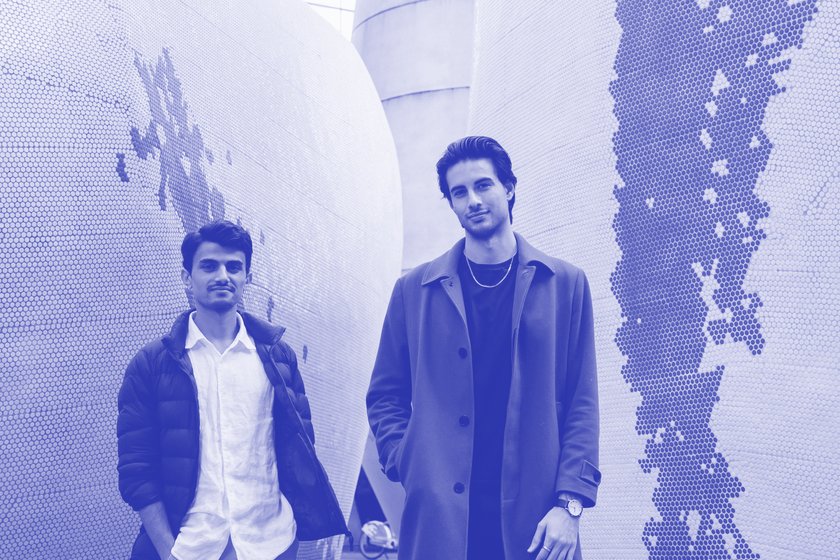
The funding comes amid increased global pressure on mandatory emissions disclosures, particularly in its target market of the US.
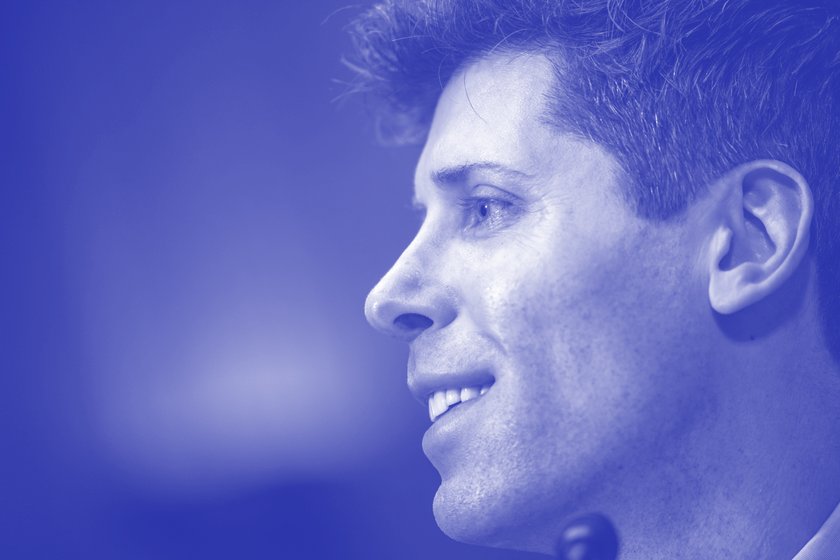
The dismissal of Sam Altman from OpenAI shocked Silicon Valley. It also raises questions about the role of boards in overseeing powerful tech companies.
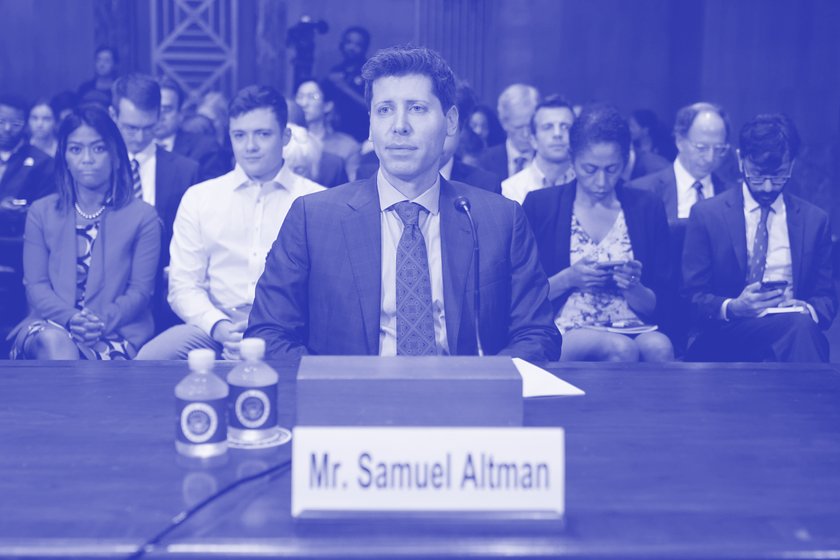
Unfathomable. Value destructive. Mind-boggling. These are just some of the terms top Australian tech investors used to describe the shocking dismissal of Sam Altman from OpenAI — who now could be set for a remarkable return.

Your email address will be stored in accordance with our privacy policy.