Climate and environment
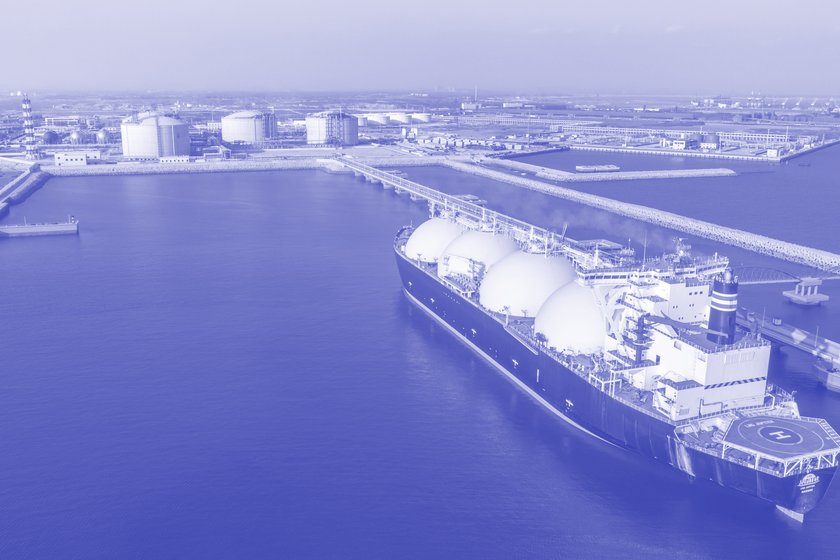
Three of the five largest Australian corporate lenders now have policies restricting lending to new oil and gas projects. But a close analysis of their targets reveals plenty of loopholes they can still exploit.

Woodside is under attack for its lack of climate ambition and its refusal to acknowledge a finite future for fossil fuels. Investors are ramping up the pressure but chair Richard Goyder has been fighting back.
After his SunCable renewable energy venture was tipped into administration and bought out amid an acrimonious billionaire fallout, co-founder Fraser Thompson is still thinking big with new startup Cyan Ventures.

Australian companies are likely to be among those hit with stringent new sustainability reporting rules which come into effect in the European Union in less than eight months.
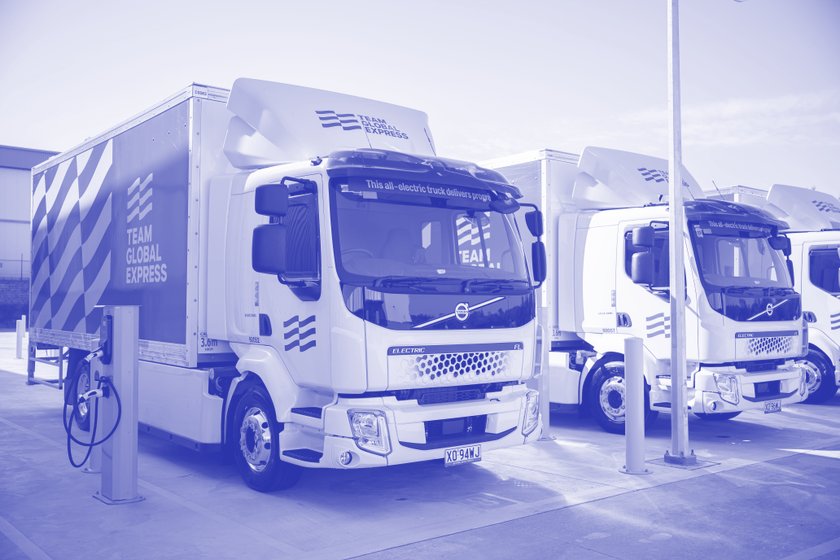
Net zero experts have welcomed the government's green manufacturing push but are urging it to be realistic about which industries can feasibly be brought onshore.
Greg Combet's appointment as Future Fund chair has sparked speculation about the sovereign wealth manager's future direction. With a few mandate tweaks, it could play a more hands-on role in the net zero transition.
Treasury has delayed the start of its new climate reporting regime by six months. But heavy emitters and private companies are among those that still have major gripes with how the new regime will operate.
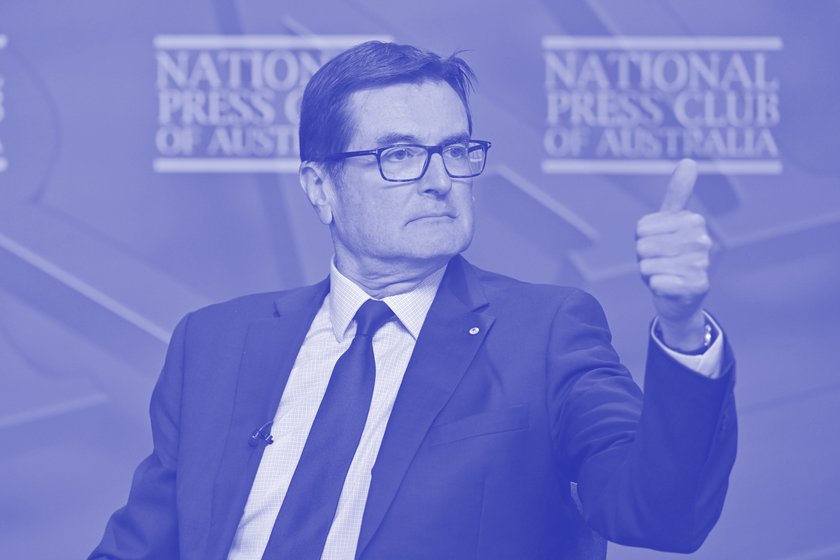
As Greg Combet prepares to start a new role at the Future Fund, it is difficult to see how the agency he's leaving behind will play a significant role in Australia's net zero transition.

With one eye on the election, Prime Minister Anthony Albanese became deeply involved in Labor's backdown on vehicle emissions standards two weeks ago.
The Tasmanian marginal seat MP says she will remain in the Liberal Party despite pressure from conservatives, saying: ‘If you want the party to change, change it’.
The factors holding back the energy transition are strikingly similar to those holding back tax reform. Might the solution to both be the same?
The slow rate of electric vehicle switching and adoption of clean industrial technologies will stop Australia from achieving its net zero by 2050 target, Oxford Economics predicts.
Aluminium is one of the most important metals in the green economy due to its use in EVs and solar panels, but also one of the dirtiest. Smelters are now embarking on multi-year journeys to reduce their product's carbon footprint.

With more than 700 million used garments sent to landfill each year, the fashion industry has a big sustainability problem to solve. If it fails, the government has promised to regulate it into action.
A federal court judge has described ASIC's arguments against the index fund giant as "misconceived and completely wrong".
Equity Generation Lawyers has grown from one man and a laptop to one of the country's most prominent climate litigators, leading high profile cases against AGL and the Victorian government.
Having once shunned heavy-emitting companies, banks are now instead offering tailored loans to help them navigate the energy transition.
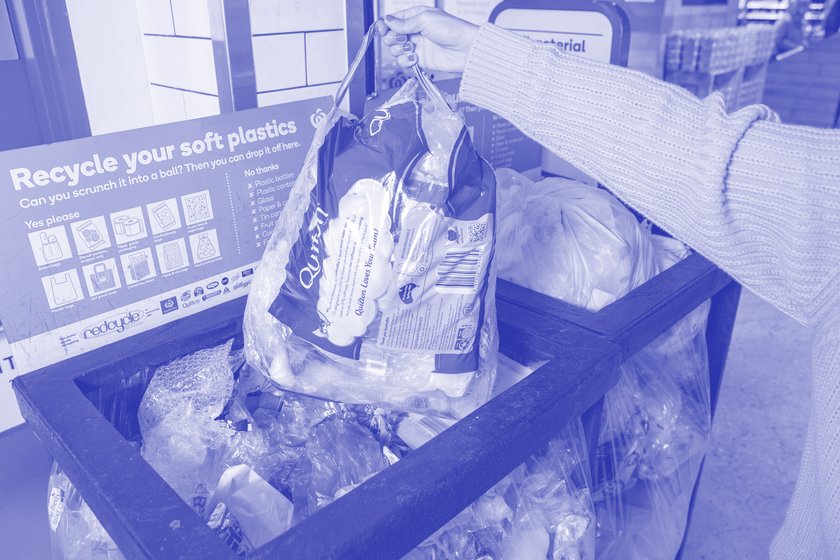
A new breed of plastics recyclers have risen from the ashes of the failed REDcycle program, proposing new facilities to turn soft plastics waste into oil. But a lack of government policy is hampering progress.

Advising companies on what to do about their climate and environmental impact, and investing in the solutions, is now big business.
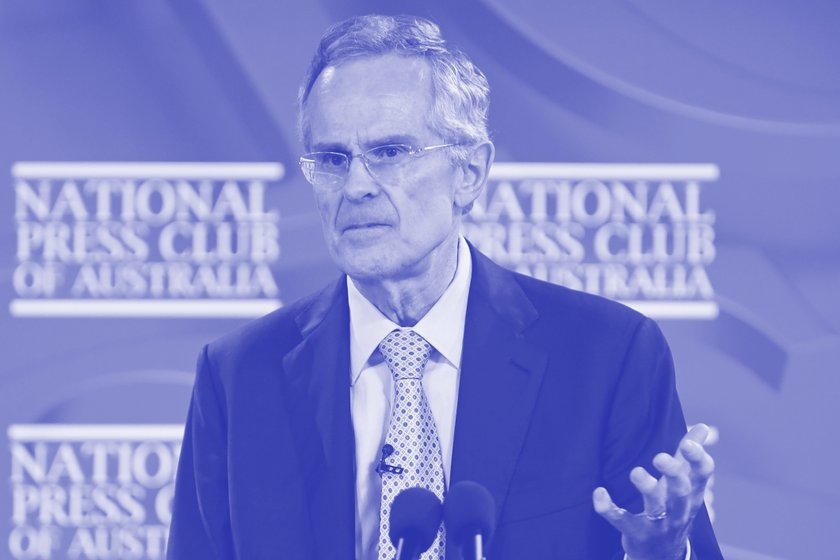
As part of their proposal, Rod Sims and Ross Garnaut want to win the public's support before going to the politicians with their ambitious plan for the nation's economy.
Australia's carbon trading market has been dogged by accusations of fraud in the past. But as it moves from a voluntary to a compliance based system, supporters say its integrity issues have been resolved.
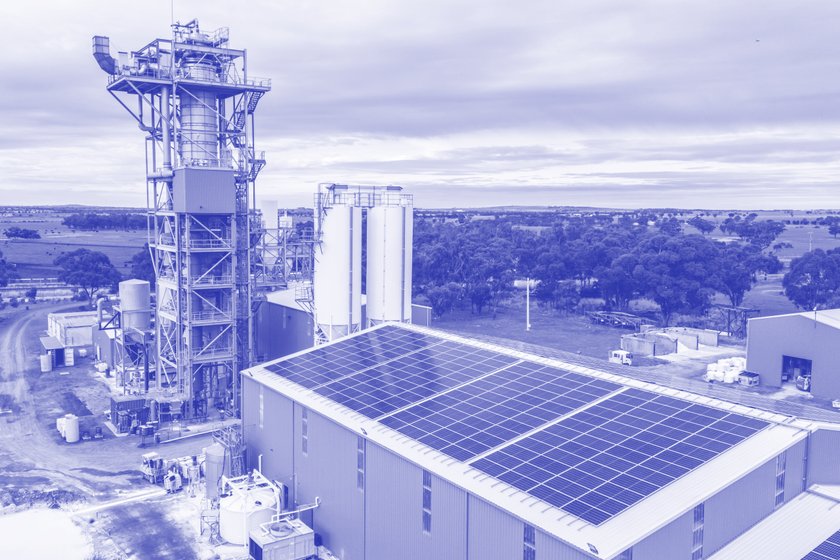
ASX-listed Calix has perfected its green iron recipe and claims it is only slightly more expensive than the regular fossil fuel variety.

Grok has announced it will only focus on climate-related investments that support decarbonisation of the planet and achieving net zero.

Large Australian companies will be forced to reveal the risks of climate change to their operations under a mandatory reporting regime effective from 1 July. But are they ready?

An $80 billion Woodside-Santos merger made little sense from the beginning — including from an energy transition perspective, with the companies pursuing very different net zero strategies.

After months of silence, the government finally released details of its upcoming fuel efficiency policy, which brings Australia into line with the US, but still behind Europe.

Water startups have struggled to attract climate tech funding despite increasing global water scarcity. A new breed of Australian startups are working to change that.
