
Jennifer Duke
Economics correspondent
Jennifer Duke is the associate editor for Capital Brief. She is a Walkley Award winning journalist with more than a decade's experience, specialising in economics, business and finance. She has worked for The Sydney Morning Herald and The Age as economics correspondent and as a business journalist.
Contact Jennifer via email or Signal.
Economists think the Reserve Bank will increase rates in May following surging fuel prices. But as the Middle East conflict drags on, the worst of the inflation effects may be yet to come.
As geopolitical uncertainty continues to ramp up, economic growth and inflation is increasingly difficult to predict.
Even if the US-Iran negotiations end up being successful, Australia still faces significant economic disruption.
The longer the conflict, the worse the economic outcomes.

Australian economists have shifted their predictions quickly and dramatically with the conflict in the Middle East showing no signs of abating.

Deputy governor Andrew Hauser’s market-moving podcast looked like a signal to economists, but the RBA says it was planned well in advance and never meant as guidance.
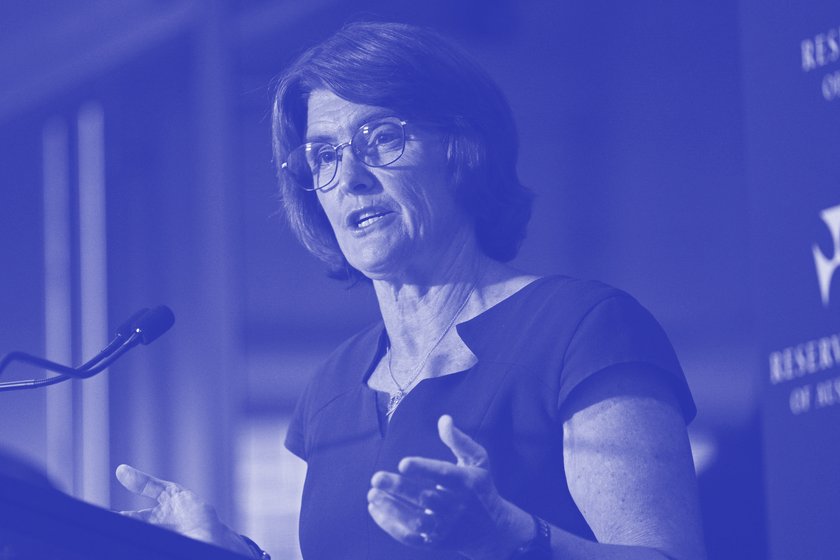
The RBA lifted rates as expected, but surging fuel costs and Middle East conflict are complicating the inflation fight and raising the stakes for Canberra.

The Reserve Bank board will meet this week. Will it sit on its hands amid turbulence in the Middle East or act on data that looks too hot?

The fallout from the Iran conflict is rattling consumers and markets alike, putting fresh pressure on the Reserve Bank ahead of next week’s rate call.

Economists have laid out several scenarios from rising tensions in the Middle East and what it could mean for the economy. They range from relatively relaxed, to extremely cautious.

As Australia sees early AI-linked redundancies, RBA governor Michele Bullock insists the bigger jobs impact is likely to unfold less dramatically.

The strikes on Iran over the weekend and fears of escalation could trigger a spike in oil prices, raising inflation fears and overshadowing an expected uptick in growth in Australia.

The US President’s latest tariffs plus a fresh tranche of domestic inflation data will dictate the economy and markets this week.
December’s strong labour force read paved the way for a rate increase in February. Will January’s print reverse the trend, or back it in?

In 2023, Opposition Leader Angus Taylor told Capital Brief he wasn’t necessarily chasing the top job. Now he‘s got it — and has to come up with a unifying agenda for a shattered party.
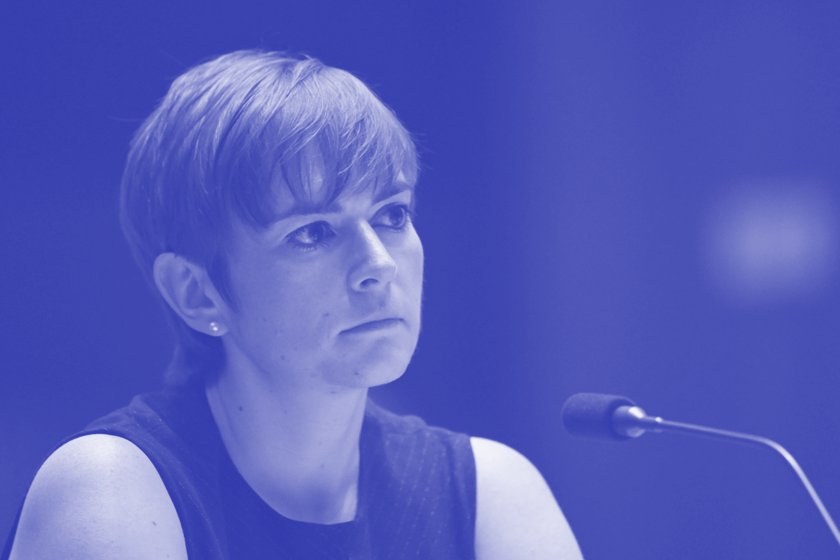
The central bank will face another round of scrutiny this week as senior officials appear in public following the decision to raise the cash rate to 3.85%.
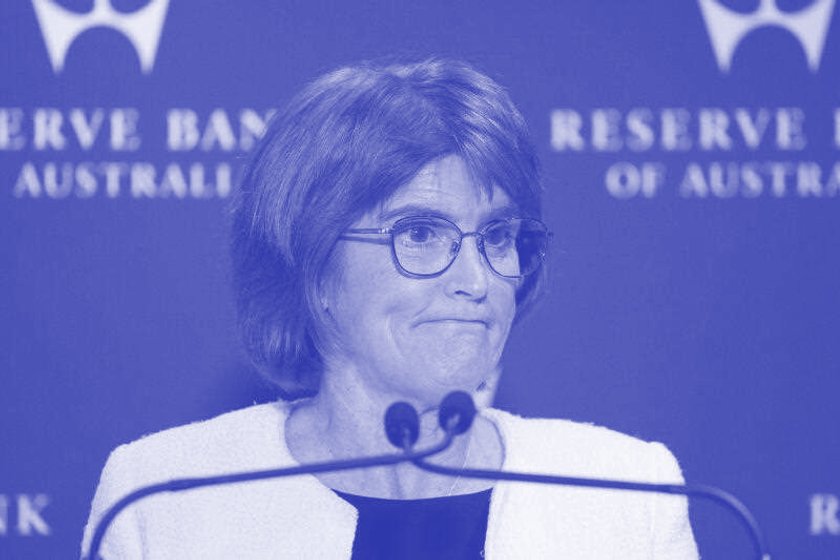
The big four banks are all expecting the RBA to lift interest rates on Tuesday at its first meeting for the year. But the stronger Australian dollar and markets moves could complicate its next move after that.
A surprise jump in inflation has markets bracing for another rate rise, putting Treasurer Jim Chalmers under renewed pressure over the budget.
The likelihood of a rate rise at the central bank's first meeting for 2026 is rising. Inflation will make or break the decision.
