
Jennifer Duke
Economics correspondent
Jennifer Duke is the associate editor for Capital Brief. She is a Walkley Award winning journalist with more than a decade's experience, specialising in economics, business and finance. She has worked for The Sydney Morning Herald and The Age as economics correspondent and as a business journalist.
Contact Jennifer via email or Signal.
The Wilson Asset Management chairman has been one of the most outspoken critics of Jim Chalmers' plan to tax unrealised capital gains. Now, he has his own proposal.
Invites have been issued to some of the world's biggest companies and major industry bodies for events in the run up to the government's flagship summit.
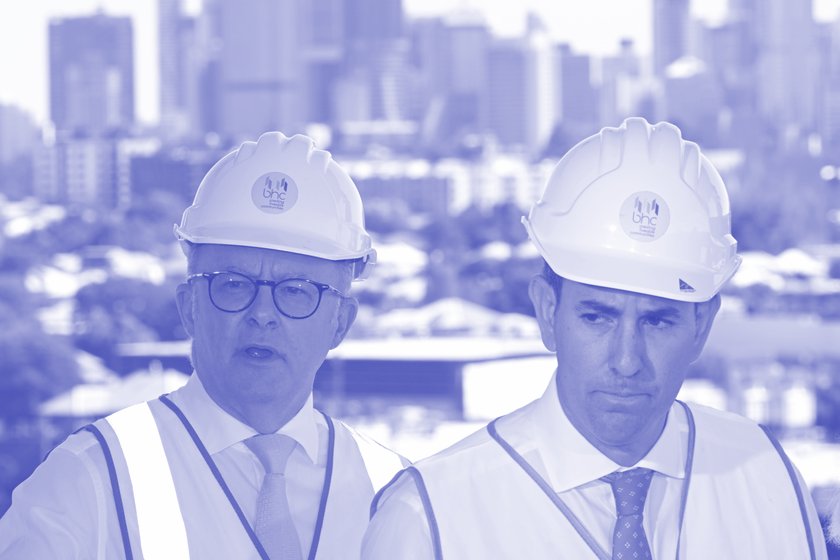
Property developers and lobby groups have not been invited to the Treasurer's economic reform summit, despite housing being a major priority for the government.
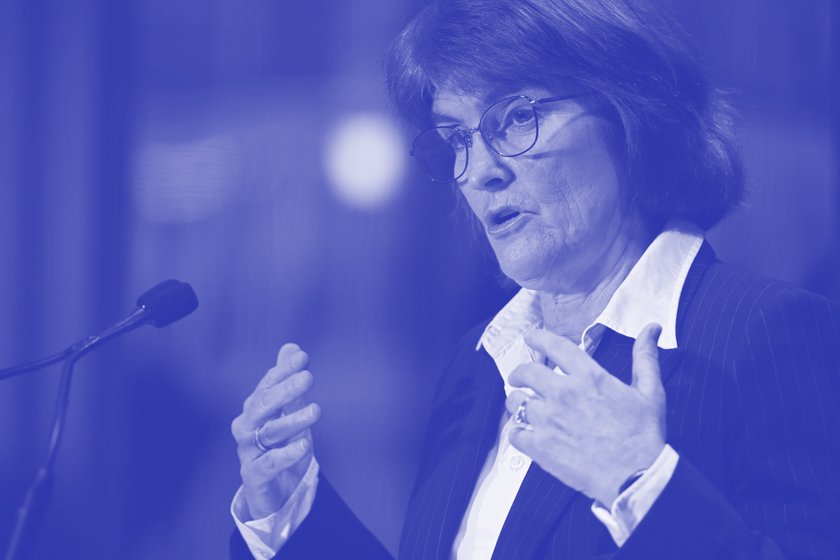
The Reserve Bank governor will deliver a high-profile annual address where economists expect her to address a spike in joblessness.
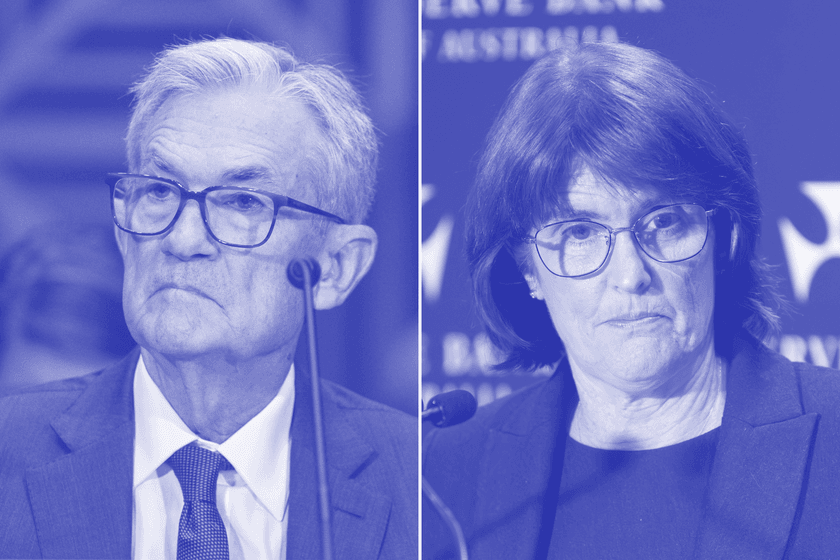
Donald Trump once dubbed Jerome Powell “Mr Too Late”. Now, with rising unemployment and growing pressure, could Michele Bullock earn a similar title?
The ex-RBA economist was a lonely voice in the market tipping rates to stay on hold last week. He explains the thinking behind the call.
The RBA shocked the markets and economists last week when it held rates steady. But governor Michele Bullock gave a clear steer about what she needs to see to cut.
Calls to reveal how individual RBA board members voted raise a crucial question: how much transparency is too much when it comes to rate decisions?
RBA to shift research gears as top official calls for closer ties between academics and policymakers
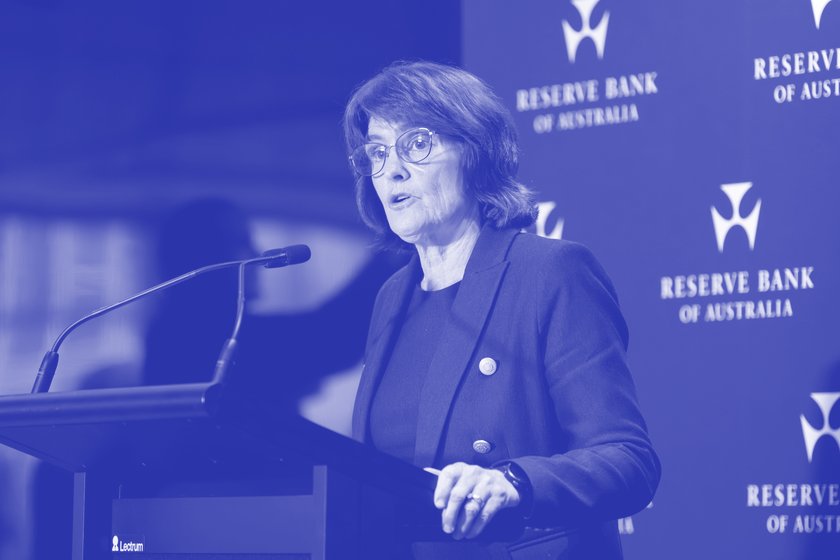
The Reserve Bank’s shock decision to hold rates at 3.85% has stunned markets and economists, reigniting debate over its communication approach.
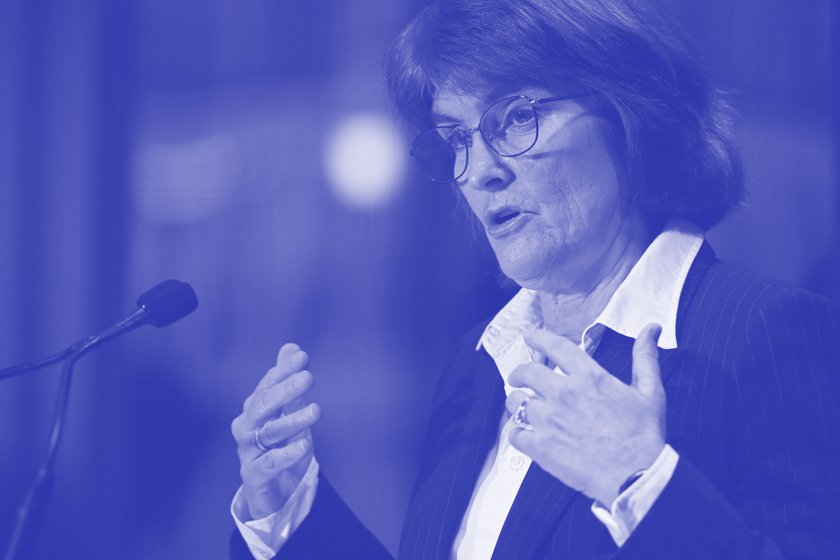
The Reserve Bank's decision to keep rates on hold has put August back in play. And some economists think it might be a bigger cut than usual.
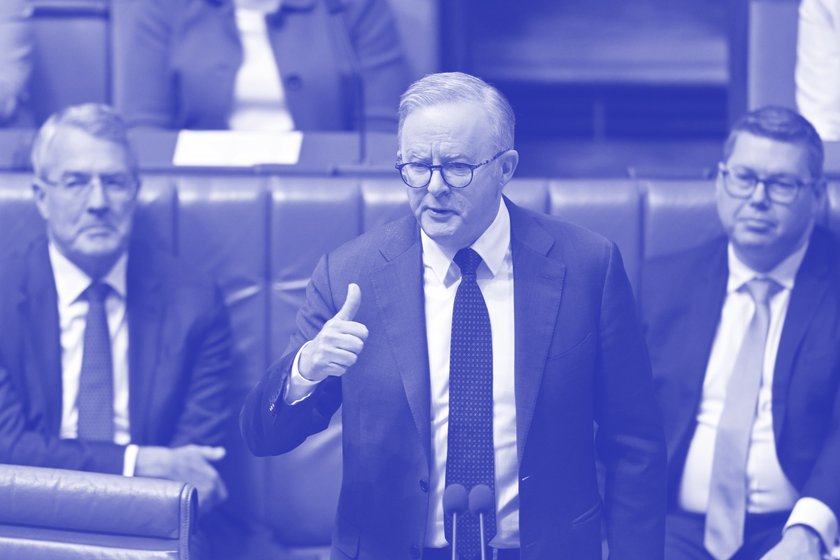
New analysis by the Productivity Commission makes a surprising finding on Trump's tariffs, while its concerns about 'forever subsidies' in the PM's Future Made in Australia plan remain.
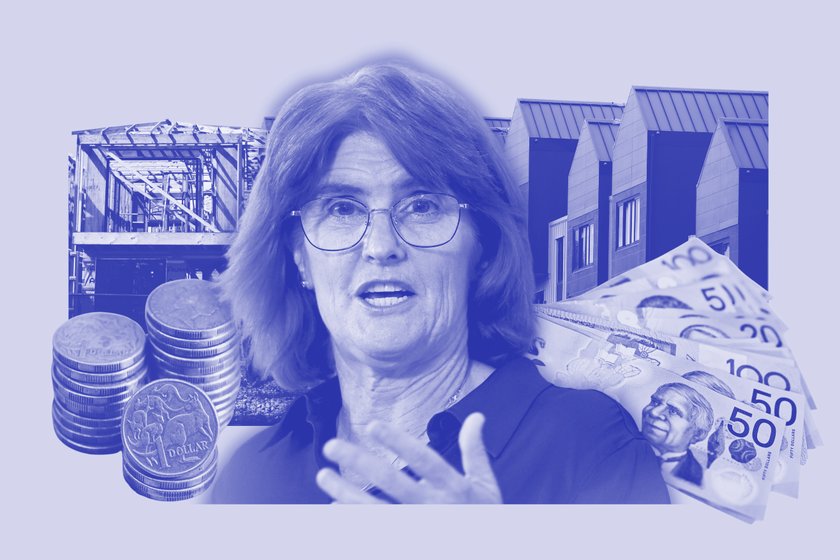
The Reserve Bank is overwhelmingly expected to slash rates on Tuesday as global volatility continues to take hold.
Former ANZ chief economist Warren Hogan has been a vocal RBA critic, was the loudest voice still tipping rate hikes. Now he is seeing things differently.
New analysis of 300 annual reports provides an insight into the shifting economy with inflation and high interest rates no longer top of mind.
Economists will be watching how the property market has responded to the May rate cut, while fund managers will be closing off their books for the financial year.
Jim Chalmers has opened invitations to his economic reform roundtable, but the absence of tech voices raises questions about the path to productivity.
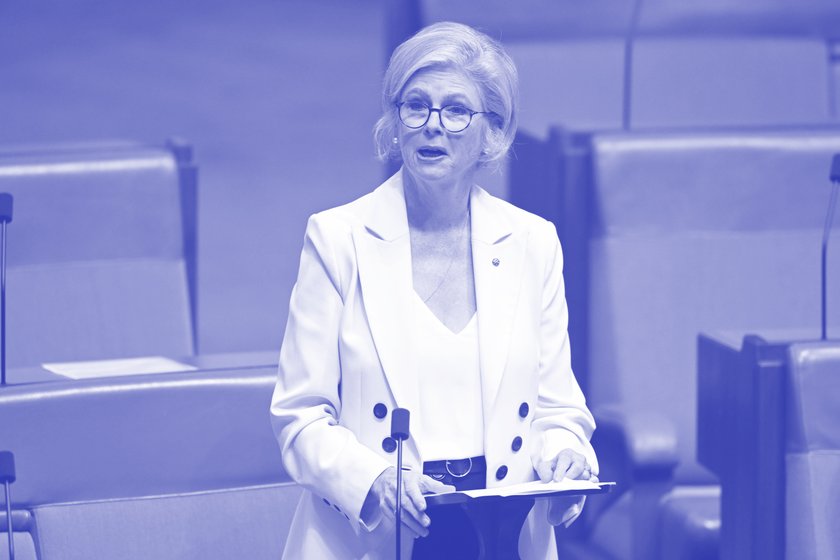
They campaigned on accountability and transparency, but only one independent opted to have their policies costed by the Parliamentary Budget Office.
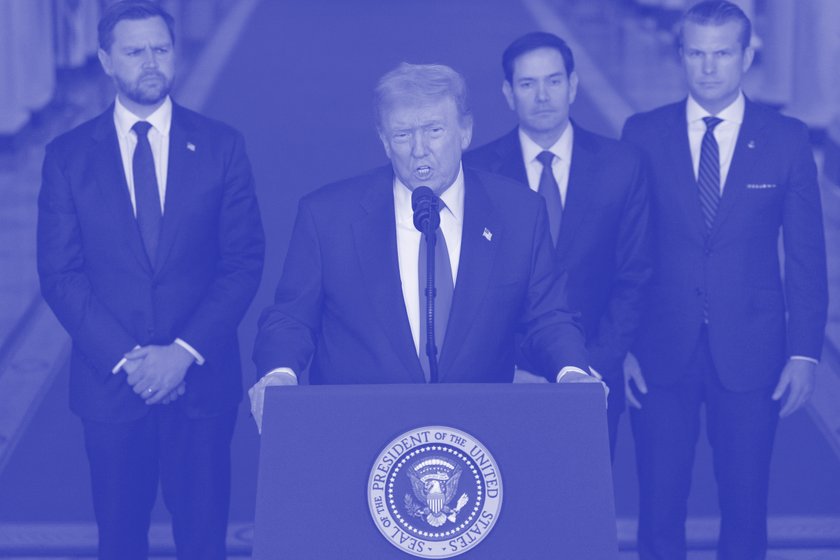
The US President has followed through with earlier threats to attack Iran in a move that could lead to further volatility for markets and the global economy.
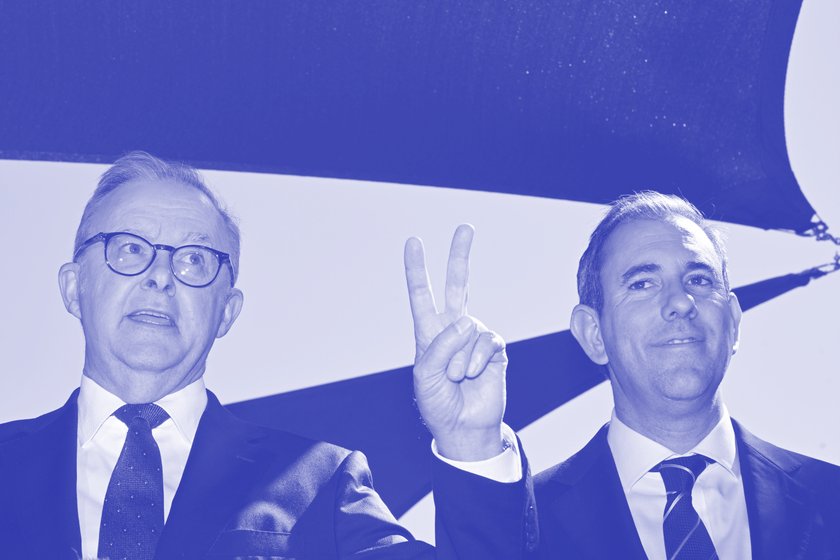
Anthony Albanese campaigned on stability, but with a reform summit on the horizon and Jim Chalmers talking ambition, Labor could be preparing to shift gears.

A US lobby group representing multi-nationals including Amazon and Meta says Australian tax rules are becoming harder to navigate, discouraging global companies from investing.

Jim Chalmers may not be winning friends in boardrooms, but the $30 billion Santos bid could be a chance to show he’s serious about foreign investment.
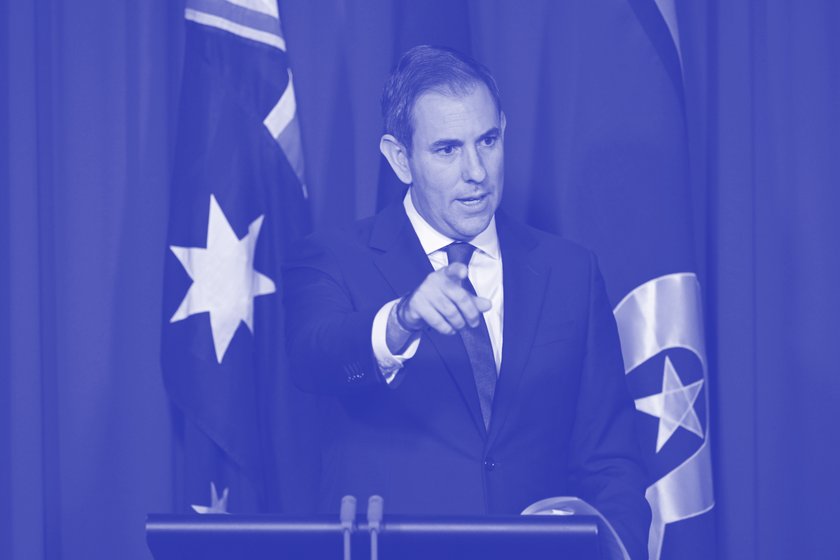
The global backdrop will be inescapable for the Treasurer as he lays out the Albanese government's second term economic agenda in a key speech in Canberra.

Israel’s strike on Iran rattled markets and raised fears of oil disruption — another reminder that in today’s economy, instability is always close at hand.
Business leaders will use August’s productivity summit to call for broad tax reform, warning current settings are choking investment and economic growth.
