Deep tech
The defence tech company is now represented by CMAX Advisory, a government relations firm started by Christian Taubenschlag.
NRF chair Martijn Wilder has told Capital Brief investing in the fund's other priority areas of agriculture, forestry, transport, military and green manufacturing is proving “difficult”.
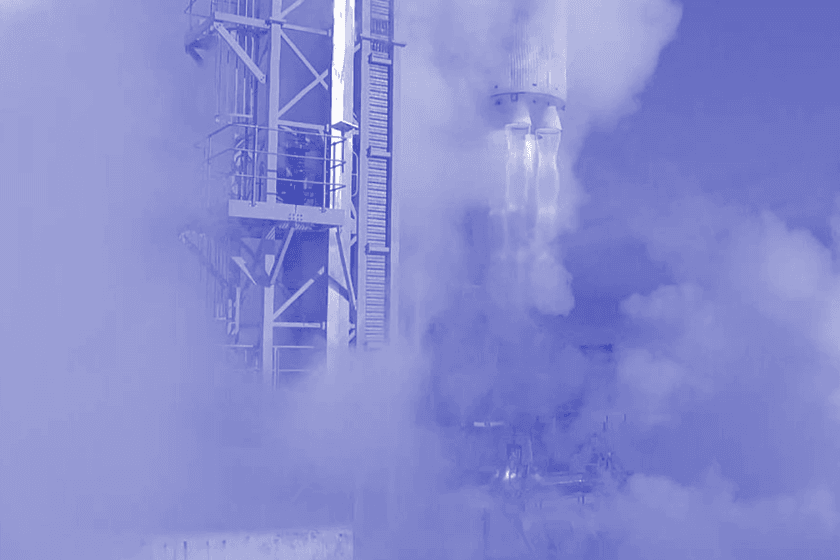
Gilmour Space Technologies’ debut rocket may have crashed 14 seconds after launch. But getting off the ground at all marks a historic breakthrough for Australia’s sovereign space ambitions.
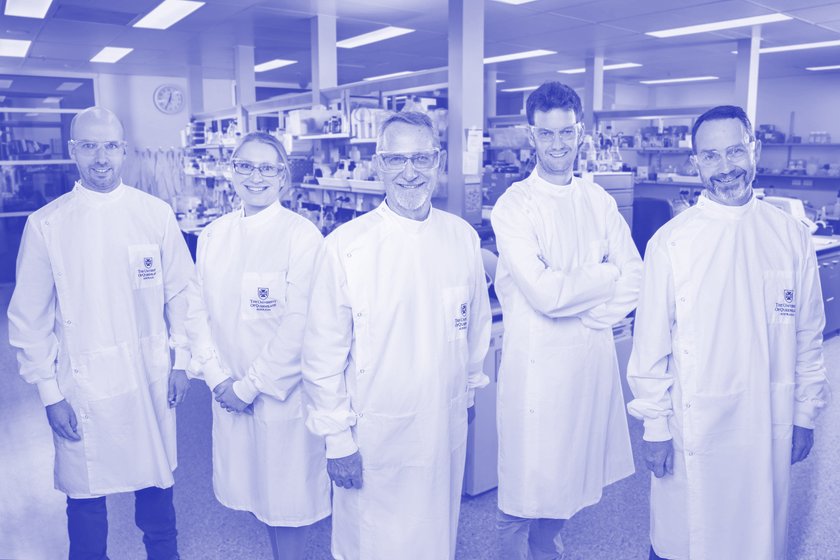
Sanofi’s $1.76 billion acquisition of Vicebio delivers a windfall for the University of Queensland — and highlighted a promising model for commercialising Aussie research.
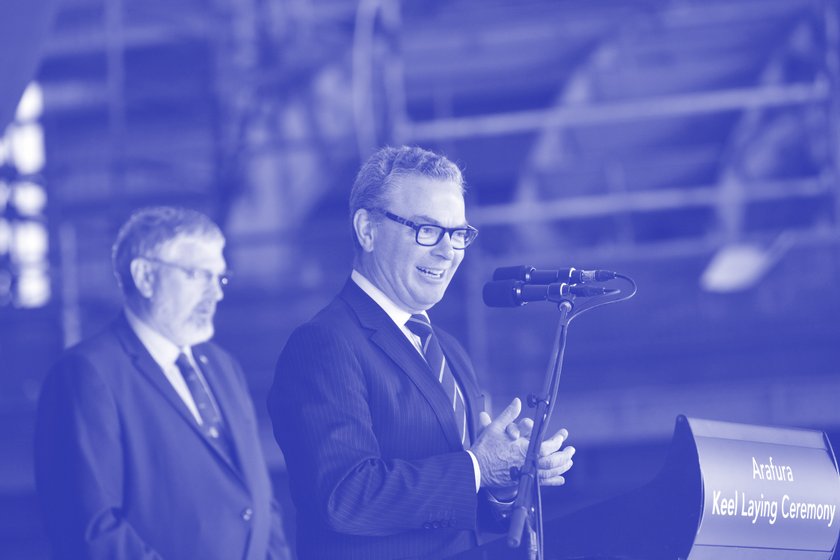
The Liberal Party's decisive defeat in May has done nothing to slow the growth of Pyne & Partners, which has signed several big name clients in 2025.
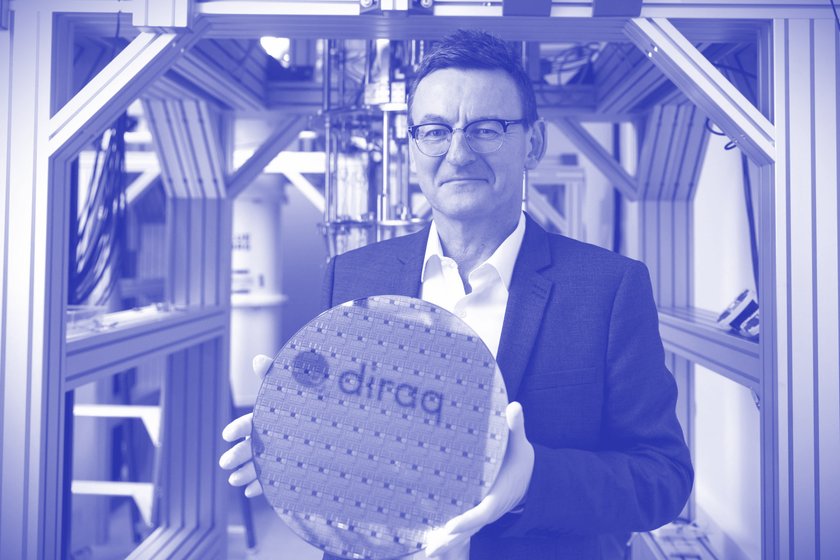
The startup, which is developing chips for cutting-edge quantum computers, last month began working through a Department of Defence quantum program.

While global investors back sectors like deep tech and women’s health, Australia’s narrow focus risks missing the next wave of high-impact, high-return opportunities.
Australia’s luck is running out. To stay competitive, we must embrace bold innovation, invest in tech and lead with vision — not rely on past advantages.
Australia led the world in solar innovation but failed to cash in. With quantum computing, we have a second chance — if we act decisively.
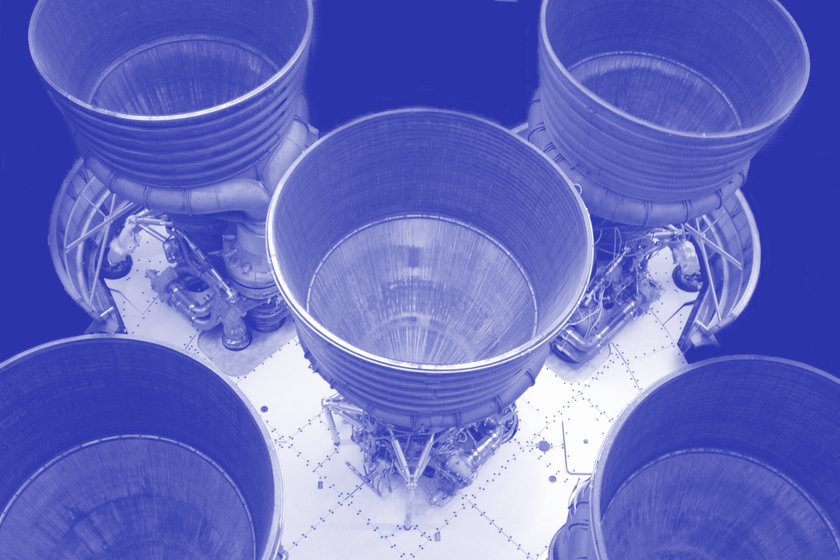
Despite the myths, deep tech isn’t riskier than traditional tech. It just demands different skills, more courage and a bigger vision for Australia’s future.

Despite world-class research, Australia’s funding structures and risk-averse capital are choking innovation before it ever reaches market.
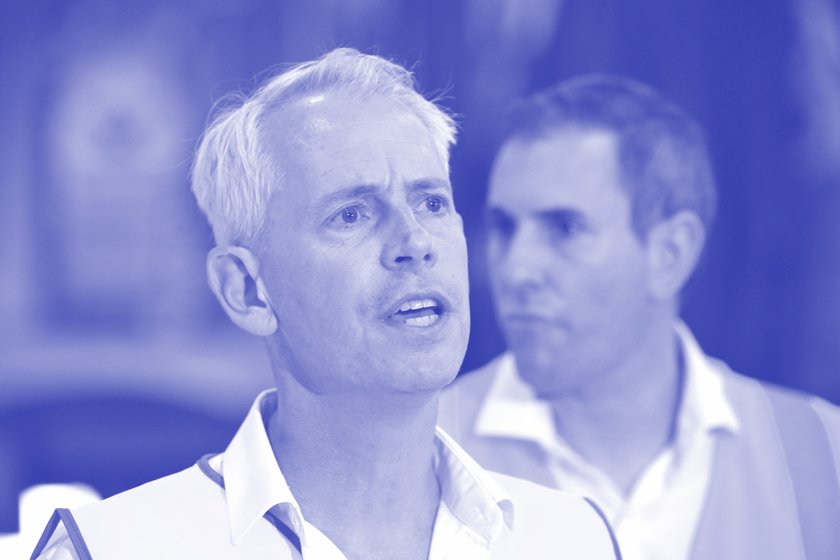
The skills and training minister says urgent labour gaps in clean energy, defence and digital demand a full rethink of how Australia trains its workforce.

Nick Opie helped found Synchron, a futuristic brain-computer interface company backed by Jeff Bezos and Bill Gates. Now he has revealed his latest venture.

Australia’s future security and prosperity depend on building a sovereign space industry — and that starts with serious investment in local manufacturing.
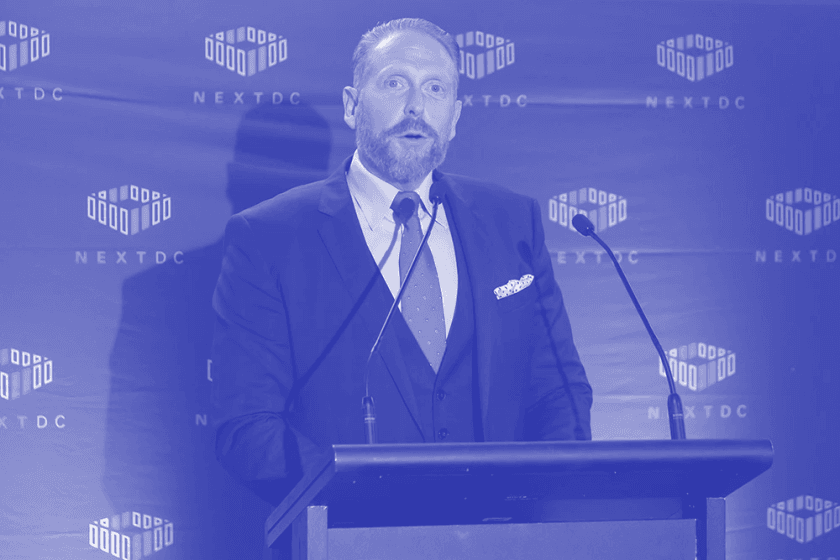
From net-zero energy reform to crypto regulation and embracing AI, the Australian tech industry has put forward its demands for Labor's second term.

Without renewed investment in fundamental science, the tech industry’s foundations will crumble — threatening jobs, growth and national resilience.
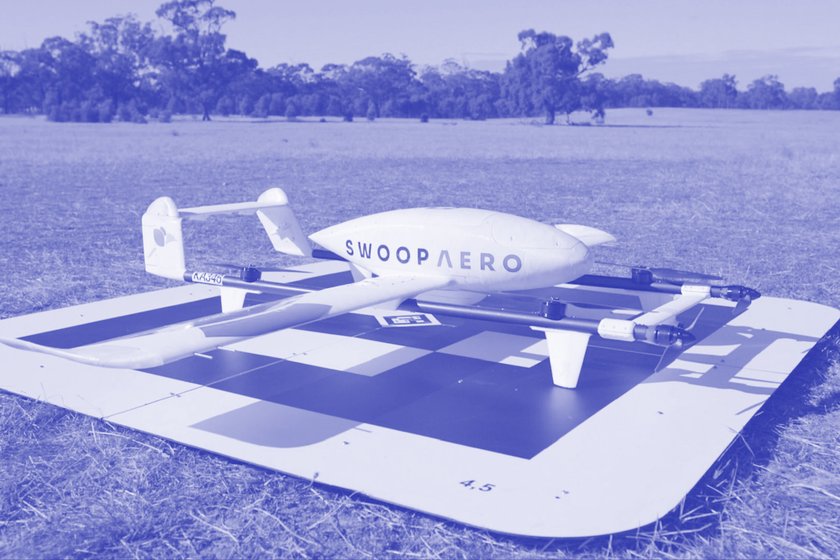
The drone delivery startup knocked back a $100 million buyout offer in 2022. Last month, it sold for just $1 million, leaving some creditors bewildered.
