
Has the successful IPO of a fast-food giant made the ASX more digestible for Australia's tech startups? Investors say yes, while founders are more cautious.

Your complimentary access ends . To keep reading without interruption, subscribe today.

VC and startup correspondent
Bronwen joined Capital Brief after working across the media and startups the last 15 years. She has also worked for both state and federal government helping foster innovation. She was part of the founding team at Culture Amp.
Contact Bronwen via email.
Has the successful IPO of a fast-food giant made the ASX more digestible for Australia's tech startups? Investors say yes, while founders are more cautious.

The frosty sentiment towards the ASX among startups is thawing in the wake of the Guzman y Gomez IPO — just as the barriers to listing in the US get higher.
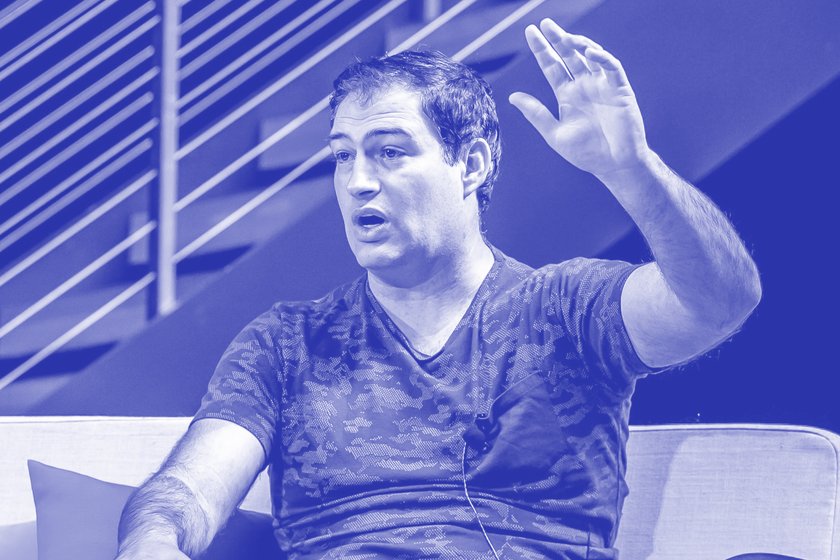
The case of Adir Shiffman v Sleeping Duck offers a rare insight into the tactics of those angels who typically invest alone and in a very different way to conventional VCs.
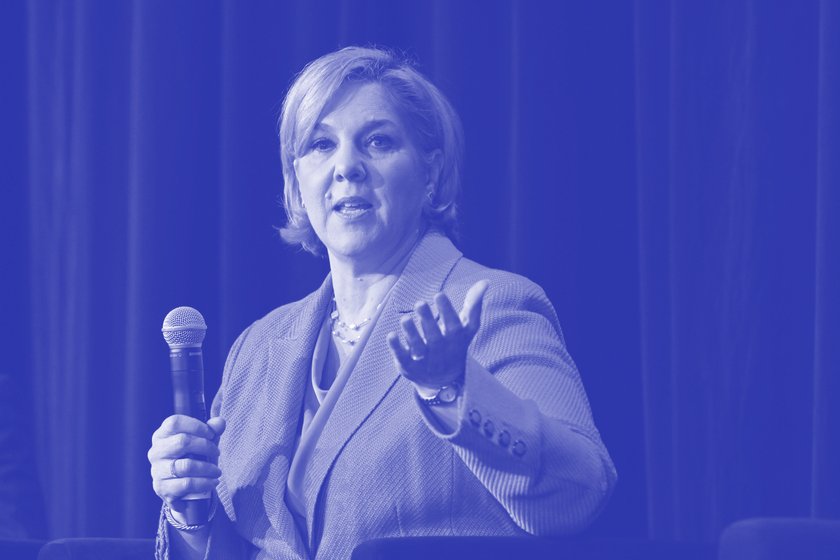
A trademark dispute between Robyn Denholm's Wollemi Capital Group and former Macquarie Capital chief Tim Bishop’s climate tech VC firm Wollemi Capital over the words "Wollemi Capital" has ended in defeat for Denholm.

The angel investor just lost an almost three-year court battle with the founders of mattress company Sleeping Duck, but insists it won't change his approach to startups.

In a much anticipated judgment delivered late Friday, Supreme Court of Victoria Judge Jim Delaney rejected Adir Shiffman's case against Sleeping Duck.
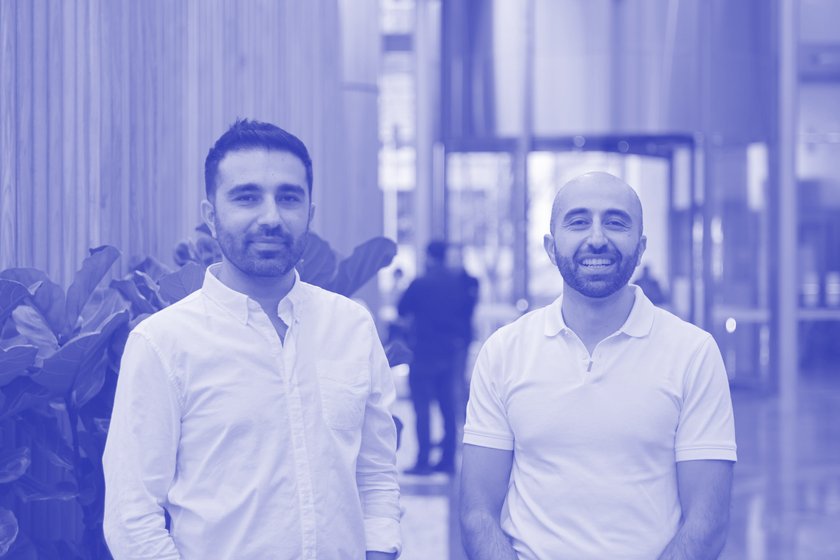
Many large companies and startups rely on open-source software created by independent developers who are underpaid and undervalued, leading to serious security exploits. Thanks.dev wants to fix this.

Apparently Apple just sherlocked a whole bunch of startups with its AI announcement. Or maybe the bar for what makes an AI startup investible just got a little higher?
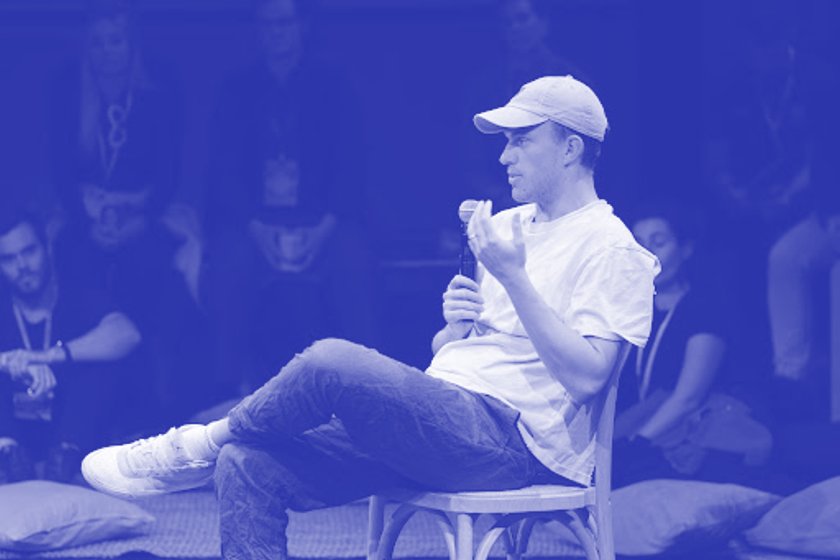
The Australian government has banned the sale of compounded Ozempic. VC-backed Eucalyptus, which will be hit by the decision, says the government is cutting off supply to those who rely on it.
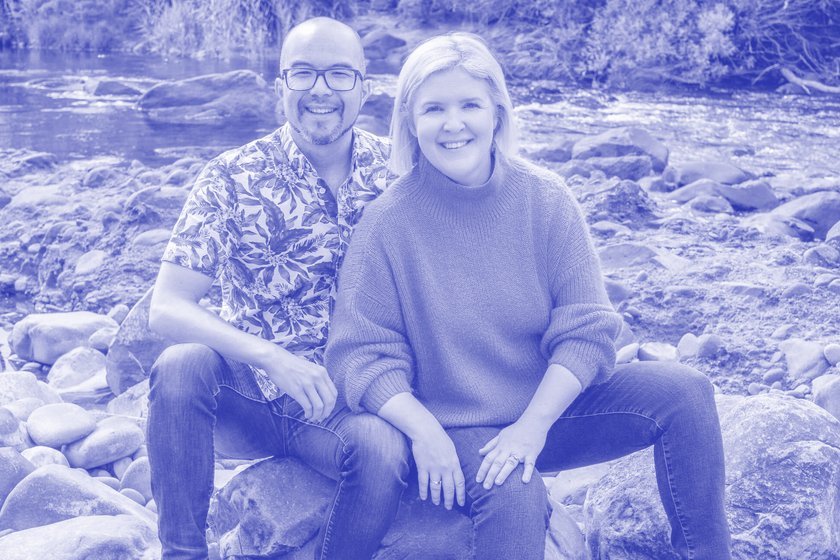
The family office of Canva co-founder Cam Adams and his wife Lisa Miller has adopted a new form of VC they hope will provide a blueprint for addressing the climate and nature crisis.
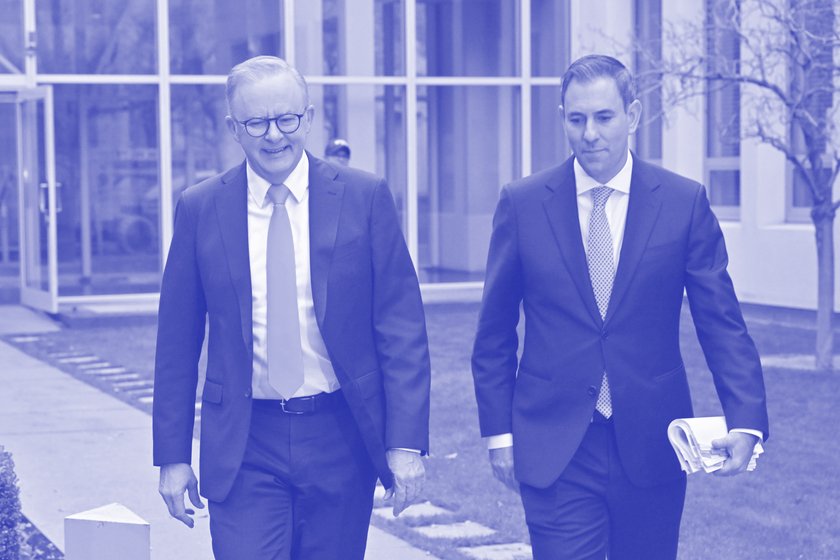
Jim Chalmers' federal budget seeks to balance a longer-term economic vision with the more politically pressing need to address cost of living pressures. The Capital Brief team dissects what it means for the different sectors in Australia's new economy.

Plans to tax unrealised gains on earnings from superannuation accounts over $3 million are another potential hit to a startup ecosystem still reeling from proposals to lift sophisticated investor thresholds.
What if the $1 billion PsiQuantum deal had less to do with supporting innovation and more to do with national security?
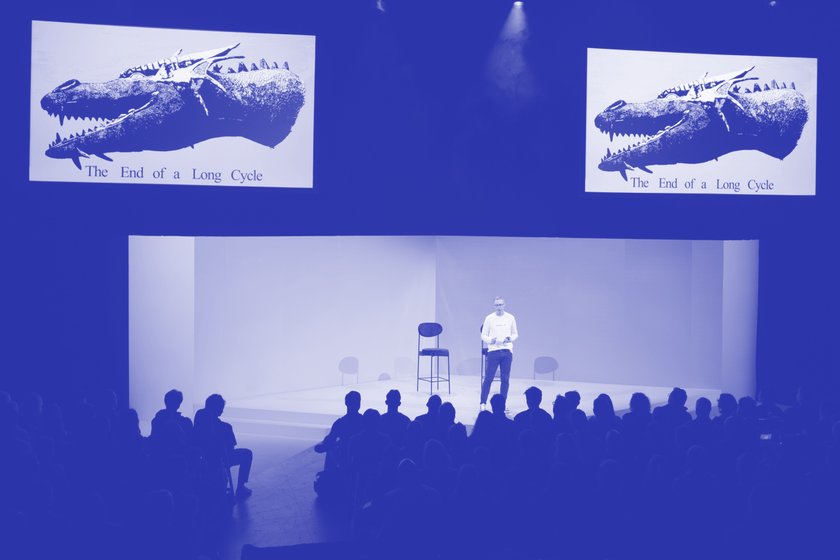
At Australia's biggest startup festival there was widespread optimism that a tough period for the ecosystem is finally coming to an end.

On the eve of Sunrise, the country's biggest startup festival, the government announced the biggest single investment into a startup in memory. But not everyone is enamoured with that.
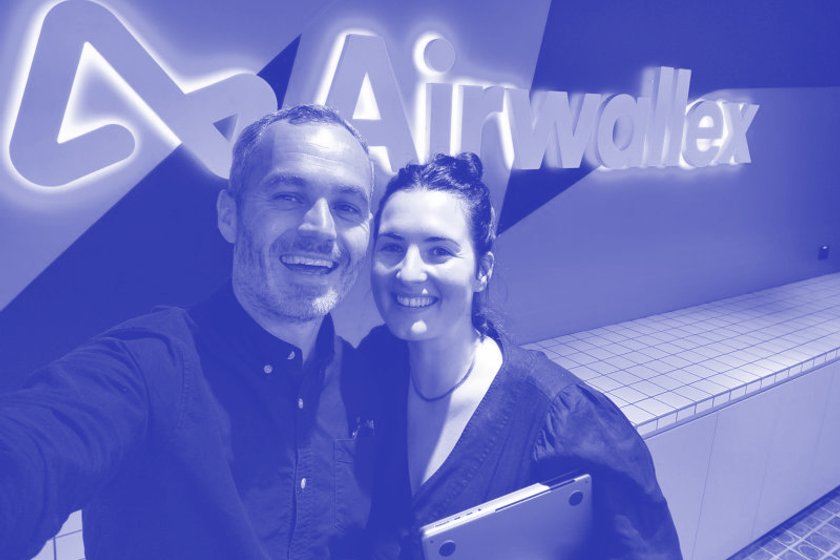
The Melbourne founded unicorn has launched a program to support local startups - which could eventually become its customers.

Scott Farquhar's announcement that's he's stepping down as co-CEO of Atlassian comes at a pivotal juncture for Australia's biggest technology company.
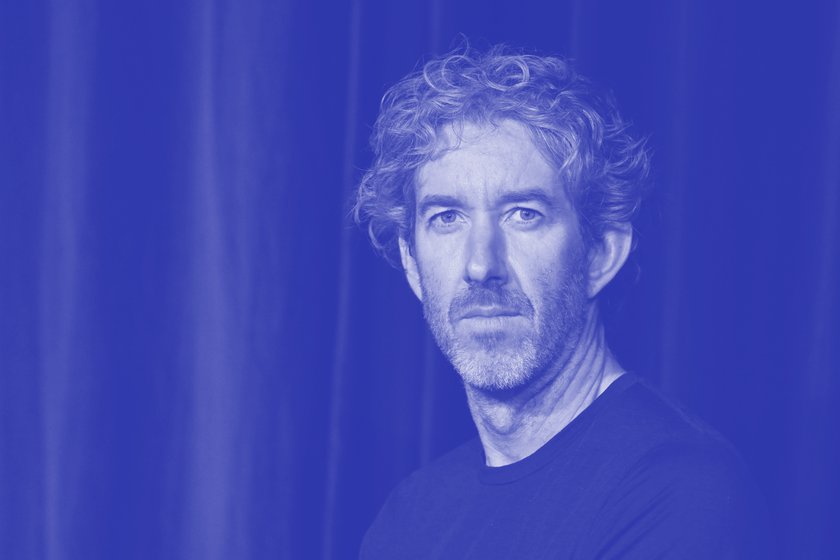
Luminaries from the global tech and venture capital sectors have rushed to praise Scott Farquhar after he announced plans to step down from Atlassian after 23 years.

Biotechnology executives fear Australia is not making the most of its natural strengths in the highly lucrative industry, where we have a long history of success.

Many VCs believe crowdfunding platforms don't protect retail investors and have called for more regulation. But those in the sector insist it provides a vital source of funding.

A lot of startups have recently announced enterprise products as a way to boost growth. It's an unusual focus for the startup sector, so what's driving this interest?
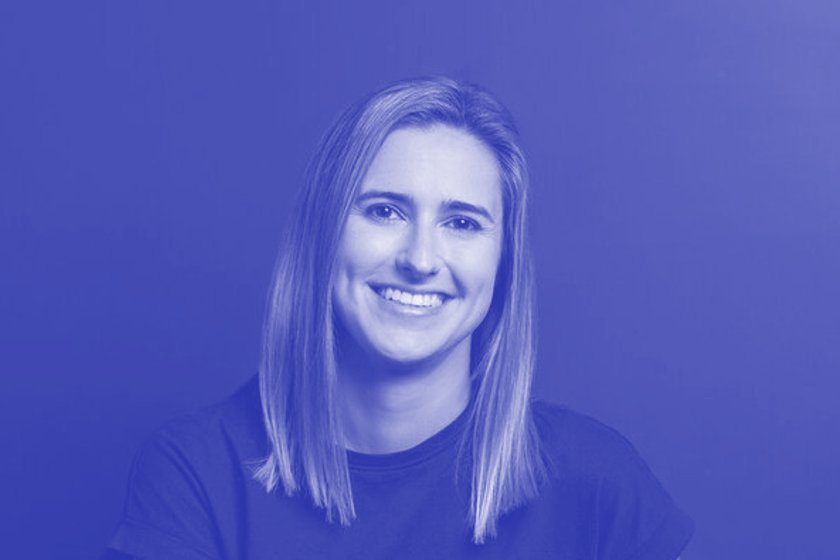
The VC firm's cofounder Paul Naphtali believes Australian venture capital will 10x over the next decade.

Customer research insights startup Dovetail is launching what describes as its biggest product update in two years.

Startup founders and the lobby group representing the tech sector have expressed caution on changes to merger laws that could make it harder for entrepreneurs to exit.
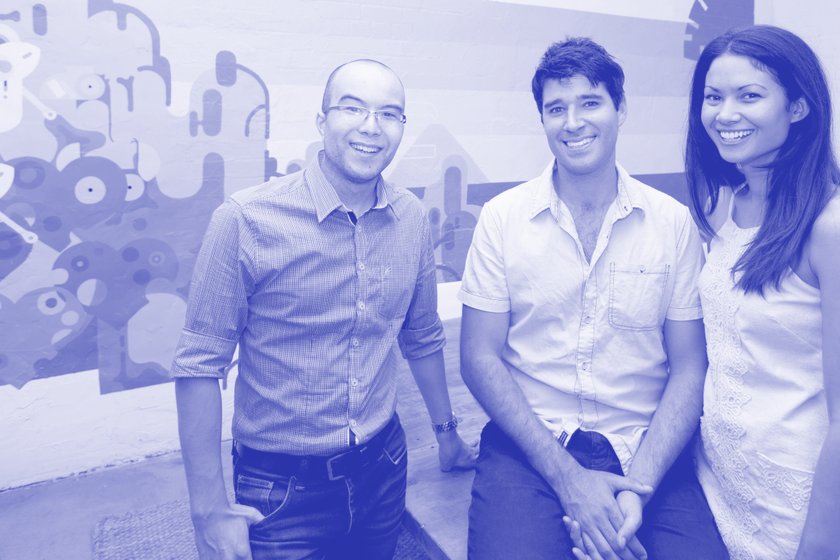
The success of Canva is made of legendary stuff. But questions remain whether the rest of the ecosystem can shine against such a bright outlier.
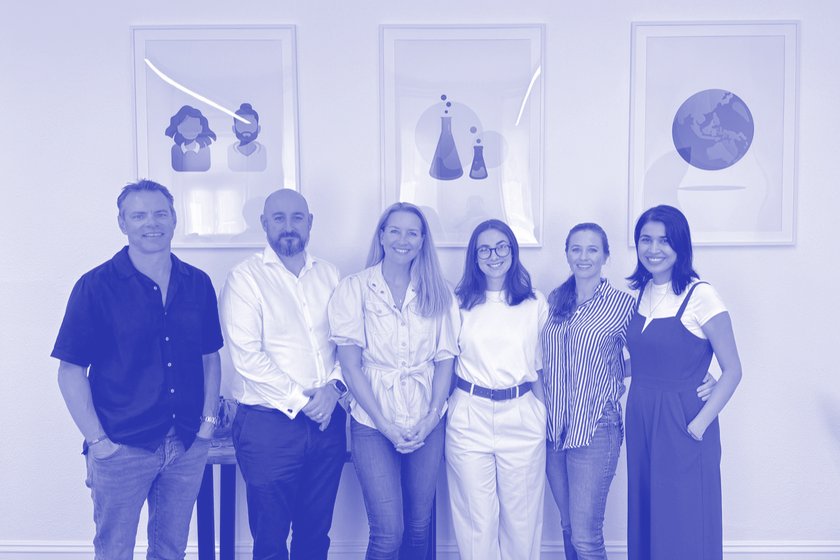
Western Australia's first early-stage venture fund has made its first follow-on investment, a year after its inception.
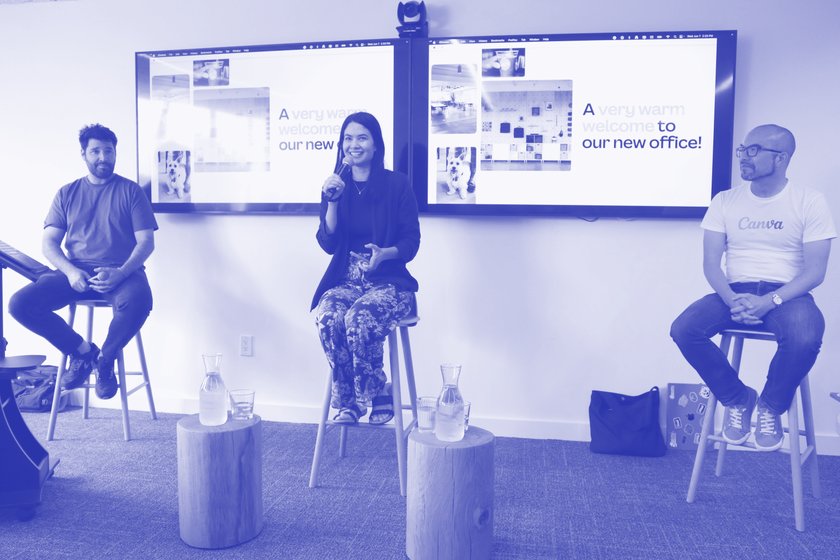
Canva has officially completed one of the biggest secondary share sales in global startup history.

The thawing of the IPO market in the US will have implications for the Australian startup ecosystem and, potentially, the ASX.

While entrepreneurs-in-residence at venture capital firms are fairly common, VC Curt Shi has taken on an artist-in-residence, hoping to boost creativity and lateral thinking across his funds.
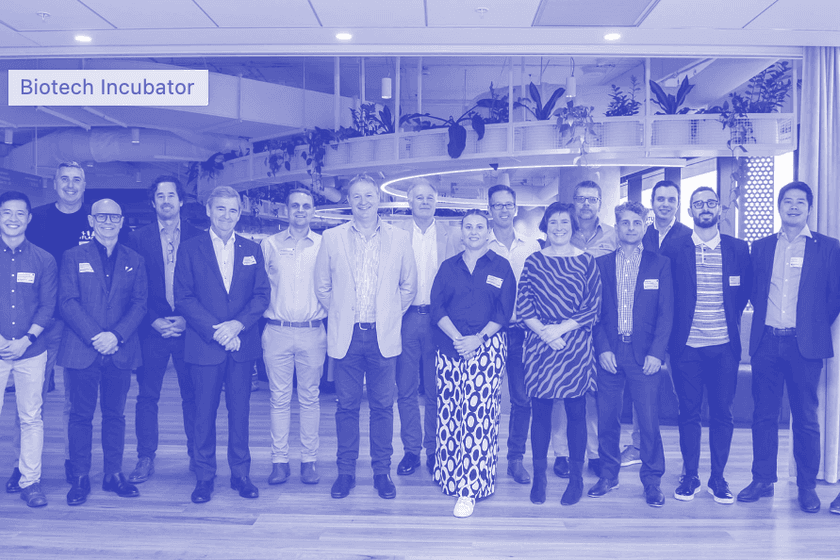
Risk-taking is core to the world of startups and those who invest in them. So there are always going to be issues when governments get involved, especially when they're investing directly.

The chief executive of Australia's largest innovation and scaleup hub has expressed confidence in its long term viability despite deepening losses.

In what might retrospectively look like an obvious union, prominent VC Elaine Stead is joining the CSIRO-backed venture capital fund.

Smaller startup investors say super funds' support for a limited number of Australian firms risks creating a "VC oligopoly".

“If you're going to invest in startups, you've got to accept that they're going to do disruptive things" Employment Hero founder Ben Thompson said of Hostplus, one of the country's biggest VC LPs.

The Canva IPO will release a lot of liquidity into the market, but it's also likely to release a lot of experienced founders into the ecosystem's talent pool. The Valley had the 'Paypal Mafia' — could Australia have the 'Canva Cartel'?

On International Women's Day, the disconnect between what has become a tick-a-box exercise versus any meaningful solutions to the very real issues facing women in corporate Australia has become jarring.

While state governments are coming to the party to support innovation, there is a cost. The fragmentation of our startup ecosystem is escalating as we build silos around an already fragile epicentre.
Hostplus helped grow the Australian VC sector to what it is today. So it was surprising to see Employment Hero, one of the country's most hyped startups, hit out at the super fund.
Submissions to the government's review of managed investment schemes, which could affect 'sophisticated investor' qualifications, have been made public. The startup sector is not holding back.

Your email address will be stored in accordance with our privacy policy.