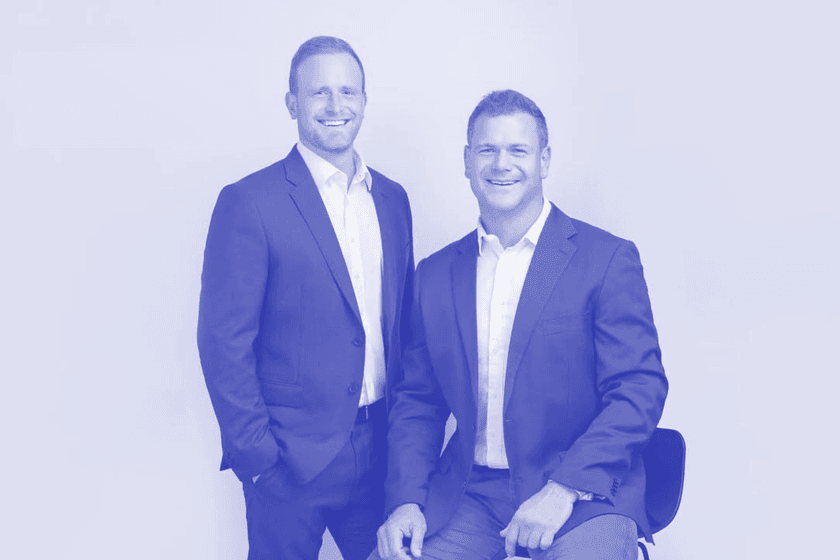
The Sydney-based, Nasdaq-listed miner is leaning further and further into the AI data boom.

Your complimentary access ends . To keep reading without interruption, subscribe today.

Technology correspondent
Daniel joined Capital Brief after eight years at CNET. He is an award-winning journalist who's covered issues across Big Tech, cryptocurrencies, cybersecurity and artificial intelligence.
Contact Daniel via email.
The Sydney-based, Nasdaq-listed miner is leaning further and further into the AI data boom.
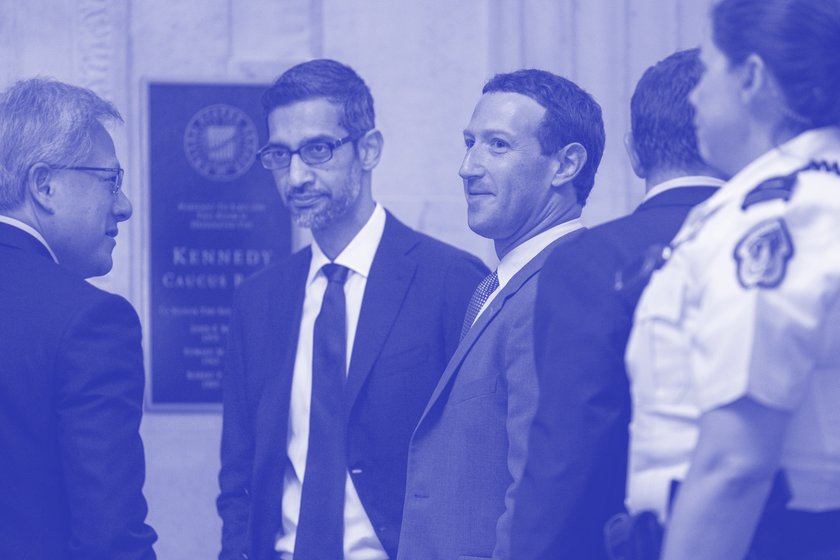
Big Tech is being hit with a barrage of new regulations and lawsuits all around the world. It's leading fund managers in Australia and abroad to rethink their exposure.
The world’s third-largest cybersecurity firm faces scrutiny after a data breach, first reported by Capital Brief, saw 440GB of information leaked online. But serious questions remain about the breach’s full impact and scope.
A hacker claims to have stolen 440 gigabytes of data from the $90 billion cybersecurity company.

As digital advisor to a key European parliamentarian, Kai Zenner shaped AI policy. With Australia now following suit, he warns of potential pitfalls.
The Department of Home Affairs is aware of the breach of the world's third-largest cybersecurity company, which says it protects "Australia's most critical infrastructure".

Interim chief executive Michael Venter told staff on Wednesday that the company would bring in NBN Co's Felicity Ross and Airtel Africa's Anthony Shiner later this year.
Founder mode is always better than manager mode — as long as the founder is a visionary and the manager a hack. But it's not always that simple.

Many investors are convinced that Apple's new artificial intelligence features will push millions to finally upgrade to the iPhone 16, announced today. Others aren't so sure.

American data centres are turning to nuclear power for clean, reliable energy. Australian operators don’t have that option.
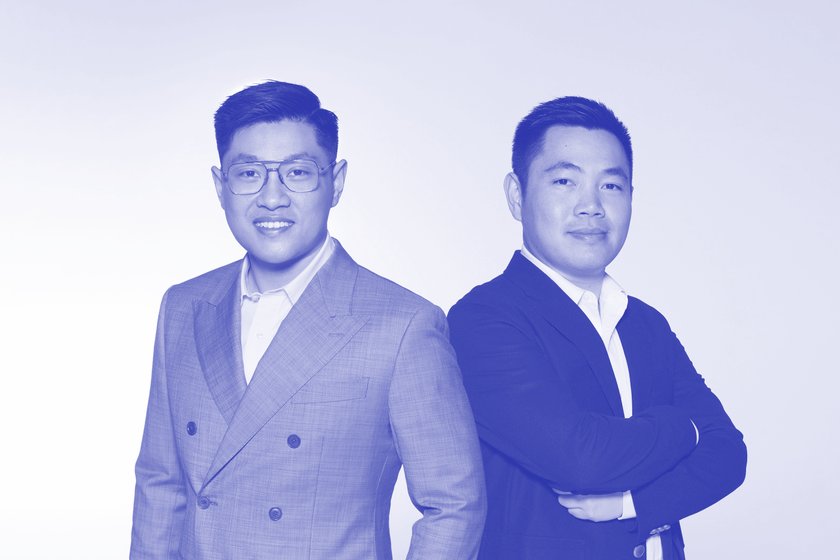
Harrison.ai's tech is used by a third of Australia's radiologists and in a number of UK hospitals. Now, the company has plans for the United States.

Pete Shadbolt defended the government's controversial $940 million investment into his startup but said it won't cover the cost of building a useful quantum computer – which he calls a "species-level challenge."

The expected sale of Australian data centre operator AirTrunk to Blackstone for a substantial $20 billion is recognition of the company's potential as AI continues to boom.

When COVID hit, payments startup Zeller had just raised its seed round. It had to learn some quick and hard lessons on hiring and building in a new environment.
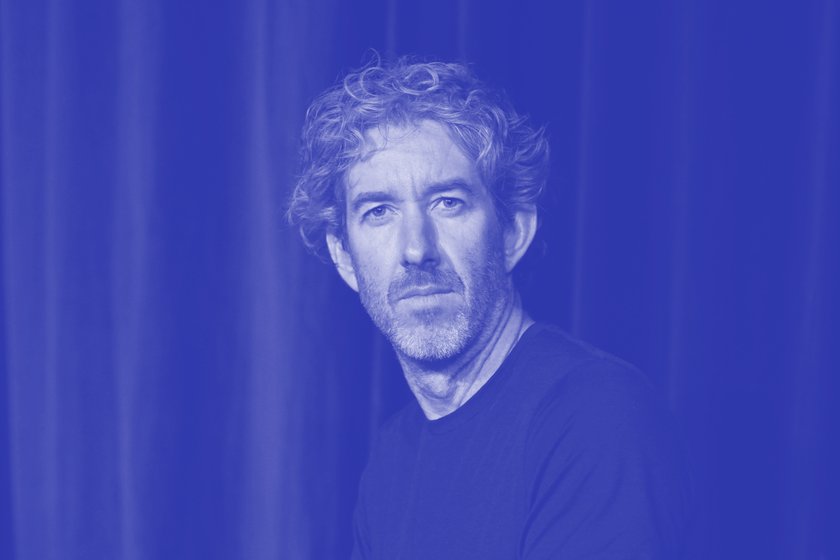
As co-founder and co-CEO Scott Farquhar officially finishes up, several employees say the iconic software company is in flux as it confronts multiple strategic challenges.

A clash of opinions between two Australian design champions over generative AI reflects a broader debate in global tech markets.

The Australian founder behind one of the iPad's most popular paid apps says his team doesn’t “jam” new tech into its products “for the sake of it".

In-Q-Tel invests in tech for intelligence and defence. In five years in Australia, it has backed nearly 20 local startups.
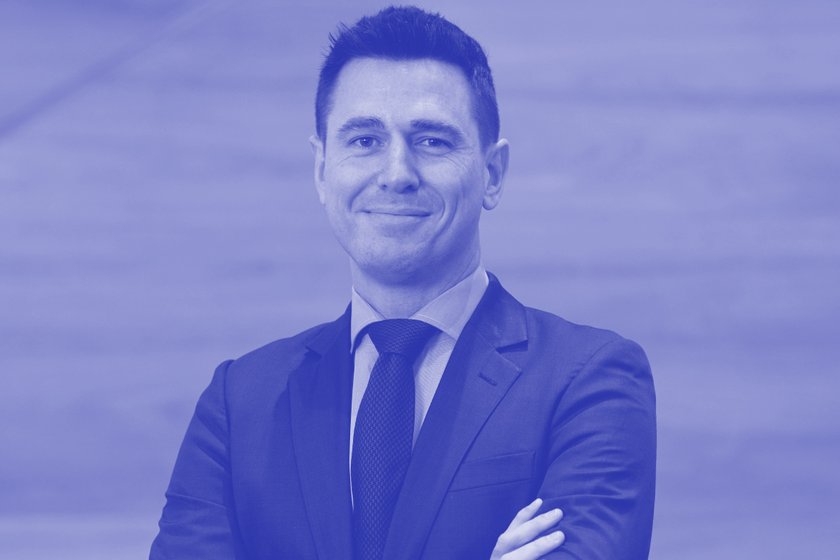
The startup, which was established in 2012 and raised $108 million in 2022, creates navigation tools that can be used below sea level and above the atmosphere.

Damian Kassabgi is now the Australian tech industry's leading voice to government. He objects to the ACCC's efforts to expand its power to block mergers.
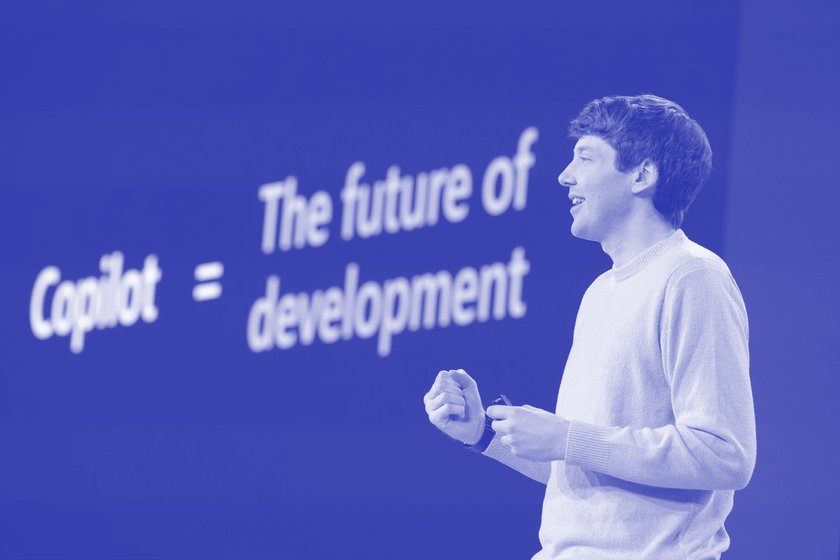
Charles Lamanna, who helps lead Microsoft Copilot, recalls that the company once believed it had all the answers within itself. Today, it embraces outside innovation.

Promising an evolution in WiFi technology, Morse Micro raised a huge $170 million round in 2022. Now, it has a product in the market and a long-term goal of going public.

The Main Sequence-backed startup plans to build a unique facility here in Australia, though US incentives are also tempting, says CEO Michele Stansfield
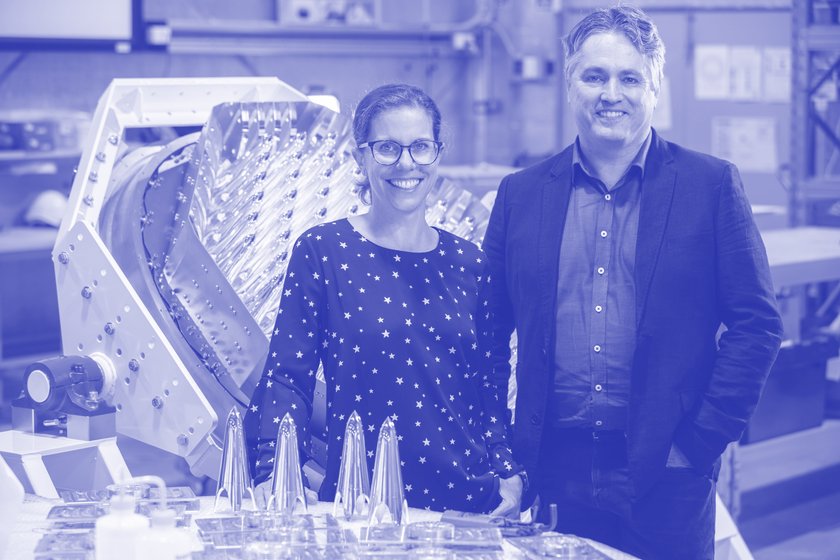
The Australian startup has been building satellite-tracking tech for years. Now, it’s ready to make sales — but to a different customer than originally planned.
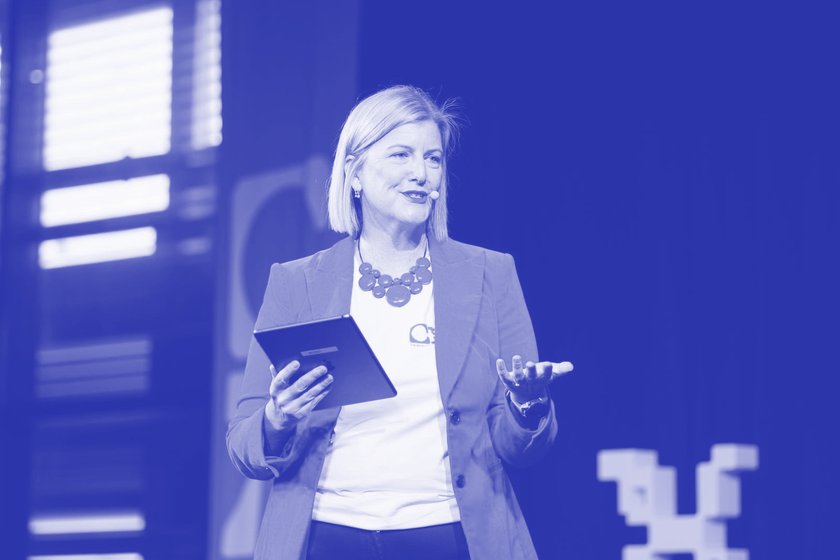
Australia has proven capable of producing cutting-edge startups. The challenge is keeping them here.

The customer service software industry is both large and uniquely ripe for AI disruption. Australian startups like Brainfish are hoping to do just that.
The deal, where Google acquires talent and licensing rights but not equity, reflects a growing trend between Big Tech giants and aspiring AI startups.
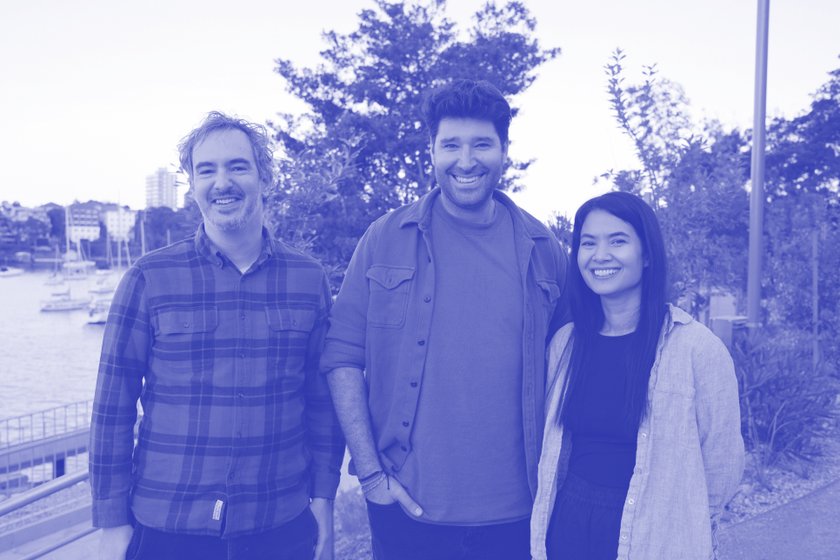
The Australian company will now have Canva's resources at its disposal — but it will still compete with challengers like Midjourney for creative dollars.
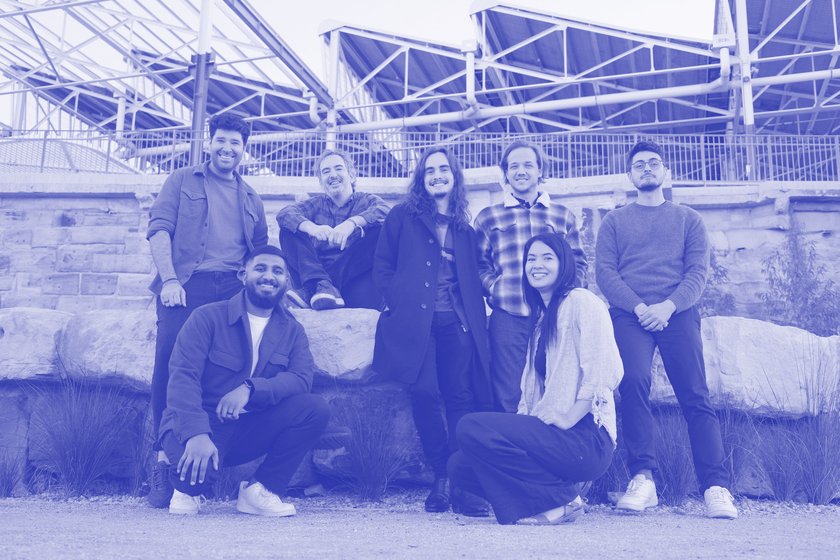
By acquiring Leonardo.Ai, Canva will sharply level up its artificial intelligence game. But building powerful AI carries risks as well as rewards.

Your email address will be stored in accordance with our privacy policy.