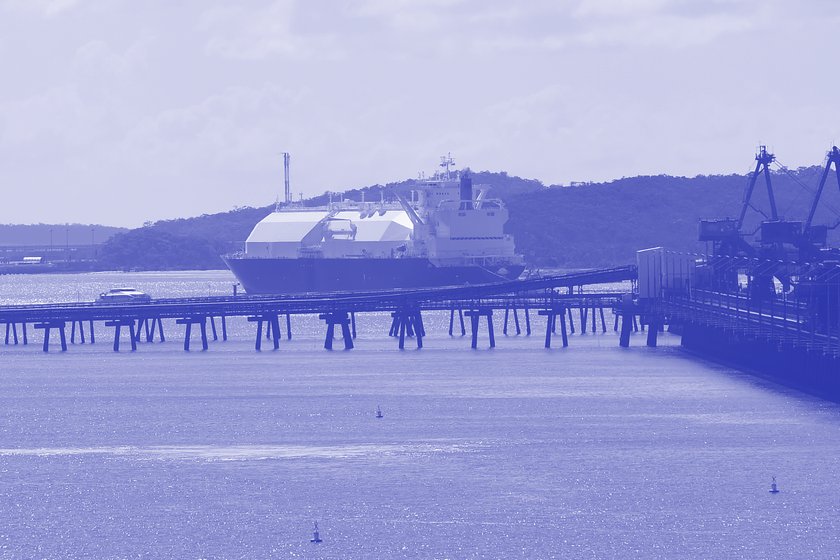
The sale process for a stake in a wind and solar project in Central Queensland could serve as a litmus test for clean energy funding.

Your complimentary access ends . To keep reading without interruption, subscribe today.

Climate, energy and resources correspondent
Kate has spent two decades as a financial journalist in print and online media in Australia, the UK and Asia. Her reporting career began on property trade titles, then BRW and the Australian Financial Review, followed by a stint in London with ICIS and as the founding Asia-Pacific editor of the Inframation news service, owned by Mergermarket.
Contact Kate via email.
The sale process for a stake in a wind and solar project in Central Queensland could serve as a litmus test for clean energy funding.
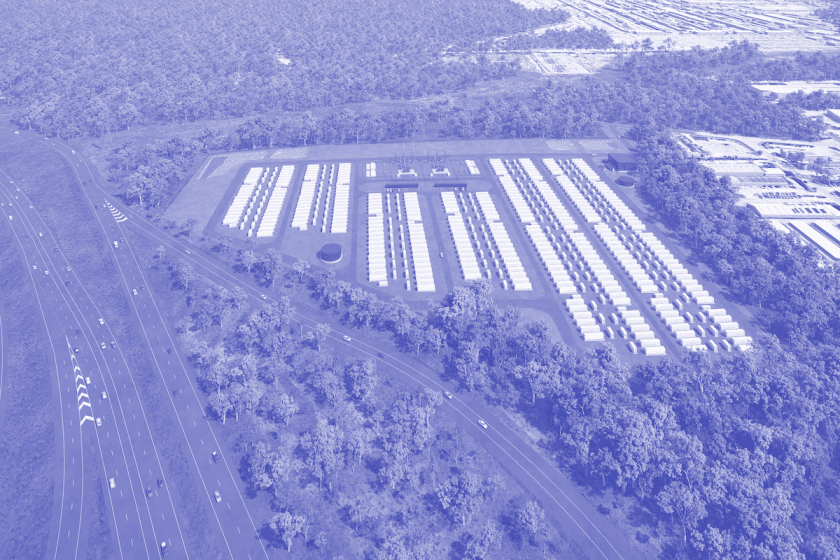
The gentailer is racing to fund the batteries and wind farms that will replace its coal power stations, which are set to close. But it may need to sell upcoming developments to fund the transition.

The NRF is investing in a lithium miner with a planned processing facility, in line with its refreshed government mandate.
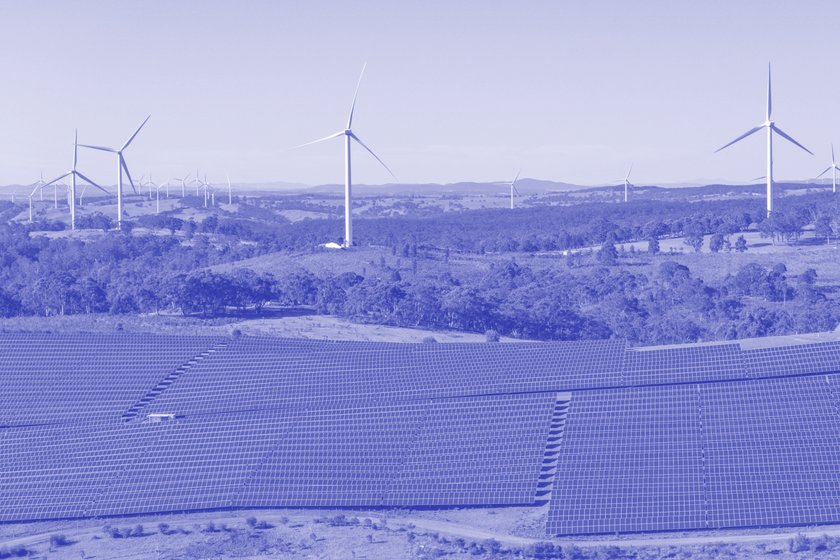
Despite rising anti-ESG sentiment in the US, Australia’s major banks remain committed to financing the energy transition toward net zero emissions.
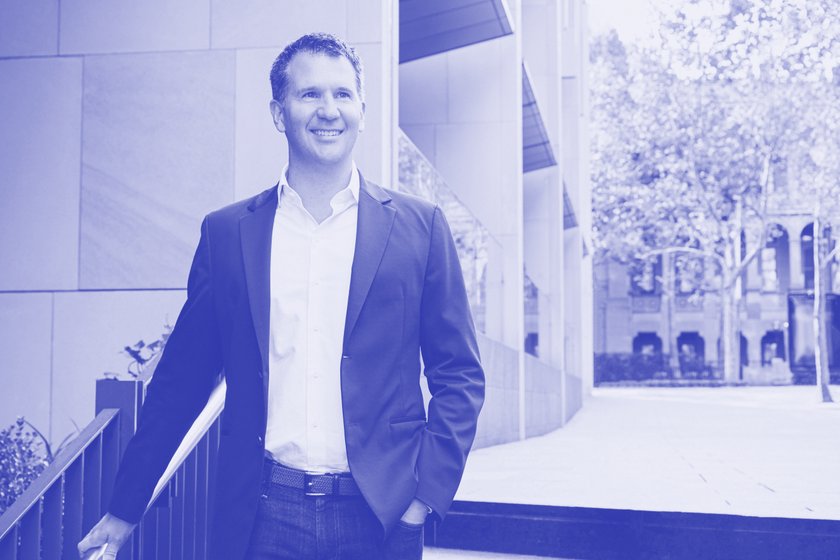
The impact investor has nabbed its largest commitment to date from one of the country's biggest institutions as part of its first-ever pooled fund.
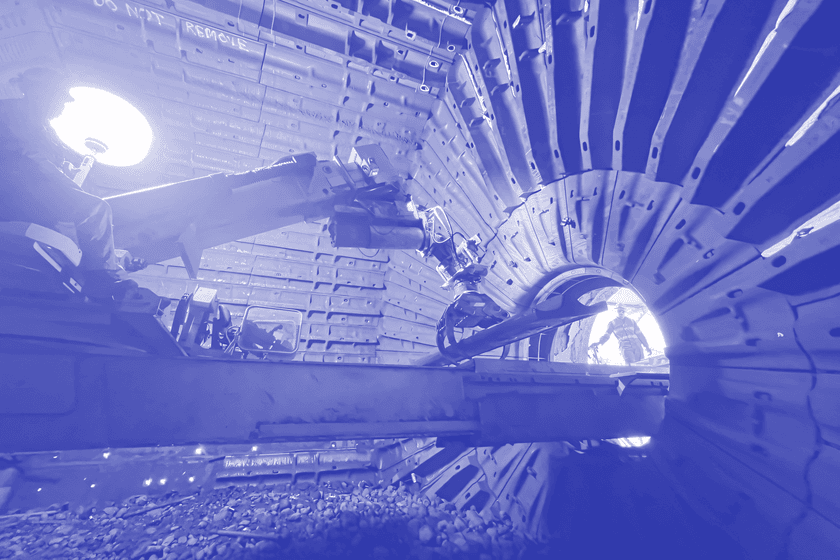
NRF chair Martijn Wilder has told Capital Brief investing in the fund's other priority areas of agriculture, forestry, transport, military and green manufacturing is proving “difficult”.
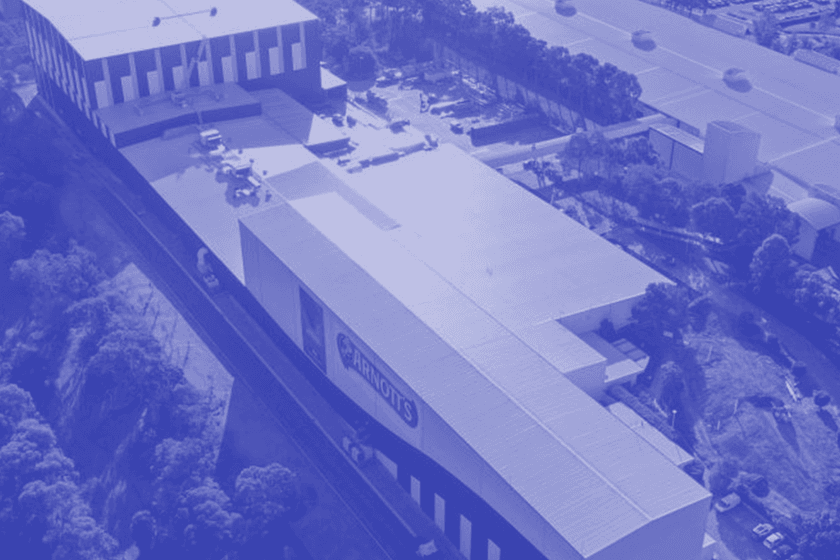
US private equity giant Kolhberg Kravis Roberts is on the hunt for more Asia-Pacific climate transition plays after scooping up Australia's CleanPeak Energy.

Heavyweight shareholders failed to compel Macquarie to step up its climate disclosures, but their protest vote suggests the Trump-driven backlash against ESG has not reached Australia.
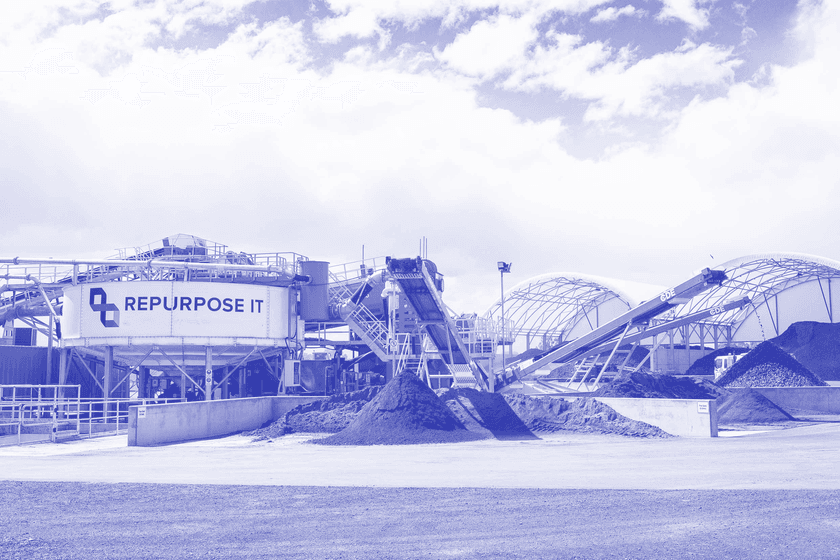
Former Macquarie execs Steve Gross and Jeremy Wernert launched their own impact investing firm within Palisade, targeting three goals: zero emissions, zero waste and zero inequality.
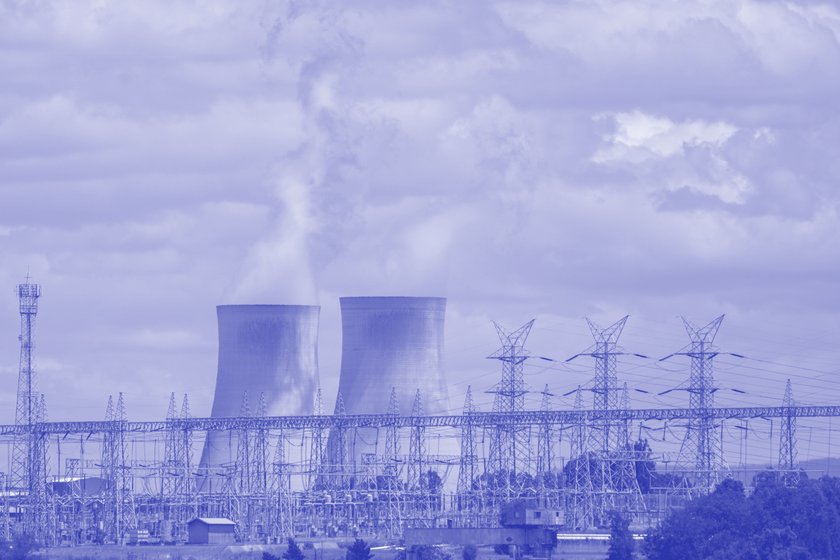
Interest in carbon trading is rising ahead of the safeguard reporting deadline, with overseas players scaling up, posing a threat to the delayed local exchange launch.

Shannon Reilly explains the investment firm's approach, which leans heavily on external fund managers, and its key bets including Japan and emerging markets.
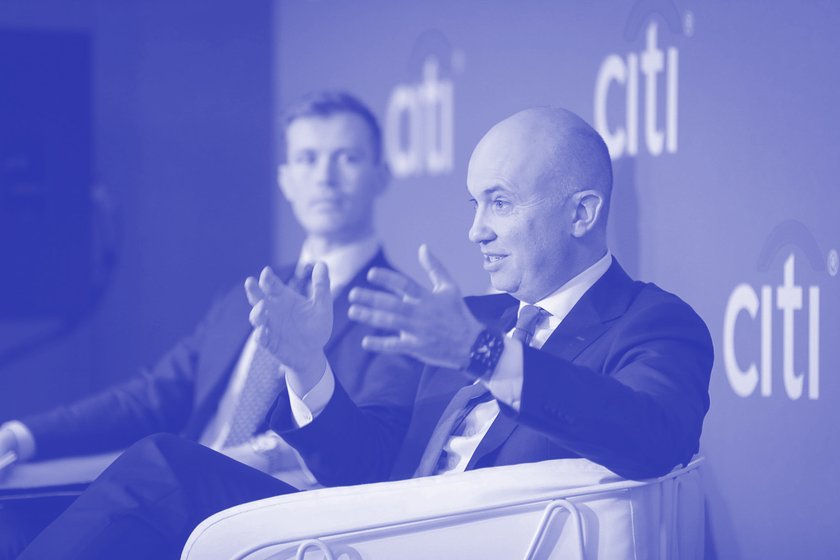
The former NSW Liberal treasurer was also critical of the federal opposition's nuclear energy plan.
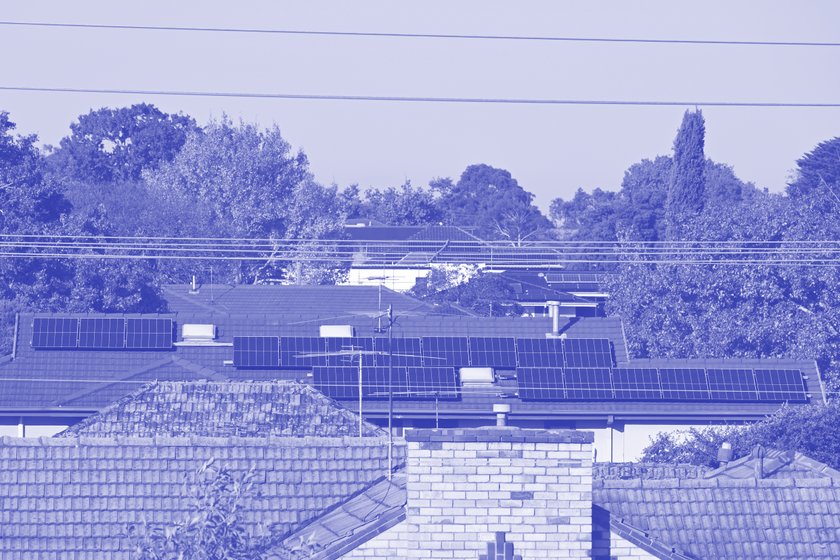
Providers like AGL and Engie are using EV batteries, hot water systems and more to balance supply and demand. Could these assets help Australia transition from coal sooner?
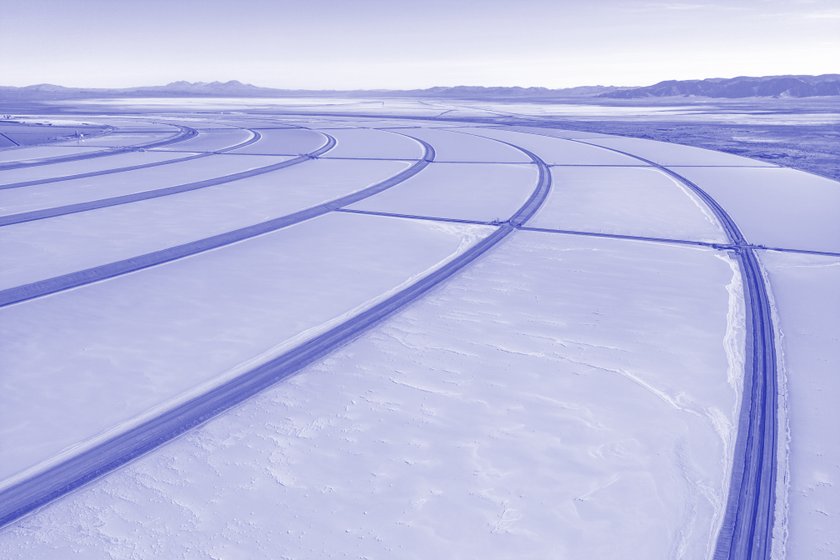
Rio Tinto's $9.9 billion acquisition of Arcadium Lithium looks likely to succeed and could trigger further deals in the sector.
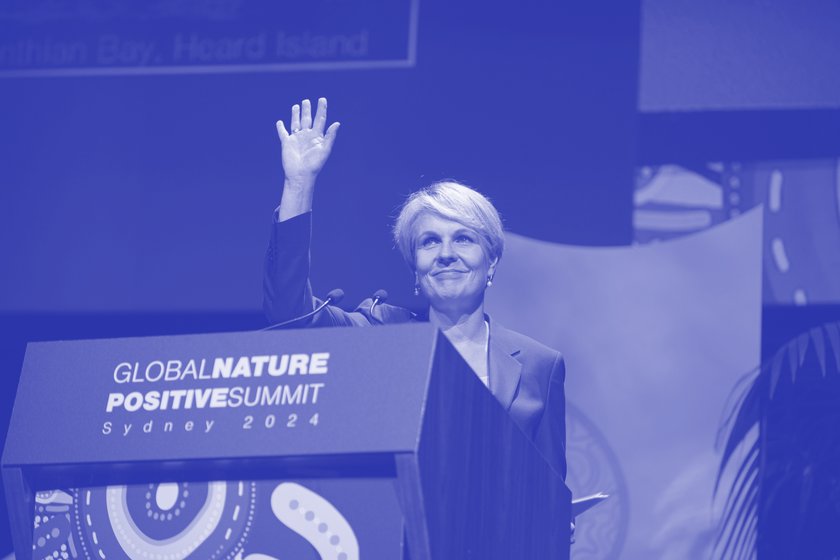
Major companies including Telstra and Blackmores have outlined how they are measuring their impacts on nature, as the federal government announced plans for more data on the country's natural reserves.
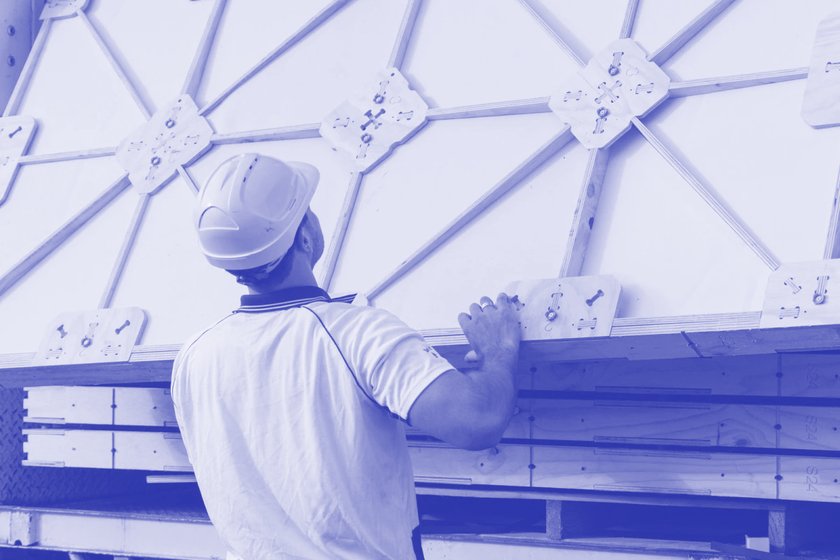
Faced with rapidly growing waste volumes, the construction industry is experimenting with design, installation and demolition methods to promote a circular materials loop.
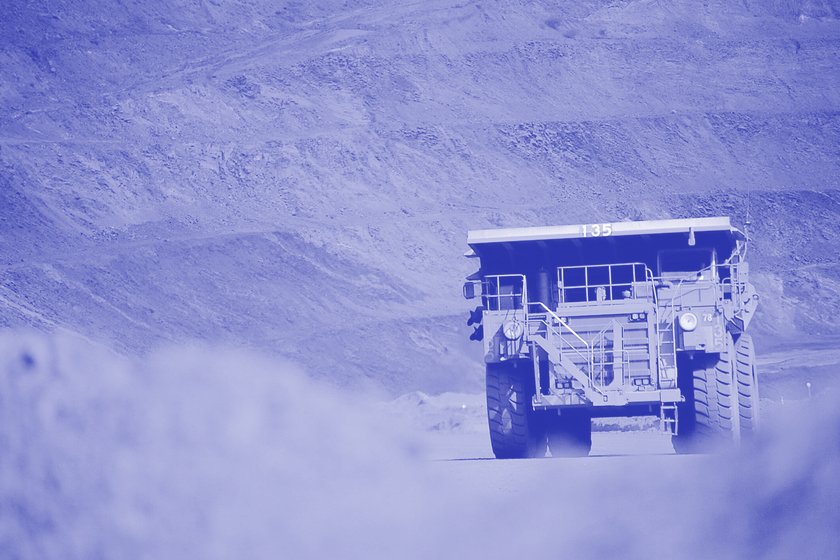
The big miner has updated its climate plan ahead of an AGM vote to address concerns about its role in decarbonising steelmaking. Some shareholders remain unconvinced by its ambition.
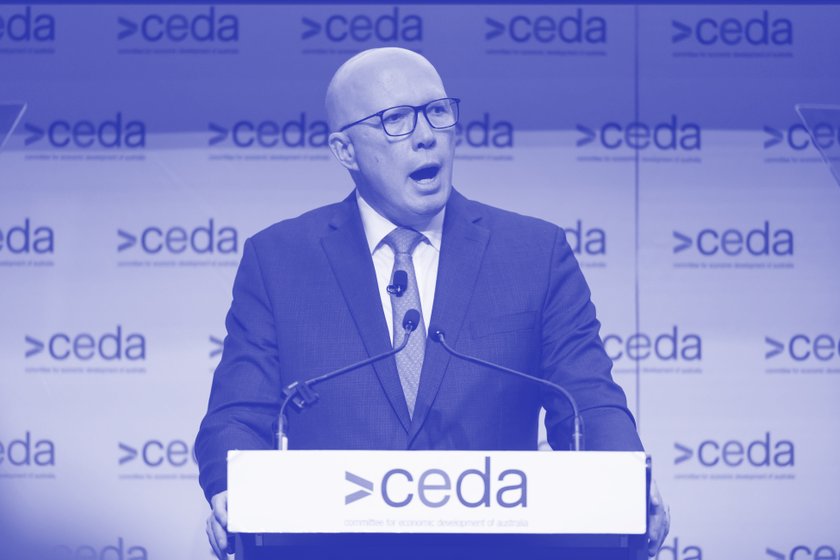
Opposition leader Peter Dutton says he only launched a nuclear energy policy after Labor backed the AUKUS pact, which includes onshore nuclear submarine manufacturing.
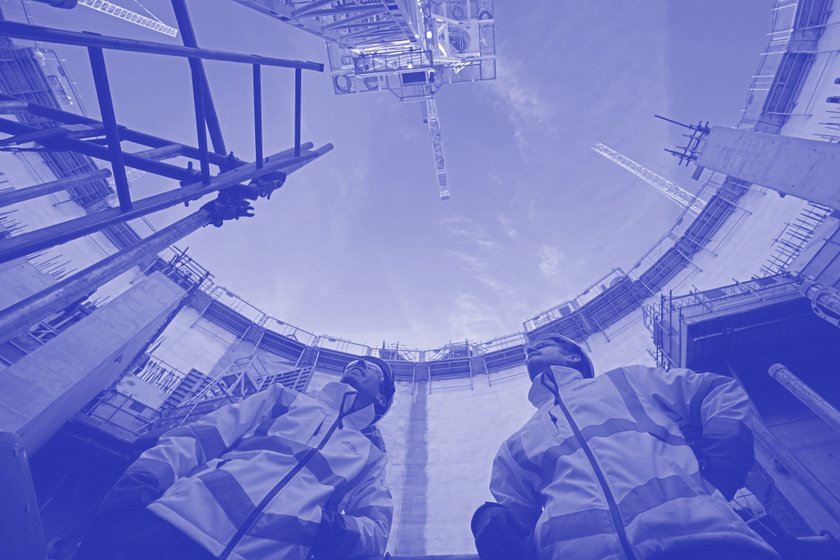
New analysis suggests a typical household’s electricity bill could rise by $665 a year on average under the Coalition’s nuclear energy plan.
ASX-listed EV play Novonix will not need to raise capital until it expands its US manufacturing plant to 20,000 tonnes per annum, which it has not yet committed to.
While most ASX-listed miners’ shares have followed the downward trajectory of Chinese lithium prices over the past year, Vulcan Energy has bucked the trend.

Former P&G exec Steve Meller has commercialised asparagopsis, a red seaweed proven to cut cattle methane emissions. His firm, CH4 Global, now plans global exports.
An analysis by the authority found Australia would no longer benefit from an economy-wide carbon price and cast doubt on the Coalition's nuclear plan.
Following backlash over a failed demerger, a board shakeup and new leadership, AGL Energy is now regaining investor confidence.
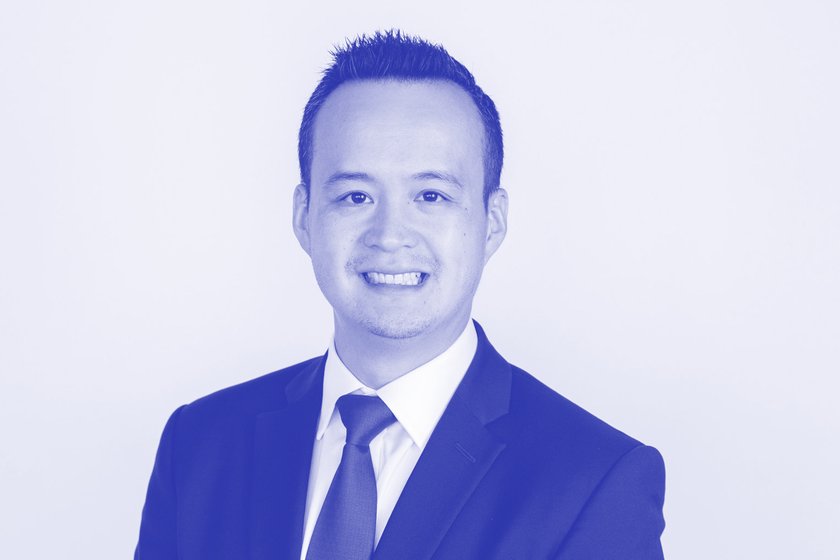
In the impact investing space, the best decisions are not always the most obvious ones, as Koda Capital CIO Norman Zhang explains in this interview.
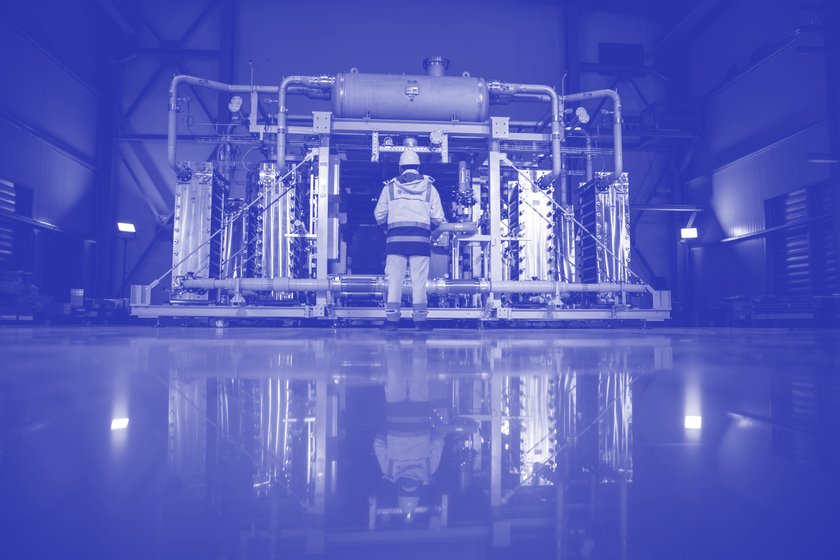
Three of four hydrogen projects at Tasmania’s Bell Bay have been shelved, with companies citing costly renewable power. It's a growing concern for similar projects nationwide.

Your email address will be stored in accordance with our privacy policy.