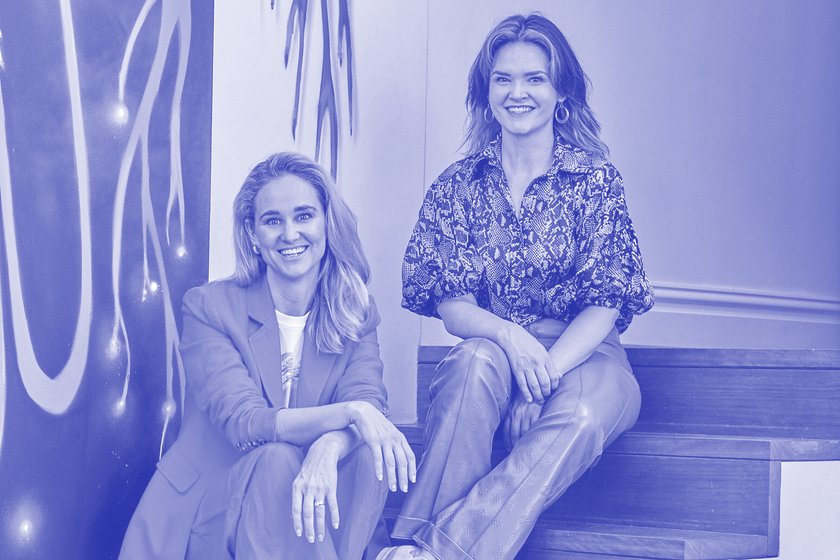
The latest numbers show female founders in Australia still face significant challenges in securing venture capital. Insiders are calling for a dramatic increase in women investors to break the cycle.

Your complimentary access ends . To keep reading without interruption, subscribe today.
The latest numbers show female founders in Australia still face significant challenges in securing venture capital. Insiders are calling for a dramatic increase in women investors to break the cycle.

Ansarada is now officially a part of Datasite, representing a double-exit win for Folklore Ventures.

Gilmour Space Technologies has plans to raise capital and win funding from the National Reconstruction Fund — but first, it has to get clearance to launch its rocket.

The lines between equity, secondary sales and debt are blurring, sparking debate on capital disclosure and transparency in the tech ecosystem.

Founder mode is always better than manager mode — as long as the founder is a visionary and the manager a hack. But it's not always that simple.

In Australian venture capital, three firms stand tall: Square Peg, Airtree and Blackbird. But Square Peg has charted a different course to its peers, one that stretches beyond Australia's shores.

A clash of opinions between two Australian design champions over generative AI reflects a broader debate in global tech markets.

Super funds, once vital to local VC growth, now face disincentives as tough regulations discourage investing in riskier ventures with higher potential returns.

Promising an evolution in WiFi technology, Morse Micro raised a huge $170 million round in 2022. Now, it has a product in the market and a long-term goal of going public.

Startup M&A happens more often than is reported. While VCs tell us an exit is an exit, Flippa's CEO says he's been told not to publicise them because they don't fit the narrative.
By acquiring Leonardo.Ai, Canva will sharply level up its artificial intelligence game. But building powerful AI carries risks as well as rewards.

From VCs to loan providers and crowdfunding platforms, those who fund startups are feeling the long-tail effects of a struggling economic environment. But at least we're seeing more transparency about it.

It's accepted that startup employees can lose their equity if they fall afoul of bad leaver clauses or break NDAs. But there are other tripwires that threaten equity even for those who leave on good terms.

As the market shows signs of recovery, Australian VC heavyweights signal a potential surge in Series B and beyond for the latter half of 2024, challenging perceptions of a risk-averse funding landscape.
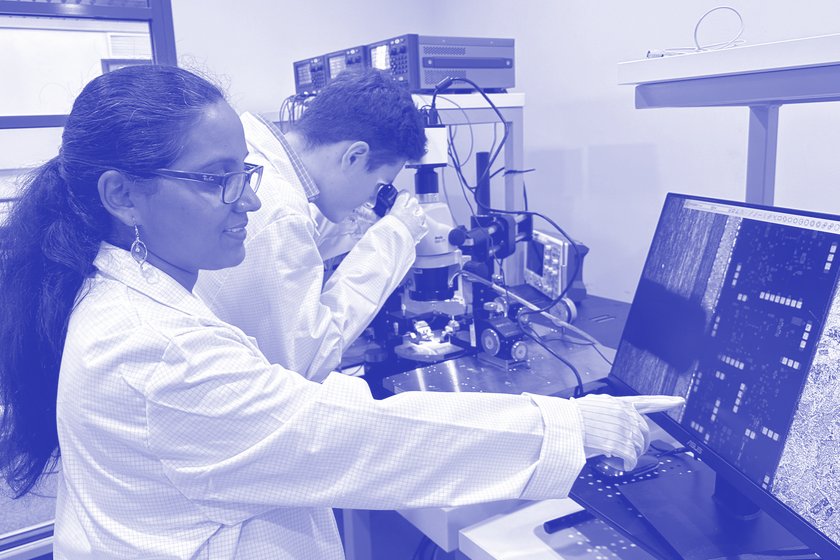
Last week, plastics recycler Samsara Eco raised $100 million and quantum startup Diraq raised $10 million. Today, another Australian deep tech startup got a cash infusion.

Has the successful IPO of a fast-food giant made the ASX more digestible for Australia's tech startups? Investors say yes, while founders are more cautious.
The case of Adir Shiffman v Sleeping Duck offers a rare insight into the tactics of those angels who typically invest alone and in a very different way to conventional VCs.

Apparently Apple just sherlocked a whole bunch of startups with its AI announcement. Or maybe the bar for what makes an AI startup investible just got a little higher?
One of Australia's most high-profile AI startups is benefiting from government initiatives in England and Hong Kong. Australia's government should follow suit.
The Aussie tech giant has invested in Figma after Adobe's failed bid to buy the company. Between Figma and Canva, design tech is flourishing — which is great news for Mike Cannon-Brookes.
The Australian government has banned the sale of compounded Ozempic. VC-backed Eucalyptus, which will be hit by the decision, says the government is cutting off supply to those who rely on it.

Plans to tax unrealised gains on earnings from superannuation accounts over $3 million are another potential hit to a startup ecosystem still reeling from proposals to lift sophisticated investor thresholds.
What if the $1 billion PsiQuantum deal had less to do with supporting innovation and more to do with national security?

On the eve of Sunrise, the country's biggest startup festival, the government announced the biggest single investment into a startup in memory. But not everyone is enamoured with that.

Biotechnology executives fear Australia is not making the most of its natural strengths in the highly lucrative industry, where we have a long history of success.

A lot of startups have recently announced enterprise products as a way to boost growth. It's an unusual focus for the startup sector, so what's driving this interest?
The success of Canva is made of legendary stuff. But questions remain whether the rest of the ecosystem can shine against such a bright outlier.
The thawing of the IPO market in the US will have implications for the Australian startup ecosystem and, potentially, the ASX.
Risk-taking is core to the world of startups and those who invest in them. So there are always going to be issues when governments get involved, especially when they're investing directly.
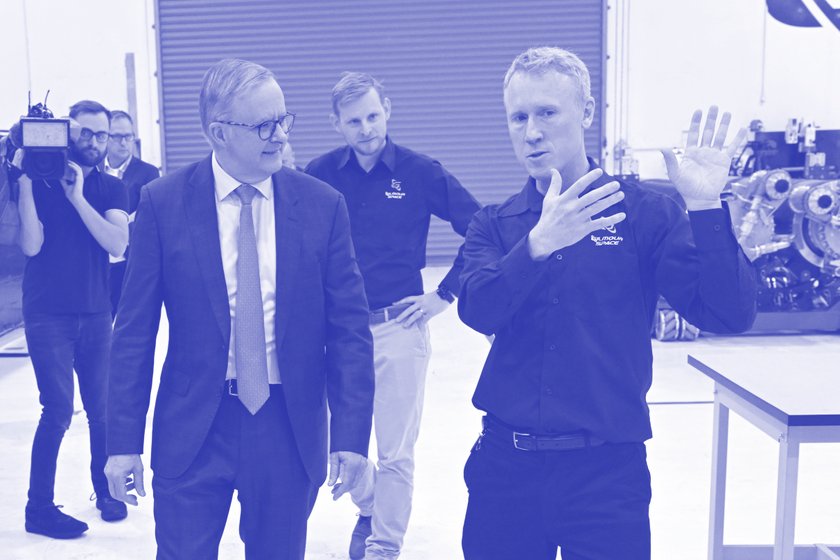
Australia's deep tech startups have the potential to become global leaders — if they can get adequate funding and support to commercialise their innovations.

The Canva IPO will release a lot of liquidity into the market, but it's also likely to release a lot of experienced founders into the ecosystem's talent pool. The Valley had the 'Paypal Mafia' — could Australia have the 'Canva Cartel'?

While state governments are coming to the party to support innovation, there is a cost. The fragmentation of our startup ecosystem is escalating as we build silos around an already fragile epicentre.

Hostplus helped grow the Australian VC sector to what it is today. So it was surprising to see Employment Hero, one of the country's most hyped startups, hit out at the super fund.

Canva is known as a great place to work, but some are now wondering whether its culture is, in a way, too upbeat.

With a lot of long-term employees and a high share price, could Canva's secondary sale mean a mass exodus before the IPO madness sets in? From the outside looking in, it certainly looks tempting.
While the startup and VC industry has a natural and understandable tendency to be positive, when it comes to funding allocated to women, sugar-coating the reality does more harm than good.

The news that the government is proposing an increase in sophisticated investor thresholds lit up LinkedIn in a way that Twitter scandals used to. But it increasingly looks as though the media and the ecosystem have run ahead of themselves on the yarn.

Kiki's dramatic shift has made a lot of headlines, but it's also given pause to look at the art of pivoting — something fundamental to the success of many startups.
The startup ecosystem has been doing the hard work of educating investors around the risks (and rewards) of investing in startups for years. That could be be wiped out if a proposal to increase the threshold for qualifying investment goes ahead.

Are the golden years of B2B SaaS behind us, and is the dawn of deep tech upon us? And can we fund it quickly enough?

Your email address will be stored in accordance with our privacy policy.