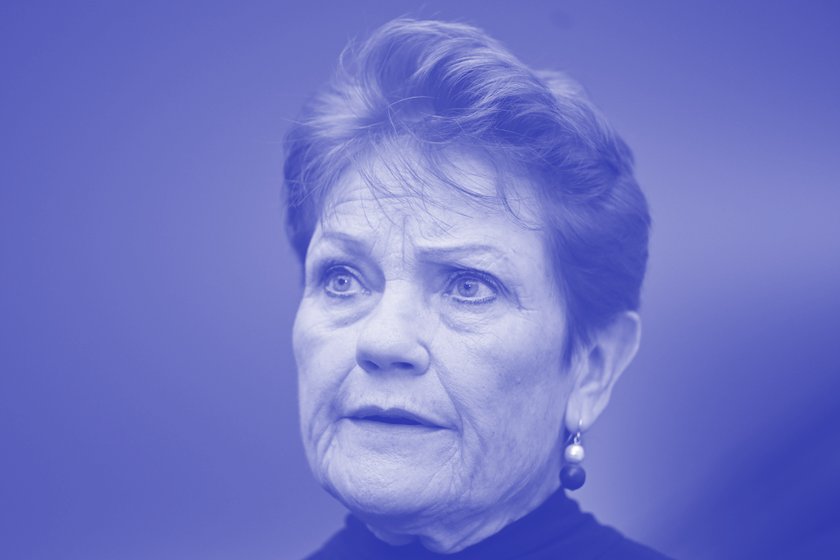
The senators keen to determine the fate of the government’s capital gains tax changes span the full spectrum of Australian politics — and many have never engaged with the startup sector.
Your complimentary access ends . To keep reading without interruption, subscribe today.
The senators keen to determine the fate of the government’s capital gains tax changes span the full spectrum of Australian politics — and many have never engaged with the startup sector.
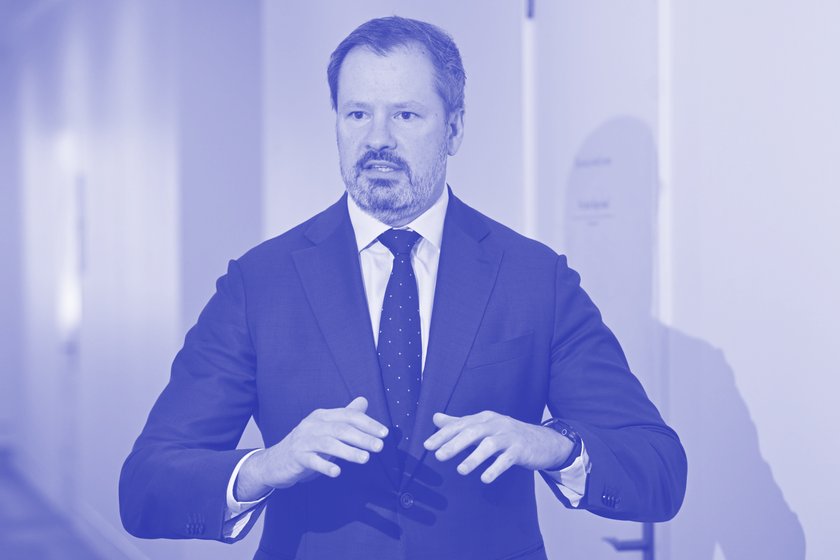
The VC and startup sectors view the former industry minister, knifed in a factional standoff, as a lost ally on innovation. But Ed Husic tells Capital Brief the government is committed to getting the settings right.
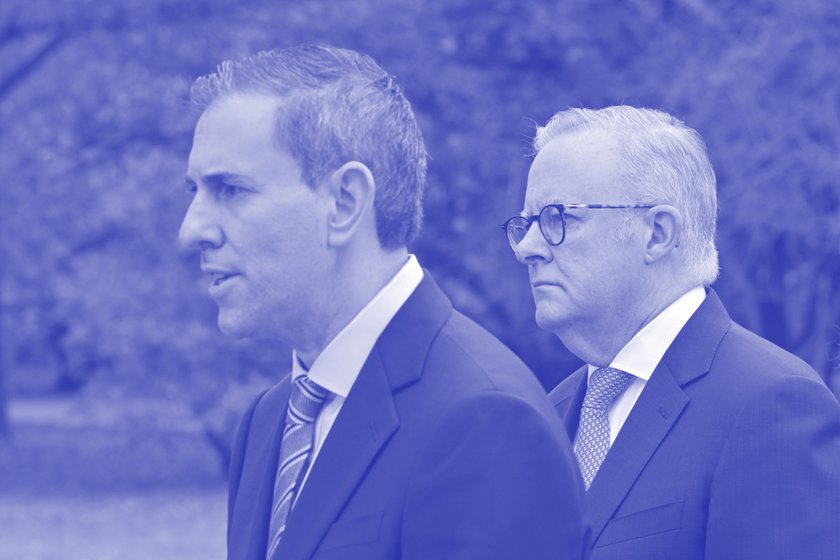
Startups and VC were clearly meant to play a starring role in this week’s budget. Now, anger over capital gains tax is overshadowing the innovation pitch.

We should applaud the budget for trying to shake us out of complacency on housing. But higher taxes on productive assets risk killing Australia’s alternative future.
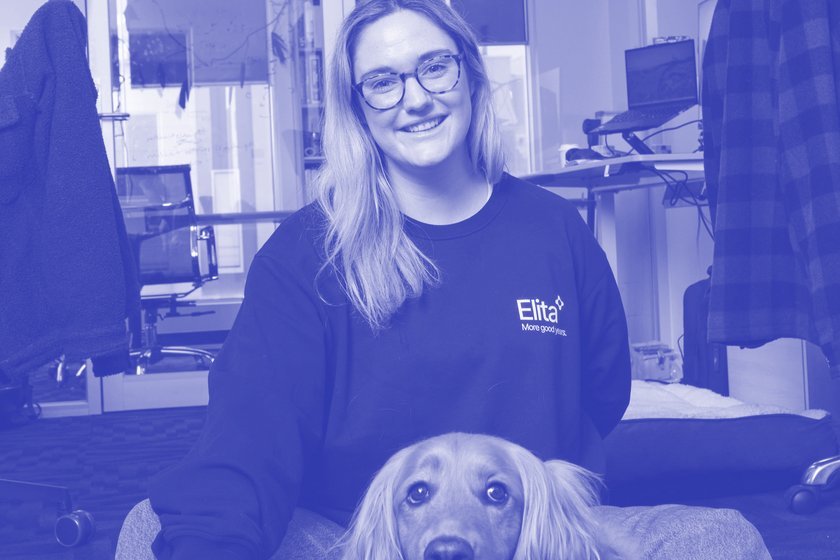
Jim Chalmers has opened the door to negotiations with the startup sector over changes to CGT. The question now is who walks through it.

Chief executive Sukhinder Singh Cassidy says Xero is focused on long-term value, but some shareholders are struggling to see an end to the turmoil.
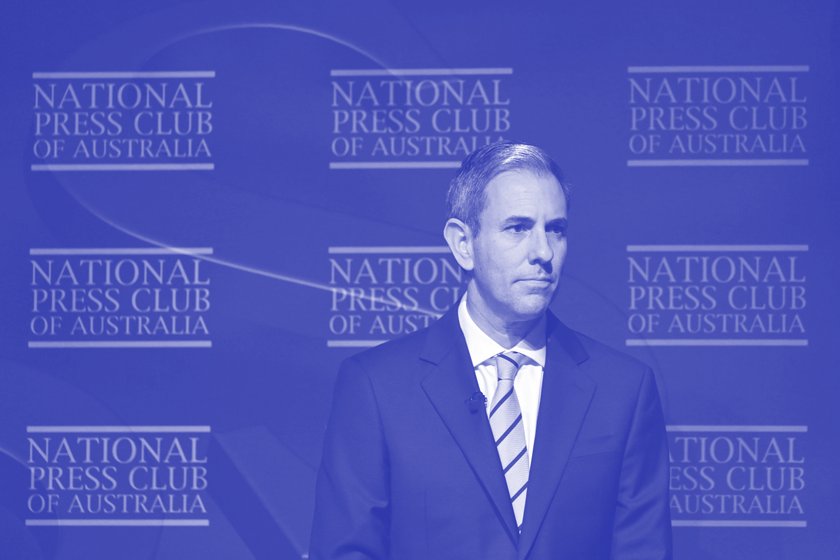
Young Australians need a credible path to wealth. Instead, this budget protects existing property owners and taxes risk-taking harder.

Founder and former chair Andrew Abercrombie jumped from the board before his fellow shareholders had the chance to push him. But he might be playing a longer game.
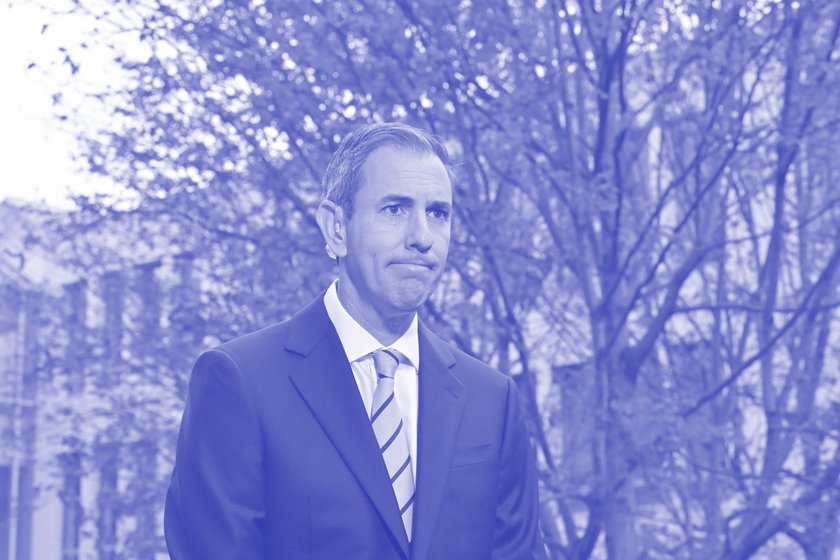
If the local startup ecosystem wants to win the capital gains tax fight, they need to show voters this is about Australia’s next economy, not founders’ tax bills.
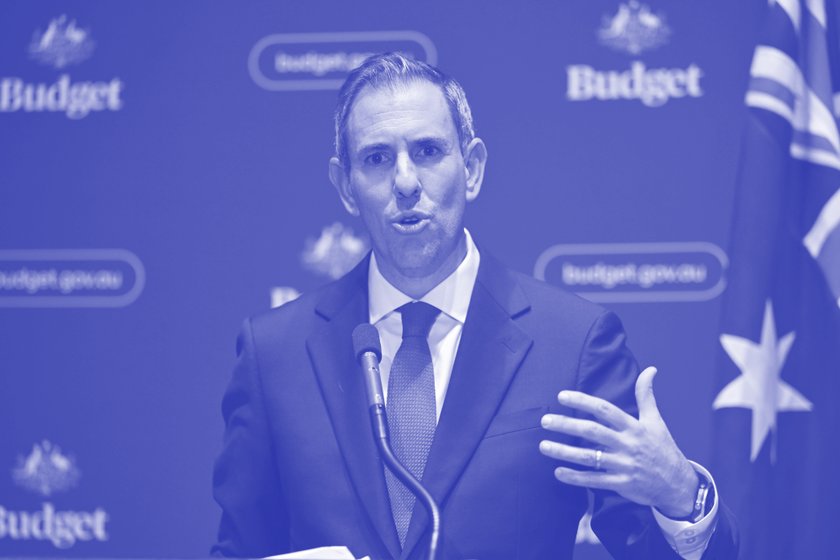
Tech’s loudest voices say capital gains tax reform will stifle innovation. But founders also need local capital, affordable housing and room to take risks.
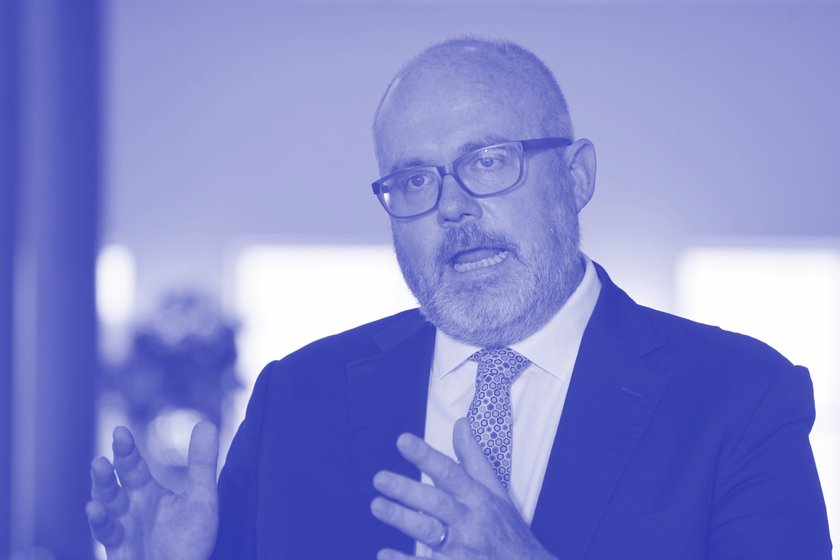
The federal government is proceeding with an overhaul of the RDTI from its broad to eligibility criteria to be more targeted.
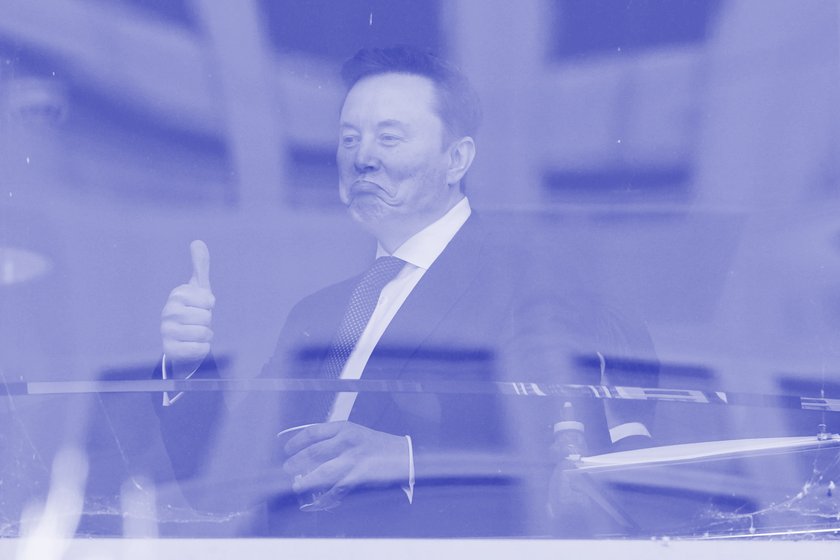
Musk says OpenAI betrayed its mission. But as the trial enters its final stretch, prediction markets are turning against him.

The biotech giant delivered a hammer blow of a guidance downgrade on Monday morning. Shareholders wanted it three months ago.
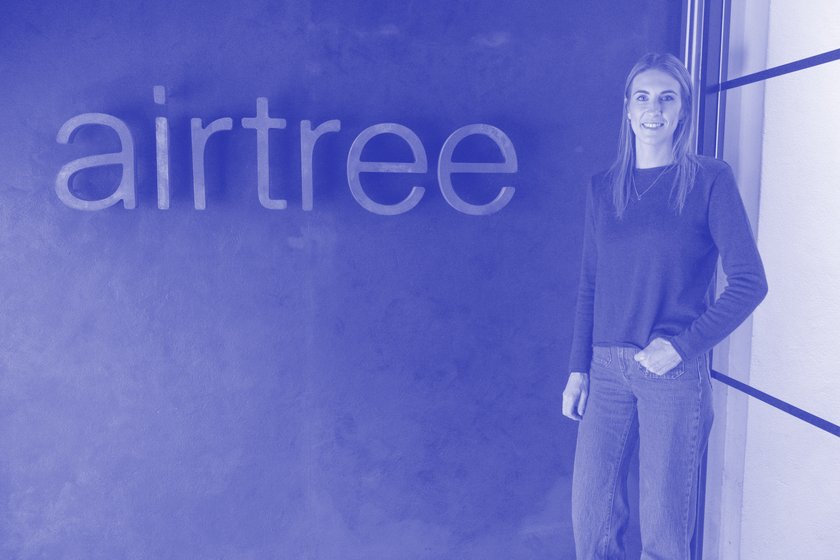
The Sydney venture firm is changing as the “most significant platform shift in a generation” upends its portfolio companies, and VC itself.
The data centre company has confirmed plans to invest billions back into Australia.

Space underpins Australia’s economy, security and infrastructure, yet we rely on assets we don’t own and can’t replace.
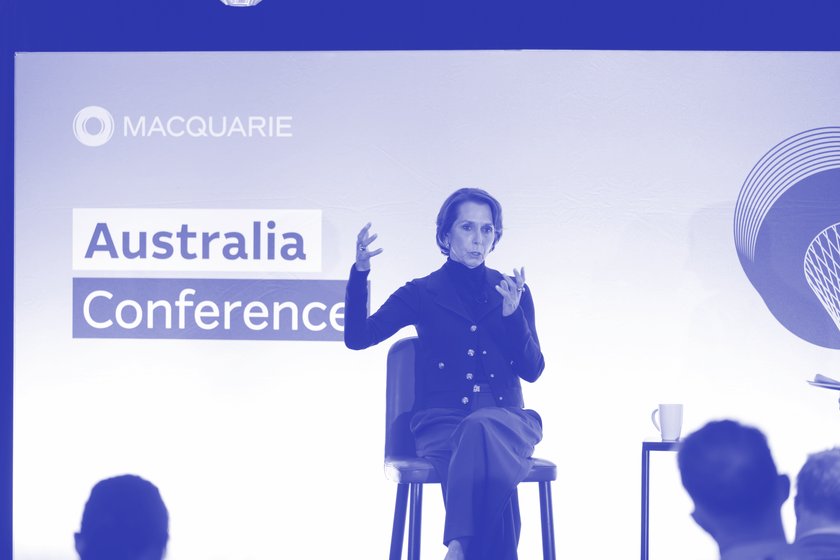
Executives spent most of the conference denying, defending and deflecting. But the week’s most revealing moments came when they talked about their plans for humans in an AI world.
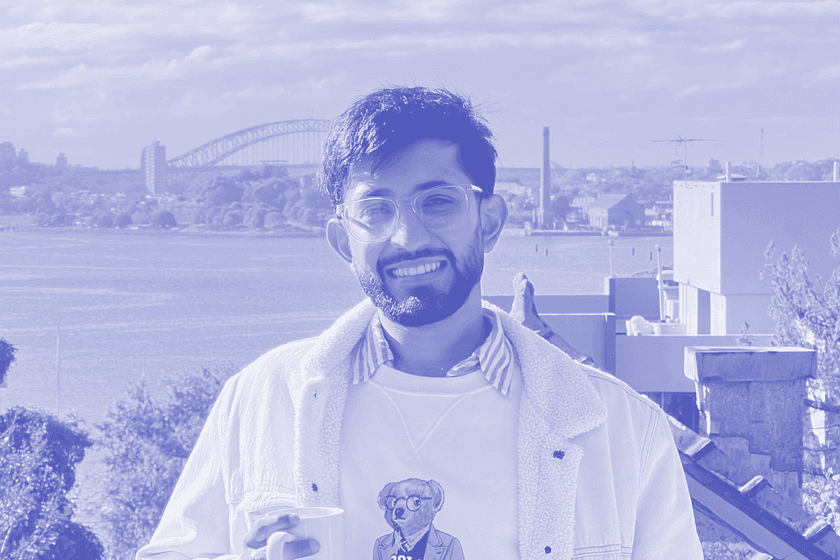
Akshat Agarwal says Australia’s startup scene has plenty of talent and capital. What it lacks, he argues, is somewhere for them to collide.
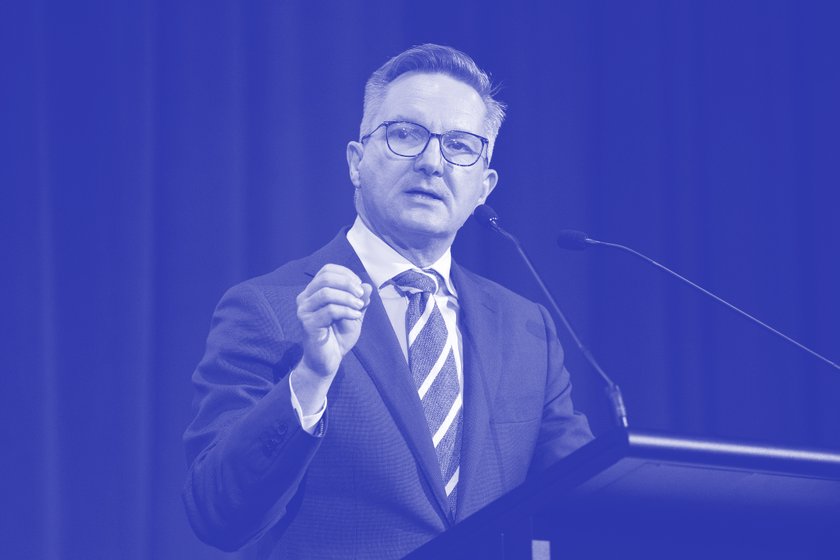
On one side of Sydney, the government confirmed plan to reduce gas shortfalls. On the other, CEOs were figuring out how to cope with a quadrupling of power demand caused by data centres.
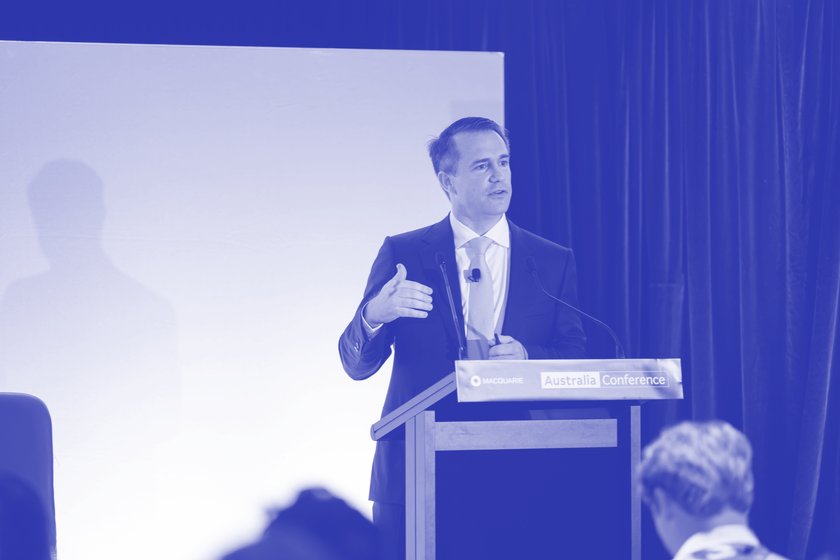
Chief executive James Manning laughed off questions about a recent short report that shot holes in his business. But a bigger question posed by a key partner may be harder to push aside.
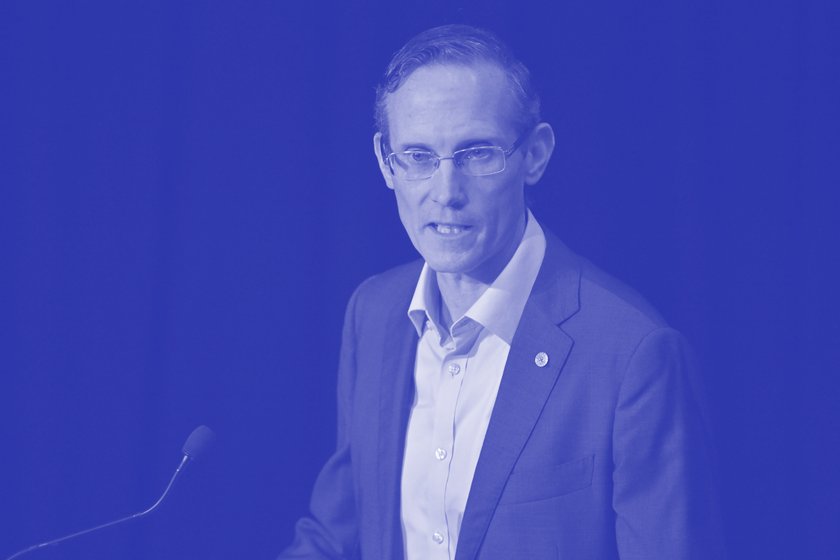
AI’s biggest productivity gains may come not from moonshots, but from helping small businesses save time, cut waste and compete.

Your email address will be stored in accordance with our privacy policy.